

Ready to explore Piper Trailhead? Here's everything you need to know before you go!
Discover the trail
Trail description
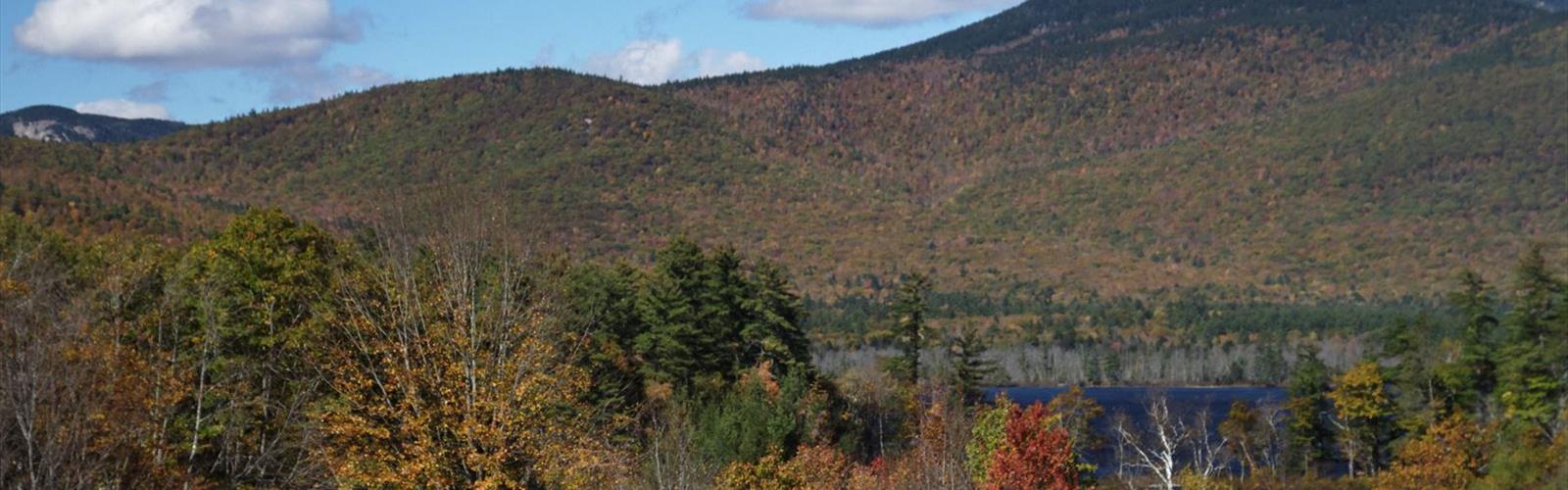
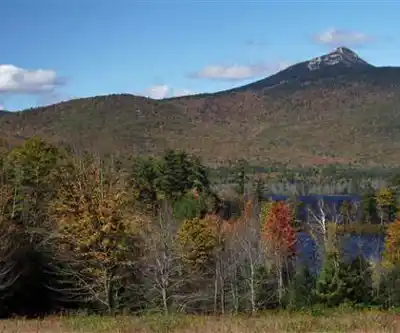
The Piper Trailhead sits at the base of Mount Chocorua in New Hampshire's White Mountains, serving as the primary launching point for one of the state's most recognizable and rewarding mountain adventures. This well-established trailhead provides hikers with direct access to Mount Chocorua's distinctive rocky summit, a peak that has become synonymous with New Hampshire's rugged mountain character and appears on countless postcards and calendars.
What sets the Piper Trail apart from other routes up Mount Chocorua is its balanced approach to mountain hiking. The trail offers a challenging experience that welcomes experienced hikers looking for a solid workout while providing a genuine test for those ready to tackle their first serious mountain peak. The 884-meter elevation gain unfolds over 8.8 kilometers, allowing your body to adjust to the increasing altitude while providing steady progress toward increasingly spectacular viewpoints.
Trail Experience and Terrain
The journey begins in dense New Hampshire forest, where the trail winds through a canopy of mixed hardwoods and conifers. Early sections feature well-maintained footpath with occasional root systems and rock steps that give you a taste of the terrain ahead. The initial kilometers ease you into the rhythm of mountain hiking, with gentle grades that let you warm up before the more demanding sections.
As you gain elevation, the forest composition shifts, and you'll notice the trees becoming more stunted and hardy, adapted to the harsher conditions of higher elevations. The middle sections of the trail present the most sustained climbing, where rocky outcrops begin to interrupt the forest cover and offer your first glimpses of the surrounding White Mountains landscape. These natural viewing platforms provide perfect rest stops and photo opportunities, with vistas opening up to reveal the rolling mountains and valleys that define this region of New Hampshire.
The final approach to Mount Chocorua's summit transitions into more exposed terrain, where the trail navigates across granite slabs and between boulder formations. This upper section requires more careful foot placement and basic scrambling skills, but nothing that demands technical climbing experience. The exposed rock can be slippery when wet, so extra caution is warranted during or after rain. The granite surfaces provide excellent grip in dry conditions but transform into challenging terrain when moisture is present.
Summit Views and Natural Features
Mount Chocorua's summit delivers panoramic landscapes that stretch across multiple mountain ranges and into three states. The 360-degree views encompass the Sandwich Range, the Presidential Range, and on clear days, glimpses of the Atlantic Ocean to the southeast. Below, a patchwork of forests, lakes, and small New England communities creates a quintessential northern landscape that changes dramatically with the seasons.
The trail's charm extends beyond the destination, with numerous smaller viewpoints and natural features along the route. Lush forests provide habitat for local wildlife, including white-tailed deer, red squirrels, and various bird species. The vibrant flora changes throughout the hiking season, from spring wildflowers in the lower elevations to hardy alpine plants near the summit. Fall transforms the deciduous trees into a spectacular display of reds, oranges, and yellows that draws hikers from across New England.
The rocky summit itself becomes a natural amphitheater where hikers gather to rest, eat lunch, and soak in the views. The exposed granite provides numerous seating options and creates intimate spaces despite the peak's popularity. Wind patterns at the summit can be intense, making layers essential even on warm days at the trailhead.
Planning Your Adventure
Budget approximately 4 hours and 30 minutes for the complete round trip, though this can vary significantly based on your pace, rest stops, and time spent enjoying the summit views. Strong hikers may complete the route faster, while those who prefer a more leisurely pace or plan extended breaks should allow additional time. The challenging terrain and significant elevation gain make this a workout that demands respect and proper preparation.
Water requirements are substantial for this hike, particularly during warmer months. Pack plenty of water, as reliable water sources along the trail are limited and should be treated before consumption. The elevation gain and duration make this a demanding adventure that requires proper hydration throughout the day. Energy snacks become essential fuel for the sustained climbing sections.
Sturdy hiking boots provide essential ankle support and traction, especially on the rocky upper sections and during descent when loose rocks and steep grades can challenge your footing. The granite surfaces near the summit can be particularly slippery when wet, making quality footwear a safety necessity rather than just a comfort consideration. Trekking poles can provide valuable stability, especially during the descent when your legs are tired from the climb.
Weather and Seasonal Considerations
Mountain weather in the White Mountains changes rapidly and can differ significantly between the trailhead and summit. Dressing in layers allows you to adjust your clothing as conditions change with elevation and weather patterns. Even on warm valley days, summit temperatures can be substantially cooler, and wind exposure increases the cooling effect dramatically.
The exposed nature of the upper trail and summit makes weather awareness critical. Afternoon thunderstorms can develop quickly in the mountains, and the granite summit becomes dangerous during electrical activity. Early morning starts not only help avoid crowds but also reduce the risk of encountering severe weather that often builds later in the day.
Your camera will get a workout on this trail, with numerous opportunities to capture both intimate forest scenes and sweeping mountain vistas. The summit of Mount Chocorua, in particular, offers some of the most photographed mountain views in New Hampshire, with the rocky peak providing dramatic foreground for shots of the surrounding wilderness.
The Piper Trailhead's accessibility makes it a popular choice for hikers seeking a genuine mountain challenge without requiring technical skills. The demanding difficulty level provides a serious workout while still being achievable for well-prepared hikers ready to push their limits. Whether you're building toward more challenging peaks or want to experience one of New Hampshire's classic mountain adventures, the Piper Trail delivers an authentic White Mountains experience that showcases the natural beauty and rugged character that define this beloved hiking region.
The Essential Hiking Checklist
Everything you need for your next hike. Bilingual, printable, 1 page.
Get your free hiking checklistRecommended gear for this trail
As an Amazon Associate I earn from qualifying purchases.


Ready to go?
Everything you need to know before you goStarting Point
The piper trailhead is located in the town of Campton, New Hampshire. From Interstate 93, take exit 28 and head east on Route 3. After about 4 miles, take a left onto Piper Road. The trailhead will be on your right after about 1 mile.
When?
How much?
As an Amazon Associate I earn from qualifying purchases.
Affiliate links — LGPO may earn a commission at no extra cost to you.
- Hiking shoes Essential
- → Salomon Elixir Tour Mid WP · 203.38 $
- Layered clothing Essential
- Rain jacket Essential
- Trekking poles
- → Black Diamond Trail Ergo Cork · 69.99 $
- Headlamp
- → Petzl Actik Core 625 · 103.95 $
FAQ - Frequently asked questions
Everything you need to knowSimilar hikes nearby
Discover other trails you might enjoy

Crawford
White Mountains
Presidential Range Rail Trail
White Mountains
Welch-Dickey Trailhead
White Mountains
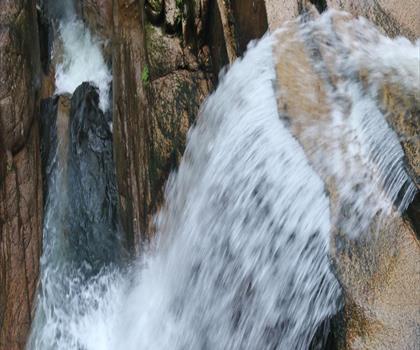
Sabbaday Falls
White Mountains
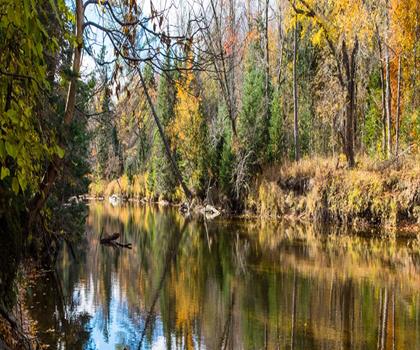
Swift River
White Mountains
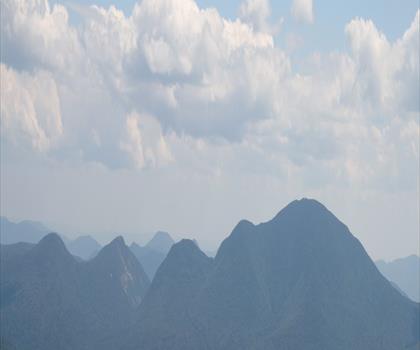
Mt Bond
White Mountains
Hiking near North Conway
0 trails to explore ~15 km away
We work hard to provide the most up-to-date and error-free data possible. If something seems incorrect, let us know! Your contribution helps the whole community.
Hikers' opinions
Be the first to review!
No hiker has shared their experience yet. Share your impressions and help other hikers!