

Ready to explore Whiteface? Here's everything you need to know before you go!
Discover the trail
Trail description
Whiteface Mountain stands as a prominent 4,020-foot peak in New Hampshire's Sandwich Range, offering hikers one of the White Mountain National Forest's more secluded 4,000-footer experiences. While it delivers the same rugged beauty and expansive views that define this celebrated region, Whiteface rewards those who seek it out with fewer crowds and a more intimate mountain experience than some of its busier neighbors.
The mountain's character unfolds through distinct elevation zones, beginning with dense mixed forests of hardwoods and conifers that create a natural cathedral along the lower slopes. As you climb higher, the forest gradually opens up to reveal increasingly rocky terrain and exposed ledges that hint at the dramatic summit views ahead. This transition from sheltered woodland to alpine exposure gives Whiteface its distinctive personality and provides hikers with a satisfying sense of progression throughout the ascent.
Trail Experience and Route Details
The Blueberry Ledge Trail serves as the primary route to Whiteface's summit, delivering a challenging but rewarding 8.8-kilometer round trip with 914 meters of elevation gain. This trail earns its "hard" difficulty rating through sustained steep sections that demand steady pacing and sure footing, particularly as you navigate the rocky pitches that characterize the upper portions of the climb.
The trail's early sections wind through dense forest where filtered sunlight creates an ever-changing play of light and shadow on the forest floor. Here, the moderate grade allows you to settle into a rhythm while your legs warm up for the steeper challenges ahead. The path is well-marked but requires attention as it weaves between large boulders and around substantial tree roots that can catch unwary hikers.
As you gain elevation, the trail's character shifts noticeably. The moderate forest walk gives way to increasingly steep pitches where the path climbs directly up rocky faces and exposed ledges. These sections require careful foot placement and often benefit from using your hands for balance, transforming the hike into a more engaging scramble that keeps you focused on the immediate terrain.
The trail's namesake blueberry bushes appear along various sections of the route, particularly on the exposed ledges where sunlight reaches the ground. During late summer, these wild berries provide a welcome natural snack, though their presence varies from year to year depending on weather conditions and wildlife activity.
Summit Rewards and Views
Whiteface's summit opens up to spectacular 360-degree views that showcase the full scope of New Hampshire's diverse landscape. The elevated perspective reveals the intricate pattern of the Lakes Region spread out below, with numerous bodies of water glinting between forested hills and distant mountain ranges. On clear days, the visibility extends far enough to appreciate the vast scale of the White Mountain National Forest and understand the geographic relationships between the various peaks and valleys that define this corner of New England.
The rocky summit area provides ample space for groups to spread out comfortably, with natural seating areas formed by large granite slabs and convenient windbreaks created by the mountain's topography. This makes it an ideal spot for extended breaks, lunch, and photography without the crowded feeling that can diminish the experience on more popular peaks.
The summit's exposure means weather conditions can change rapidly, but this same openness creates the dramatic views that make the climb worthwhile. The interplay of light and shadow across the landscape below shifts throughout the day, offering different photographic opportunities and visual experiences depending on your timing and the season.
Extended Adventure Options
Experienced hikers looking to maximize their time in the Sandwich Range can combine Whiteface with nearby Mount Passaconaway, creating a demanding loop hike that significantly increases both the challenge and the rewards. This extended route transforms a substantial day hike into a serious endurance test that requires careful planning, additional supplies, and a higher level of fitness and experience.
The loop option allows you to experience more of the range's diverse ecosystems and geological features, moving through different forest types and elevation zones while connecting two distinct summit experiences. This combination appeals particularly to hikers working systematically through New Hampshire's 4,000-footer list or those who want to explore more of the region's interconnected trail system in a single outing.
Wildlife and Seasonal Highlights
The diverse habitats along Whiteface's slopes support a variety of wildlife that changes with the seasons and elevation zones. The dense forest sections provide ideal habitat for white-tailed deer, which you're likely to encounter during early morning or late afternoon hikes. The mixed forest also supports numerous bird species, including various songbirds, woodpeckers, and occasionally larger species like wild turkeys that add unexpected excitement to the hiking experience.
Spring and early summer offer the best opportunities for wildlife observation as migratory species return and nesting activity reaches its peak. The forest comes alive with bird songs and increased animal activity, making these seasons particularly rewarding for hikers who enjoy the natural soundtrack that accompanies their climb.
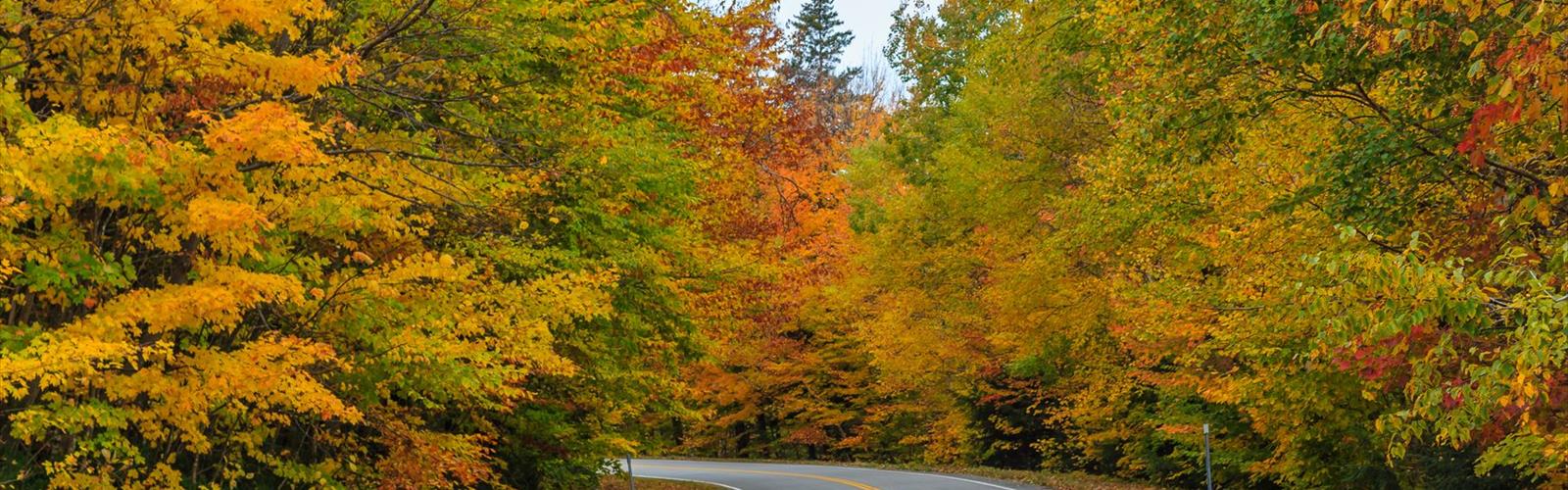
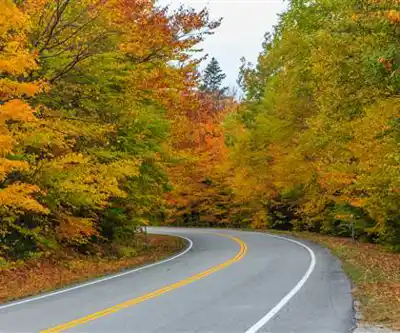
Autumn transforms Whiteface into a spectacular display of fall foliage, with the hardwood forests creating layers of color that enhance both the hiking experience and the summit views. The changing leaves add depth and vibrancy to the landscape visible from the summit, making fall an especially photogenic time to visit, though you should expect more company on the trails during peak foliage season.
Winter hiking on Whiteface attracts snowshoers and experienced winter hikers, though the increased difficulty and weather risks require appropriate gear, clothing, and mountain experience. The bare trees of winter actually improve long-distance visibility, offering a different perspective on the same panoramic vistas while creating an entirely different mountain experience.
Preparation and Practical Considerations
The estimated 5.5-hour duration reflects the time needed for most hikers to complete the round trip at a sustainable pace, including breaks for rest, photography, and summit enjoyment. This timeframe assumes reasonable fitness levels and favorable weather conditions, though individual hiking speeds, group dynamics, and trail conditions can significantly affect actual completion times.
Sturdy hiking boots become essential on Whiteface's rocky sections and steep pitches, where loose stones, exposed roots, and granite slabs create potential hazards for inadequately equipped hikers. The varied terrain demands footwear with good ankle support and aggressive tread patterns that provide confidence on both the ascent and the often more challenging descent.
Adequate water and nutrition planning becomes crucial given the trail's length, elevation gain, and physical demands. The steep sections and extended duration mean your body will require consistent hydration and fuel throughout the hike, especially during warm weather when dehydration can quickly become a serious concern.
Weather preparedness takes on added importance due to the summit's exposure and the rapid changes that can occur at elevation. Layered clothing and rain protection remain important regardless of the forecast at the trailhead, as conditions at the summit often differ significantly from those experienced during the forested approach sections.
The Essential Hiking Checklist
Everything you need for your next hike. Bilingual, printable, 1 page.
Get your free hiking checklistRecommended gear for this trail
As an Amazon Associate I earn from qualifying purchases.


Ready to go?
Everything you need to know before you goStarting Point
To access the hiking trails, you can start at the Ferncroft Trailhead. The address for this trailhead is 120 Ferncroft Road, Wonalancet, NH 03897. There is a parking area available for hikers.
When?
How much?
As an Amazon Associate I earn from qualifying purchases.
Affiliate links — LGPO may earn a commission at no extra cost to you.
- Hiking shoes Essential
- → Salomon Elixir Tour Mid WP · 203.38 $
- Layered clothing Essential
- Rain jacket Essential
- Trekking poles
- → Black Diamond Trail Ergo Cork · 69.99 $
- Headlamp
- → Petzl Actik Core 625 · 103.95 $
FAQ - Frequently asked questions
Everything you need to knowSimilar hikes nearby
Discover other trails you might enjoy

Crawford
White Mountains
Presidential Range Rail Trail
White Mountains

Welch-Dickey Trailhead
White Mountains
Sabbaday Falls
White Mountains
Swift River
White Mountains
Mt Bond
White Mountains
Hiking near North Conway
0 trails to explore ~30 km away
We work hard to provide the most up-to-date and error-free data possible. If something seems incorrect, let us know! Your contribution helps the whole community.
Hikers' opinions
Be the first to review!
No hiker has shared their experience yet. Share your impressions and help other hikers!