
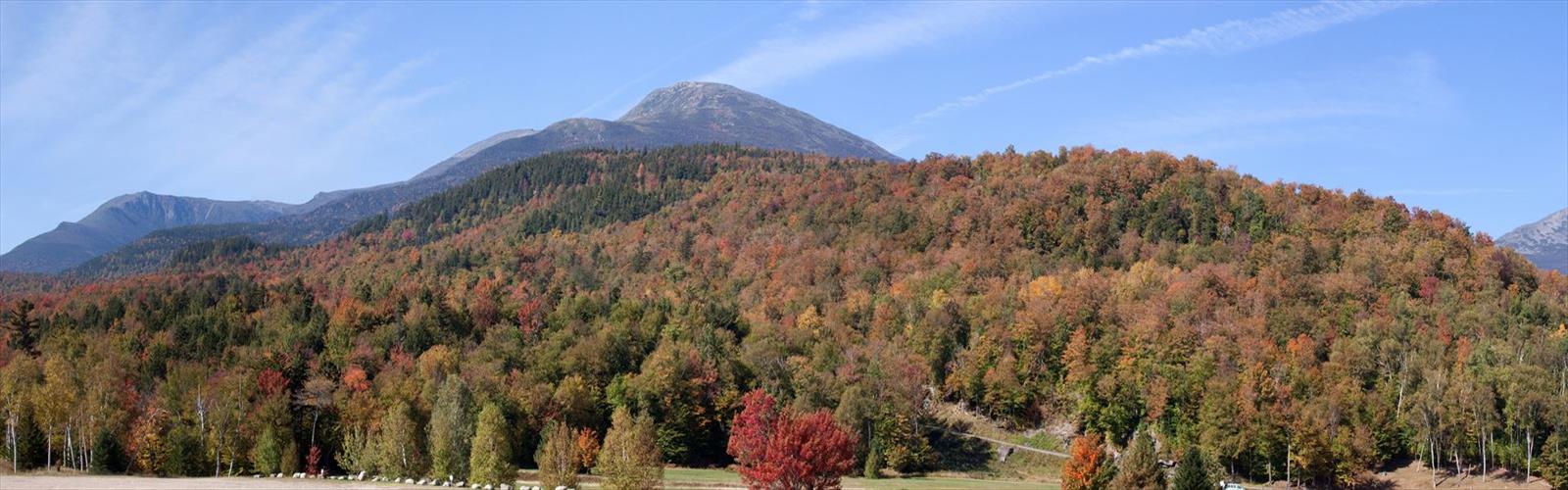

Ready to explore Wildcat Mountain? Here's everything you need to know before you go!
Discover the trail

Trail description
With 43 peaks sharing the name "Wildcat Mountain" across the United States, you'll want to be specific about which summit you're planning to tackle. The most prominent and challenging of these is Wildcat Mountain in New Hampshire's White Mountains, a 4,422-foot peak that draws serious hikers from around the world with its demanding trails and spectacular alpine views.
This New Hampshire Wildcat stands as one of the White Mountains' more formidable challenges, offering multiple route options that range from sustained climbs to technical traverses. The mountain's exposed ridgeline and steep approaches create an environment where weather conditions can change rapidly, making it a peak that demands respect and proper preparation.
Trail Options and Terrain
The most celebrated route to Wildcat Mountain's summit is the Wildcats Traverse, an ambitious 5.2-mile journey that connects five distinct peaks: Mt. Tom, Mt. Field, Mt. Willey, Mt. Avalon, and Mt. Madison. This traverse represents one of the White Mountains' classic ridge walks, with each summit offering unique perspectives of the surrounding wilderness. The trail follows exposed ridgeline for significant portions, providing continuous views but also exposure to weather.
For those seeking alternative approaches, the Carter-Moriah Trail provides a more direct but equally challenging route to the summit. This trail approaches from the north and involves sustained climbing through dense forest before emerging onto the mountain's upper slopes. The path can be particularly demanding during wet conditions, as sections become muddy and require careful footing.
The Tuckerman Ravine Trail offers yet another option, though it's worth noting this route involves more technical terrain and should only be attempted by experienced hikers comfortable with steep, rocky sections. The trail provides access to some of the mountain's most dramatic scenery, including views into the famous ravine that has challenged climbers and skiers for generations.
What to Expect on the Mountain
Wildcat Mountain's terrain varies dramatically as you gain elevation. The lower sections wind through typical White Mountain forest, with dense stands of birch, maple, and evergreen trees creating a canopy that provides shelter and shade. As you climb higher, the forest gradually transitions to more stunted growth, and eventually gives way to exposed rock and alpine vegetation near the summit.
The mountain's upper elevations offer panoramic views that extend across the White Mountain National Forest and beyond. On clear days, hikers can see multiple ranges stretching to the horizon, with the distinctive profiles of Mount Washington, the Presidential Range, and other major peaks clearly visible. The summit area itself features exposed granite and quartzite, typical of the region's geological composition.
Weather conditions on Wildcat Mountain can be severe and change without warning. The exposed ridgeline sections make hikers vulnerable to wind and precipitation, and temperatures at the summit can be significantly colder than at the trailhead. Snow is possible at higher elevations from October through May, and ice conditions can persist well into spring.
Planning Your Hike
Most hikers should plan for 5 to 7 hours to complete their chosen route, though this can vary significantly based on trail conditions, weather, and individual fitness levels. The Wildcats Traverse, being the longest option, typically requires the full time estimate, while more direct routes may be completed somewhat faster by strong hikers.
The mountain's elevation gain of approximately 1,829 meters makes this a serious undertaking that requires good physical conditioning. The sustained climbing, combined with potentially challenging weather conditions, means this isn't an ideal choice for beginning hikers or those new to White Mountain conditions.
Water sources are limited on the upper portions of the mountain, so carrying adequate hydration is essential. The exposed sections offer little shelter, making proper layering and wind protection crucial gear considerations. Navigation can become challenging in poor visibility, particularly on the traverse route where multiple trail junctions and similar-looking peaks can cause confusion.
Beyond New Hampshire
While New Hampshire's Wildcat Mountain gets the most attention from serious hikers, many of the other 42 Wildcat Mountains across the country offer their own hiking opportunities. From the Adirondack region to various state parks and forests, these peaks range from gentle family-friendly walks to challenging backcountry adventures.
Some notable examples include Wildcat Mountain in Alabama, which offers Southern Appalachian hiking experiences, and several California locations in Fresno, Mariposa, and Sonoma counties that provide access to Sierra Nevada and Coast Range terrain. Colorado's Wildcat Mountains in Douglas and Pitkin counties offer high-altitude hiking with Rocky Mountain scenery.
Each of these locations has its own character, from the rolling hills of Kentucky's Laurel and Powell county peaks to the desert mountain environment of Texas locations in Burnet, Coke, Edwards, and Nolan counties. Oregon's four Wildcat Mountains span multiple counties and ecosystems, while Washington state offers both Olympic Peninsula and Cascade Range options.
The variety extends to the Eastern states as well, with options in Massachusetts, Connecticut, Georgia, and multiple locations throughout North Carolina and Virginia. Each provides different seasonal hiking opportunities, terrain challenges, and scenic rewards that reflect their regional characteristics and local ecosystems.
The Essential Hiking Checklist
Everything you need for your next hike. Bilingual, printable, 1 page.
Get your free hiking checklistRecommended gear for this trail
As an Amazon Associate I earn from qualifying purchases.


Ready to go?
Everything you need to know before you goStarting Point
The wildcat mountain trails can be accessed from the parking lot at the summit of the mountain.
The start of the trails at the wildcat mountain can be accessed by taking the Aerial Tramway from the base of the mountain.
When?
How much?
As an Amazon Associate I earn from qualifying purchases.
Affiliate links — LGPO may earn a commission at no extra cost to you.
- Hiking shoes Essential
- → Salomon Elixir Tour Mid WP · 203.38 $
- Layered clothing Essential
- Rain jacket Essential
- Trekking poles
- → Black Diamond Trail Ergo Cork · 69.99 $
- Headlamp
- → Petzl Actik Core 625 · 103.95 $
FAQ - Frequently asked questions
Everything you need to knowSimilar hikes nearby
Discover other trails you might enjoy

Crawford
White Mountains

Presidential Range Rail Trail
White Mountains

Welch-Dickey Trailhead
White Mountains
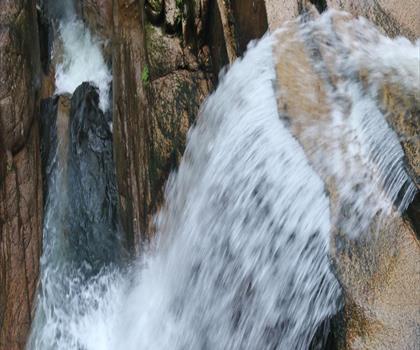
Sabbaday Falls
White Mountains
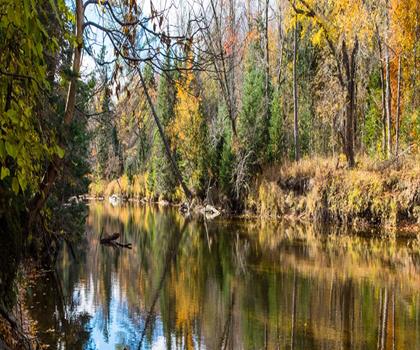
Swift River
White Mountains

Mt Bond
White Mountains
Hiking near North Conway
0 trails to explore ~25 km away
We work hard to provide the most up-to-date and error-free data possible. If something seems incorrect, let us know! Your contribution helps the whole community.
Hikers' opinions
Be the first to review!
No hiker has shared their experience yet. Share your impressions and help other hikers!