

Ready to explore Avalanche Mountain, New York? Here's everything you need to know before you go!
Discover the trail
Trail description
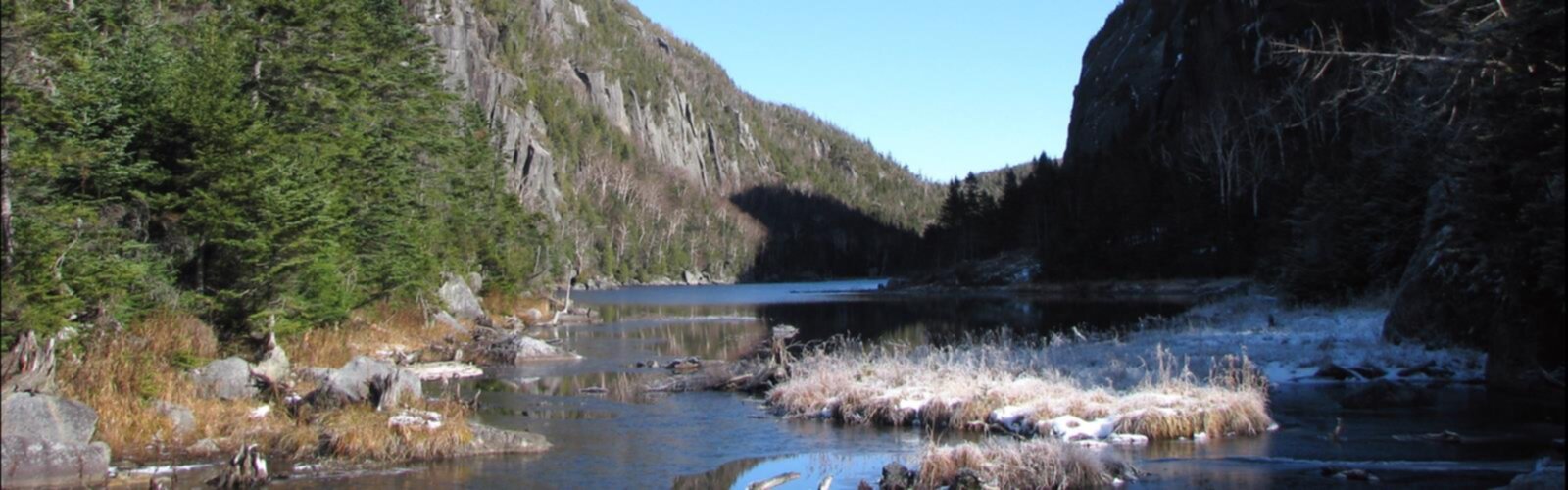
Avalanche Mountain sits in the High Peaks Wilderness Area of the Adirondacks, offering some of New York's most dramatic mountain scenery. This 16.2-kilometer trek with 1,168 meters of elevation gain ranks as a very hard hike that typically takes 6 to 8 hours to complete. The mountain delivers a challenging wilderness experience through dense forests, alongside crystal-clear streams, and past towering cliffs that frame the iconic Avalanche Lake.
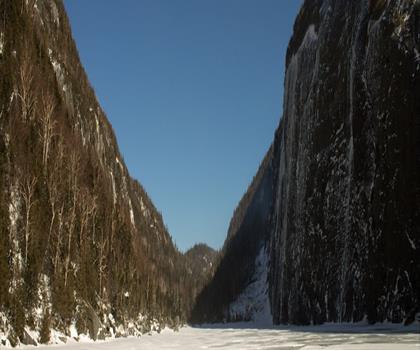
What sets Avalanche Mountain apart from other Adirondack peaks is its unique combination of technical terrain and stunning water features. The route takes you through the famous Avalanche Pass, where massive boulders create natural bridges over the narrow lake below. This geological wonder, carved by ancient glaciers, creates one of the most photographed scenes in the entire Adirondack region.
Trail Routes and Terrain
The primary approach to Avalanche Mountain follows the trail to Avalanche Lake, which serves as both a destination in itself and a gateway to more challenging terrain. This section winds through lush forests dominated by spruce, fir, and birch trees, crossing several wooden bridges over streams that feed into the lake system. The forest canopy provides welcome shade during summer months, while the understory reveals diverse plant life including ferns, wildflowers, and moss-covered rocks.
For hikers seeking the full mountain experience, the Mount Colden via Avalanche Pass Trail presents the most demanding option. This route involves steep, rocky ascents that require careful foot placement and steady endurance. The trail becomes increasingly technical as you gain elevation, with sections of scrambling over granite slabs and navigating loose rock. The payoff comes in the form of panoramic views that stretch across the High Peaks region, revealing layer upon layer of forested ridges extending to the horizon.
More adventurous climbers can tackle the Trap Dike, a steep gully that provides a direct but challenging route up the mountain face. This option requires scrambling skills and should only be attempted by experienced hikers comfortable with exposure and loose rock conditions.
What to Expect Along the Way
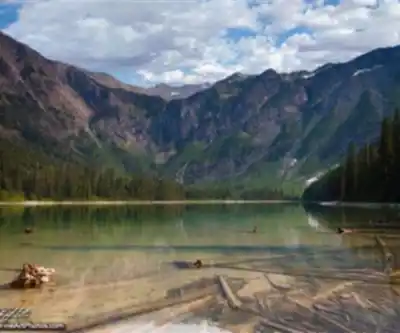
The journey to Avalanche Lake reveals why this destination captivates so many visitors. As you approach the lake, the forest opens to reveal a narrow body of water squeezed between towering cliff walls. The lake's crystal-clear water reflects the surrounding peaks, creating mirror images that shift with the changing light throughout the day. Massive boulders, some as large as houses, have tumbled from the cliffs above and now rest partially submerged in the lake, creating natural stepping stones and unique photo opportunities.
Wildlife encounters add another dimension to the Avalanche Mountain experience. The diverse ecosystem supports black bears, white-tailed deer, and various bird species including loons whose calls echo across the water. Smaller creatures like chipmunks and red squirrels are commonly spotted along the trail, while the streams host native brook trout in their cold, clear waters.
The area's geological features tell the story of massive glacial activity that shaped this landscape thousands of years ago. The U-shaped valley, polished rock faces, and the lake itself all bear the signature of glacial carving. These same forces created the dramatic cliff faces that rise directly from the water's edge, some reaching heights of several hundred feet.
Connecting Routes and Extended Options
Avalanche Mountain serves as a hub for exploring other significant Adirondack destinations. The Northville-Placid Trail passes through this area, offering opportunities to extend your adventure into a multi-day backpacking experience. This long-distance trail connects numerous wilderness areas and provides access to remote lakes and peaks throughout the region.
The Calamity Brook Trail offers a more moderate alternative for those wanting to experience Adirondack wilderness without the technical challenges of the main mountain routes. This path provides scenic walking through varied terrain and serves as an excellent option for families or hikers building up to more demanding adventures.
Marcy Dam, another nearby destination, provides a different perspective on the High Peaks region and can be combined with Avalanche Mountain for a longer day hike or used as a base for overnight camping.
Essential Preparation and Safety
The very hard difficulty rating of this hike demands serious preparation and respect for the mountain environment. Weather conditions in the Adirondacks change rapidly, particularly at higher elevations where temperatures can drop significantly even during summer months. Layered clothing systems work best, allowing you to adjust for varying conditions as you gain elevation and move between shaded forest sections and exposed rocky areas.
Water and nutrition planning becomes critical on this lengthy, demanding hike. Carry more water than you think you'll need, as the physical demands of the terrain increase consumption significantly. Energy-dense snacks help maintain stamina during the steeper sections, while a substantial lunch provides fuel for the return journey.
Navigation tools remain essential even on well-marked trails. Weather can reduce visibility quickly, and the complex terrain around Avalanche Pass includes multiple route options that can confuse even experienced hikers. A detailed topographic map and compass, along with the knowledge to use them, provide backup when conditions deteriorate.
Starting early in the morning offers multiple advantages beyond avoiding crowds. The cooler temperatures make the demanding climbs more comfortable, while the extended daylight hours provide a safety buffer for the long return journey. Early starts also increase your chances of wildlife sightings, as many animals are most active during dawn hours.
Leave No Trace principles take on special importance in this heavily visited wilderness area. The fragile alpine environment around the higher elevations recovers slowly from damage, making careful foot placement and staying on designated trails crucial for preservation. Pack out all trash, including organic waste like fruit peels that decompose slowly in the cool mountain environment.
Beyond the immediate Avalanche Mountain area, the broader region offers additional attractions for those planning extended visits. Mirror Lake near Lake Placid provides a more relaxed water experience, while South Meadow near Adirondack Loj serves as a popular staging area for multiple High Peaks adventures.
The Essential Hiking Checklist
Everything you need for your next hike. Bilingual, printable, 1 page.
Get your free hiking checklistRecommended gear for this trail
As an Amazon Associate I earn from qualifying purchases.


Ready to go?
Everything you need to know before you goStarting Point
The easiest way to get to the start of the trails at Avalanche Mountain is to drive to the trailhead. The trailhead is located on Route 73 in Keene Valley, New York.
When?
How much?
As an Amazon Associate I earn from qualifying purchases.
Affiliate links — LGPO may earn a commission at no extra cost to you.
- Hiking shoes Essential
- → Salomon Elixir Tour Mid WP · 203.38 $
- Layered clothing Essential
- Rain jacket Essential
- Trekking poles
- → Black Diamond Trail Ergo Cork · 69.99 $
- Headlamp
- → Petzl Actik Core 625 · 103.95 $
FAQ - Frequently asked questions
Everything you need to knowSimilar hikes nearby
Discover other trails you might enjoy

Algonquin Peak, New York
Adirondacks

Big Slide Mountain, New York
Adirondacks

Boundary Peak, New York
Adirondacks
Crane Mountain
Adirondacks
Avalanche Pass
Adirondacks
Ampersand Mountain, New York
Adirondacks
Hiking near Lake Placid
0 trails to explore ~16 km away
We work hard to provide the most up-to-date and error-free data possible. If something seems incorrect, let us know! Your contribution helps the whole community.
Hikers' opinions
Be the first to review!
No hiker has shared their experience yet. Share your impressions and help other hikers!