
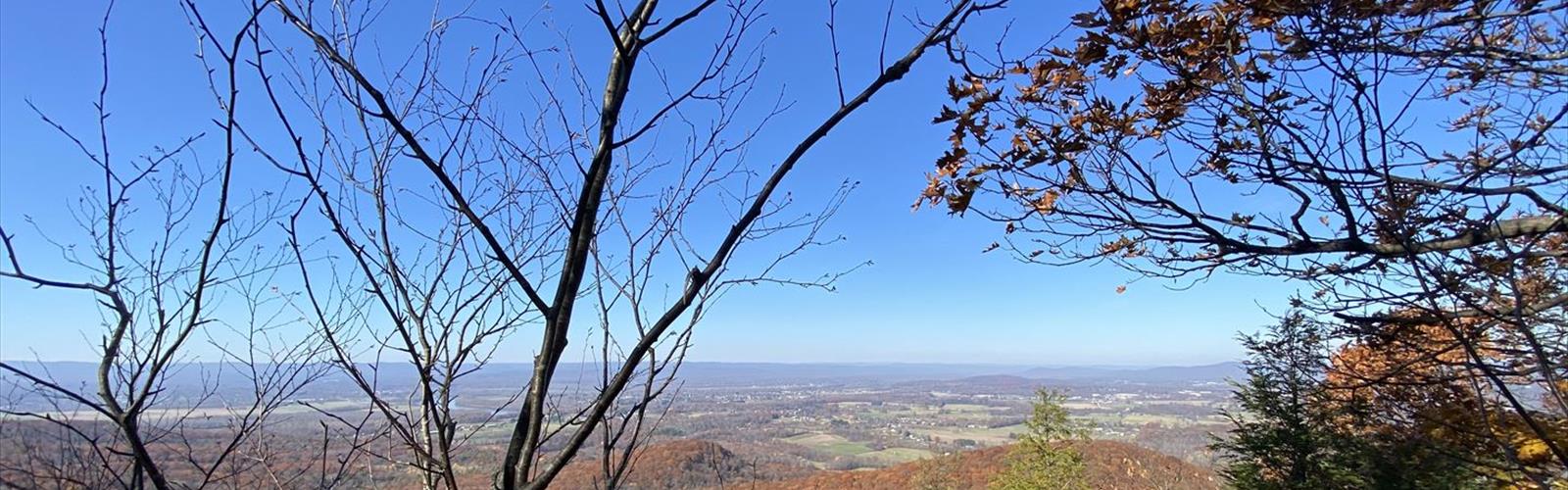

Ready to explore Bare Mountain? Here's everything you need to know before you go!
Discover the trail
Trail description
Bare Mountain presents an interesting case of dual identity in New York State hiking. Two distinct peaks share this name, each offering its own character and rewards. The first sits in the Hudson Valley region at 1,564 feet, while the second rises in the Adirondacks near Indian Lake. Both destinations have earned their place among regional hiking favorites, though for different reasons.
Hudson Valley Bare Mountain
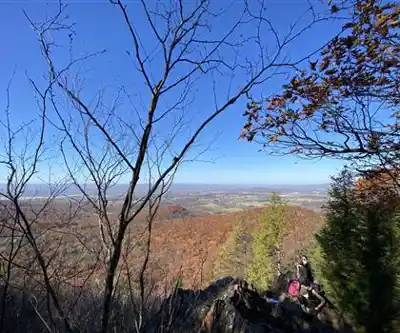
The Hudson Valley's Bare Mountain may top out at just 1,564 feet, but this modest elevation works in the hiker's favor. The relatively short climb delivers outsized rewards in the form of sweeping views across the Hudson River Valley and distant Catskill Mountains. The mountain's name hints at its character—exposed rock faces and open summits that provide unobstructed sightlines across the valley floor.
This accessibility makes it a go-to choice for hikers seeking impressive views without committing to an all-day adventure. The trail winds through mixed hardwood forests before emerging onto the rocky upper slopes where the real visual payoff begins. On clear days, the Hudson River cuts a silver ribbon through the valley below, while the Catskills form a dramatic backdrop to the west.
The exposed nature of the upper mountain means weather conditions can change the hiking experience significantly. Summer brings full sun exposure on the final approach, while winter transforms the bare rock into potentially icy terrain requiring extra caution.
Adirondack Bare Mountain
The Adirondack version near Indian Lake offers a completely different experience. This 8.7-kilometer round-trip hike gains 900 meters of elevation over approximately 4 hours and 30 minutes, placing it firmly in hard difficulty territory. The substantial elevation gain and distance demand good fitness and proper preparation.
The trail begins in the dense Adirondack forest characteristic of the region, winding through stands of maple, birch, and evergreens. As elevation increases, the forest composition shifts, and hikers begin to catch glimpses of the surrounding wilderness through the canopy. The steady climb requires pacing and regular breaks, but the trail maintains good footing throughout most sections.
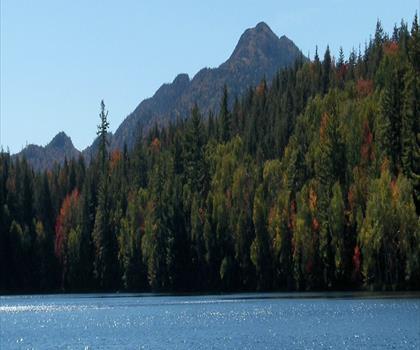
What sets this Bare Mountain apart is the summit experience. The views from the top showcase the vast Adirondack wilderness in all directions—an endless sea of forested peaks, pristine lakes, and untouched valleys that define this protected region. The sense of remoteness and scale here contrasts sharply with the more civilized Hudson Valley views of its namesake.
Camping and Extended Stays
The Adirondack Bare Mountain area supports overnight adventures with several campsites located near the summit. These sites transform a day hike into a weekend camping experience, allowing visitors to witness both sunset and sunrise from the mountain's heights. The elevated camping spots provide natural wind exposure that helps with insect control during warmer months.
Backcountry camping regulations apply in this area, so hikers should familiarize themselves with Leave No Trace principles and any specific restrictions. The remote location means campers must be self-sufficient with water, food, and emergency supplies.
Fishing Opportunities
The Indian Lake area surrounding Adirondack Bare Mountain offers excellent fishing opportunities for those looking to combine hiking with angling. The region's lakes and streams support various species typical of Adirondack waters. Hikers can plan multi-activity trips that include both the challenging summit hike and relaxed fishing sessions.
Access to fishing spots varies seasonally, and current New York State fishing licenses and regulations apply throughout the area.
Seasonal Considerations
Both mountains present different challenges and rewards across the seasons. Spring brings mud season concerns, particularly on the longer Adirondack trail, but also offers the reward of emerging wildflowers and migrating birds. Summer provides the most reliable weather and longest daylight hours, though it also brings peak crowds and insects in the Adirondacks.
Fall transforms both locations into spectacular displays of autumn color, with the Hudson Valley version offering particularly dramatic views of the changing foliage across the valley. Winter hiking is possible on both peaks but requires appropriate gear and experience, especially on the Adirondack route where the longer distance and higher elevation create additional exposure risks.
Trail Conditions and Terrain
The Hudson Valley Bare Mountain features a mix of forest paths and rocky scrambles, with the final approach involving some basic rock navigation. The trail is generally well-marked and maintained, making it suitable for intermediate hikers comfortable with varied terrain.
The Adirondack route presents more sustained challenges. The 900-meter elevation gain is distributed across the 8.7-kilometer distance, creating sections of steep climbing interspersed with more moderate grades. Rocky sections, root-crossed paths, and potentially muddy areas after rain all factor into the hiking experience. The hard difficulty rating reflects both the physical demands and the need for solid hiking experience.
Proper footwear becomes crucial on both trails, but especially on the longer Adirondack route where ankle support and traction can prevent injuries during the extended hike.
The Essential Hiking Checklist
Everything you need for your next hike. Bilingual, printable, 1 page.
Get your free hiking checklistRecommended gear for this trail
As an Amazon Associate I earn from qualifying purchases.


Ready to go?
Everything you need to know before you goStarting Point
The start of the trails at Bare Mountain can be accessed from the parking lot on Route 9N.
The easiest way to get to the start of the trails at Bare Mountain is to take Exit 29 off of the Northway (I-87) and drive east on State Route 8 for about 4 miles. The trailhead will be on your left.
When?
How much?
As an Amazon Associate I earn from qualifying purchases.
Affiliate links — LGPO may earn a commission at no extra cost to you.
- Hiking shoes Essential
- → Salomon Elixir Tour Mid WP · 203.38 $
- Layered clothing Essential
- Rain jacket Essential
- Trekking poles
- → Black Diamond Trail Ergo Cork · 69.99 $
- Headlamp
- → Petzl Actik Core 625 · 103.95 $
FAQ - Frequently asked questions
Everything you need to knowSimilar hikes nearby
Discover other trails you might enjoy

Algonquin Peak, New York
Adirondacks

Big Slide Mountain, New York
Adirondacks

Boundary Peak, New York
Adirondacks
Crane Mountain
Adirondacks
Avalanche Pass
Adirondacks
Ampersand Mountain, New York
Adirondacks
Hiking near Springfield
0 trails to explore ~23 km away
We work hard to provide the most up-to-date and error-free data possible. If something seems incorrect, let us know! Your contribution helps the whole community.
Hikers' opinions
Be the first to review!
No hiker has shared their experience yet. Share your impressions and help other hikers!