

Ready to explore Black Mountain, New York? Here's everything you need to know before you go!
Discover the trail

Trail description
Black Mountain rises as one of the highest peaks in the Lake George area, delivering spectacular views and a satisfying hiking challenge in the heart of New York's Adirondack region. This 12.39-kilometer round-trip hike gains 805 meters of elevation over moderate terrain, making it accessible to hikers with some experience while still rewarding enough for seasoned adventurers.
The trailhead sits conveniently near Huletts Landing, positioning this hike perfectly for day trips from the Capital Region or weekend getaways to the Adirondacks. The nearby Village of Ticonderoga provides a practical base camp with accommodations and dining options, plus the added attraction of Fort Ticonderoga for those interested in exploring America's colonial and revolutionary history.
The Trail Experience
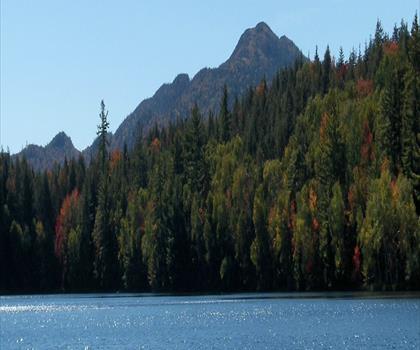
Plan on 4 to 5 hours for the complete hike, though the well-marked trail system makes navigation straightforward even for less experienced hikers. The ascent winds through dense Adirondack forests where the canopy shifts from mixed hardwoods at lower elevations to more coniferous species as you climb higher. This forest progression creates distinct micro-environments along the route, each supporting different plant and animal communities.
The moderate difficulty rating reflects steady climbing rather than technical challenges. You'll encounter typical Adirondack trail conditions: rocky sections, root networks, and potentially muddy spots during wet periods. The trail maintains good footing throughout most of the route, though hikers should expect some scrambling over granite outcrops as they approach the summit area.
For those seeking alternatives to the main route or hoping to avoid crowds, Pike Brook Road and Pike Brook Rd offer different approaches with equally impressive scenery. These alternative paths provide quieter hiking experiences while still accessing the same remarkable summit views that make Black Mountain a regional standout.
Summit Views and Vantage Points
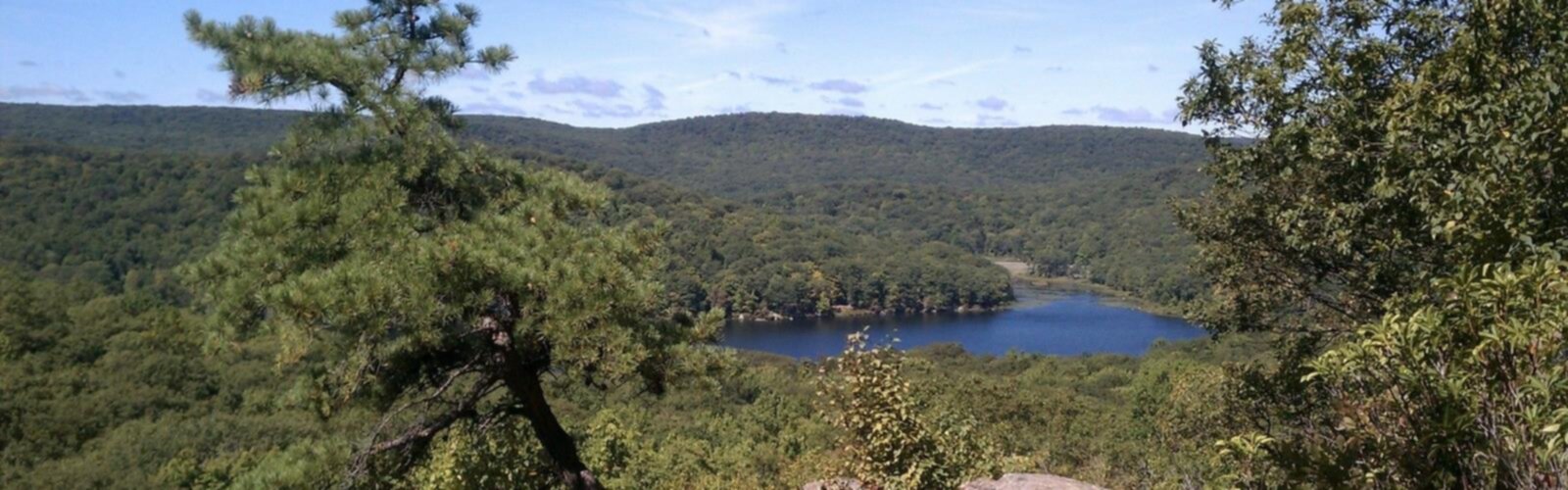
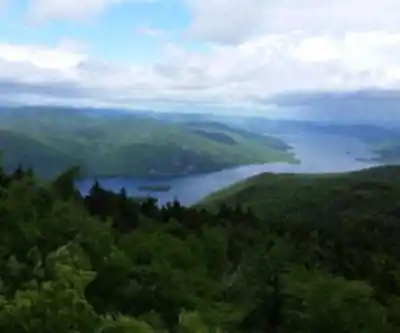
The summit delivers panoramic vistas that justify every step of the climb. Lake George stretches out below in all its glacial splendor, while the surrounding Adirondack peaks create layered ridgelines extending to the horizon. On exceptionally clear days, the view expands dramatically to include Vermont's Green Mountains to the east and New Hampshire's White Mountains to the southeast, creating a vista that encompasses three states from this single vantage point.
The summit area provides multiple viewpoints, allowing hikers to find the perfect spot for photography or simply taking in the scenery. The open rock faces catch morning light beautifully, making early starts particularly rewarding for photographers. During peak foliage season, the view transforms into a tapestry of reds, oranges, and yellows that exemplifies why the Adirondacks draw leaf-peepers from across the Northeast.
Natural Environment and Wildlife
The Adirondacks' renowned biodiversity shows itself throughout the Black Mountain hike. Spring hikers will discover native wildflowers including trillium and lady slippers blooming along the forest floor, while summer brings a full display of ferns and woodland plants that thrive in the dappled forest light. The changing seasons each offer distinct botanical experiences, from spring ephemeral flowers to summer's lush growth to autumn's spectacular foliage display.
Birdwatchers should keep binoculars handy for spotting various warbler species during migration periods, while hawks and other raptors frequently soar above the summit area, taking advantage of thermals rising from the valleys below. The diverse forest habitats support typical Adirondack wildlife, though most animals remain well-hidden during daylight hiking hours.
The trail passes through several distinct ecological zones, each adapted to different elevation and moisture conditions. Lower sections feature rich deciduous forests with maple, birch, and beech, while higher elevations transition toward more boreal species including spruce and fir. This elevation-driven habitat change provides hikers with a compressed tour of northeastern forest ecosystems.
Seasonal Considerations and Planning
Black Mountain offers rewarding hiking experiences throughout the hiking season, though each period brings distinct conditions and attractions. Summer provides the most stable weather and longest daylight hours, making it ideal for leisurely summit breaks and extended photography sessions. The lush green canopy offers excellent shade during the ascent, though hikers should prepare for potentially warm conditions on exposed summit areas.
Fall transforms the entire hiking experience as the deciduous forests explode in color. Peak foliage typically occurs in late September to early October, drawing larger crowds but delivering unmatched scenic rewards. The cooler temperatures make for comfortable hiking, though weather can change rapidly as autumn progresses.
Before heading out, check current weather conditions and trail reports, as Adirondack weather can shift quickly, particularly at higher elevations. Pack essential items including adequate water, energy snacks, and layers appropriate for changing conditions. The summit area offers little shelter, so weather protection becomes crucial during uncertain conditions.
Extended Exploration Options
The Black Mountain area serves as an excellent base for exploring other Adirondack attractions. Lake George Village and Whitehall provide additional cultural experiences and scenic beauty for those with extra time. The region's network of hiking trails, historic sites, and natural attractions can easily fill a long weekend or week-long vacation.
The combination of accessible hiking, spectacular views, and proximity to other attractions makes Black Mountain an ideal introduction to Adirondack hiking for those new to the region, while still providing enough challenge and scenic reward to satisfy experienced hikers looking for a solid day hike in one of New York's most beautiful natural landscapes.
The Essential Hiking Checklist
Everything you need for your next hike. Bilingual, printable, 1 page.
Get your free hiking checklistRecommended gear for this trail
As an Amazon Associate I earn from qualifying purchases.


Ready to go?
Everything you need to know before you goStarting Point
To access the hiking trails, head to the primary trailhead located at the end of Pike Brook Road. From Route 22 in Clemons, turn onto County Route 6 (Sly Pond Road) and follow it for about 3.5 miles before turning left onto Pike Brook Road. Continue for approximately 2 miles until you reach the parking area at the road's end. This is the main access point for hikers.
When?
How much?
As an Amazon Associate I earn from qualifying purchases.
Affiliate links — LGPO may earn a commission at no extra cost to you.
- Hiking shoes Essential
- → Salomon Elixir Tour Mid WP · 203.38 $
- Layered clothing Essential
- Rain jacket Essential
- Trekking poles
- → Black Diamond Trail Ergo Cork · 69.99 $
- Headlamp
- → Petzl Actik Core 625 · 103.95 $
FAQ - Frequently asked questions
Everything you need to knowSimilar hikes nearby
Discover other trails you might enjoy

Algonquin Peak, New York
Adirondacks

Big Slide Mountain, New York
Adirondacks

Boundary Peak, New York
Adirondacks
Crane Mountain
Adirondacks
Avalanche Pass
Adirondacks
Ampersand Mountain, New York
Adirondacks
Hiking near Saratoga Springs
0 trails to explore ~62 km away
We work hard to provide the most up-to-date and error-free data possible. If something seems incorrect, let us know! Your contribution helps the whole community.
Hikers' opinions
Be the first to review!
No hiker has shared their experience yet. Share your impressions and help other hikers!