
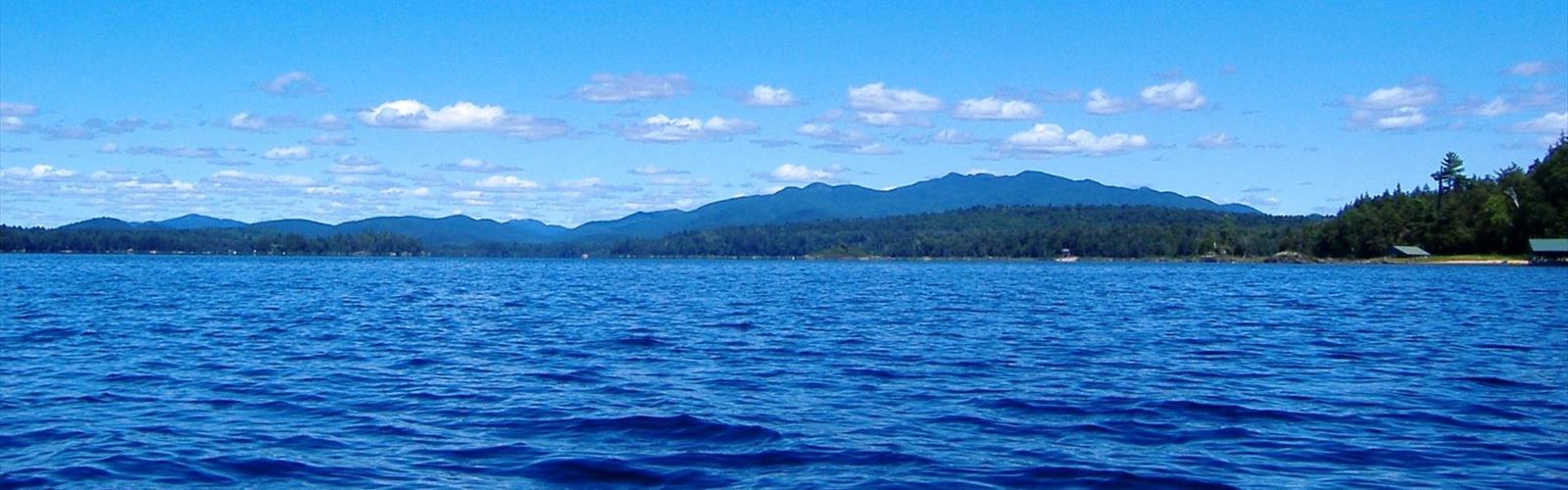
Ready to explore Cold River? Here's everything you need to know before you go!
Discover the trail
Oh no! We don't have any photos 😢
This trail hasn't been captured yet. Be the first to share your adventure!Trail description
Description
The Cold River region in New York's Adirondack Park offers hikers a genuine wilderness experience along one of the area's most pristine waterways. This 12-kilometer trail winds through dense forests and alongside the river's banks, gaining 300 meters of elevation over 6 to 8 hours of hiking. The route provides an authentic taste of the Adirondacks' backcountry character, where the sound of flowing water accompanies you through stretches of old-growth forest and open meadows.
What sets Cold River apart from other Adirondack destinations is its relative remoteness and the quality of its riparian ecosystem. The trail follows sections of the famous Northville-Placid Trail, a 130-mile route that cuts through the heart of the wilderness. Along the Cold River portions, you'll encounter a landscape shaped by centuries of natural processes, where massive hemlocks and white pines create cathedral-like groves above the water.
Trail Experience and Terrain
The Cold River trail takes you through varied terrain that showcases the Adirondacks' diverse ecosystems. Early sections wind through mixed hardwood forests where maple, birch, and beech create a canopy that transforms dramatically with the seasons. As you progress, the path brings you closer to the river itself, where the terrain opens up into marshy areas and beaver meadows that offer excellent wildlife viewing opportunities.
The moderate elevation gain is distributed throughout the hike, with gentle climbs that reward you with elevated views of the surrounding wilderness. Rocky outcrops provide natural rest stops where you can observe the river's meanders through the valley below. The trail surface varies from well-packed earth to rocky sections near stream crossings, requiring standard hiking boots for good traction.
River crossings add an element of adventure to the hike, particularly during spring snowmelt or after heavy rains when water levels rise. These crossings are manageable for most hikers but require attention to foot placement and potentially some rock-hopping skills.
Wildlife and Natural Features
The Cold River corridor supports an impressive array of Adirondack wildlife. Deer are commonly spotted in the early morning and evening hours, often coming to the river's edge to drink. Foxes hunt in the meadow areas, while black bears occasionally appear along the trail—though encounters are rare, proper food storage remains essential.
Birdwatchers will find the area particularly rewarding. Bald eagles soar overhead and sometimes perch in the tall pines near the water. The haunting calls of loons echo across quieter pools in the river, while various songbird species inhabit the forest understory. Great blue herons are frequently seen fishing in the shallows, standing motionless until striking at unsuspecting fish.
The river itself changes character throughout your hike. Some sections flow quietly through deep pools perfect for reflection, while others tumble over rocky ledges creating small waterfalls and rapids. These varied water features support different aquatic ecosystems and provide natural focal points for rest breaks.
Camping and Extended Stays
Designated camping areas along the riverbanks allow for multi-day adventures in this wilderness setting. These sites follow Adirondack Park guidelines, positioned away from the water's edge to protect the riparian environment while still allowing campers to fall asleep to the sound of flowing water. The camping experience here feels genuinely remote, with minimal evidence of human presence once you've left the main trail access points.
Established fire rings at camping areas provide opportunities for evening campfires, though campers must follow current fire regulations and bring their own firewood from approved sources. The night sky in this area offers excellent stargazing opportunities due to minimal light pollution.
Historical Context and Nearby Attractions
The Cold River region carries historical significance through its connection to early Adirondack explorers and guides, including figures like Robert Earl Jones and Fred G. Sullivan who helped map and explore these wilderness areas. Their legacy lives on in the well-established trail system that allows modern hikers to experience the same pristine landscapes they encountered.
Basin Pond, located nearby, provides an additional destination for those looking to extend their wilderness experience. This serene body of water offers fishing opportunities during warmer months and serves as an excellent spot for quiet reflection. The pond's setting among surrounding peaks creates a classic Adirondack scene that photographers and nature lovers particularly appreciate.
Seasonal Considerations and Activities
Each season transforms the Cold River experience dramatically. Summer brings lush green forests and the full symphony of bird songs, while fall creates a spectacular display of changing leaves reflected in the river's surface. Winter opens up opportunities for snowshoeing and cross-country skiing, though the remote nature of the area requires advanced winter camping skills for overnight stays.
Spring hiking can be challenging due to mud season and higher water levels, but it also offers the reward of seeing the forest come alive after winter's dormancy. Wildflowers bloom in the meadow areas, and migrating birds return to establish territories along the river corridor.
For those willing to venture further, the surrounding region connects to additional wilderness areas. Fryeburg in Maine provides access to different mountain ecosystems, while the broader Adirondack Park offers countless opportunities for extended backcountry exploration.
Practical Preparation
Success on the Cold River trail requires standard backpacking preparation with attention to the area's wilderness character. Bring plenty of water and snacks, as no facilities exist along the route. A water filtration system allows you to safely use river water for drinking and cooking. Appropriate gear includes sturdy hiking boots, layers for changing weather conditions, and rain protection.
Following Leave No Trace principles becomes particularly important in this pristine environment. Pack out all trash, camp only in designated areas, and maintain proper distances from wildlife. The area's beauty depends on each visitor's commitment to preserving its natural character for future generations of hikers and outdoor enthusiasts.
Ready to go?
Everything you need to know before you goStarting Point
The best way to get to the start of the trails at the cold river is to drive to the town of cold river and park in the lot near the bridge.
When?
How much?
- Hiking shoes Essential
- Layered clothing Essential
- Rain jacket Essential
- Trekking poles
- Headlamp
FAQ - Frequently asked questions
Everything you need to knowThe Essential Hiking Checklist
Everything you need for your next hike. Bilingual, printable, 1 page.
Download the free checklistSimilar hikes nearby
Discover other trails you might enjoy
Algonquin Peak, New York
Adirondacks
Big Slide Mountain, New York
Adirondacks
Boundary Peak, New York
Adirondacks
Crane Mountain
Adirondacks
Avalanche Pass
Adirondacks
Ampersand Mountain, New York
Adirondacks
Hiking near Lake Placid
0 trails to explore ~34 km away
We work hard to provide the most up-to-date and error-free data possible. If something seems incorrect, let us know! Your contribution helps the whole community.
Hikers' opinions