
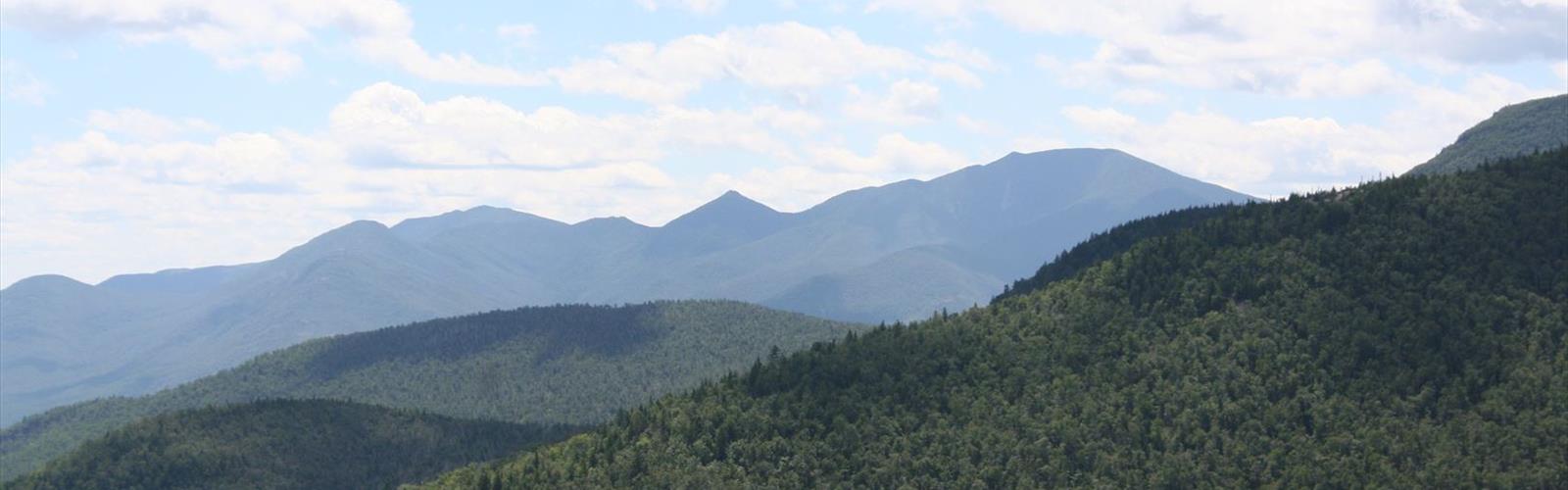

Ready to explore Deer Mountain? Here's everything you need to know before you go!
Discover the trail

Trail description
Deer Mountain rises within the vast Adirondack Park, offering hikers a moderately challenging climb through some of New York's most pristine wilderness. This peak delivers the classic Adirondack experience: dense forests, diverse wildlife, and sweeping views across the region's characteristic landscape of rolling hills and pristine lakes.
The mountain earns its name honestly—white-tailed deer are commonly spotted along the trail, especially during early morning and late afternoon hikes. You'll also have good chances of seeing red foxes and numerous bird species that thrive in this protected ecosystem. The wildlife viewing opportunities make this trail particularly rewarding for nature photographers and families introducing children to wilderness hiking.
The Trail Experience
Well-marked paths guide you through distinct forest zones as you gain elevation. The lower sections wind through mixed hardwood forests where maple, birch, and oak create a dense canopy overhead. As you climb higher, towering pines begin to dominate, their straight trunks creating cathedral-like corridors along the trail.
The moderate difficulty rating makes this hike accessible to most people with basic fitness levels, while still providing enough elevation gain to feel like a genuine mountain experience. Expect your heart rate to climb steadily as the trail ascends, but the well-graded path avoids any technical scrambling or dangerous exposure.
As you near the summit area, the forest opens up to reveal panoramic views that showcase why the Adirondacks remain one of the Northeast's premier hiking destinations. The vista stretches across the characteristic landscape of this ancient mountain range—rounded peaks worn smooth by millennia of weather, pristine lakes nestled in valleys, and an unbroken canopy of forest extending to the horizon.
Planning Your Hike
Allow 3 to 4 hours for the complete hike, though this timing can vary significantly based on your pace, rest stops, and how long you spend enjoying the views. The trail's moderate nature means most hikers can complete it comfortably within this timeframe, but don't rush—the diverse ecosystems and wildlife viewing opportunities deserve your attention.
Sturdy hiking footwear is essential, as Adirondack trails can be rocky and root-filled even on well-maintained paths. Bring more water than you think you'll need, especially during summer months when the forest canopy can create surprisingly warm, humid conditions. Pack energy-rich snacks to maintain your stamina throughout the climb.
Always check current weather conditions and trail reports before heading out. Adirondack weather can change rapidly, and what starts as a clear morning can develop into afternoon thunderstorms. Trail conditions can also vary seasonally, with spring bringing muddy sections and winter requiring different gear entirely.
Seasonal Considerations
Each season transforms Deer Mountain into a different hiking experience. Spring brings wildflowers carpeting the forest floor in colorful displays, though you'll also encounter muddy trail sections as winter snow melts and spring rains saturate the soil. This is an excellent time for wildlife viewing as animals become more active after winter.
Summer offers the most predictable hiking conditions, with dry trails and full forest canopy providing shade during the climb. However, this is also peak season, so expect to encounter other hikers, especially on weekends. The dense foliage can limit some views but creates an immersive forest experience.
Fall delivers the Adirondacks' famous foliage display, transforming the mixed hardwood forests into vibrant tapestries of red, orange, and yellow. This is peak season for leaf-peepers, making it both the most beautiful and most crowded time to visit. The spectacular colors more than compensate for the increased trail traffic.
Winter hiking requires snowshoes and appropriate cold-weather gear, but rewards prepared hikers with serene beauty and solitude. Snow-draped pines create a magical landscape, and the crisp air offers exceptional visibility for long-distance views. Winter wildlife tracking adds another dimension to the hiking experience.
Leave No Trace
The Adirondack Park's pristine condition depends on every visitor's commitment to responsible hiking practices. Pack out everything you bring in, including food scraps that might seem harmless but can disrupt local wildlife behavior. Stay on marked trails to prevent erosion and protect fragile vegetation.
Respect wildlife by observing from a distance and never feeding animals. The deer, foxes, and birds you encounter have adapted to this environment over thousands of years—human interference can disrupt their natural behaviors and survival strategies.
Extended Adventures
For hikers seeking to explore beyond Deer Mountain, the Adirondacks offer countless additional opportunities within easy driving distance. The region's extensive trail network connects peaks, lakes, and wilderness areas that could fill weeks of exploration.
Consider extending your outdoor adventure to other notable destinations that offer different landscapes and experiences. The Cohos Trail Association in New Hampshire's Great North Woods provides a different mountain environment, while Utah's Jordanelle Reservoir area offers high-altitude hiking with western mountain scenery.
For those willing to travel further, destinations like Modoc National Forest and Shasta Trinity National Park showcase entirely different ecosystems and geological features. Happy Corner in Pittsburg offers a charming cultural experience to complement your outdoor adventures, while the Goosenest District combines rich history with picturesque mountain scenery.
These varied destinations demonstrate how Deer Mountain can serve as either a standalone hiking destination or part of a broader exploration of America's diverse mountain landscapes, each offering unique terrain, wildlife, and scenic rewards for outdoor enthusiasts.
The Essential Hiking Checklist
Everything you need for your next hike. Bilingual, printable, 1 page.
Get your free hiking checklistRecommended gear for this trail
As an Amazon Associate I earn from qualifying purchases.


Ready to go?
Everything you need to know before you goStarting Point
The Deer Mountain trails are located in the town of Deerpark, New York. To get to the start of the trails, take exit 16 from Route 17 and head east on Route 284. The trailhead will be on your left after about 2.5 miles.
When?
How much?
As an Amazon Associate I earn from qualifying purchases.
Affiliate links — LGPO may earn a commission at no extra cost to you.
- Hiking shoes Essential
- → Salomon Elixir Tour Mid WP · 203.38 $
- Layered clothing Essential
- Rain jacket Essential
- Trekking poles
- → Black Diamond Trail Ergo Cork · 69.99 $
- Headlamp
- → Petzl Actik Core 625 · 103.95 $
FAQ - Frequently asked questions
Everything you need to knowSimilar hikes nearby
Discover other trails you might enjoy

Algonquin Peak, New York
Adirondacks

Big Slide Mountain, New York
Adirondacks

Boundary Peak, New York
Adirondacks
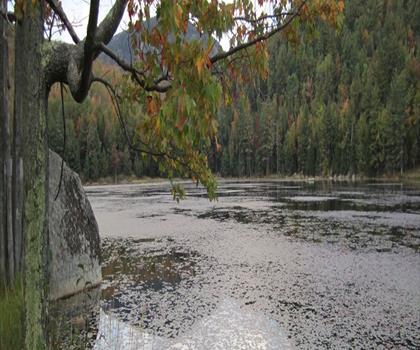
Crane Mountain
Adirondacks
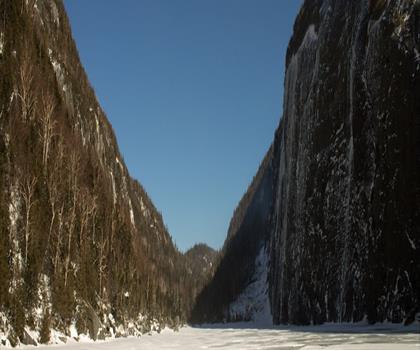
Avalanche Pass
Adirondacks
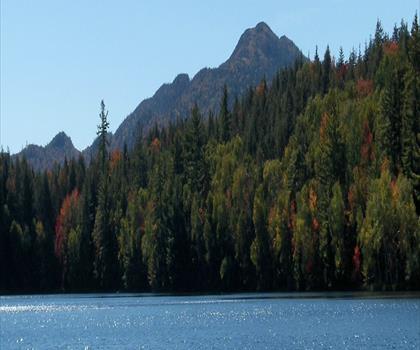
Ampersand Mountain, New York
Adirondacks
Hiking near Lake Placid
0 trails to explore ~29 km away
We work hard to provide the most up-to-date and error-free data possible. If something seems incorrect, let us know! Your contribution helps the whole community.
Hikers' opinions
Be the first to review!
No hiker has shared their experience yet. Share your impressions and help other hikers!