

Ready to explore Dix Mountain Wilderness? Here's everything you need to know before you go!
Discover the trail
Trail description
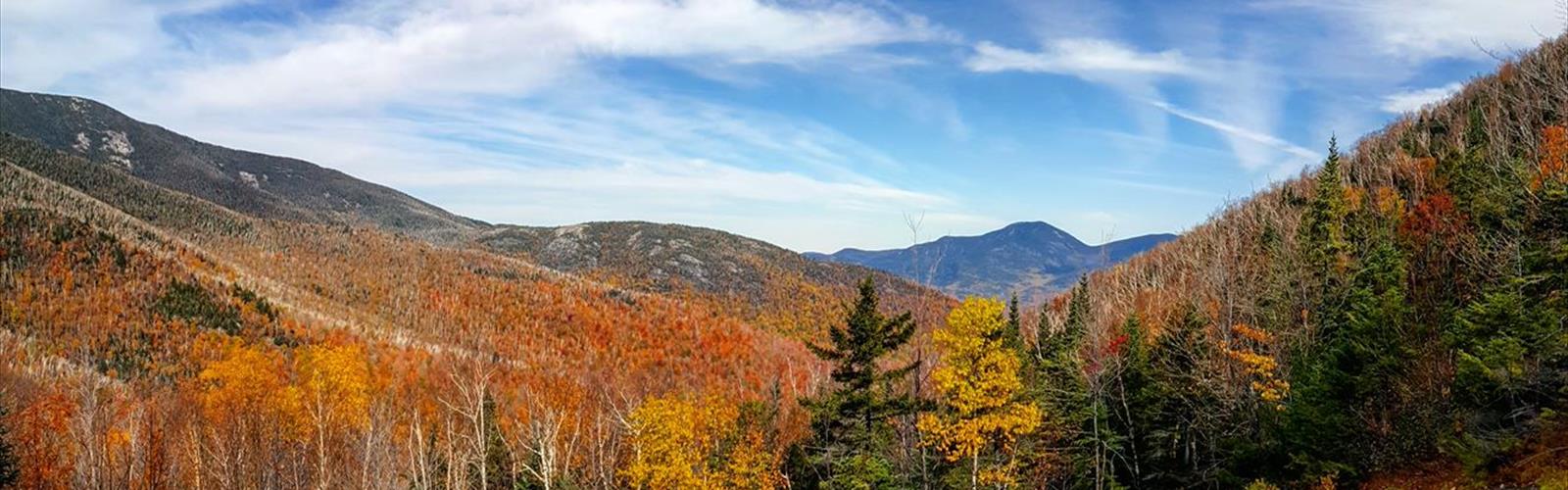
The Dix Mountain Wilderness is one of the most rugged and rewarding backcountry destinations in the Adirondacks. Located in New York's Adirondack Park, this wilderness area draws experienced hikers looking for genuine challenge, serious elevation, and the kind of solitude that's getting harder to find in the Northeast. If you're after a well-groomed trail with signage every hundred feet, this isn't your place. But if you want raw Adirondack terrain with sweeping high-peak views and a real sense of accomplishment, Dix Mountain Wilderness delivers.
What Makes This Wilderness Area Stand Out
The Dix Mountain Wilderness sits within the larger Adirondack High Peaks region, but it has a character all its own. It's less trafficked than the more famous High Peaks Wilderness to the north, which means you're more likely to find quiet on the trail — even on summer weekends. The wilderness encompasses several of the Adirondack 46 High Peaks, making it a significant destination for peak-baggers working through that classic list. The terrain is steep, the trails are often rough and wet, and the rewards are proportional to the effort.
The centerpiece is Dix Mountain itself, one of the taller summits in the Adirondacks. The open rocky summit offers panoramic views across the High Peaks, and on a clear day the landscape stretches in every direction without obstruction. Getting there requires real commitment — the approaches are long and the elevation gain is substantial — but that's exactly what keeps this area feeling wild.
The Terrain
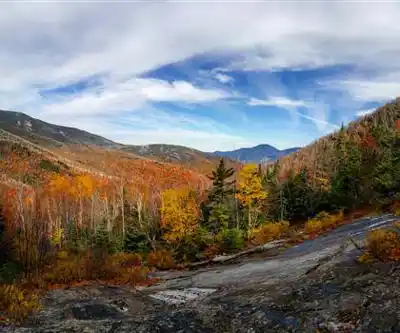
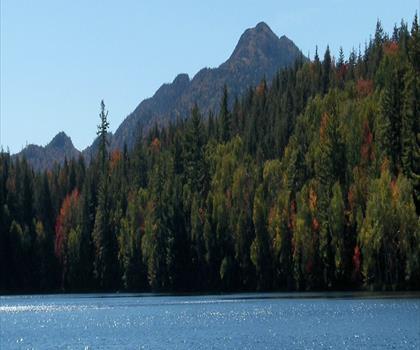
Expect classic Adirondack conditions throughout: rooted and rocky trails, stream crossings that can be tricky in high water, and sections of steep scrambling near the upper elevations. The lower portions of most routes pass through dense northern hardwood and mixed conifer forest. As you gain elevation, the trees give way to boreal spruce-fir forest, and near the summits you'll encounter open rock and, in some spots, fragile alpine vegetation. Staying on the rock and avoiding the vegetation in these exposed zones is important — the alpine ecosystem here is slow to recover from foot traffic.
Wet conditions are common throughout the season. Many trails in the Dix Mountain Wilderness cross boggy sections and seasonal streams, so waterproof footwear is a practical choice rather than an optional upgrade. Trail conditions can vary significantly depending on recent weather, and spring snowmelt can keep some routes muddy and difficult well into June.
Peaks and Routes
The Dix Mountain Wilderness includes multiple High Peaks, and there are several different approaches depending on which summit or combination of peaks you're targeting. Some hikers come in from the Elk Lake trailhead, which provides access to Dix Mountain and several neighboring summits. Others approach from the north via routes that connect into the broader High Peaks trail network. Multi-peak days are possible for strong hikers, and some routes can be linked together for longer traverses, though these require careful planning and an early start.
Because the wilderness area covers significant terrain with multiple access points, it's worth spending time with a detailed map before you go. The New York State Department of Environmental Conservation (DEC) manages this land, and their trail maps are a reliable starting point. The Adirondack Mountain Club (ADK) also publishes detailed guidebooks and maps specifically for the High Peaks region that cover the Dix Mountain Wilderness thoroughly.
Wildlife and Natural Environment
The Dix Mountain Wilderness supports the full range of Adirondack wildlife. Black bears are present throughout the area, and proper food storage is required — hang your food or use a bear canister if you're camping overnight. Loons, white-tailed deer, and various raptor species are commonly encountered. The forest is predominantly northern hardwood at lower elevations transitioning to boreal species higher up, with the characteristic mix of yellow birch, sugar maple, red spruce, and balsam fir that defines the Adirondack backcountry.
Camping and Overnight Use
Backcountry camping is permitted in the Dix Mountain Wilderness following New York State DEC regulations. Camping is allowed at designated sites and at dispersed locations that meet the required setback distances from trails, water sources, and summits. Above a certain elevation, camping is restricted to protect the fragile high-elevation ecosystem — check current DEC guidelines before planning an overnight trip, as these rules are actively enforced. Campfires are subject to restrictions as well, and a camp stove is the more practical and responsible option for most backcountry cooking here.
There are lean-tos available in parts of the broader area, though availability varies by route. Overnight trips allow you to spread the mileage across multiple days and access the more remote summits without the pressure of a single long day hike.
Practical Information
- Experience level: This wilderness area is best suited to hikers with solid backcountry experience. Navigation skills, proper gear, and physical fitness are all important given the length and difficulty of most routes.
- Footwear: Waterproof hiking boots with good ankle support are strongly recommended given the rocky, rooted, and often wet trail conditions.
- Navigation: Carry a paper map and compass in addition to any digital tools. Cell service is unreliable throughout the wilderness area.
- Leave No Trace: Pack out all waste, stay on established trails especially near summits, and follow all DEC regulations for camping and campfires.
- Permits and fees: As of current information, there is no fee to access the Dix Mountain Wilderness, though regulations around camping and group size apply. Check the DEC website for the most current requirements before your trip.
- Dogs: Dogs are permitted but must be under control at all times. Given the rugged terrain, consider whether your dog has the fitness and paw durability for this kind of route.
- Season: The trails are accessible from late spring through fall for most hikers. Winter travel is possible but requires mountaineering experience and appropriate gear. Black fly season in late May and early June can be intense.
Getting There
Access to the Dix Mountain Wilderness depends on which trailhead you're using. The Elk Lake trailhead is one of the primary entry points and requires a fee for parking at the private Elk Lake Lodge road — confirm current access arrangements before your trip. Other access points connect from Route 73 and surrounding roads in the Keene Valley and Elizabethtown areas. Trailhead parking can fill up on busy summer weekends, so an early start is both a logistical and a safety advantage.
The Dix Mountain Wilderness is the kind of place that asks something real of you — and gives back in equal measure.
The Essential Hiking Checklist
Everything you need for your next hike. Bilingual, printable, 1 page.
Get your free hiking checklistRecommended gear for this trail
As an Amazon Associate I earn from qualifying purchases.


Ready to go?
Everything you need to know before you goStarting Point
The easiest way to get to the start of the trails at the dix mountain wilderness is to drive to Keene Valley and take the Adirondack Loj Road.
When?
How much?
As an Amazon Associate I earn from qualifying purchases.
Affiliate links — LGPO may earn a commission at no extra cost to you.
- Hiking shoes Essential
- → Salomon Elixir Tour Mid WP · 203.38 $
- Layered clothing Essential
- Rain jacket Essential
- Trekking poles
- → Black Diamond Trail Ergo Cork · 69.99 $
- Headlamp
- → Petzl Actik Core 625 · 103.95 $
FAQ - Frequently asked questions
Everything you need to knowSimilar hikes nearby
Discover other trails you might enjoy

Algonquin Peak, New York
Adirondacks

Big Slide Mountain, New York
Adirondacks

Boundary Peak, New York
Adirondacks
Crane Mountain
Adirondacks
Avalanche Pass
Adirondacks
Ampersand Mountain, New York
Adirondacks
Hiking near Lake Placid
0 trails to explore ~30 km away
We work hard to provide the most up-to-date and error-free data possible. If something seems incorrect, let us know! Your contribution helps the whole community.
Hikers' opinions
Be the first to review!
No hiker has shared their experience yet. Share your impressions and help other hikers!