
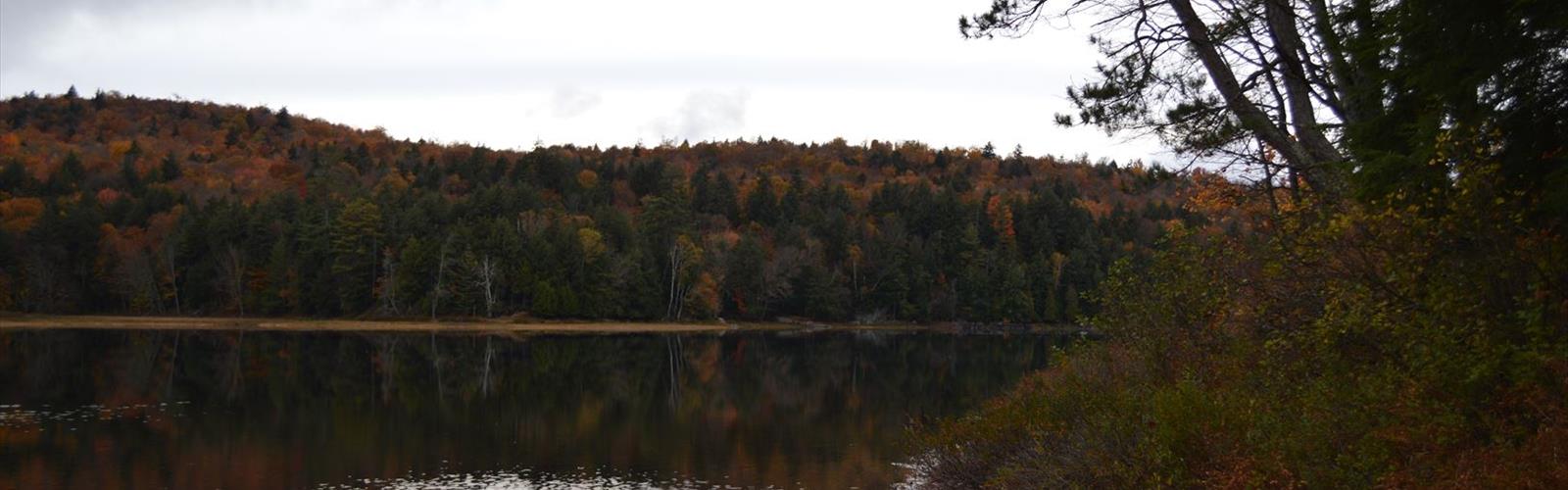

Ready to explore Forked Lake Campground? Here's everything you need to know before you go!
Discover the trail
Trail description
Forked Lake Campground sits in the central Adirondacks, offering one of the region's most authentic wilderness camping experiences. Unlike typical roadside campgrounds, this remote destination requires some effort to reach, which keeps crowds thin and preserves the pristine character that makes the Adirondacks special. The campground serves as both a peaceful retreat and a strategic base camp for exploring the surrounding wilderness areas through an extensive network of hiking trails.
Located within easy reach of Tupper Lake and Fourth Lake, the campground occupies a prime spot in Hamilton County where dense forests meet crystal-clear waters. The setting feels genuinely wild—towering white pines and hemlocks create a natural canopy, while the lake's irregular shoreline offers countless quiet coves and scenic viewpoints. This is the kind of place where you'll hear loons calling at dawn and see deer coming down to drink at dusk.
Trail Network and Hiking Opportunities
The hiking around Forked Lake Campground centers on a well-maintained 6.4-kilometer trail system that showcases the best of Adirondack wilderness. With only 30 meters of elevation gain, these trails offer an easy hiking experience that takes approximately 1 hour and 45 minutes to complete, making them perfect for families, beginners, or anyone looking for a relaxing walk through pristine forest.
The trail network connects seamlessly to the renowned Northville-Placid Trail, a 133-mile route that ranks among the Northeast's premier long-distance hiking experiences. Even if you're not tackling the full trail, sections of the NPT offer excellent day hiking opportunities that extend well beyond the campground's immediate trail system. The nearby Sargent Ponds Wild Forest expands your options significantly, with trails winding through classic Adirondack terrain—mixed hardwood and conifer forests, beaver ponds, rocky outcrops, and occasional glimpses of distant peaks.
Trail conditions here reflect the Adirondack norm: expect some muddy sections in spring and after heavy rains, occasional blowdown across paths, and rocky footing in many areas. The terrain isn't technically difficult, but it requires attention and proper footwear. Most trails follow old logging roads or traditional routes, so navigation stays straightforward with basic map and compass skills.
Campground Layout and Access
The campground features 80 individual campsites, but don't expect the typical car-camping setup. Many sites are accessible only by boat or on foot, which means you'll need to plan your gear carefully and embrace a more minimalist approach. This boat-in and hike-in access system is what keeps Forked Lake feeling remote and peaceful, even during busy summer weekends.
Sites along the lake's edge offer direct water access and stunning sunrise views, while those tucked back in the forest provide more shelter and privacy. Each campsite maintains generous spacing from neighbors, so you won't feel crowded even when the campground is full. The terrain varies from level lakefront spots to slightly elevated sites that offer better drainage during wet weather.
Hiking Experience and Terrain
The main trail system around Forked Lake takes you through diverse Adirondack ecosystems without demanding technical hiking skills. You'll start on relatively flat terrain near the lake, where the path winds between massive white pines and offers frequent glimpses of the water through the trees. The forest floor here stays relatively open, with ferns and wildflowers creating a classic northeastern woodland understory.
As you move inland, the trail character shifts to denser mixed forest where maple, birch, and beech trees dominate. This section can be particularly stunning during fall foliage season, though the easy grade means you can focus on the scenery rather than watching your footing constantly. Small streams cross the trail in several places, usually via simple log bridges or rock hops that add interest without creating obstacles.
The minimal elevation gain means the hiking feels more like an extended nature walk than a challenging mountain trek. This makes it ideal for introducing kids to wilderness hiking or for days when you want to cover ground without working too hard. The trail surface varies from packed earth to occasional rocky sections, but nothing that requires scrambling or special techniques.
Water Activities and Lake Access
Forked Lake itself provides excellent opportunities for paddling and fishing. The lake's size and shape create interesting paddling routes—you can explore quiet bays, follow the shoreline for miles, or venture into connecting waterways. Canoes and kayaks handle the typically calm waters easily, though afternoon winds can pick up and create choppy conditions.
Fishing enthusiasts will find both warm-water and cold-water species. Bass fishing can be productive around fallen trees and rocky areas, while trout fishing tends to be better in deeper sections and during cooler parts of the day. The clear water means fish can be spooky, so stealth and patience often matter more than fancy equipment.
Facilities and Practical Considerations
The campground maintains essential facilities while preserving its wilderness character. Clean restrooms, picnic tables, and fire pits at each site cover the basics. Fire pits are properly constructed and positioned, though you'll need to bring or gather your own firewood. Picnic areas provide options for group meals and socializing away from individual campsites.
This is definitely a self-sufficiency situation—no camp store, no equipment rentals, no on-site services. Plan to bring everything you need, from food and water to first aid supplies and repair materials. The nearest towns with full services are a significant drive away, so forgotten essentials can't be easily replaced.
Cell phone coverage is spotty to nonexistent at the campground itself, though you may pick up signals in nearby towns. This connectivity gap is part of the appeal for many visitors, but it does mean you need to plan accordingly and inform others of your itinerary. Weather can change quickly in the Adirondacks, so pack layers and rain gear regardless of the forecast, and bring insect repellent during warm months when black flies and mosquitoes can be intense.
The Essential Hiking Checklist
Everything you need for your next hike. Bilingual, printable, 1 page.
Get your free hiking checklistRecommended gear for this trail
As an Amazon Associate I earn from qualifying purchases.


Ready to go?
Everything you need to know before you goStarting Point
To access the hiking trails, head to forked lake campground. The main trailhead is located at 381 Forked Lake Campsite Lane, Long Lake, NY 12847. From Long Lake, take Route 30 south for about 5 miles and then turn right onto North Point Road. Continue for approximately 4 miles until you reach the campground entrance. Parking is available near the trailhead.
When?
How much?
As an Amazon Associate I earn from qualifying purchases.
Affiliate links — LGPO may earn a commission at no extra cost to you.
- Hiking shoes Essential
- → Salomon Elixir Tour Mid WP · 203.38 $
- Layered clothing Essential
- Rain jacket Essential
- Trekking poles
- → Black Diamond Trail Ergo Cork · 69.99 $
- Headlamp
- → Petzl Actik Core 625 · 103.95 $
FAQ - Frequently asked questions
Everything you need to knowSimilar hikes nearby
Discover other trails you might enjoy

Algonquin Peak, New York
Adirondacks

Big Slide Mountain, New York
Adirondacks

Boundary Peak, New York
Adirondacks
Crane Mountain
Adirondacks
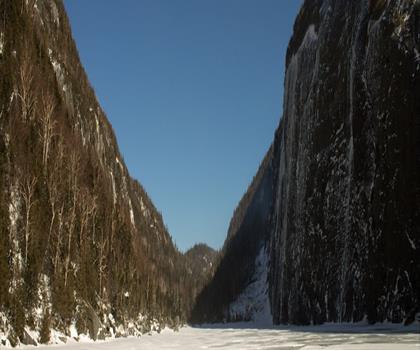
Avalanche Pass
Adirondacks
Ampersand Mountain, New York
Adirondacks
Hiking near Lake Placid
0 trails to explore ~60 km away
We work hard to provide the most up-to-date and error-free data possible. If something seems incorrect, let us know! Your contribution helps the whole community.
Hikers' opinions
Be the first to review!
No hiker has shared their experience yet. Share your impressions and help other hikers!