
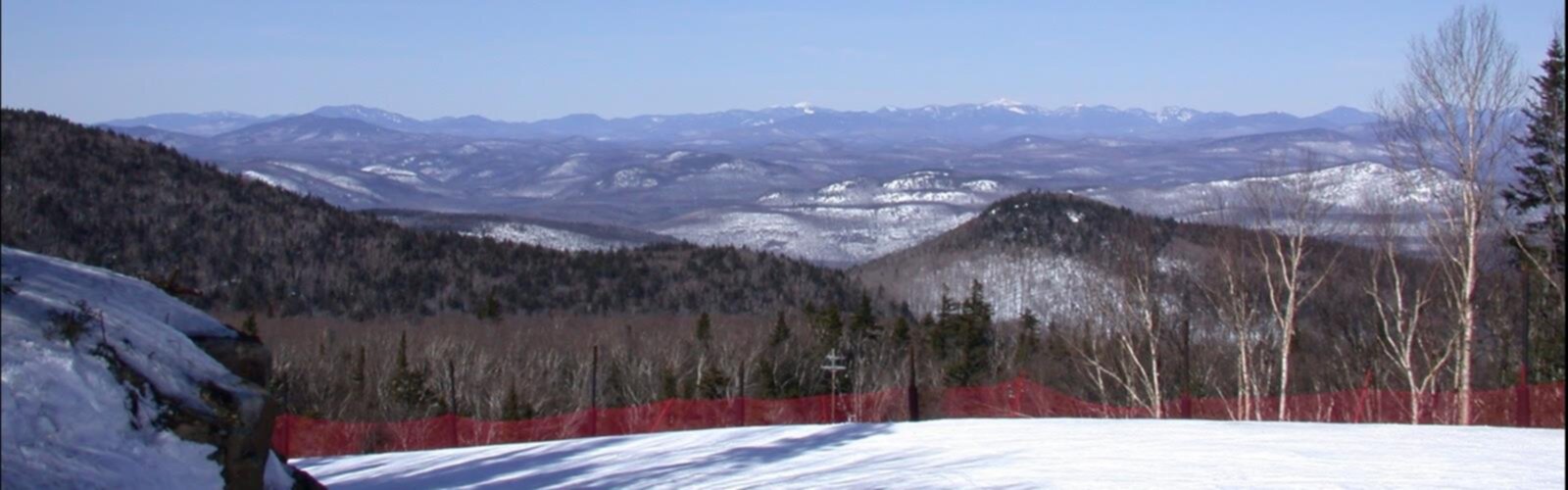

Ready to explore Gore Mountain, New York? Here's everything you need to know before you go!
Discover the trail
Trail description
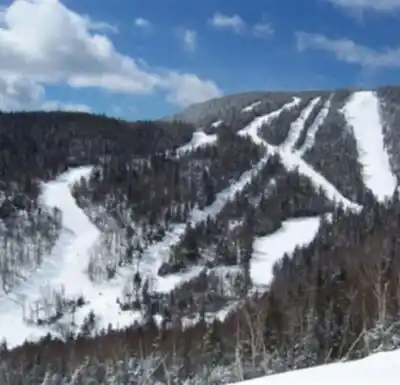
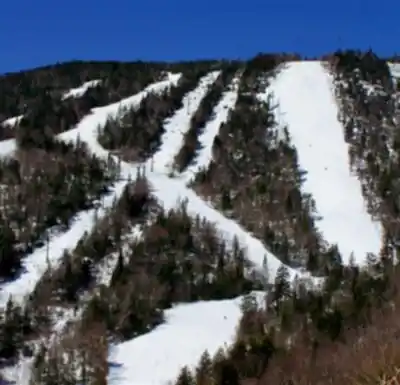
Gore Mountain sits in the heart of the Adirondack Mountains, offering hikers a solid mix of terrain and views that showcase what makes this region special. The mountain's trail system spans 16.25 kilometers with 1,086 meters of elevation gain, typically taking 4 to 6 hours to complete depending on your route and pace. What sets Gore apart is its variety—you can choose from gentle forest walks to demanding summit climbs, all within the same trail network.
The mountain's well-marked trails wind through dense hardwood and conifer forests, cross babbling streams, and climb to exposed ridgelines where the Adirondack peaks stretch out in every direction. The terrain shifts as you gain elevation, starting in rich valley forests filled with maple, birch, and hemlock, then transitioning to more rugged slopes with granite outcroppings and stunted mountain vegetation near the higher elevations.
Trail Options and Terrain
Gore Mountain's trail system caters to different hiking preferences and abilities. The Bear Cub Run and Rabbit Run trails provide excellent entry points for newer hikers or those wanting a more relaxed experience. These paths stay in the lower elevations, following gentle grades through mature forest where the canopy filters sunlight into dappled patterns on the forest floor. You'll cross several small streams and might spot chipmunks, squirrels, and various songbirds along these routes.
The Oak Ridge Trail steps up the challenge with moderate terrain that rewards your effort with increasingly good views as you climb. This trail showcases Gore's diverse ecosystem—you'll hike through mixed hardwood forests, pass rocky ledges, and encounter the mountain's unique flora and fauna. The trail's middle sections offer glimpses of the surrounding peaks through breaks in the trees, building anticipation for the views ahead.
For experienced hikers ready for a real workout, the Schaefer Trail provides the most direct and demanding route to Gore's summit. This trail doesn't mess around—it climbs steadily through varied terrain, from forest paths to rocky scrambles. The upper sections require careful footing as you navigate granite slabs and loose rock. The payoff comes at the summit, where panoramic views stretch across the Adirondack wilderness, revealing layer upon layer of forested peaks fading into the distance.
Wildlife and Natural Features
Gore Mountain supports a healthy population of Adirondack wildlife that hikers encounter regularly. White-tailed deer browse in the forest clearings, especially during early morning and evening hours. Red and gray foxes hunt along the trail edges, though they typically disappear quickly when they detect human presence. The bird life is particularly rich—listen for the calls of pileated woodpeckers, the haunting notes of hermit thrushes, and the chatter of red squirrels defending their territory.
The mountain's streams and wet areas attract different species throughout the hiking season. Frogs and salamanders thrive in the moist environments, while various butterflies and insects create a busy ecosystem that supports the area's bird populations. Patient observers might spot hawks soaring above the ridgelines or catch glimpses of smaller raptors hunting through the forest.
Seasonal Considerations
Each season transforms Gore Mountain's character and hiking experience. Spring brings rushing streams swollen with snowmelt and the emergence of wildflowers like trillium, bloodroot, and wild leeks carpeting the forest floor. The trees leaf out gradually, creating a fresh green canopy that grows denser as the season progresses.
Summer offers the most stable hiking conditions with dry trails and full foliage providing shade during the climb. The streams settle into their normal flow patterns, creating pleasant water sounds throughout your hike. This season provides the clearest summit views, though afternoon thunderstorms can develop quickly in the mountains.
Fall transforms Gore Mountain into one of the Adirondacks' premier foliage destinations. The hardwood forests explode in reds, oranges, and yellows, while the evergreens provide deep green contrast. The crisp air and clear skies of autumn often produce the year's best visibility from the summit.
Winter hiking requires proper equipment and experience, but rewards prepared hikers with serene snow-covered landscapes and views across a white wilderness. The trails become more challenging with snow and ice, and weather conditions can change rapidly.
Access and Logistics
Gore Mountain's location near North Creek makes it easily accessible for both day trips and longer stays. The proximity to this small Adirondack town means you can grab supplies, meals, or lodging without traveling far from the trailhead. North Creek itself offers several dining options and accommodations ranging from rustic lodges to more comfortable inns.
The area around Gore Mountain provides plenty of opportunities to extend your outdoor adventure. After your hike, you can explore the local culture and history that defines this part of the Adirondacks. The region hosts various events and festivals throughout the year that celebrate the area's heritage and connection to the mountains.
For those planning multi-day adventures, the surrounding area offers additional hiking opportunities at places like Roaring Brook, which provides quieter, more secluded trails perfect for peaceful forest walks. The nearby communities of Warrensburg and Johnsburg each have their own character and serve as good bases for exploring different parts of the southern Adirondacks.
Water-based activities are also within reach—Schroon Lake and Lake George offer swimming, boating, and waterfront relaxation after a day on the mountain. These larger lakes provide a nice contrast to the mountain environment and can be particularly refreshing during hot summer hiking weather.
The Essential Hiking Checklist
Everything you need for your next hike. Bilingual, printable, 1 page.
Get your free hiking checklistRecommended gear for this trail
As an Amazon Associate I earn from qualifying purchases.


Ready to go?
Everything you need to know before you goStarting Point
The trails at gore mountain, new york in the Adirondacks can be accessed from the Gore Mountain Ski Area.
When?
How much?
As an Amazon Associate I earn from qualifying purchases.
Affiliate links — LGPO may earn a commission at no extra cost to you.
- Hiking shoes Essential
- → Salomon Elixir Tour Mid WP · 203.38 $
- Layered clothing Essential
- Rain jacket Essential
- Trekking poles
- → Black Diamond Trail Ergo Cork · 69.99 $
- Headlamp
- → Petzl Actik Core 625 · 103.95 $
FAQ - Frequently asked questions
Everything you need to knowSimilar hikes nearby
Discover other trails you might enjoy

Algonquin Peak, New York
Adirondacks

Big Slide Mountain, New York
Adirondacks

Boundary Peak, New York
Adirondacks
Crane Mountain
Adirondacks
Avalanche Pass
Adirondacks
Ampersand Mountain, New York
Adirondacks
Hiking near Lake Placid
0 trails to explore ~68 km away
We work hard to provide the most up-to-date and error-free data possible. If something seems incorrect, let us know! Your contribution helps the whole community.
Hikers' opinions
Be the first to review!
No hiker has shared their experience yet. Share your impressions and help other hikers!