


Ready to explore Lake Alice Wildlife Management Area? Here's everything you need to know before you go!
Discover the trail
Oh no! We don't have any photos 😢
This trail hasn't been captured yet. Be the first to share your adventure!Trail description
Lake Alice Wildlife Management Area covers 1,400 acres of Adirondack wilderness in northern New York, where the landscape shifts between dense hardwood forest, open wetlands, and the clear waters of Lake Alice itself. Managed by the New York State Department of Environmental Conservation, the area balances active habitat conservation with public recreation — which means you're walking through a living, working ecosystem rather than a manicured park.
The terrain rolls gently across most of the property, with 150 meters of elevation gain spread gradually enough that the climbs rarely feel demanding. At 3.2 kilometers with an estimated 1 hour and 15 minutes of hiking, the trail system is genuinely accessible — families with young children, casual walkers, and anyone looking for a quiet morning in the woods will feel right at home here. That said, the experience rewards patience more than pace. This is a place where slowing down pays off.
Trail System
Most of the trails follow old logging roads and natural wildlife corridors, which means wide, well-defined paths that stay easy to follow even when the vegetation is at its thickest. The routes near the lake edge wind through wetland areas where the footing can get soft after rain or during spring snowmelt, then climb onto drier ridges that open up views over the water and surrounding forest. Inland trails cut through mature forest where the canopy closes overhead — particularly striking in fall when the hardwoods turn.
Ridge Road connects the main trailheads and parking areas, and the road itself is worth driving slowly in the early morning when wildlife is most active. The trail network is compact enough that you can cover the main routes and still have time to linger at the better wildlife viewing spots within a comfortable half-day outing.
Wildlife and Natural Features
Lake Alice is the centerpiece of the area, and its irregular shoreline does a lot of the ecological heavy lifting. The numerous coves and shallow bays create ideal habitat for waterfowl, especially during spring and fall migrations when the lake sees its highest bird activity. Beavers maintain active lodges around the lake, and their ongoing engineering work continues to reshape the wetland edges — you'll see the evidence everywhere in the form of flooded areas, downed trees, and new pond formations.
The forest composition changes noticeably as you move through different elevations and moisture levels. Wetland margins support species adapted to periodic flooding, while the higher and drier sections feature the classic Adirondack mix of hardwoods and conifers. This creates several distinct microhabitats within a relatively compact area, which is a big part of why wildlife viewing here is so consistently productive.
White-tailed deer are common throughout the property and tend to appear in the open meadow areas during the early morning and late afternoon. The bird list covers a wide range — woodpeckers, nuthatches, and warblers in the mature forest; great blue herons and kingfishers along the water; and seasonal waterfowl moving through during migration. Binoculars are worth bringing.
Fishing
Lake Alice holds healthy populations of bass and northern pike. The underwater structure created by years of beaver activity — submerged logs, vegetation beds, and irregular bottom contours — gives both species plenty of places to hold. Shore fishing is manageable given the lake's size, but a small boat or kayak opens up access to the deeper water near drop-offs where northern pike tend to concentrate, and to the more secluded coves that shore anglers can't easily reach.
Bass fishing is most productive around the shallower vegetation beds and submerged wood. The lake sees enough fishing pressure to keep the fish reasonably wary, but it's far from crowded or overfished.
Conservation Context
The DEC actively manages the area through selective forestry and wetland enhancement projects, which means some sections may be temporarily restricted during sensitive wildlife periods. The William H. Miner Foundation supports conservation efforts in Clinton County, including work that benefits Lake Alice WMA — an example of the kind of state-private collaboration that keeps areas like this functioning as genuine wildlife habitat rather than just recreational green space.
What to Bring
- Sturdy hiking boots — the wetland trail sections can be muddy, especially in spring or after heavy rain
- Binoculars — most wildlife encounters happen at distances where the naked eye misses the detail
- Camera with zoom — the lake views and wildlife opportunities both reward it, particularly in the golden hour light around sunrise and sunset
- Lunch or snacks — the lake shore has peaceful spots that make natural stopping points for a longer visit
- Bug repellent — wetland areas mean insects, particularly in late spring and early summer
The 1,400 acres give you enough room to find genuine solitude even on busier weekends, especially if you move away from the main lake access points and onto the inland trails.
The Essential Hiking Checklist
Everything you need for your next hike. Bilingual, printable, 1 page.
Get your free hiking checklistRecommended gear for this trail
As an Amazon Associate I earn from qualifying purchases.


Ready to go?
Everything you need to know before you goStarting Point
The lake alice wildlife management area is located in the town of Wells, in Hamilton County, New York. To get there, take NY-8 north from the city of Utica. The entrance to the wildlife management area will be on the right side of the road, just past the town of Wells.
When?
How much?
As an Amazon Associate I earn from qualifying purchases.
Affiliate links — LGPO may earn a commission at no extra cost to you.
- Hiking shoes Essential
- → Salomon Elixir Tour Mid WP · 203.38 $
- Layered clothing Essential
- Rain jacket Essential
- Trekking poles
- → Black Diamond Trail Ergo Cork · 69.99 $
- Headlamp
- → Petzl Actik Core 625 · 103.95 $
FAQ - Frequently asked questions
Everything you need to knowSimilar hikes nearby
Discover other trails you might enjoy

Algonquin Peak, New York
Adirondacks

Big Slide Mountain, New York
Adirondacks

Boundary Peak, New York
Adirondacks
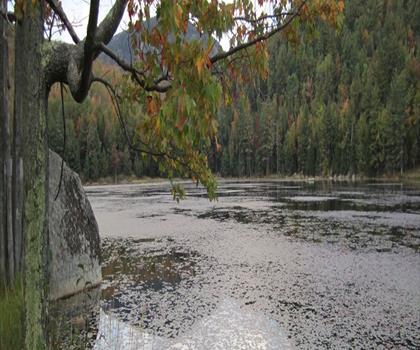
Crane Mountain
Adirondacks
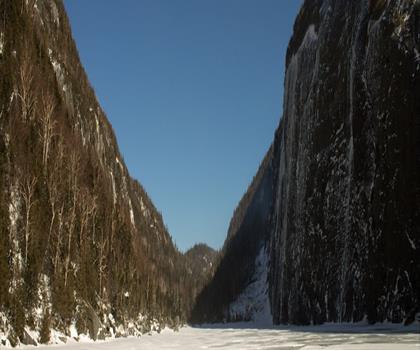
Avalanche Pass
Adirondacks
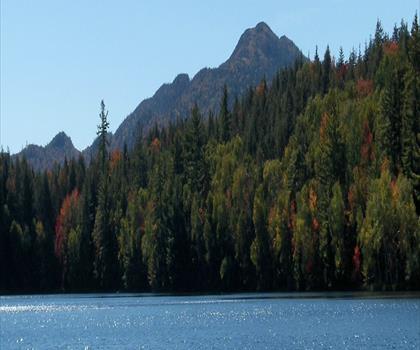
Ampersand Mountain, New York
Adirondacks
Hiking near Burlington
0 trails to explore ~49 km away
We work hard to provide the most up-to-date and error-free data possible. If something seems incorrect, let us know! Your contribution helps the whole community.
Hikers' opinions
Be the first to review!
No hiker has shared their experience yet. Share your impressions and help other hikers!