
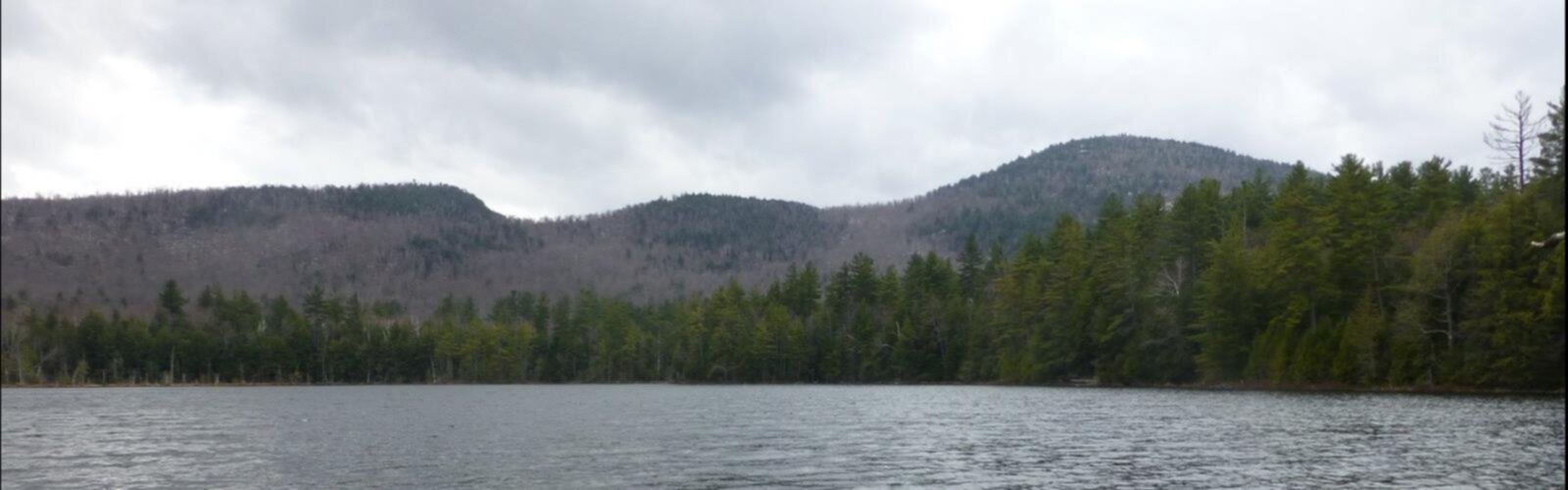

Ready to explore Little Moose Mountain, New York? Here's everything you need to know before you go!
Discover the trail
Trail description
Little Moose Mountain rises from the heart of the Adirondacks in New York, offering hikers a rewarding climb through diverse terrain to panoramic wilderness views. This accessible peak sits within the expansive West Canada Lake Wilderness and Moose River Plains Complex, making it an excellent introduction to the west central Adirondacks' pristine landscapes and diverse ecosystems.
The mountain's appeal lies in its combination of manageable challenge and substantial reward. With 716 meters of elevation gain spread over a 4 to 6 hour hike, you'll experience a genuine mountain ascent without the technical demands of the High Peaks. The well-marked and maintained trails wind through dense woodlands before opening to the summit's commanding views of lush forests, sparkling lakes, and the rolling hills that define this corner of the Adirondack Park.
Trail Experience and Terrain
The trails on Little Moose Mountain cater to hikers of varying experience levels, though the steady elevation gain and duration make this an easy-rated hike that still demands proper preparation. The path begins in thick forest cover, where you'll navigate through dense woodlands that characterize much of the Cedar River Wild Forest region. As you climb, the terrain shifts from gentle grades to more sustained ascents, giving your legs a workout while remaining technically straightforward.
The forest canopy provides natural air conditioning during summer months, while the well-maintained trail surface offers good footing in most conditions. Spring hikers will find wildflowers adding splashes of color along the route, transforming the understory into a natural garden. The final approach to the summit typically involves some rocky sections, but nothing requiring scrambling or special equipment.
At the summit, the forest opens to reveal why this climb attracts hikers from across the region. The panoramic vantage point showcases the Adirondack wilderness in all directions, with views extending across the surrounding peaks and valleys. On clear days, the vista encompasses multiple lakes and the seemingly endless forest that makes this region special. Photography enthusiasts will find numerous opportunities both along the trail and especially at the summit overlooks.
Wildlife and Natural Features
The diverse ecosystem surrounding Little Moose Mountain supports an impressive array of wildlife that adds excitement to any hike. White-tailed deer are commonly spotted, particularly during early morning or late afternoon hikes when they're most active. Red foxes inhabit the area, though sightings require more luck and quiet movement through their territory.
Birdwatchers will appreciate the variety of species that call these forests home. The mixed hardwood and coniferous forest provides habitat for both year-round residents and seasonal migrants. Spring and summer bring the most activity, with songbirds filling the forest with their calls and providing natural soundtrack to your climb.
The plant life changes noticeably as you gain elevation, offering a lesson in Adirondack ecology. Lower elevations feature typical northeastern hardwood species, while higher areas show the transition toward the boreal forest characteristics of the region's higher peaks. Seasonal wildflowers peak in late spring and early summer, creating natural displays that complement the forest's year-round beauty.
Regional Context and Nearby Attractions
Little Moose Mountain serves as an excellent base for exploring the broader west central Adirondacks. The West Canada Lake Wilderness offers extensive backcountry opportunities for those seeking multi-day adventures, while the Moose River Plains Complex provides additional day hiking options and scenic driving routes.
The South Branch Moose River meanders through Herkimer County near the mountain, creating opportunities to combine your hiking with water-based activities. Kayaking and fishing along this waterway provide a different perspective on the region's natural beauty, with the river's serene surroundings offering a peaceful contrast to the summit's expansive views.
Little Moose Lake and Otter Brook represent additional destinations for those seeking quieter experiences away from more popular Adirondack destinations. These spots offer tranquility and the chance to experience the region's natural rhythms without the crowds that can characterize some better-known locations.
The Cedar River Wild Forest extends the hiking opportunities with trails that wind through different terrain and forest types. This creates possibilities for multi-day visits where you can sample various aspects of the region's outdoor offerings while using Little Moose Mountain as either a warm-up hike or a satisfying conclusion to your Adirondack adventure.
Planning Your Visit
Success on Little Moose Mountain starts with proper preparation and current information. Check local weather conditions and obtain trail maps from the DEC (Department of Environmental Conservation) before heading out. Weather in the Adirondacks can change quickly, and conditions at the summit may differ significantly from those at the trailhead.
Pack essentials for the 4 to 6 hour duration, including adequate water, snacks, and appropriate gear for the season and conditions. The elevation gain of 716 meters means you'll work up a sweat on the ascent, but the summit can be significantly cooler and windier than the protected forest below. Layer your clothing to adapt to these changing conditions throughout your hike.
Follow Leave No Trace principles to preserve the pristine environment that makes this area special. The wilderness character of the West Canada Lake region depends on every visitor's commitment to minimal impact practices. Pack out all trash, stay on designated trails, and respect the wildlife that calls this area home.
The mountain offers rewarding hiking throughout the hiking season, though each period brings distinct advantages. Spring provides wildflower displays and moderate temperatures, while summer offers the longest days and warmest weather. Fall transforms the forest into a spectacular display of autumn colors, making the summit views even more dramatic against the changing landscape.
The Essential Hiking Checklist
Everything you need for your next hike. Bilingual, printable, 1 page.
Get your free hiking checklistRecommended gear for this trail
As an Amazon Associate I earn from qualifying purchases.


Ready to go?
Everything you need to know before you goStarting Point
To access the hiking trails, you can start at the primary trailhead located at the end of Higby Road in Inlet, New York. There is a parking area available for hikers. Another option is to begin from the trailhead on Limekiln Lake-Cedar River Road, which also offers parking facilities. Both trailheads provide convenient access to the hiking routes in the area.
When?
How much?
As an Amazon Associate I earn from qualifying purchases.
Affiliate links — LGPO may earn a commission at no extra cost to you.
- Hiking shoes Essential
- → Salomon Elixir Tour Mid WP · 203.38 $
- Layered clothing Essential
- Rain jacket Essential
- Trekking poles
- → Black Diamond Trail Ergo Cork · 69.99 $
- Headlamp
- → Petzl Actik Core 625 · 103.95 $
FAQ - Frequently asked questions
Everything you need to knowSimilar hikes nearby
Discover other trails you might enjoy

Algonquin Peak, New York
Adirondacks

Big Slide Mountain, New York
Adirondacks

Boundary Peak, New York
Adirondacks
Crane Mountain
Adirondacks
Avalanche Pass
Adirondacks
Ampersand Mountain, New York
Adirondacks
Hiking near Lake Placid
0 trails to explore ~83 km away
We work hard to provide the most up-to-date and error-free data possible. If something seems incorrect, let us know! Your contribution helps the whole community.
Hikers' opinions
Be the first to review!
No hiker has shared their experience yet. Share your impressions and help other hikers!