

Ready to explore Mt Colvin? Here's everything you need to know before you go!
Discover the trail
Trail description
Mount Colvin stands as one of the Adirondack High Peaks, offering hikers a challenging yet rewarding ascent through diverse terrain and spectacular views. Located in the heart of the Adirondack Park in New York State, this 4,057-foot summit provides an excellent introduction to serious mountain hiking while delivering the kind of panoramic vistas that make the Adirondacks legendary among outdoor enthusiasts.
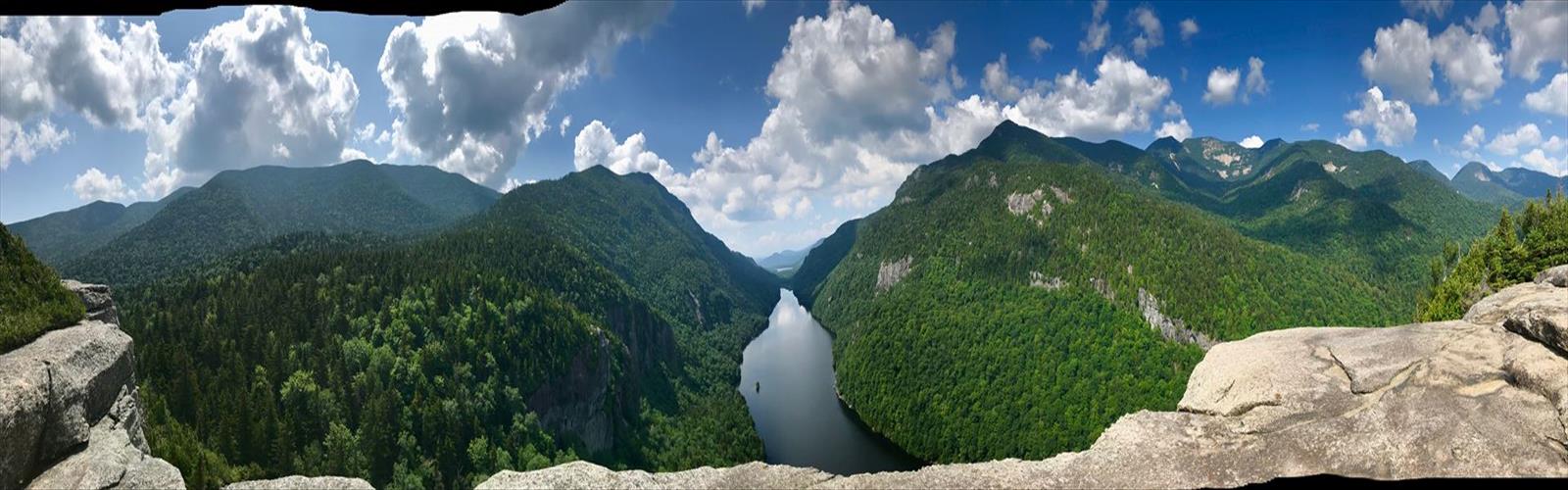
The mountain sits in a prime location within the High Peaks region, surrounded by some of the most dramatic wilderness scenery in the Northeast. From the summit, hikers are treated to sweeping views of the surrounding peaks, including glimpses of Mount Marcy, the state's highest point, and the distinctive profile of Algonquin Peak. On clear days, the vista extends across the vast Adirondack wilderness, showcasing the region's characteristic mix of dense forests, pristine lakes, and rugged mountain terrain.
Trail Routes and Terrain
The most popular approach to Mount Colvin begins from the Adirondak Loj area, following a well-established trail system that winds through classic Adirondack forest. The trail covers approximately 9.7 kilometers round trip with 610 meters of elevation gain, making it a substantial day hike that typically takes around 4.5 hours to complete. This challenging route demands good physical conditioning and proper preparation.
The initial portion of the hike takes you through dense hardwood and coniferous forests, where the trail is generally well-marked and maintained. As you gain elevation, the character of the forest changes, transitioning from the mixed deciduous woods of the lower elevations to the more rugged boreal forest typical of the High Peaks region. The steady climb includes several steeper sections that will test your endurance and hiking skills.
Rocky outcroppings become more frequent as you approach the summit, and hikers should be prepared for some scrambling over granite slabs and boulders. The terrain demands good footwear with solid traction, especially during wet conditions when the rock surfaces can become slippery. The technical nature of the upper sections contributes to the trail's hard difficulty rating.
Water sources are available along portions of the route, but they become less reliable as you climb higher. The trail crosses several small streams in the lower sections, providing opportunities to refill water bottles, though proper filtration is always recommended when using natural water sources.
Summit Experience
The summit of Mount Colvin offers a more intimate mountain experience compared to some of the busier High Peaks. While it attracts serious hikers, it typically sees fewer crowds than peaks like Mount Marcy or Algonquin, making it an excellent choice for those seeking a more solitary wilderness experience. The summit area features exposed rock with multiple viewpoints, allowing hikers to take in the scenery from different angles.
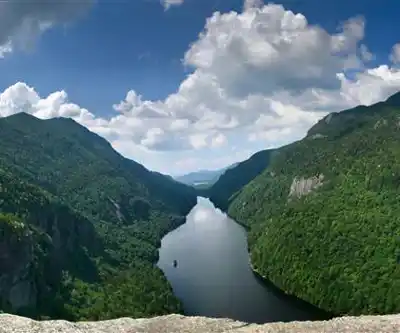
The views from the top encompass much of the central High Peaks region, with the distinctive profiles of neighboring mountains creating a dramatic skyline. Lake Colden and other alpine lakes are visible from certain vantage points, adding the sparkle of water to the forested landscape below. The summit provides an excellent perspective on the scale and wildness of the Adirondack Park, which encompasses over six million acres of protected land.
The exposed nature of the summit makes it particularly important to monitor weather conditions. Lightning storms can develop quickly in the Adirondacks, and the rocky summit offers little protection from severe weather. Early starts are recommended to avoid afternoon thunderstorms during summer months.
Seasonal Considerations
Mount Colvin offers distinct experiences throughout the hiking season, with each period presenting its own advantages and challenges. Spring hiking typically begins in late April or May, though snow can linger at higher elevations well into May. Early season hikers should be prepared for muddy conditions and potentially icy patches, particularly on north-facing slopes and in shaded areas.
Summer provides the most stable hiking conditions, with warm temperatures and generally dry trails. However, afternoon thunderstorms are common in the Adirondacks during summer months, and hikers should plan to start early and be prepared to turn back if threatening weather develops. The exposed summit area makes Mount Colvin particularly vulnerable to lightning strikes during storms.
Fall hiking on Mount Colvin coincides with spectacular foliage displays, typically peaking in late September or early October. The mixed forests provide brilliant displays of red, orange, and yellow, creating some of the most photogenic hiking conditions of the year. However, shorter daylight hours require careful trip planning, and hikers should be prepared for rapidly changing weather conditions.
Winter ascents of Mount Colvin are possible for experienced winter hikers equipped with snowshoes or crampons, but the mountain takes on a much more serious character in winter conditions. Snow depths can be substantial, and the combination of steep terrain and potentially icy conditions requires advanced winter hiking skills and appropriate gear.
Wildlife and Natural Features
The diverse ecosystems along the Mount Colvin trail support a rich variety of Adirondack wildlife. Black bears are present throughout the region, and hikers should follow proper food storage protocols and make noise while hiking to avoid surprising these powerful animals. White-tailed deer are commonly seen, particularly in the early morning and evening hours.
Bird life is abundant and varied, with species ranging from common forest birds like chickadees and nuthatches to more specialized high-elevation species. Ravens are frequently seen soaring around the summit area, and their distinctive calls often echo off the surrounding peaks. During migration periods, the mountain can offer excellent opportunities for observing raptors and other migratory species.
The plant communities change dramatically with elevation, providing hikers with a natural lesson in mountain ecology. Lower elevations feature typical northeastern hardwood forests dominated by maple, beech, and birch, while higher elevations transition to boreal species like spruce and fir. Alpine and sub-alpine plant communities near the summit include specialized species adapted to the harsh conditions of high elevation environments.
Planning Your Hike
Access to Mount Colvin typically requires parking at the Adirondak Loj, which charges a day-use fee for non-members of the Adirondack Mountain Club. The parking area can fill up quickly during peak hiking seasons, particularly on weekends, so an early start is highly recommended. Alternative parking areas may be available, but they often involve longer approach hikes.
Dogs are welcome on the trail but must be kept under control at all times. The rocky terrain and steep sections can be challenging for dogs, and owners should consider their pet's fitness level and experience with mountain hiking before attempting this trail. Adequate water for dogs is essential, as natural sources become scarce at higher elevations.
While Mount Colvin can be hiked by families with older children who have previous hiking experience, the length and difficulty of the trail make it unsuitable for very young hikers or those new to mountain hiking. The combination of distance, elevation gain, and technical terrain requires good physical conditioning and proper preparation for a safe and enjoyable experience.
The Essential Hiking Checklist
Everything you need for your next hike. Bilingual, printable, 1 page.
Get your free hiking checklistRecommended gear for this trail
As an Amazon Associate I earn from qualifying purchases.


Ready to go?
Everything you need to know before you goStarting Point
To access the hiking trails, you can start at the Ausable Club parking lot located on Ausable Road in St. Huberts, New York. From there, you'll need to walk along a private road to reach the trailhead. Another option is to begin from the Elk Lake Trailhead, which is situated at the end of Elk Lake Road in North Hudson, New York. Both locations provide access to different routes leading to your destination.
When?
How much?
As an Amazon Associate I earn from qualifying purchases.
Affiliate links — LGPO may earn a commission at no extra cost to you.
- Hiking shoes Essential
- → Salomon Elixir Tour Mid WP · 203.38 $
- Layered clothing Essential
- Rain jacket Essential
- Trekking poles
- → Black Diamond Trail Ergo Cork · 69.99 $
- Headlamp
- → Petzl Actik Core 625 · 103.95 $
FAQ - Frequently asked questions
Everything you need to knowSimilar hikes nearby
Discover other trails you might enjoy

Algonquin Peak, New York
Adirondacks

Big Slide Mountain, New York
Adirondacks

Boundary Peak, New York
Adirondacks
Crane Mountain
Adirondacks
Avalanche Pass
Adirondacks
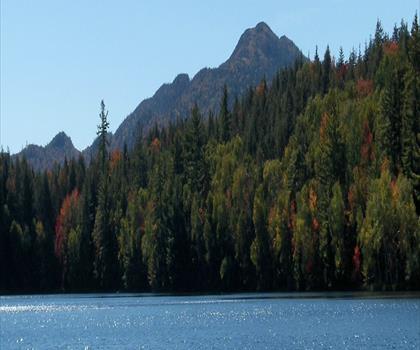
Ampersand Mountain, New York
Adirondacks
Hiking near Lake Placid
0 trails to explore ~24 km away
We work hard to provide the most up-to-date and error-free data possible. If something seems incorrect, let us know! Your contribution helps the whole community.
Hikers' opinions
Be the first to review!
No hiker has shared their experience yet. Share your impressions and help other hikers!