Ready to explore Wright Peak, New York? Here's everything you need to know before you go!
Discover the trail
Trail description
Description
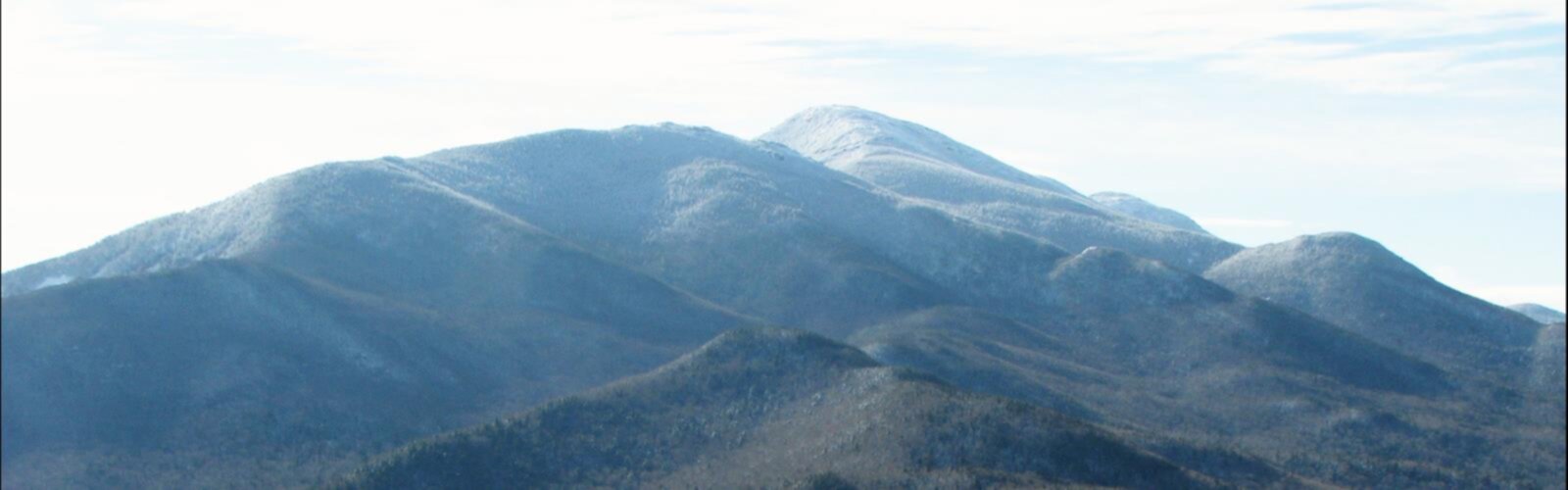
Wright Peak stands as the 16th highest summit in the Adirondack High Peaks at 4,316 feet, commanding the northern end of the MacIntyre Range in Essex County's town of North Hudson. Named after New York Governor Silas Wright (1795–1847), this formidable peak has earned a reputation as one of the windiest summits in the park and ranks among the most challenging hikes in the region.
What sets Wright apart from other High Peaks is its notorious exposure to weather systems and its exceptional backcountry skiing terrain. Long slides cascade from the summit down toward Marcy Dam, creating natural ski runs that draw winter adventurers willing to earn their turns through a demanding ascent. The mountain's position at the range's northern terminus leaves it fully exposed to prevailing winds, making proper layering and wind protection essential regardless of season.
Trail Route and Access
The standard approach begins at the Adirondak Loj near Heart Lake, following a well-established route that covers 11.1 kilometers round trip with 1,398 meters of elevation gain. Plan for 6 to 8 hours to complete this very hard rated hike, though conditions and your hiking pace will significantly influence timing.
From the Heart Lake trailhead, follow the Van Hovenberg Trail for 1.3 miles through mixed forest terrain. This initial section provides a moderate warm-up as you pass scenic Macintyre Falls, where many hikers pause to appreciate the cascading water before the real work begins. The trail maintains a steady but manageable grade through this lower section, crossing several small streams and offering glimpses of the peaks ahead.
The character of the hike changes dramatically when you reach the MacIntyre Range Trail junction. Here, the steep ascent begins in earnest as the trail climbs relentlessly through dense forest. The path becomes increasingly rocky and root-filled, demanding careful foot placement and steady pacing. Expect to use your hands occasionally for balance as you navigate over and around large boulders embedded in the trail.
After the grueling climb through the forest zone, you'll reach the junction for Algonquin Peak. A left turn here leads you the final 0.4 miles to Wright's summit, but don't let the short distance fool you—this section packs the last few hundred feet of elevation gain into a steep push through the alpine zone.
Summit Experience
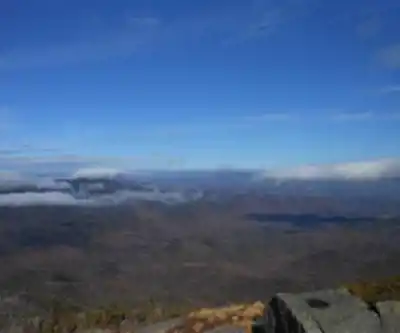
Breaking through the treeline reveals Wright's true character as an exposed alpine environment. The final approach traverses open rock slabs and hardy alpine vegetation, offering increasingly dramatic views with each step. The summit itself provides spectacular 360-degree panoramas of the surrounding High Peaks wilderness, with the MacIntyre Range stretching south and endless forested ridges extending in every direction.
The rocky summit area offers multiple vantage points for taking in the views, though the infamous winds that give Wright its reputation often make extended stays challenging. On clear days, the vista encompasses much of the High Peaks region, including nearby Algonquin and Iroquois peaks, as well as distant summits throughout the Adirondack Park.
Peakbagging Combinations
Wright Peak frequently serves as part of ambitious peakbagging adventures, most commonly paired with Algonquin Peak and sometimes Iroquois Peak in a single outing. This combination creates one of the most demanding day hikes in the Adirondacks, requiring excellent fitness, proper preparation, and favorable weather conditions. The proximity of these peaks makes the additional summits tempting, but the cumulative elevation gain and exposure demand respect.
Hikers attempting multiple peaks should start early and carry extra food, water, and emergency gear. The exposed terrain on all three summits can become dangerous quickly if weather deteriorates, and the additional mileage significantly increases the physical demands of an already challenging hike.
Seasonal Considerations
Wright Peak presents dramatically different challenges across seasons. Summer hiking offers the most predictable conditions, though afternoon thunderstorms can create dangerous situations on the exposed summit. The alpine zone provides little shelter from lightning, making early starts and weather awareness crucial.
Winter transforms Wright into a serious mountaineering objective. The long slides that make the peak famous for backcountry skiing also create avalanche terrain that requires proper education and equipment. Winter ascents demand mountaineering skills, including crampon and ice axe use, as well as the ability to navigate in whiteout conditions. The extreme wind exposure that characterizes Wright year-round becomes potentially life-threatening in winter conditions.
Spring and fall offer excellent hiking conditions but require careful attention to rapidly changing weather patterns. The shoulder seasons can provide some of the best visibility and most comfortable temperatures, though ice conditions may persist into late spring on north-facing slopes and in the alpine zone.
Terrain and Technical Considerations
While Wright doesn't require technical climbing skills, the trail demands good physical conditioning and sure footing. The steep sections through the forest include numerous rock steps and root systems that can become slippery when wet. The alpine zone features exposed rock slabs that require careful navigation, especially in wet or icy conditions.
The trail's difficulty rating of "very hard" reflects both the significant elevation gain compressed into a relatively short distance and the sustained steep grades throughout much of the ascent. Hikers should expect to use trekking poles and should be comfortable with scrambling over rocks and navigating uneven terrain for extended periods.
Proper footwear becomes critical on Wright Peak, as the combination of steep grades, rocky terrain, and potential weather exposure demands boots that provide both support and traction. The alpine zone's rock slabs can become treacherous when wet, and the descent requires careful attention to foot placement to avoid slips on loose rock and steep sections.
Ready to go?
Everything you need to know before you goStarting Point
The Wright Peak is located in the Adirondacks. To get to the start of the trails, take exit 29 off of the Northway (I-87) and head east on State Route 73. The trailhead is located about 9 miles from the exit.
When?
How much?
- Hiking shoes Essential
- Layered clothing Essential
- Rain jacket Essential
- Trekking poles
- Headlamp
FAQ - Frequently asked questions
Everything you need to knowThe Essential Hiking Checklist
Everything you need for your next hike. Bilingual, printable, 1 page.
Download the free checklistSimilar hikes nearby
Discover other trails you might enjoy
Algonquin Peak, New York
Adirondacks
Big Slide Mountain, New York
Adirondacks
Boundary Peak, New York
Adirondacks
Crane Mountain
Adirondacks
Avalanche Pass
Adirondacks
Ampersand Mountain, New York
Adirondacks
Hiking near Lake Placid
0 trails to explore ~14 km away
We work hard to provide the most up-to-date and error-free data possible. If something seems incorrect, let us know! Your contribution helps the whole community.
Hikers' opinions