
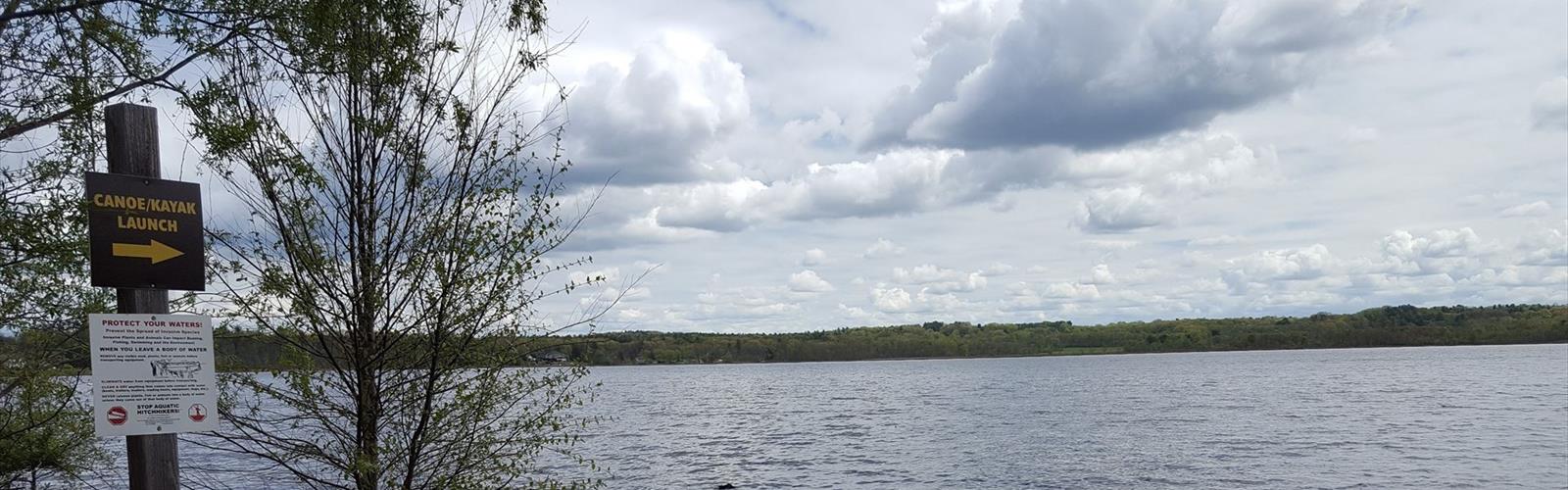

Ready to explore Anchor Diamond Park? Here's everything you need to know before you go!
Discover the trail
Photos: Henry Bellagnome from Troy, New York, United States — CC BY-SA 2.0 (Wikimedia Commons)
Trail description
Anchor Diamond Park offers 246 acres of varied terrain in Ballston, New York, making it one of the Capital-Saratoga region's most accessible natural areas for hikers of all abilities. The park's landscape shifts between dense woodlands, quiet wetlands, and open meadows, creating distinct environments that change with the seasons and provide different experiences throughout your visit.
The park's trail system centers around two main routes that showcase its diverse ecosystems. The Blue Trail delivers a moderate hiking experience as it winds through the forested sections, where mature trees create a canopy overhead and the terrain includes gentle rolling hills. This trail rewards hikers with views of the surrounding forest and opportunities to observe the park's woodland wildlife in their natural habitat.
For those preferring a gentler experience, the Yellow Trail follows a more level path through the park's meadows and wetland areas. This route provides excellent opportunities for birdwatching, as the open fields and water features attract a variety of native species. The wetlands section of this trail offers a different perspective on the park's ecosystem, with interpretive opportunities to learn about water-dependent plants and animals.
Trail Experience and Terrain
Both trails are well-marked and maintained, making navigation straightforward for visitors. The trail system accommodates hikers looking for a 2 to 3 hour outdoor experience, whether you choose to explore one route thoroughly or combine sections of both trails. The modest elevation gain of 30 meters means the hiking remains accessible while still providing some variety in terrain.
The woodlands feature a mix of deciduous and coniferous trees, creating seasonal interest as leaves change in fall and providing different lighting conditions throughout the year. The forest floor varies from soft earth paths to areas with exposed roots and occasional rocky sections, giving hikers a genuine woodland experience without technical challenges.
The wetland areas showcase a different side of the park's character, with boardwalks and elevated sections allowing visitors to observe these sensitive ecosystems without disturbing them. These areas tend to be more active with wildlife, particularly during early morning and evening hours when deer move between feeding areas and birds are most vocal.
Wildlife and Natural Features
The park's diverse habitats support a range of wildlife that visitors can observe throughout their hike. White-tailed deer are commonly spotted, particularly in the transition areas between forest and meadow where they feel secure but have access to varied food sources. The deer tend to be less skittish here than in more heavily trafficked areas, providing good opportunities for quiet observation.
Birdwatchers will find the park particularly rewarding, as the combination of woodland, wetland, and open field habitats attracts different species throughout the seasons. The wetland areas serve as stopping points for migrating waterfowl, while the forest sections host year-round residents including various woodpecker species, songbirds, and raptors.
The park's ecosystems change character with the seasons, offering different experiences for repeat visitors. Spring brings wildflowers to the meadow areas and increased bird activity. Summer provides full canopy cover in the wooded sections and peak activity in the wetlands. Fall delivers spectacular foliage displays, while winter opens up forest views and creates opportunities to observe animal tracks in snow.
Historical Context and Interpretation
Anchor Diamond Park carries a unique personal history that adds depth to the hiking experience. The land was donated by Harold "Hal" Rubin and his family as a memorial to their horse, Anchor Diamond, creating a park that represents both conservation and personal remembrance. This background gives the park a more intimate character than many public lands.
Interpretive signs throughout the park provide information about both the natural environment and the area's history. These educational elements enhance the hiking experience by explaining the ecological relationships visitors observe and placing the landscape in its broader regional context. The signs are positioned at key points along the trails where they complement rather than interrupt the natural experience.
Facilities and Visitor Amenities
The park includes designated picnic areas that make it suitable for extended family visits. These areas are positioned to take advantage of scenic views while providing convenient access to the trail system. The picnic facilities allow visitors to combine hiking with relaxation, making the park particularly appealing for families with children or groups wanting to spend several hours outdoors.
The trail system's design accommodates different group sizes and hiking preferences, with options for shorter walks or longer explorations. The well-marked trails reduce navigation concerns, allowing hikers to focus on enjoying the natural environment rather than worrying about finding their way.
Regional Context and Access
Located in Ballston, Anchor Diamond Park provides convenient access to quality hiking within the Capital-Saratoga region. The park's position makes it an excellent choice for day trips from Albany or Saratoga Springs, offering a genuine natural experience without requiring extensive travel time.
The park connects well with other regional attractions, allowing visitors to combine their hiking experience with exploration of the broader Capital-Saratoga area. Nearby locations like Hawkwood Mansion in Burnt Hills provide historical context for the region, while scenic drives through areas like Niskayuna offer additional perspectives on the local landscape and communities.
Ballston Spa itself offers additional opportunities to learn about local history and culture, with connections to historical figures like Henry Walton who influenced the region's development. The Town of Ballston has worked to preserve local heritage through various initiatives, including support for natural areas like Anchor Diamond Park and historical sites like Park Hawkwood where community events regularly take place.
Before visiting, check current trail conditions and any local guidelines to ensure the best possible experience. The park's natural beauty and diverse ecosystems require visitor cooperation to maintain their quality for future hikers and wildlife.
The Essential Hiking Checklist
Everything you need for your next hike. Bilingual, printable, 1 page.
Get your free hiking checklistRecommended gear for this trail
As an Amazon Associate I earn from qualifying purchases.


Ready to go?
Everything you need to know before you goStarting Point
The anchor diamond park is located in the Bronx, New York. To get to the start of the trails, take the Metro-North Railroad to the Botanical Garden Station. From there, it is a short walk to the park.
When?
How much?
As an Amazon Associate I earn from qualifying purchases.
Affiliate links — LGPO may earn a commission at no extra cost to you.
- Hiking shoes Essential
- → Salomon Elixir Tour Mid WP · 203.38 $
- Layered clothing Essential
- Rain jacket Essential
- Trekking poles
- → Black Diamond Trail Ergo Cork · 69.99 $
- Headlamp
- → Petzl Actik Core 625 · 103.95 $
FAQ - Frequently asked questions
Everything you need to knowSimilar hikes nearby
Discover other trails you might enjoy

Misery Mountain
Capital-Saratoga
Bauer Park
Capital-Saratoga
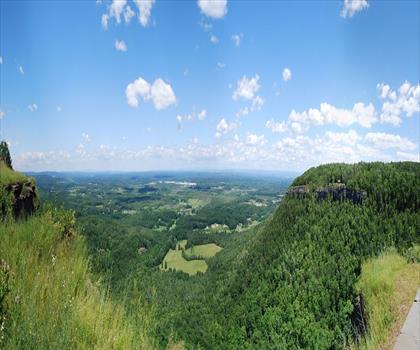
John Boyd Thacher State Park
Capital-Saratoga
Spier Falls/ Moreau "Saddle" Trailhead
Capital-Saratoga
Peebles Island State Park
Capital-Saratoga
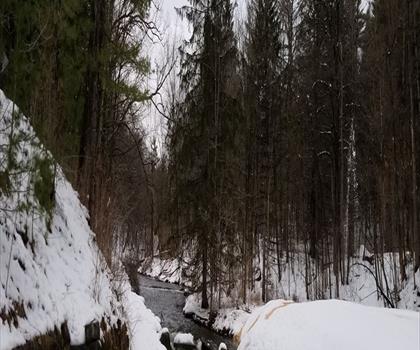
Geyser Creek Trail
Capital-Saratoga
Hiking near Saratoga Springs
0 trails to explore ~18 km away
We work hard to provide the most up-to-date and error-free data possible. If something seems incorrect, let us know! Your contribution helps the whole community.
Hikers' opinions
Be the first to review!
No hiker has shared their experience yet. Share your impressions and help other hikers!