


Ready to explore Misery Mountain? Here's everything you need to know before you go!
Discover the trail
Oh no! We don't have any photos 😢
This trail hasn't been captured yet. Be the first to share your adventure!Trail description
Misery Mountain stands as one of New York's most rewarding hiking destinations, proving that names can be deceiving. This Capital-Saratoga region gem delivers exceptional trail variety and stunning natural beauty that attracts hikers from across the state. The mountain's network of well-maintained paths winds through dense hardwood forests, past rocky outcroppings, and up to elevated viewpoints that showcase the rolling hills and valleys of eastern New York.
What sets Misery Mountain apart is its thoughtful trail system that genuinely accommodates every skill level. The lower elevation routes meander through mature forest canopy where maple, oak, and birch trees create a natural cathedral overhead. These gentler paths cross several crystal-clear streams via wooden footbridges and offer frequent clearings where wildflowers bloom seasonally—trilliums and bloodroot in spring, followed by summer's black-eyed Susans and goldenrod.
The intermediate trails introduce moderate inclines and more varied terrain. Hikers encounter sections of exposed bedrock that require careful footing, especially when wet. These mid-level routes lead to several lookout points positioned on natural rock shelves that provide panoramic views across the surrounding landscape. The terrain becomes noticeably more rugged here, with root-crossed paths and occasional scrambles over boulder fields that add excitement without becoming technical.
Summit Challenge
The advanced route to Misery Mountain's summit presents a legitimate challenge that seasoned hikers will appreciate. The final approach involves a steep, sustained climb over rocky terrain that gains significant elevation in a relatively short distance. This section demands proper hiking boots and a steady pace, as loose stones and steep grades require attention to foot placement. The effort pays off spectacularly at the top, where 360-degree views stretch across multiple counties on clear days.
The summit area features a broad, rocky platform perfect for extended breaks and photography. On optimal visibility days, hikers can identify distant mountain ranges and trace the paths of major river valleys cutting through the landscape below. The elevation gain of 300 meters provides enough vertical rise to create genuinely impressive vistas while remaining accessible to most fit hikers.
Trail Experience and Wildlife
Throughout the trail system, wildlife sightings add spontaneous highlights to any hike. White-tailed deer frequently browse in the forest clearings, particularly during early morning and late afternoon hours. Chipmunks and red squirrels chatter from the trees, while various bird species—including pileated woodpeckers, nuthatches, and seasonal warblers—provide a constant soundtrack to the hiking experience.
The forest composition changes noticeably with elevation. Lower sections feature rich, moist soils supporting ferns and mosses alongside the stream corridors. Higher up, the vegetation becomes more sparse and hardy, with mountain laurel and low-growing shrubs adapted to the rockier, drier conditions near the summit.
Trail markings throughout the system use a consistent color-coding system that makes navigation straightforward. Well-placed blazes appear frequently enough to maintain confidence in route-finding, while trail junctions feature clear directional signs indicating distances and difficulty levels for each option.
Planning Your Visit
A typical hike to the summit and back requires 4 to 5 hours, allowing time for breaks and photography. This duration assumes a moderate pace with stops at the various viewpoints along the way. Hikers focusing only on the lower elevation trails can complete satisfying loops in 2 to 3 hours, while those tackling multiple trail segments or spending extended time at the summit should plan for a full day adventure.
Proper preparation enhances both safety and enjoyment on Misery Mountain. Sturdy hiking boots provide essential ankle support and traction on the rocky sections, particularly near the summit. The elevation changes and physical exertion make layered clothing advisable, as temperatures can vary significantly between the trailhead and higher elevations.
Water requirements are substantial, especially during warmer months or when attempting the full summit route. The streams along the lower trails provide scenic beauty but should not be considered reliable water sources without proper filtration. Carrying sufficient water eliminates any concerns about hydration during the more demanding upper sections of the hike.
Energy-rich snacks become particularly valuable during the steeper climbs. The rocky rest areas and summit platform provide excellent spots for refueling while enjoying the surrounding views. Trail mix, energy bars, or fresh fruit offer convenient options that pack easily and provide sustained energy for the return journey.
Seasonal Considerations
Weather conditions significantly impact the Misery Mountain experience, making advance planning essential. Local forecasts help determine appropriate gear and can influence route selection. The exposed rocky sections become slippery when wet, making the upper trails more challenging during or immediately after rainfall.
Trail maps, available at the main trailhead, provide detailed information about route options, distances, and current conditions. These resources prove invaluable for first-time visitors and help experienced hikers plan efficient routes based on available time and energy levels.
The principle of Leave No Trace applies throughout the trail system. Staying on marked paths protects the surrounding vegetation and prevents erosion, while packing out all trash maintains the pristine environment that makes Misery Mountain such a special destination. The well-preserved natural setting reflects the care and respect shown by the hiking community that regularly enjoys these trails.
The Essential Hiking Checklist
Everything you need for your next hike. Bilingual, printable, 1 page.
Get your free hiking checklistRecommended gear for this trail
As an Amazon Associate I earn from qualifying purchases.


Ready to go?
Everything you need to know before you goStarting Point
The start of the trails at the misery mountain in New York can be accessed by taking exit 15 off of the New York State Thruway. From there, take Route 9N north for about 10 miles until you reach the town of Keene. The mountain is located just west of Keene.
When?
How much?
As an Amazon Associate I earn from qualifying purchases.
Affiliate links — LGPO may earn a commission at no extra cost to you.
- Hiking shoes Essential
- → Salomon Elixir Tour Mid WP · 203.38 $
- Layered clothing Essential
- Rain jacket Essential
- Trekking poles
- → Black Diamond Trail Ergo Cork · 69.99 $
- Headlamp
- → Petzl Actik Core 625 · 103.95 $
FAQ - Frequently asked questions
Everything you need to knowSimilar hikes nearby
Discover other trails you might enjoy

Bauer Park
Capital-Saratoga
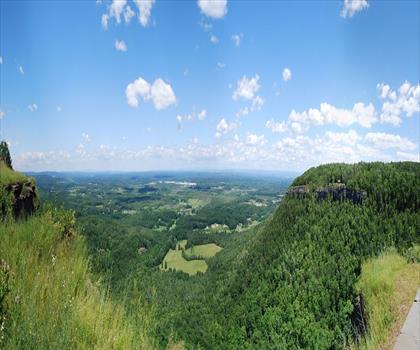
John Boyd Thacher State Park
Capital-Saratoga
Spier Falls/ Moreau "Saddle" Trailhead
Capital-Saratoga
Lake Bonita Trailhead
Capital-Saratoga
Colonie Town Park Trail Head
Capital-Saratoga

Saratoga National Historical Park
Capital-Saratoga
Hiking near Albany
0 trails to explore ~37 km away
We work hard to provide the most up-to-date and error-free data possible. If something seems incorrect, let us know! Your contribution helps the whole community.
Hikers' opinions
Be the first to review!
No hiker has shared their experience yet. Share your impressions and help other hikers!