


Ready to explore Saratoga National Historical Park? Here's everything you need to know before you go!
Discover the trail

Trail description
Saratoga National Historical Park combines Revolutionary War history with excellent hiking opportunities across 3,400 acres in New York's Capital-Saratoga region. Located about 40 miles north of Albany, this National Park Service site preserves the battlefields where American forces defeated the British in 1777, marking a crucial turning point that brought France into the war as an American ally.
The park's trail system winds through the actual battlefields where these pivotal events unfolded, offering hikers a unique blend of natural beauty and historical immersion. Unlike many historical sites that feel static, Saratoga's landscape remains largely unchanged from the 18th century, allowing you to experience the terrain much as the soldiers did over 240 years ago.
Trail Options and Terrain
The Wilkinson Trail serves as the park's signature hiking experience, offering a moderate 4.2-mile loop that showcases both the natural environment and historical significance of the area. This well-maintained trail takes you through diverse terrain including dense hardwood forests dominated by oak, maple, and hickory trees, then opens into the expansive fields where much of the fighting occurred. The contrast between the enclosed woodland sections and the sweeping open battlefields creates a varied hiking experience that keeps the route engaging throughout.
The trail's moderate difficulty comes from gentle rolling hills rather than steep climbs, making it accessible to most hikers while still providing a satisfying workout. The path is clearly marked and follows a mix of dirt trails, grassy paths through the fields, and short sections on park roads. During spring and fall, the forest sections offer excellent opportunities to observe seasonal changes, while the open areas provide expansive views across the Hudson River valley.
For those seeking a shorter option, the Victory Woods Trail provides an easy 1-mile walk that's perfect for families or anyone wanting a quick introduction to the park. This trail features interpretive signs that detail specific events from the battles, helping visitors understand the strategic importance of various locations. The path remains relatively flat and follows well-groomed surfaces suitable for most fitness levels.
Historical Landmarks and Features
Your hike will take you past numerous historical markers and preserved sites that bring the Revolutionary War period to life. The Saratoga Monument stands as the most prominent landmark, a 155-foot obelisk commemorating the American victory. The monument area offers panoramic views of the battlefield and surrounding countryside, providing excellent photo opportunities and a chance to appreciate the strategic layout of the historic engagement.
The Schuyler House represents one of the park's most significant architectural features. This reconstructed colonial mansion belonged to General Philip Schuyler, whose original home was burned by the British during their retreat. The current structure, rebuilt on the original foundation, showcases 18th-century colonial architecture and offers guided tours that provide insight into both military strategy and civilian life during the Revolutionary War period.
Throughout your hike, you'll encounter battlefield stops that mark key moments in the fighting. These locations feature detailed interpretive panels explaining troop movements, tactical decisions, and the experiences of individual soldiers. The Schuylerville area, accessible via park trails, connects to additional historical sites and provides context for understanding the broader campaign that led to the British surrender.
Wildlife and Natural Environment
The park's diverse ecosystems support an impressive variety of wildlife that adds another dimension to your hiking experience. White-tailed deer are commonly spotted throughout the park, particularly during early morning and evening hours when they venture into the open fields to graze. Red foxes inhabit the wooded areas, though they're more elusive and typically seen only by observant hikers.
Birdwatchers will find excellent opportunities throughout the trail system. The mix of forest, field, and wetland habitats attracts species ranging from woodland birds like woodpeckers and nuthatches to grassland species such as bobolinks and meadowlarks. The park's location along the Hudson River flyway makes it particularly rewarding during spring and fall migration periods.
The varied landscape includes several small wetland areas that support amphibians and provide water sources for wildlife. These spots often offer the best opportunities for nature photography, especially during spring when wildflowers bloom throughout the meadows and forest understory.
Visitor Services and Planning
The park's Visitor Center serves as an essential first stop for any hiking visit. The facility provides detailed trail maps, current conditions updates, and seasonal information that can significantly enhance your experience. The knowledgeable staff offers recommendations based on your interests, fitness level, and available time, helping you choose the most appropriate trail options.
The center also houses exhibits that provide historical context for your hike, including artifacts from archaeological excavations, period weapons, and detailed battle maps. Spending 20-30 minutes here before hitting the trails will deepen your appreciation for the sites you'll encounter along the way.
Trail conditions remain generally good throughout the hiking season, though spring can bring muddy sections in low-lying areas. The park maintains trails year-round, but winter hiking requires appropriate preparation for snow and ice conditions. Summer brings the fullest wildlife activity but also higher temperatures in the open field sections, making early morning or late afternoon the most comfortable hiking times.
Parking is available at multiple locations throughout the park, with the main visitor center lot providing the most convenient access to trail information and facilities. Additional parking areas near specific trail access points allow for more targeted visits if you're focusing on particular sections of the battlefield or shorter hiking options.
The Essential Hiking Checklist
Everything you need for your next hike. Bilingual, printable, 1 page.
Get your free hiking checklistRecommended gear for this trail
As an Amazon Associate I earn from qualifying purchases.


Ready to go?
Everything you need to know before you goStarting Point
The saratoga national historical park is located in New York. To get to the start of the trails, take exit 12 off of I-87 and follow the signs to the park.
When?
How much?
As an Amazon Associate I earn from qualifying purchases.
Affiliate links — LGPO may earn a commission at no extra cost to you.
- Hiking shoes Essential
- → Salomon Elixir Tour Mid WP · 203.38 $
- Layered clothing Essential
- Rain jacket Essential
- Trekking poles
- → Black Diamond Trail Ergo Cork · 69.99 $
- Headlamp
- → Petzl Actik Core 625 · 103.95 $
FAQ - Frequently asked questions
Everything you need to knowSimilar hikes nearby
Discover other trails you might enjoy

Misery Mountain
Capital-Saratoga
Bauer Park
Capital-Saratoga
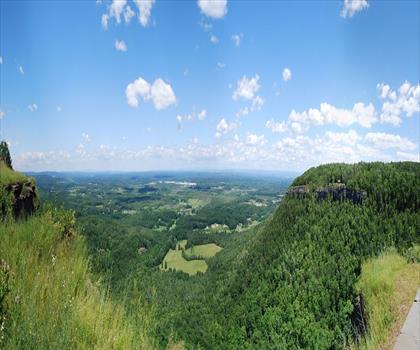
John Boyd Thacher State Park
Capital-Saratoga
Spier Falls/ Moreau "Saddle" Trailhead
Capital-Saratoga
Lake Bonita Trailhead
Capital-Saratoga
Colonie Town Park Trail Head
Capital-Saratoga
Hiking near Saratoga Springs
0 trails to explore ~16 km away
We work hard to provide the most up-to-date and error-free data possible. If something seems incorrect, let us know! Your contribution helps the whole community.
Hikers' opinions
Be the first to review!
No hiker has shared their experience yet. Share your impressions and help other hikers!