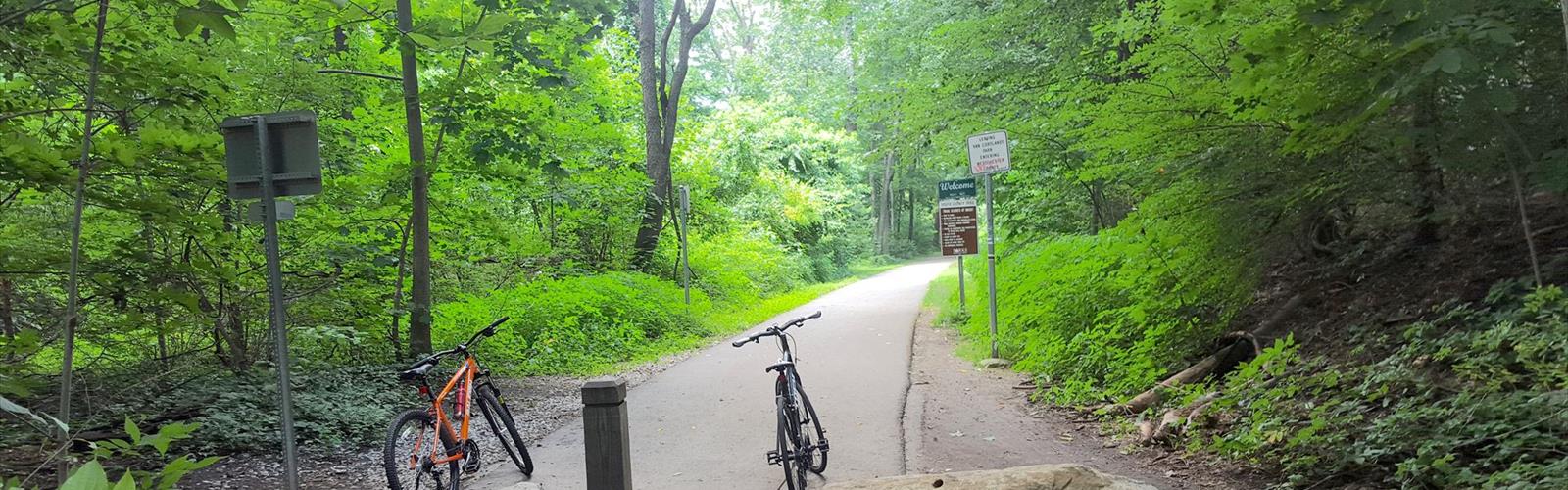
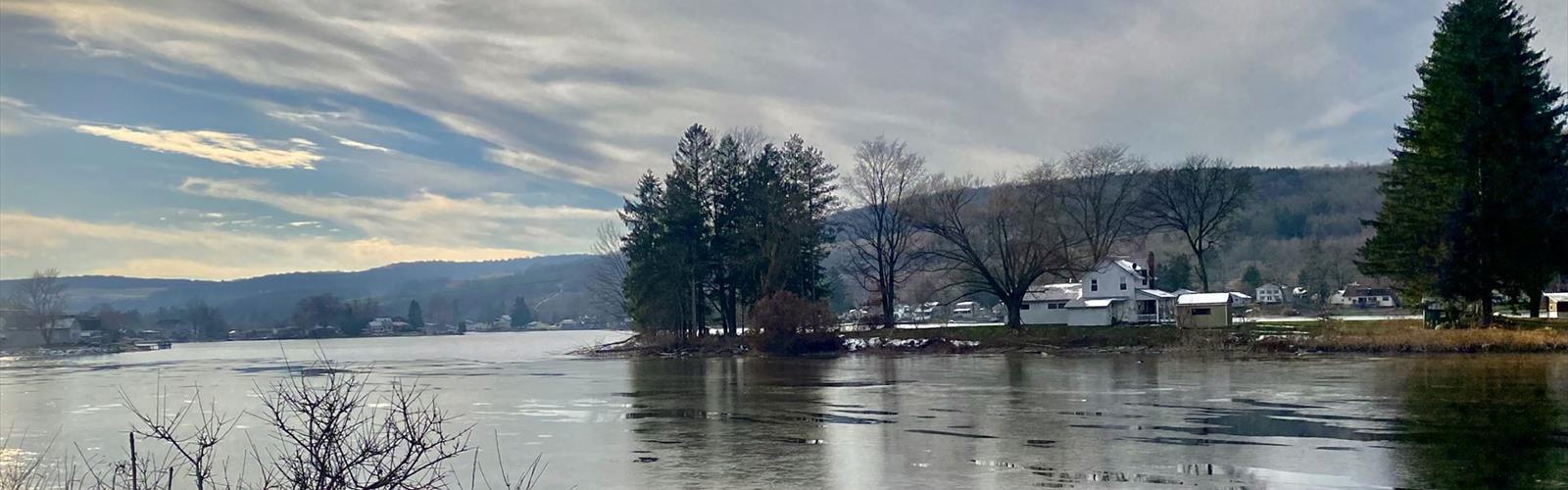
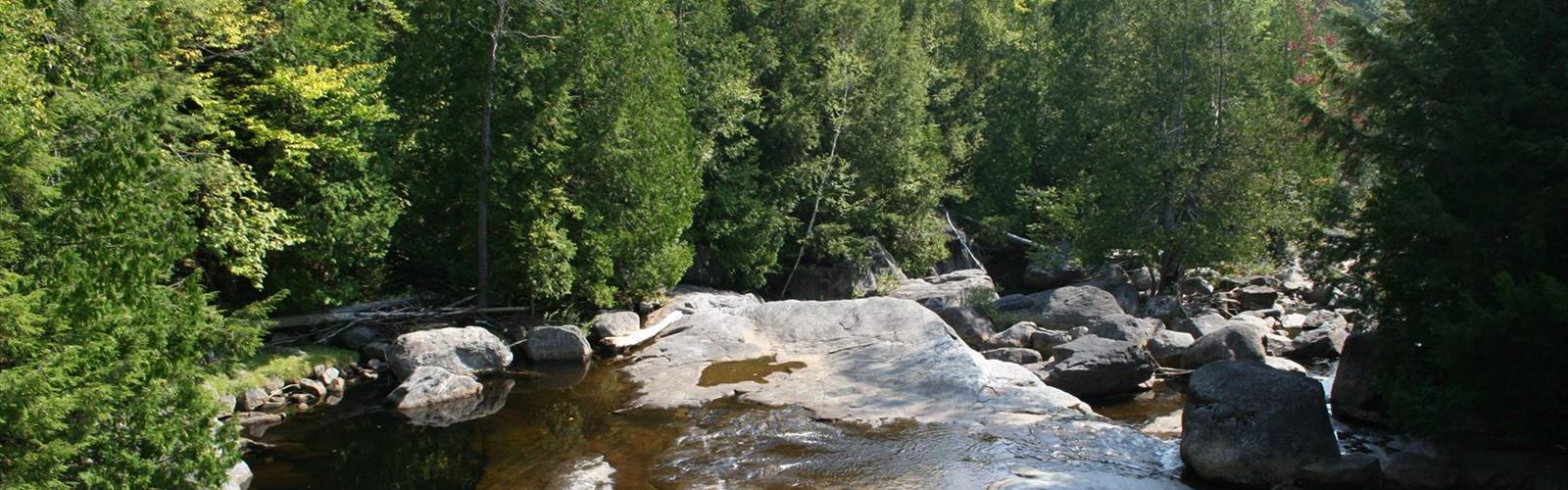
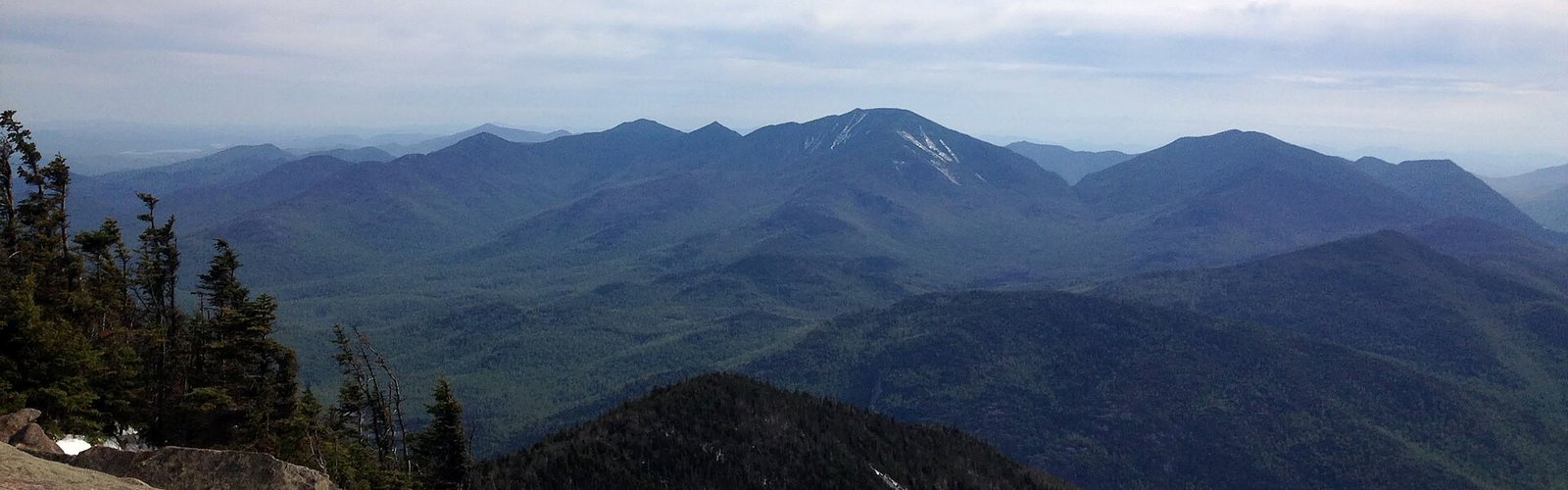
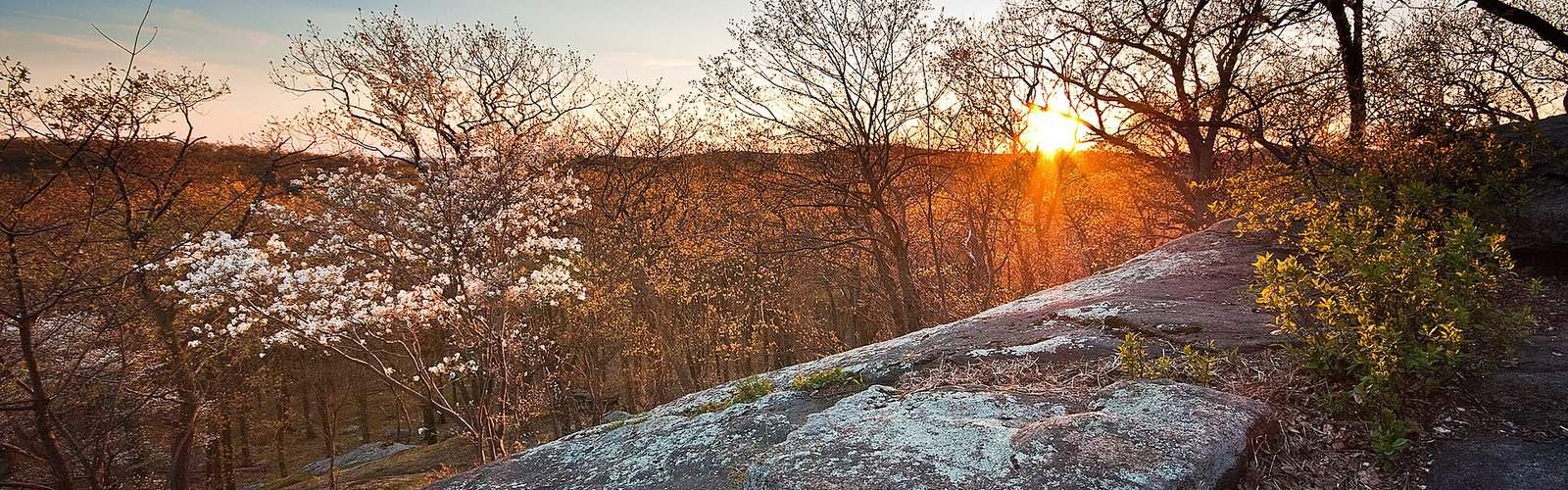
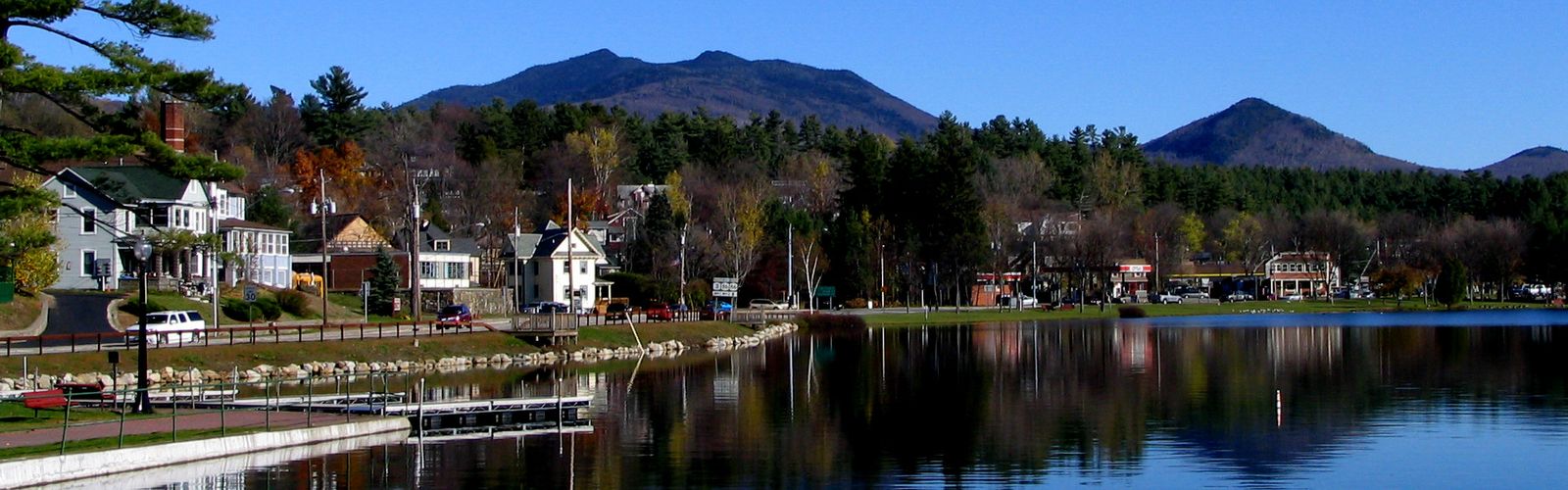
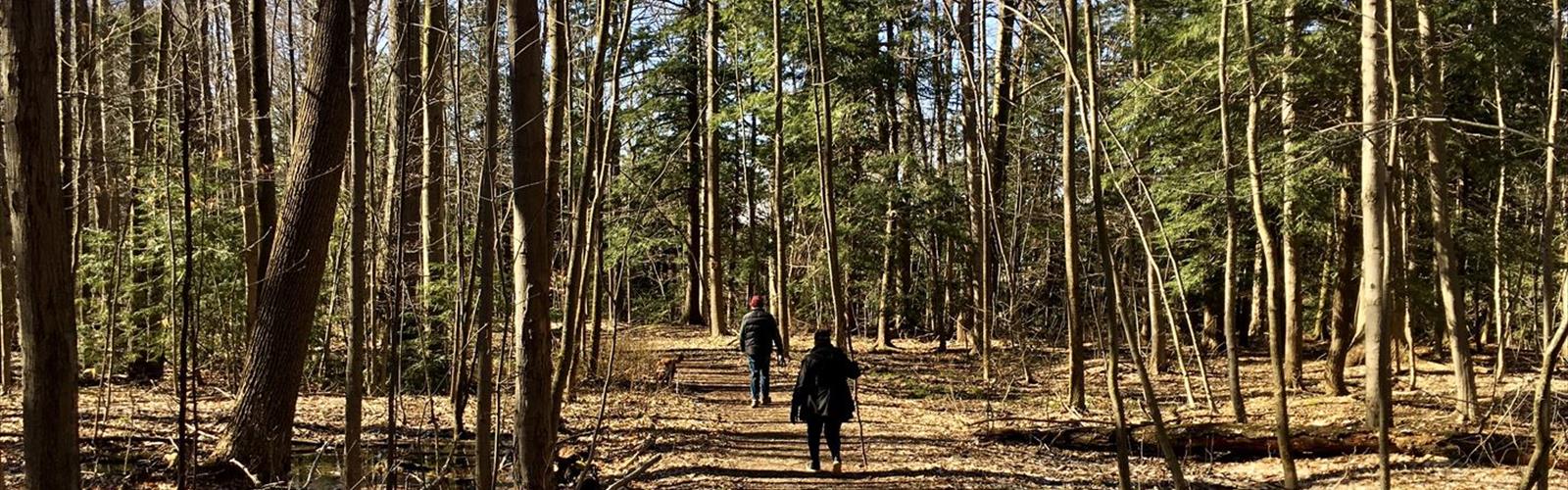
New York State stands as one of America's premier hiking destinations, encompassing over 54,000 square miles of diverse landscapes from the towering peaks of the Adirondacks to the rolling hills of the Hudson Valley. This remarkable state offers an unparalleled variety of outdoor experiences, featuring pristine wilderness areas, cascading waterfalls, and scenic mountain vistas that attract millions of outdoor enthusiasts annually. Whether you're seeking challenging alpine adventures or peaceful forest walks, New York's extensive trail network provides endless opportunities for exploration and discovery.
Major Hiking Regions
The Adirondack Park represents the crown jewel of New York hiking, covering six million acres of protected wilderness with 46 High Peaks exceeding 4,000 feet in elevation. This vast region offers everything from technical alpine climbs to family-friendly lake loops, making it a destination for hikers of all abilities.
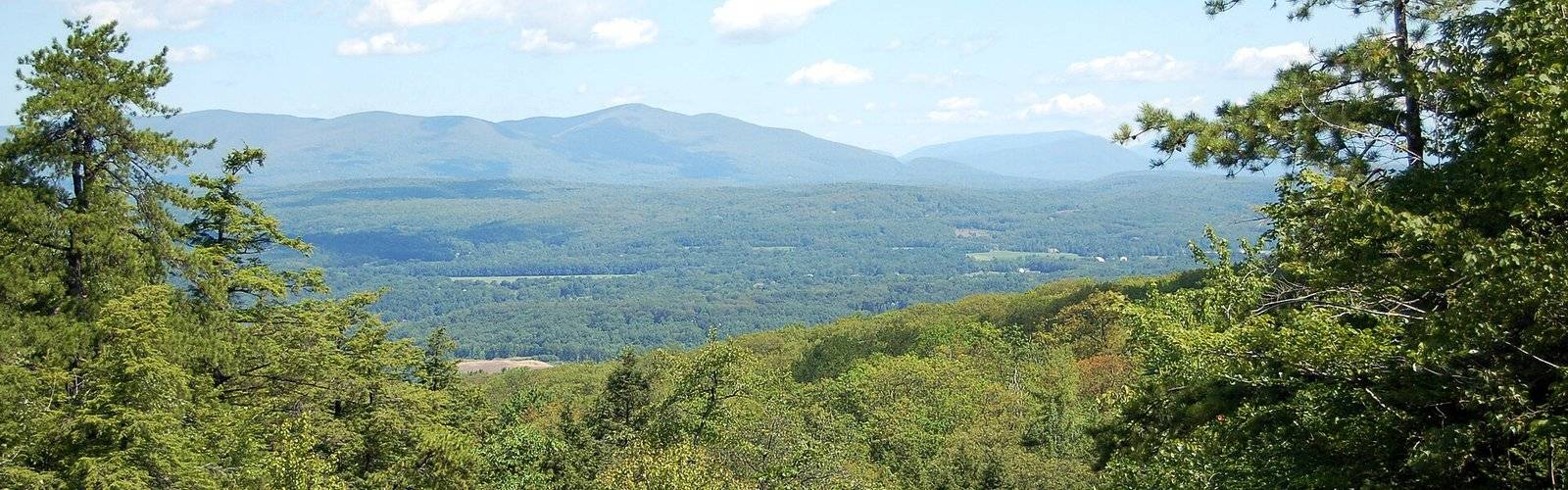
The Catskill Mountains provide a more accessible mountain experience, featuring 35 peaks over 3,500 feet and countless waterfalls. Known for their rich history and stunning autumn foliage, the Catskills offer excellent hiking opportunities within easy reach of New York City.
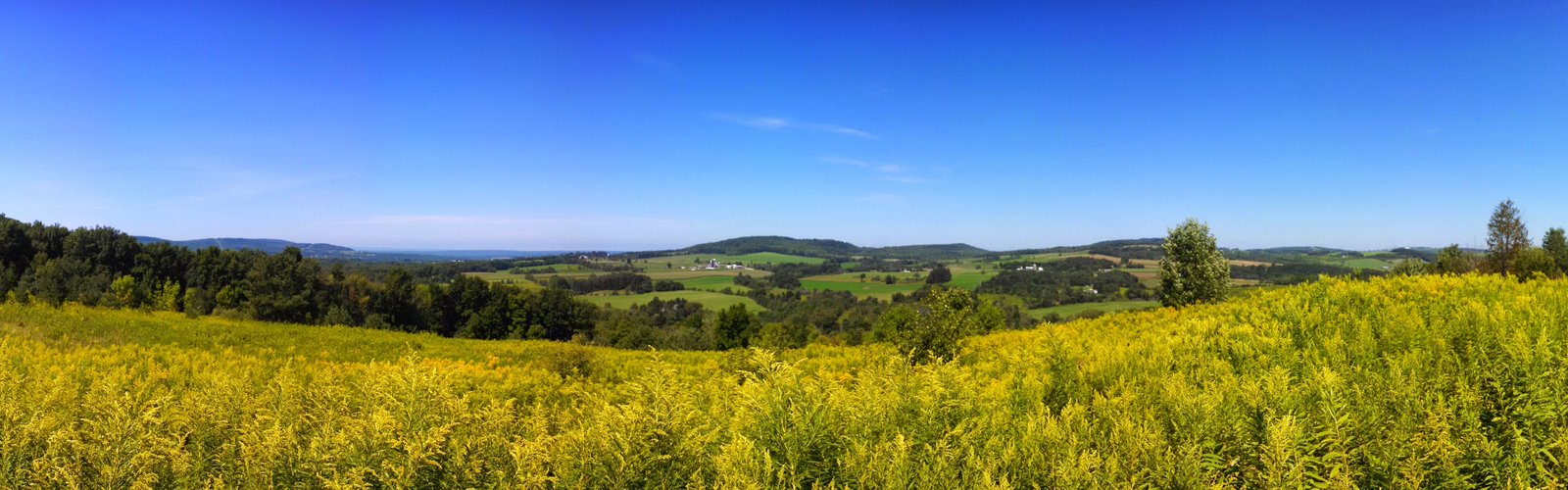
The Finger Lakes region combines gentle rolling terrain with dramatic gorges and pristine lakeshores, while the Hudson Valley features historic trails with breathtaking river views and charming small towns perfect for post-hike exploration.
Iconic Trail Experiences
High Peak Adventures
Mount Marcy, New York's highest peak at 5,344 feet, offers challenging terrain and panoramic views across the Adirondack wilderness. Mount Washington and Algonquin Peak provide equally rewarding alpine experiences for experienced hikers seeking technical challenges.
Waterfall Wonders
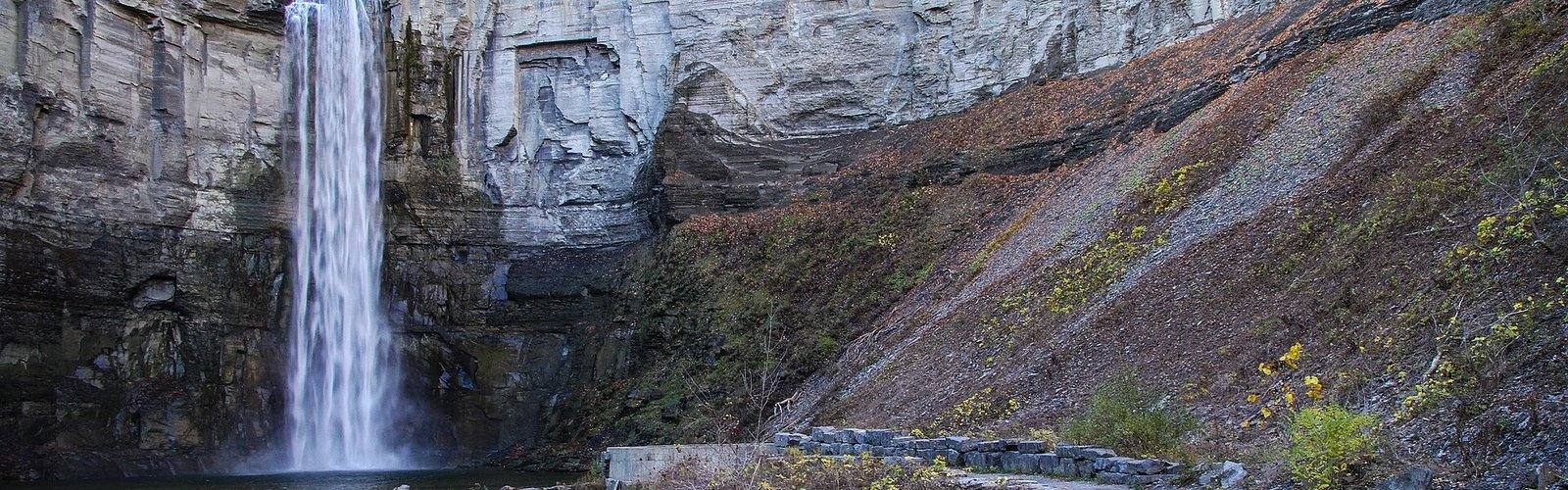
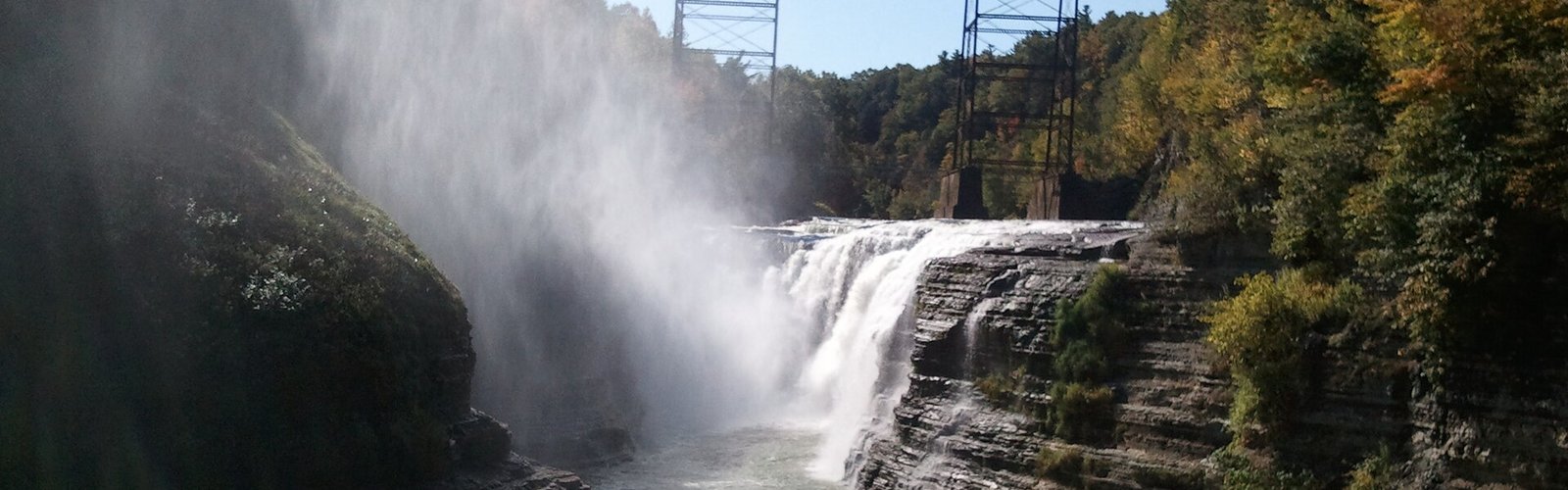
Kaaterskill Falls, the state's tallest waterfall, attracts thousands of visitors with its dramatic two-tier cascade. Taughannock Falls and Watkins Glen State Park showcase the geological wonders of the Finger Lakes region through spectacular gorge trails.
Scenic Ridge Walks
The Escarpment Trail in the Catskills delivers stunning views with moderate difficulty, while Bear Mountain offers accessible hiking with incredible Hudson River vistas just an hour from Manhattan.
Trails for Every Skill Level
New York's hiking landscape accommodates everyone from weekend warriors to seasoned mountaineers. Beginners can enjoy well-maintained paths around the Finger Lakes or gentle walks through state parks, while intermediate hikers find perfect challenges on Catskill peaks and Adirondack lake trails.
Advanced hikers can test their skills on the Adirondack 46er challenge, attempting to summit all peaks over 4,000 feet, or tackle technical rock scrambles on peaks like Gothics and Pyramid. Winter hiking and snowshoeing add another dimension of difficulty and beauty to the experience.
Four-Season Outdoor Paradise
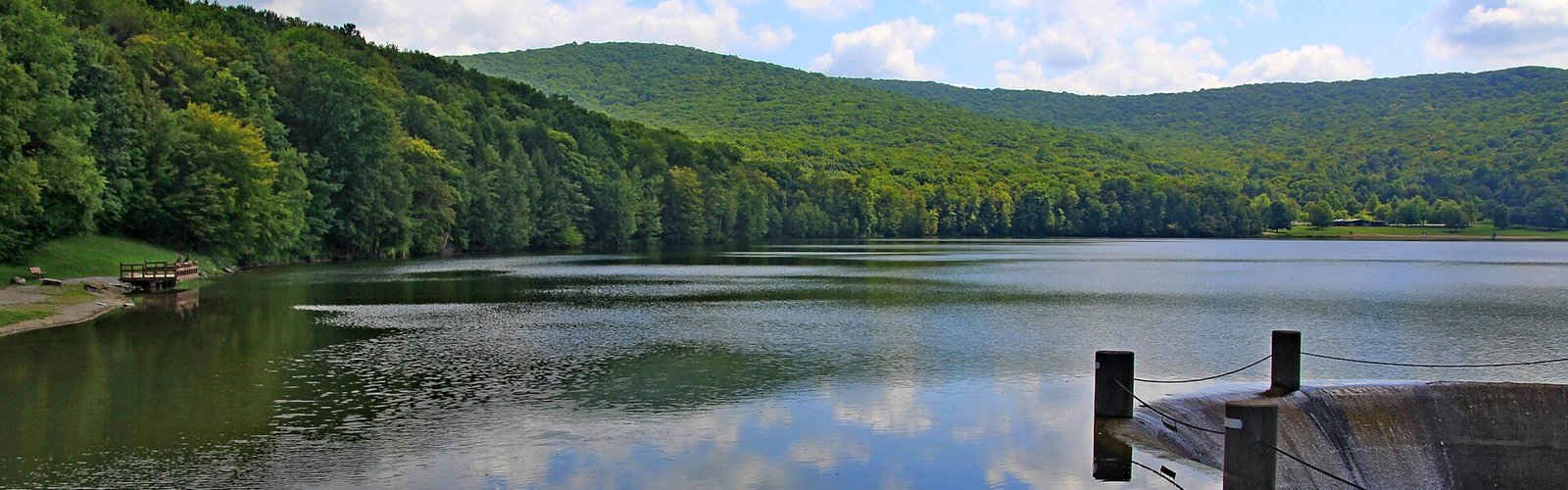
Summer hiking in New York reveals lush forests, crystal-clear mountain lakes, and comfortable temperatures perfect for multi-day backpacking adventures. The extensive trail network supports hiking, backpacking, and camping throughout the warmer months.
Winter transforms the landscape into a snowy wonderland ideal for snowshoeing, cross-country skiing, and winter hiking. Ice climbing opportunities abound in the Adirondacks, while frozen waterfalls create spectacular winter scenery throughout the state.
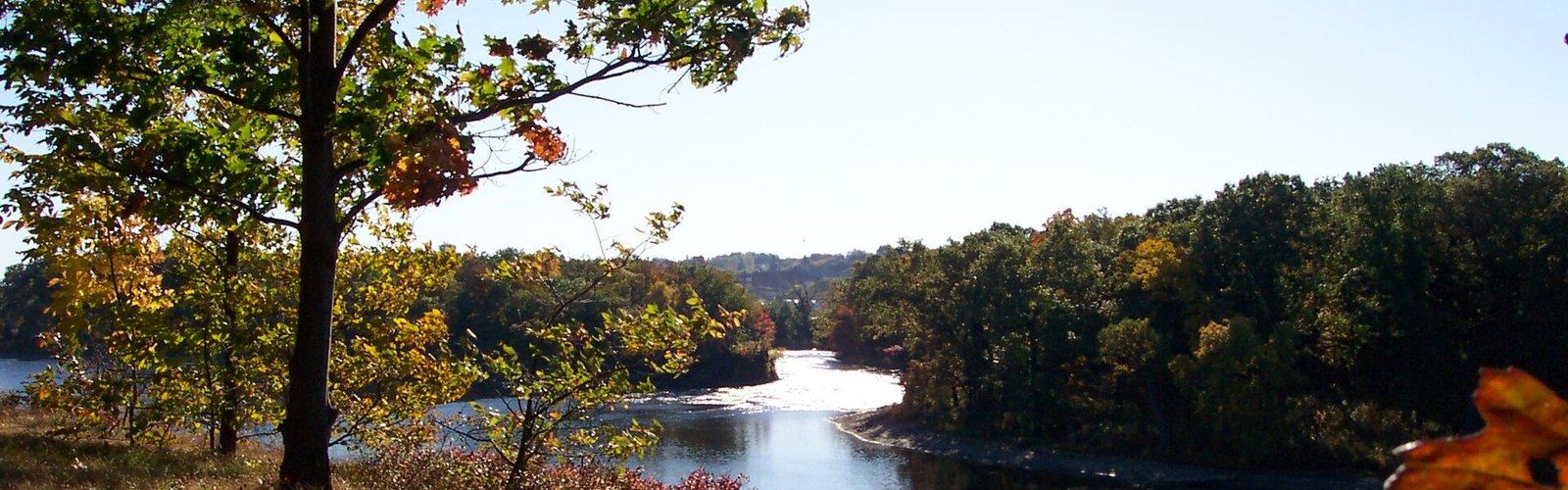
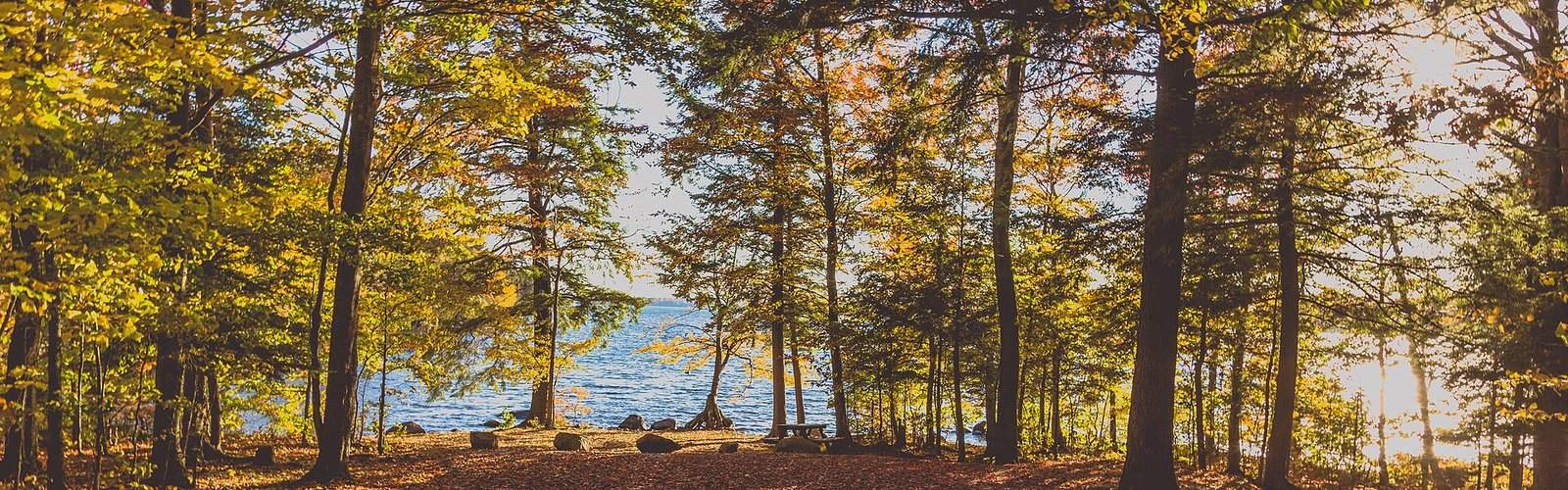
Spring and fall offer their own unique rewards, with wildflower blooms and world-renowned autumn foliage displays that draw visitors from around the globe.
Natural Diversity and Wildlife
New York's varied topography encompasses ancient mountain ranges, pristine lakes, dense hardwood and coniferous forests, and unique ecosystems supporting diverse wildlife. Hikers may encounter black bears, white-tailed deer, moose, and over 200 bird species throughout their adventures.
The state's geological diversity creates dramatic landscapes, from the ancient Adirondack dome to the sedimentary layers of the Finger Lakes gorges, offering educational opportunities alongside recreational pursuits.
Planning Your New York Hiking Adventure
The optimal hiking season runs from May through October, with peak conditions typically occurring between June and September. Winter hiking extends the season for properly equipped adventurers.
Major hiking areas remain easily accessible from New York City, Albany, Syracuse, and Buffalo, with numerous state parks, campgrounds, and lodging options supporting extended visits. The Adirondack and Catskill Parks offer both primitive camping and developed facilities to suit various preferences and budgets.