

Ready to explore N Country Trail? Here's everything you need to know before you go!
Discover the trail
Trail description
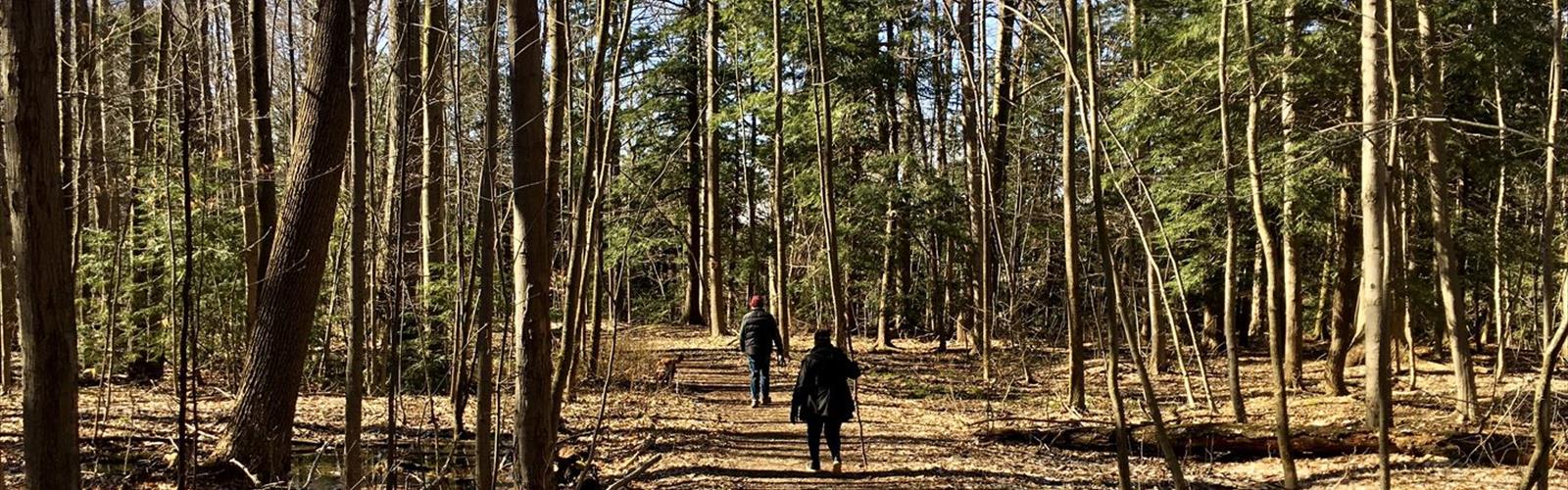
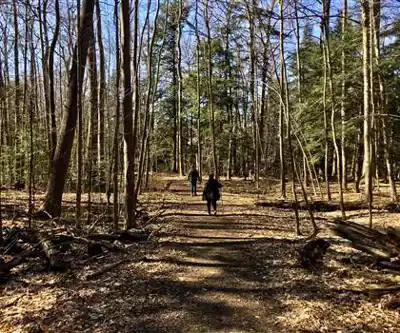
The North Country Trail cuts through the Chautauqua-Allegany region of Western New York, offering hikers a taste of the nation's longest National Scenic Trail. This 4,600-mile trail system stretches from North Dakota to Vermont, and the section here captures everything that makes Western New York's landscape special—rolling hills that seem to go on forever, dense hardwood forests, and quiet valleys that feel worlds away from civilization.
What sets this section apart is how it showcases the region's diverse terrain without overwhelming less experienced hikers. You'll walk through mature forest canopies where oak, maple, and hickory trees create a natural cathedral overhead. The trail weaves through meadows dotted with wildflowers in spring and summer, then dips into creek valleys where the sound of running water accompanies your footsteps. The rolling topography means you're constantly getting new perspectives on the landscape—one moment you're walking through a shaded hollow, the next you're cresting a hill with views across the countryside.
What to Expect on the Trail
The North Country Trail through this region is well-marked with the distinctive blue blazes maintained by the National Park Service and local volunteers. The trail surface varies from packed earth to occasional rocky sections, but nothing too technical for most hikers. You'll cross several small streams via wooden bridges or stepping stones, and the path is wide enough in most places for comfortable walking.
Wildlife viewing opportunities are excellent here. White-tailed deer are common, especially in the early morning and late afternoon hours. Wild turkeys often surprise hikers as they rustle through the underbrush, and the bird watching is particularly rewarding. You might spot pileated woodpeckers working the dead snags, various warbler species during migration, and hawks circling overhead in the more open areas.
The trail offers varying levels of difficulty depending on which section you choose to hike. Some stretches provide gentle, family-friendly walking through relatively flat terrain, while others include more challenging climbs up the region's characteristic hills. The estimated duration for most day hikes in this area runs 4 to 6 hours, though you can easily customize your experience by choosing shorter out-and-back segments.
Seasonal Considerations
Each season transforms this trail into a different experience entirely. Fall brings the spectacular foliage display that Western New York is famous for—the maples turn brilliant red and orange, while the oaks shift to deep burgundy and gold. Spring hiking reveals wildflowers carpeting the forest floor before the trees fully leaf out, including trilliums, bloodroot, and wild ginger. Summer offers the fullest canopy cover and the most active wildlife, though you'll want to start early to beat the heat. Winter hiking is possible but requires more preparation and appropriate gear for potentially icy conditions.
The photographic opportunities change dramatically with the seasons. Spring wildflowers create intimate close-up shots, while fall provides those sweeping landscape vistas with layers of colorful hills stretching to the horizon. Even winter has its appeal, with snow-covered branches creating stark, beautiful compositions.
Planning Your Visit
Before heading out, check current trail conditions through the North Country Trail Association (NCTA), which maintains this extensive network across multiple states including Michigan, Minnesota, Wisconsin, Pennsylvania, and Ohio. Local weather can affect trail conditions significantly, especially after heavy rains when some creek crossings might be more challenging.
Pack plenty of water—more than you think you'll need, especially during warmer months. The trail doesn't have reliable water sources in all sections, so carrying extra is always wise. Sturdy hiking boots or shoes with good tread are essential, particularly if you're hiking after rain when the trail can become slippery. A map or GPS device adds an extra layer of security, though the trail marking is generally excellent.
Consider bringing layers regardless of the season. The forest canopy can make temperatures feel significantly cooler than in open areas, and Western New York weather can change quickly. Insect repellent during warmer months will make your hike much more enjoyable, especially in the more wooded sections where mosquitoes and black flies can be persistent.
Connecting to the Larger Trail System
Hiking this section puts you on a trail that connects to some of the most spectacular natural areas in the eastern United States. The North Country Trail extends into Pennsylvania's Allegheny National Forest, where hikers can experience old-growth forest remnants and pristine wilderness areas. To the west, the trail continues through Ohio and into Michigan, passing near iconic destinations like Tahquamenon Falls State Park with its dramatic waterfalls and pristine wilderness.
Further west, the trail reaches Wisconsin's Brule River State Forest, known for its excellent trout fishing and boreal forest ecosystem, and eventually extends all the way to Lake Sakakawea State Park in North Dakota. This connection to such a vast trail system, established by Congress as a National Scenic Trail, gives even a day hike in the Chautauqua-Allegany region a sense of being part of something much larger.
The trail serves as more than just a hiking path—it's a corridor for wildlife movement and a preserved green space that protects important ecosystems across multiple states. When you're walking these Western New York sections, you're experiencing landscapes that represent the best of what this region has to offer while participating in a trail system that showcases the incredible diversity of American landscapes from the Great Plains to the Green Mountains.
The Essential Hiking Checklist
Everything you need for your next hike. Bilingual, printable, 1 page.
Get your free hiking checklistRecommended gear for this trail
As an Amazon Associate I earn from qualifying purchases.


Ready to go?
Everything you need to know before you goStarting Point
The start of the trails at the n country trail in New York can be accessed from Route 9N.
When?
How much?
As an Amazon Associate I earn from qualifying purchases.
Affiliate links — LGPO may earn a commission at no extra cost to you.
- Hiking shoes Essential
- → Salomon Elixir Tour Mid WP · 203.38 $
- Layered clothing Essential
- Rain jacket Essential
- Trekking poles
- → Black Diamond Trail Ergo Cork · 69.99 $
- Headlamp
- → Petzl Actik Core 625 · 103.95 $
FAQ - Frequently asked questions
Everything you need to knowSimilar hikes nearby
Discover other trails you might enjoy
Quaker Lake
Western New York

Wiscoy Falls
Western New York
Cassadaga Lakes
Western New York
Rock City Park
Western New York
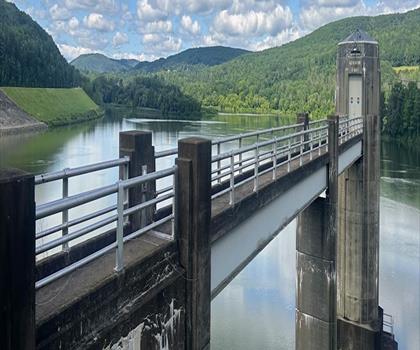
Bully Hill State Forest
Western New York
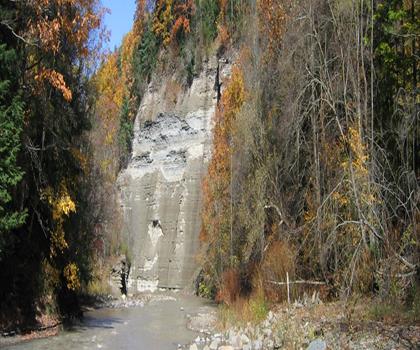
Deer Lick Conservation Area
Western New York
Hiking near Buffalo
0 trails to explore ~75 km away
We work hard to provide the most up-to-date and error-free data possible. If something seems incorrect, let us know! Your contribution helps the whole community.
Hikers' opinions
Be the first to review!
No hiker has shared their experience yet. Share your impressions and help other hikers!