

Ready to explore Deer Lick Conservation Area? Here's everything you need to know before you go!
Discover the trail
Trail description
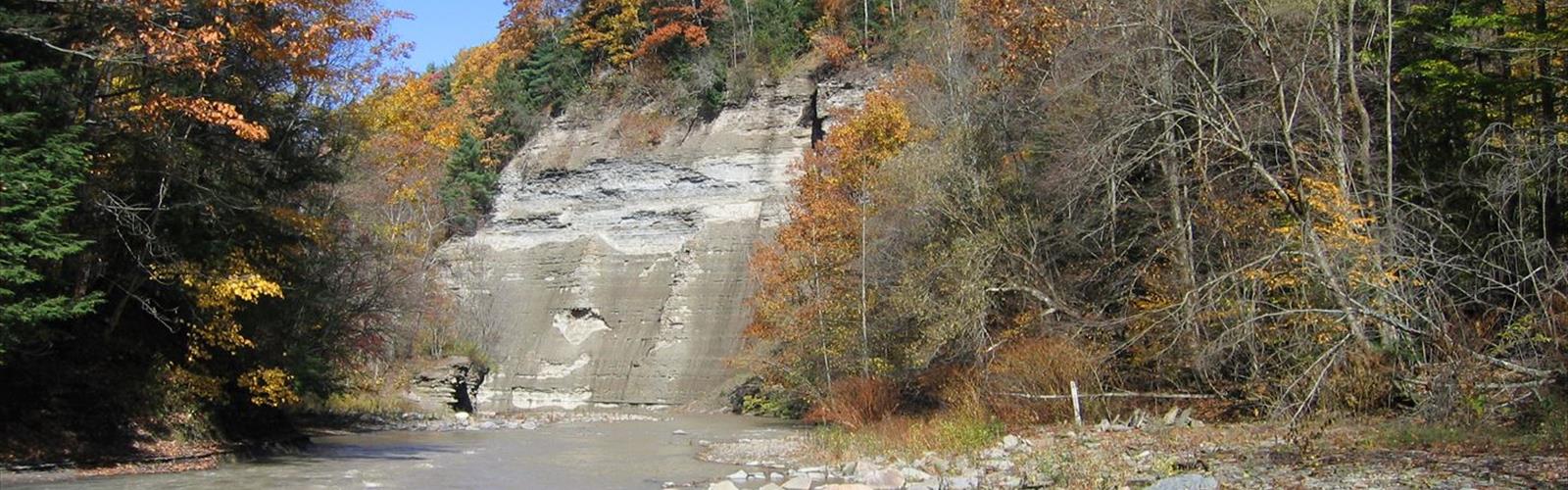
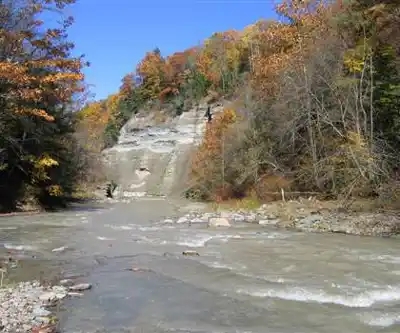
Deer Lick Conservation Area sits quietly in western New York's Cattaraugus County near Gowanda, offering hikers a genuine escape into one of the region's most diverse natural landscapes. This National Natural Landmark protects a remarkable ecosystem where dense mature hemlock forests meet a deep gorge carved by Cattaraugus Creek, creating the kind of varied terrain that keeps outdoor enthusiasts coming back.
Located near Point Peter Road, the conservation area is managed by The Nature Conservancy and forms part of Cattaraugus County's extensive network of protected lands. The Cattaraugus Creek winds through the landscape, adding both scenic beauty and opportunities for quiet moments by the water. What sets this area apart from other regional hiking destinations is its rich biodiversity and the geological complexity that tells the story of New York's natural history.
Trail System and Terrain
The well-marked trail network accommodates hikers of all experience levels, with multiple loop options ranging from shorter 3.3 km variations to longer 5.6 km routes. The main loop features the White and Yellow Trails, which wind through dense mature hemlock forests where towering trees create a natural canopy overhead, then open onto breathtaking vistas that showcase the deep gorge and canyon walls carved by Cattaraugus Creek.
The terrain varies significantly throughout your hike, with elevation gains ranging from 59 m to 143 m depending on your chosen route. This makes the area particularly appealing for those looking to experience meaningful elevation change without excessive technical difficulty. Plan on spending 2 to 3 hours exploring the main trail system, though photographers and wildlife watchers often find themselves lingering much longer.
Several trail junctions allow for shorter or longer variations, accommodating different fitness levels and time constraints. The unique rock formations scattered throughout the conservation area offer fascinating insights into the region's geological past, creating interesting focal points along the trails.
Wildlife and Natural Features
Deer Lick Conservation Area lives up to its name, with white-tailed deer frequently spotted moving gracefully through the woods, especially during early morning and late afternoon hours. The area serves as a haven for wildlife enthusiasts and photographers seeking to capture nature in its undisturbed state. Native bird species fill the forest with melodic calls throughout the day, creating an immersive natural soundscape.
The diverse ecosystems within the conservation area support a wide range of plant and animal life. The lush landscapes change character with the seasons, offering different experiences whether you visit during the vibrant greens of summer, the spectacular colors of fall, or the stark beauty of winter when snow highlights the forest's architectural structure.
Nearby Attractions
A short drive from the main conservation area takes you to Zoar Valley, where Deer Lick Falls cascades dramatically through rugged terrain. This waterfall represents a must-see destination for anyone exploring the region, offering a completely different perspective on the area's natural beauty. The falls are particularly impressive during spring snowmelt and after heavy rains when the water volume creates a truly spectacular display.
Practical Information
The conservation area is managed by The Nature Conservancy, ensuring that sustainable practices protect this valuable ecosystem for future generations. During firearms deer hunting season, specific regulations are enforced by local authorities, so check current restrictions before planning your visit. Turkey hunting regulations also apply during designated seasons.
Pack plenty of water for your hike, as the 2 to 3-hour duration and elevation gain will work up a thirst, especially during warmer months. Sturdy hiking boots are essential for navigating the varied terrain safely and comfortably, particularly on rocky sections and muddy areas near water features.
Visitors must respect the natural environment by staying on designated trails and following Leave No Trace principles. This conservation area's pristine condition depends on every hiker's commitment to preserving its natural state.
Access and Navigation
Finding Deer Lick Conservation Area is straightforward using standard navigation tools, with Point Peter Road serving as the primary access point near Gowanda, New York. The location in Cattaraugus County, Town of Persia, places it within easy reach of several western New York communities, making it an excellent choice for both local day hikes and destination trips from farther away.
The Essential Hiking Checklist
Everything you need for your next hike. Bilingual, printable, 1 page.
Get your free hiking checklistRecommended gear for this trail
As an Amazon Associate I earn from qualifying purchases.


Ready to go?
Everything you need to know before you goStarting Point
The deer lick conservation area is located in the town of Deerfield, in Franklin County, New York. To get there, take NY-3 west from Malone, and turn left onto NY-8. The conservation area will be on your right.
When?
How much?
As an Amazon Associate I earn from qualifying purchases.
Affiliate links — LGPO may earn a commission at no extra cost to you.
- Hiking shoes Essential
- → Salomon Elixir Tour Mid WP · 203.38 $
- Layered clothing Essential
- Rain jacket Essential
- Trekking poles
- → Black Diamond Trail Ergo Cork · 69.99 $
- Headlamp
- → Petzl Actik Core 625 · 103.95 $
FAQ - Frequently asked questions
Everything you need to knowSimilar hikes nearby
Discover other trails you might enjoy
N Country Trail
Western New York
Quaker Lake
Western New York

Wiscoy Falls
Western New York
Rock City Park
Western New York
Cassadaga Lakes
Western New York
Bully Hill State Forest
Western New York
Hiking near Buffalo
0 trails to explore ~52 km away
We work hard to provide the most up-to-date and error-free data possible. If something seems incorrect, let us know! Your contribution helps the whole community.
Hikers' opinions
Be the first to review!
No hiker has shared their experience yet. Share your impressions and help other hikers!