
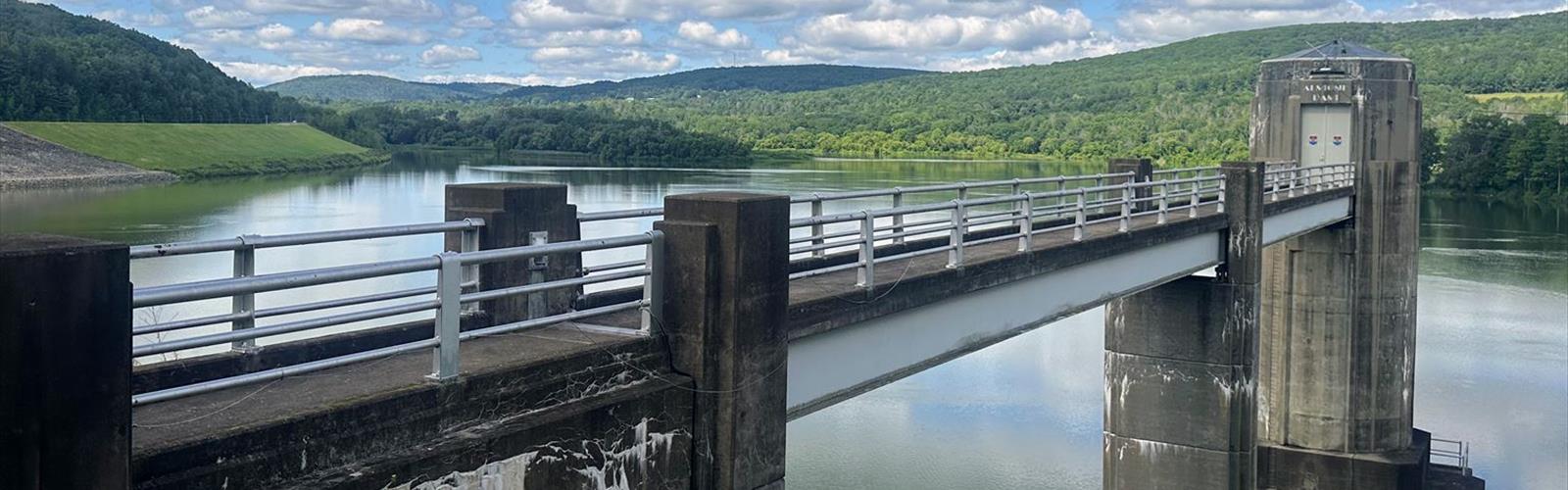

Ready to explore Bully Hill State Forest? Here's everything you need to know before you go!
Discover the trail

Trail description
Bully Hill State Forest covers 3,513 acres of rolling woodland in New York's Chautauqua-Allegany region, and it's the kind of place that rewards hikers who are willing to look past the more famous destinations in the state. While the Adirondacks and Catskills draw the crowds, this western New York forest offers something increasingly rare: genuine solitude in mature hardwood country.
The landscape here is classic western New York hill country — gentle ridges, dense deciduous canopy, and open meadows that break up the forest at intervals. The terrain isn't dramatic, but it has a quiet depth to it. As you gain elevation through the hardwood stands, the forest composition shifts noticeably, with different tree communities occupying different aspects and elevations. That variation keeps the hiking interesting and gives the forest a layered feel that flat woodland simply can't match.
The Hiking Experience
The trail system offers multiple route options through the forest. The main sections range from 6 to 17 kilometers with elevation gains between 200 and 522 meters, accommodating various fitness levels and time constraints. The terrain is well-marked with clear signage at junctions. The paths are wide enough to walk comfortably but haven't been over-engineered — you're still walking on natural surface through actual forest, not a groomed park path. That balance matters. It means you can focus on what's around you rather than watching your footing constantly, while still feeling like you're in genuine backcountry.
The mix of dense forest sections and open meadow areas gives the hike a natural rhythm. The meadow openings provide views across the surrounding hill country and a chance to catch your breath before heading back under the canopy. These transitions between habitat types are also where you're most likely to spot wildlife moving between cover and feeding areas.
Wildlife and Natural Features
White-tailed deer are a regular presence throughout the forest, most active in the early morning and at dusk. Wild turkeys are common too — you'll often hear them before you see them, especially in spring when the males are vocal. The forest's bird life shifts with the seasons: spring migration brings warblers and neotropical species moving through, while year-round residents like woodpeckers, nuthatches, and black-capped chickadees keep things lively in the quieter months.
The edge habitat where forest meets meadow is particularly productive for wildlife observation. Species that need both open foraging areas and forest cover tend to concentrate in these transition zones, making the meadow sections worth slowing down for. Because Bully Hill doesn't see heavy visitor traffic, wildlife here tends to be less habituated to human presence — which means more natural behavior if you're patient and quiet.
The forest floor changes dramatically through the seasons. Spring brings trilliums and wild leeks carpeting the understory before the canopy closes in. By fall, the hardwoods put on a full display of reds, oranges, and golds that makes the hill country particularly worth visiting in late September and October.
Overnight and Recreation
Bully Hill State Forest accommodates overnight visitors with camping opportunities, which opens up a different experience of the forest entirely. The nighttime soundscape — owls, small mammals moving through the leaf litter, the general settling of the woods — is worth staying for if you have the time. The forest also supports activities including snowmobiling, bird watching, nature photography and hunting.
Historical Background
Like many of New York's state forests, Bully Hill has roots in the Civilian Conservation Corps work of the 1930s. The CCC, part of Roosevelt's New Deal programs, was instrumental in developing the state forest system across New York, and the trails and infrastructure at properties like this one trace their origins to that era. It's a piece of context that adds some weight to the visit — the paths you're walking were built by workers during one of the country's most difficult periods, as part of a deliberate effort to restore and protect public land.
Getting There and Nearby
The forest sits in the Chautauqua-Allegany region of western New York, accessible via Interstate 86. From Interstate 86, take exit 33 (Almond), go west on County Route 2 about 1 mile, and turn right onto Bully Hill Road. The forest is located near SUNY @ Alfred and Alfred University. Nearby towns including Wellsville, Hornell, Arkport, Wayland, Dansville, and Geneseo provide options for resupply, food, and lodging before or after your visit. The Finger Lakes Trail passes through this area, so hikers interested in longer routes can look into connecting Bully Hill into that broader trail network, which spans a significant portion of New York State.
For anyone based in western New York looking for a solid forest hike without the drive to more crowded destinations, Bully Hill State Forest is a consistently underrated option that delivers real forest hiking on a manageable scale.
The Essential Hiking Checklist
Everything you need for your next hike. Bilingual, printable, 1 page.
Get your free hiking checklistRecommended gear for this trail
As an Amazon Associate I earn from qualifying purchases.


Ready to go?
Everything you need to know before you goStarting Point
The best way to get to the start of the trails at the bully hill state forest in New York is to take exit 61 off of the New York State Thruway and then take County Route 10 north for about 2.5 miles. The entrance to the forest will be on your left.
When?
How much?
As an Amazon Associate I earn from qualifying purchases.
Affiliate links — LGPO may earn a commission at no extra cost to you.
- Hiking shoes Essential
- → Salomon Elixir Tour Mid WP · 203.38 $
- Layered clothing Essential
- Rain jacket Essential
- Trekking poles
- → Black Diamond Trail Ergo Cork · 69.99 $
- Headlamp
- → Petzl Actik Core 625 · 103.95 $
FAQ - Frequently asked questions
Everything you need to knowSimilar hikes nearby
Discover other trails you might enjoy
N Country Trail
Western New York
Quaker Lake
Western New York

Wiscoy Falls
Western New York
Rock City Park
Western New York
Cassadaga Lakes
Western New York
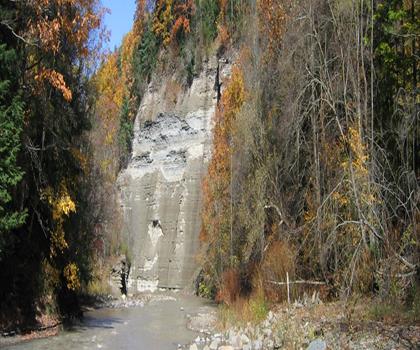
Deer Lick Conservation Area
Western New York
Hiking near Rochester
0 trails to explore ~92 km away
We work hard to provide the most up-to-date and error-free data possible. If something seems incorrect, let us know! Your contribution helps the whole community.
Hikers' opinions
Be the first to review!
No hiker has shared their experience yet. Share your impressions and help other hikers!