
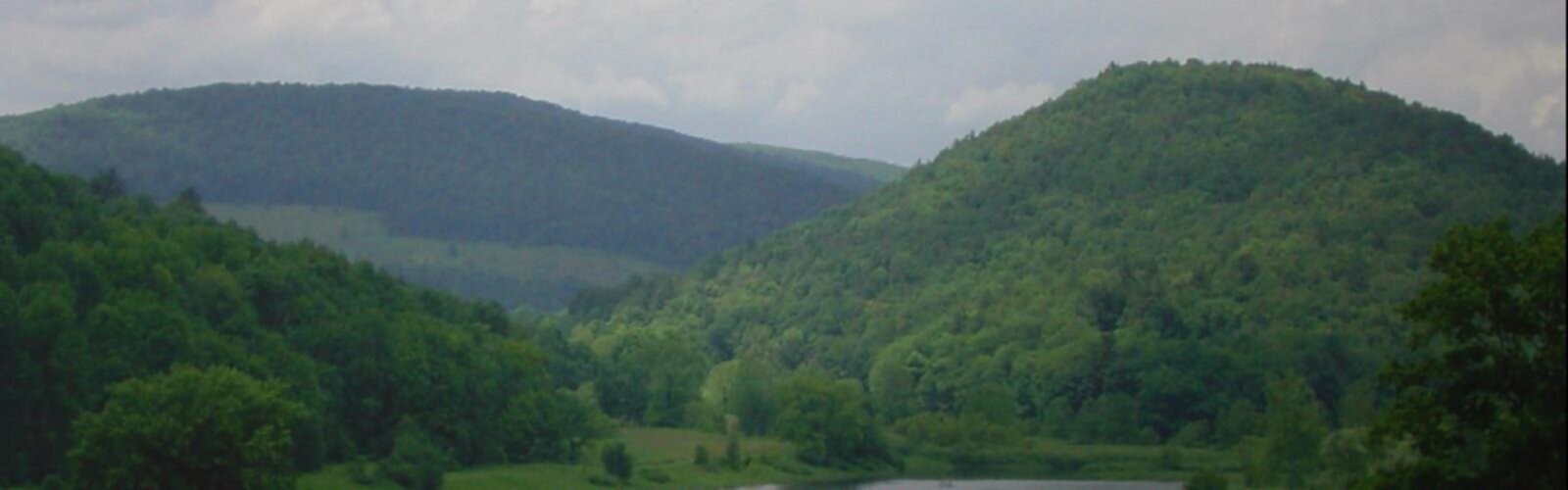

Ready to explore Delaware River? Here's everything you need to know before you go!
Discover the trail

Trail description
The Delaware River corridor in the Leatherstocking region of New York offers one of the most scenic and historically layered outdoor experiences in the state. Whether you're coming to walk the banks, explore the surrounding terrain, or simply spend time near one of the Northeast's most iconic waterways, this stretch of the Delaware delivers something genuine — wide open skies, wooded ridgelines, and a river that has shaped the landscape and the communities along it for centuries.
The River and the Landscape
The Delaware River forms a natural boundary between New York and Pennsylvania along much of its upper reach, and the section accessible through the Leatherstocking area gives you a real sense of that wild, unhurried character. The river here moves with purpose but without urgency — wide enough to feel expansive, shallow enough in places to read the current clearly. The surrounding terrain is a mix of forested hillsides, open floodplain, and rocky shoreline that changes depending on where you access it.
The valley itself sits within a broader landscape of rolling hills and agricultural land, which means the views from elevated points along the river corridor open up in ways you don't always get in tighter, more forested terrain. On a clear day, the contrast between the river below and the ridges on either side is genuinely striking.
What to Expect on the Trail
Trails and access points along the Delaware River in this part of New York tend to follow the natural contours of the land — hugging the riverbank in some sections, climbing into the wooded slopes above in others. The experience shifts depending on which access point you use and how far you push into the surrounding terrain.
Along the water, the walking is generally relaxed. You'll find gravel bars, sandy stretches, and sections of exposed bedrock that make for interesting footing and good spots to stop and take in the river. The forest canopy along the banks provides shade and a sense of enclosure that contrasts nicely with the open water views.
If you move away from the immediate riverbank and into the hillside terrain, the character of the hike changes. The grades become more noticeable, the forest thickens, and the sounds of the river fade into the background. These sections reward the effort with elevated perspectives and a quieter, more immersive woodland experience.
Wildlife and Natural Features
The Delaware River corridor is well known as a productive habitat for a wide range of wildlife. The river itself supports healthy fish populations, and it's common to see great blue herons working the shallows, ospreys overhead, and various waterfowl depending on the season. The forested slopes and riparian edges attract songbirds in significant numbers, making this a worthwhile destination for anyone who pays attention to what's moving through the trees.
White-tailed deer are a regular presence, particularly in the early morning and evening hours near the forest edges. The mix of river habitat, floodplain, and upland forest creates the kind of ecological diversity that supports a broad range of species without requiring you to go looking for them — they tend to show up on their own.
The river itself is worth paying attention to beyond the wildlife. The geology along the Delaware is varied and visible — exposed rock faces, glacially influenced landforms, and the ongoing work of the river on its banks all tell a story about how this landscape was built and how it continues to change.
Practical Information
Access to the Delaware River in the Leatherstocking region of New York is available through several points along the valley. Road access is generally straightforward, with parking available at key entry points. It's worth checking current conditions before you go, as river levels can affect access to certain bank sections, particularly after significant rainfall or during spring runoff.
- Terrain type: Riparian corridor, forested hillside, open floodplain
- Surface: Natural surface — rock, gravel, packed earth, sandy riverbank
- Water access: Direct river access at multiple points along the corridor
- Shade: Good canopy cover along the riverbank; more exposed on open floodplain sections
Footwear with solid grip is a good call here. Wet rocks along the riverbank can be slippery, and the terrain off the immediate bank can be uneven. Waterproof boots or trail shoes with good traction will serve you well across the range of surfaces you're likely to encounter.
Best Times to Visit
Spring brings high water and the energy of the river at its most active, along with migrating birds moving through the corridor. The forest is still opening up, which means better sight lines into the trees and a rawer, more elemental feel to the landscape.
Summer settles the river into its lower, clearer flows — ideal for anyone interested in the water itself, whether that's fishing, wading, or simply watching the current. The canopy is full, the shade is welcome, and the wildlife activity along the banks is consistent.
Fall is arguably the strongest season for this corridor. The hardwood forest on the surrounding hillsides turns in earnest, and the combination of fall color reflected in the river and the cooler, cleaner air makes for exceptional hiking conditions. Crowds are manageable, and the light in October and early November is some of the best of the year.
Winter access is possible and can be rewarding for those comfortable with cold-weather hiking. The bare trees open up views that are hidden in other seasons, and the river takes on a different, quieter character when the surrounding landscape is stripped back.
What Makes This Place Worth the Trip
The Delaware River in the Leatherstocking region isn't a destination that announces itself loudly. It doesn't have a dramatic summit or a single iconic feature that drives traffic. What it has is a sustained quality of experience — the kind of place where the further you go and the more time you spend, the more it gives back. The river is the constant, and everything else — the terrain, the wildlife, the history of the valley — builds around it in a way that rewards attention and patience.
For hikers based in or passing through the Leatherstocking region of New York, this stretch of the Delaware is a reliable and genuinely satisfying place to spend a few hours on foot.
The Essential Hiking Checklist
Everything you need for your next hike. Bilingual, printable, 1 page.
Get your free hiking checklistRecommended gear for this trail
As an Amazon Associate I earn from qualifying purchases.


Ready to go?
Everything you need to know before you goWhen?
How much?
As an Amazon Associate I earn from qualifying purchases.
Affiliate links — LGPO may earn a commission at no extra cost to you.
- Hiking shoes Essential
- → Salomon Elixir Tour Mid WP · 203.38 $
- Layered clothing Essential
- Rain jacket Essential
- Trekking poles
- → Black Diamond Trail Ergo Cork · 69.99 $
- Headlamp
- → Petzl Actik Core 625 · 103.95 $
FAQ - Frequently asked questions
Everything you need to knowSimilar hikes nearby
Discover other trails you might enjoy
Brewer Lake
Leatherstocking Region
Moose River
Leatherstocking Region
BREIA ski trails @ Egypt Rd.
Leatherstocking Region
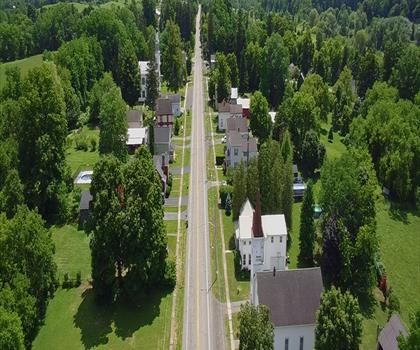
Delphi Falls County Park
Leatherstocking Region
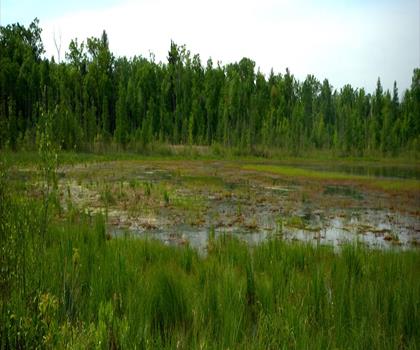
Mud Lake
Leatherstocking Region
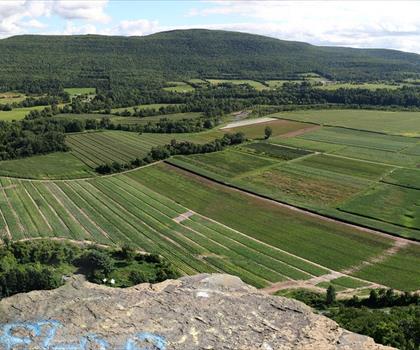
Vroman's Nose Hiking Trail
Leatherstocking Region
Hiking near Albany
0 trails to explore ~73 km away
We work hard to provide the most up-to-date and error-free data possible. If something seems incorrect, let us know! Your contribution helps the whole community.
Hikers' opinions
Be the first to review!
No hiker has shared their experience yet. Share your impressions and help other hikers!