
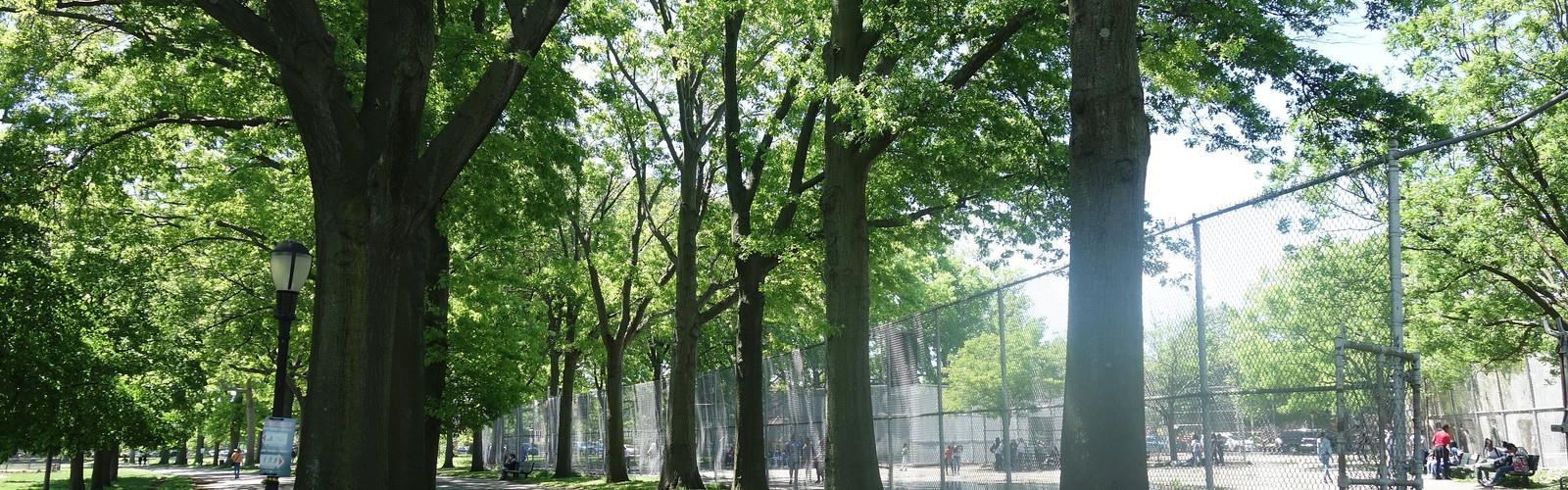

Ready to explore Marine Park? Here's everything you need to know before you go!
Discover the trail
Oh no! We don't have any photos 😢
This trail hasn't been captured yet. Be the first to share your adventure!Trail description
Marine Park offers a surprising natural escape within Brooklyn's urban landscape, providing New Yorkers with accessible trails and diverse ecosystems just minutes from the city center. This expansive green space combines easy walking paths with educational opportunities, making it an ideal destination for families, casual hikers, and nature enthusiasts looking to explore without venturing far from Manhattan.
Trail System and Terrain
The park's trail network accommodates hikers of all experience levels, with well-maintained paths winding through varied landscapes. The Salt Marsh Nature Trail stands out as the most popular route, offering an easy walk through lush vegetation and peaceful wetland areas. This trail provides excellent opportunities to observe the park's natural systems up close while remaining accessible to beginners and families with children.
The terrain throughout Marine Park remains relatively flat, making it perfect for leisurely exploration rather than challenging climbs. Expect to spend 2 to 3 hours exploring the various paths and taking time to appreciate the different ecosystems. The trails connect seamlessly, allowing visitors to customize their route length based on available time and energy levels.
Gerritsen Creek flows through portions of the park, creating scenic waterside walking opportunities along Fillmore Avenue. These creek-side sections add visual interest to the hike and provide some of the park's most photogenic spots, particularly during early morning or late afternoon light.
Ecosystems and Wildlife
Marine Park's greatest strength lies in its remarkable ecosystem diversity, rare for an urban park setting. The salt marshes represent the park's crown jewel, supporting specialized plant communities adapted to brackish water conditions. These wetlands create a completely different atmosphere from typical city parks, with tall grasses swaying in the breeze and the subtle sounds of water movement replacing urban noise.
Beyond the marshlands, expansive grassland areas provide habitat for different species and offer open views across the landscape. This variety means that a single visit can feel like exploring multiple parks, each with its own character and wildlife community.
Birdwatching opportunities abound throughout the year, with the diverse habitats supporting numerous species across different seasons. The salt marshes attract waterfowl and wading birds, while the grasslands host different songbird species. Serious birders and casual observers alike will find plenty to capture their attention, particularly during migration periods when species diversity peaks.
Educational Opportunities
The Salt Marsh Nature Center serves as the park's educational hub, offering visitors deeper insights into the local flora and fauna. The center's programs and guided tours provide context for what hikers observe on the trails, explaining the ecological relationships that make these urban wetlands function.
Educational programs run throughout the year, covering topics from seasonal wildlife changes to the historical development of the area. These offerings make Marine Park particularly valuable for families with curious children or adults interested in understanding urban ecology. The programs often highlight the conservation efforts that have preserved these natural areas within Brooklyn's dense urban environment.
The park's connection to the larger Gateway National Recreation Area adds another educational dimension, as visitors can learn about the broader network of protected spaces managed by the National Park Service throughout the New York metropolitan area.
Historical Context
Marine Park carries significant historical weight, with connections stretching back to figures like George Washington and the early development of New York. The Board of Aldermen played important roles in shaping this area during Gotham's urban expansion, and their decisions helped preserve these natural spaces for future generations.
Modern conservation efforts have been supported by dedicated individuals like Diana Dizerega and Josephine Axt, whose work has maintained the park's natural character despite urban pressures. The Marine Park Civic Association continues this tradition, actively working to preserve the area's beauty and ensure public access remains available.
Yale University has recognized the park's ecological significance through research projects, highlighting its value as an urban natural laboratory. This academic interest underscores the park's importance beyond recreation, serving as a living example of successful urban conservation.
Practical Amenities
Marine Park accommodates visitors arriving by various transportation methods. Public transportation provides convenient access from Manhattan and other Brooklyn neighborhoods, while ample parking serves those who prefer to drive. This accessibility makes the park an excellent choice for spontaneous day trips or planned family outings.
Designated picnic areas throughout the park allow visitors to extend their stay beyond hiking. These spaces work well for combining outdoor meals with trail exploration, creating opportunities for full-day experiences without leaving the park grounds. The picnic areas are strategically located to take advantage of scenic views while providing convenient access to the main trail system.
The park's location within the Gateway National Recreation Area means visitors can potentially combine their Marine Park experience with exploration of other nearby sites like Jamaica Bay and White Island, creating extended outdoor adventures across multiple connected locations.
Planning Your Visit
Marine Park works well for various types of outdoor experiences, from quick nature breaks to extended family outings. The flat terrain and well-maintained trails make it accessible year-round, though different seasons offer distinct experiences as plant communities change and wildlife patterns shift.
The park's proximity to Manhattan makes it particularly valuable for urban dwellers seeking regular nature contact without major travel commitments. Whether you're looking for peaceful solo walks, family-friendly outdoor time, or opportunities to learn about urban ecology, Marine Park delivers a surprisingly rich natural experience within New York City's boundaries.
The Essential Hiking Checklist
Everything you need for your next hike. Bilingual, printable, 1 page.
Get your free hiking checklistRecommended gear for this trail
As an Amazon Associate I earn from qualifying purchases.


Ready to go?
Everything you need to know before you goStarting Point
The easiest way to get to the start of the trails at marine park is to take the Q35 bus from the Flatbush Avenue subway station.
When?
How much?
As an Amazon Associate I earn from qualifying purchases.
Affiliate links — LGPO may earn a commission at no extra cost to you.
- Hiking shoes Essential
- → Salomon Elixir Tour Mid WP · 203.38 $
- Layered clothing Essential
- Rain jacket Essential
- Trekking poles
- → Black Diamond Trail Ergo Cork · 69.99 $
- Headlamp
- → Petzl Actik Core 625 · 103.95 $
FAQ - Frequently asked questions
Everything you need to knowSimilar hikes nearby
Discover other trails you might enjoy
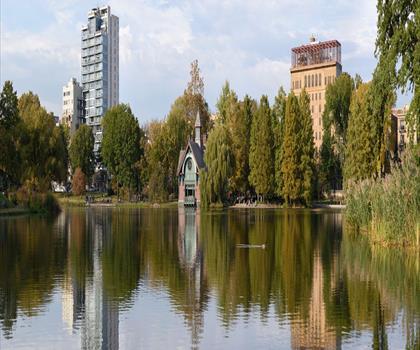
Central Park
New York City
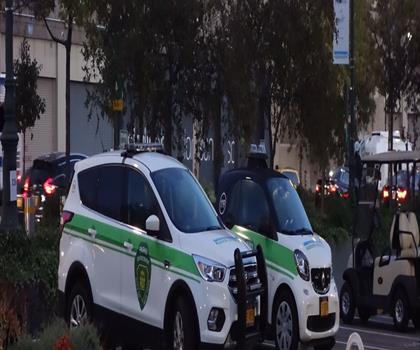
Hudson River Greenway
New York City
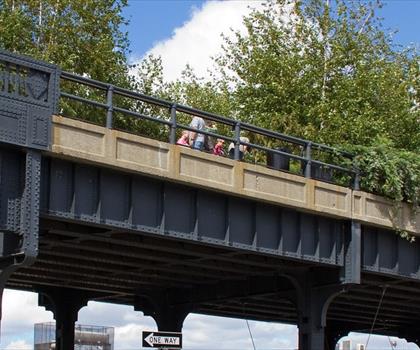
Beginning of High Line
New York City

Cunningham Park Mountain Bike Trailhead
New York City
Astoria Park
New York City
Fort Tryon Park
New York City
Hiking near New York City
0 trails to explore ~13 km away
We work hard to provide the most up-to-date and error-free data possible. If something seems incorrect, let us know! Your contribution helps the whole community.
Hikers' opinions
Be the first to review!
No hiker has shared their experience yet. Share your impressions and help other hikers!