Ready to explore Camel's Hump State Park? Here's everything you need to know before you go!
Discover the trail
Oh no! We don't have any photos 😢
This trail hasn't been captured yet. Be the first to share your adventure!Trail description
Description
Camel's Hump State Park stands out as one of Vermont's most distinctive hiking destinations, centered around the state's third-highest peak at 4,083 feet. The mountain's unmistakable camel-shaped silhouette has made it an iconic landmark visible from miles away across the Green Mountains. What sets this park apart is its remarkable transition from dense hardwood forests at the base to rare alpine tundra near the summit—one of only a few places in Vermont where you can experience this dramatic ecological shift.
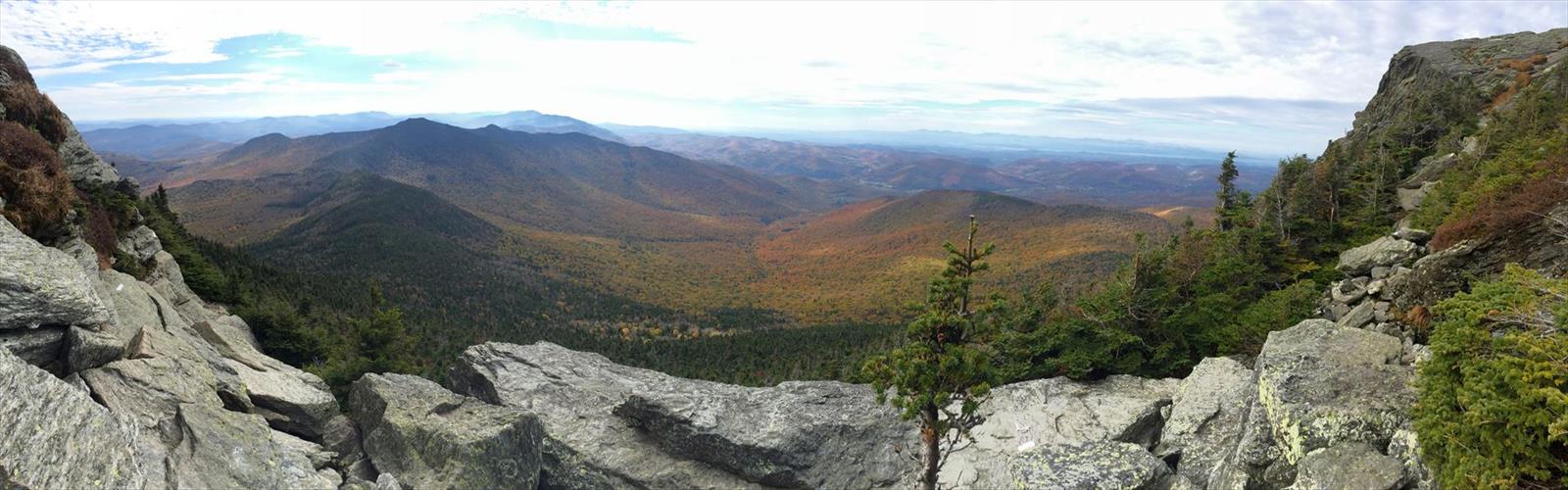
The park encompasses over 20,000 acres of protected wilderness, offering hikers everything from gentle forest walks to challenging summit climbs. The mountain's exposed upper reaches provide some of the most expansive views in Vermont, with panoramic vistas stretching across multiple states on clear days. You'll find yourself looking out over the Champlain Valley to New York's Adirondacks in the west, and east toward New Hampshire's White Mountains.
Trail Options and Terrain
The Burrows Trail serves as the most popular route to the summit, covering 2.4 miles with a moderate difficulty level that attracts hikers of varying experience. The trail begins in a parking area off Camel's Hump Road and immediately plunges into dense hardwood forest dominated by maple, birch, and beech trees. For the first mile, you'll follow a well-maintained path with gentle switchbacks that make the initial elevation gain manageable.
As you climb higher, the forest composition gradually changes. Around the 2,500-foot elevation mark, you'll notice the hardwoods giving way to spruce and fir trees, signaling your entry into the boreal forest zone. The trail becomes rockier and more challenging in this section, with some steep pitches that require careful footing, especially when wet.
The final approach to the summit presents the most dramatic change in scenery. The trees become stunted and sparse, eventually disappearing entirely as you emerge onto the alpine tundra zone. This fragile ecosystem, rare in Vermont, features low-growing plants adapted to harsh mountain conditions. The exposed rock faces and open summit provide the spectacular 360-degree views that make the climb worthwhile.
For hikers seeking a longer adventure, the Monroe Trail offers an alternative route with equally stunning vistas but a different character. This trail provides access to the famous Long Trail, America's oldest long-distance hiking trail that follows the spine of the Green Mountains from Massachusetts to Canada. The Monroe Trail tends to be less crowded than the Burrows Trail, making it an excellent choice for those preferring a quieter wilderness experience.
Wildlife and Natural Features
Camel's Hump State Park supports an impressive diversity of wildlife across its varied elevations and habitats. The lower hardwood forests provide habitat for white-tailed deer, wild turkeys, and various songbird species. Black bears are present throughout the park, though encounters are relatively rare if you follow proper food storage practices.
Higher up the mountain, you might spot moose, particularly in the early morning or evening hours. These massive animals favor the cooler temperatures and browse found in the transitional forest zones. The park has also become known for its successful peregrine falcon restoration program. These magnificent raptors nest on the mountain's cliff faces and can often be seen soaring around the summit area during the breeding season.
The alpine zone near the summit hosts several rare plant species found nowhere else in Vermont. These hardy survivors include mountain sandwort, three-toothed cinquefoil, and Bigelow's sedge. The fragile nature of this ecosystem means hikers should stay strictly on marked trails and avoid stepping on vegetation in the summit area.
Seasonal Considerations and Conditions
Each season brings a different character to Camel's Hump, though the mountain is accessible year-round for experienced hikers. Spring hiking can be challenging due to muddy conditions and lingering snow at higher elevations, but it offers the reward of fewer crowds and emerging wildflowers in the lower forests.
Summer provides the most reliable weather and trail conditions, though it also brings the heaviest crowds, particularly on weekends. The alpine zone can still be surprisingly cool even on hot summer days, so layered clothing remains important.
Fall transforms the mountain into a spectacular display of foliage, with the hardwood forests showing brilliant reds, oranges, and yellows. This is perhaps the most popular time to visit, so expect company on the trails and arrive early to secure parking.
Winter hiking requires mountaineering skills and appropriate gear, including snowshoes or crampons depending on conditions. The exposed summit can be extremely dangerous in winter weather, with high winds and temperatures well below zero.
Practical Preparation
Proper preparation is essential for a safe and enjoyable visit to Camel's Hump. The weather can change rapidly, especially near the summit, so pack layers including a warm jacket and rain gear even on seemingly pleasant days. The exposed summit area offers no shelter from wind, rain, or lightning.
Sturdy hiking boots with good ankle support are crucial, as the upper portions of the trail feature loose rocks and uneven surfaces. Trekking poles can be helpful, particularly for the descent when loose rocks can be slippery.
Bring more water than you think you'll need—at least two liters per person for the summit hike. There are no reliable water sources along the main trails, and the physical demands of the climb, especially in warm weather, can lead to rapid dehydration.
The park operates on Leave No Trace principles, which is particularly important given the fragile alpine ecosystem. Pack out all trash, stay on designated trails, and avoid disturbing wildlife or plant life. The alpine zone is especially sensitive to human impact and can take decades to recover from damage.
Ready to go?
Everything you need to know before you goStarting Point
The camel's hump state park is located in Vermont. To get to the start of the trails, take exit 10 off of I-89 and head east on Route 17. The park will be on your left.
When?
How much?
- Hiking shoes Essential
- Layered clothing Essential
- Rain jacket Essential
- Trekking poles
- Headlamp
FAQ - Frequently asked questions
Everything you need to knowThe Essential Hiking Checklist
Everything you need for your next hike. Bilingual, printable, 1 page.
Download the free checklistSimilar hikes nearby
Discover other trails you might enjoy
Vermont Association of Snow Travelers
Central Vermont
Northern Forest Canoe Trail
Central Vermont
Sterling Pond Trail
Central Vermont
Lake Mansfield Trout Club
Central Vermont
Moss Glen Falls
Central Vermont
Mill Trail
Central Vermont
Hiking near Stowe
0 trails to explore ~23 km away
We work hard to provide the most up-to-date and error-free data possible. If something seems incorrect, let us know! Your contribution helps the whole community.
Hikers' opinions