
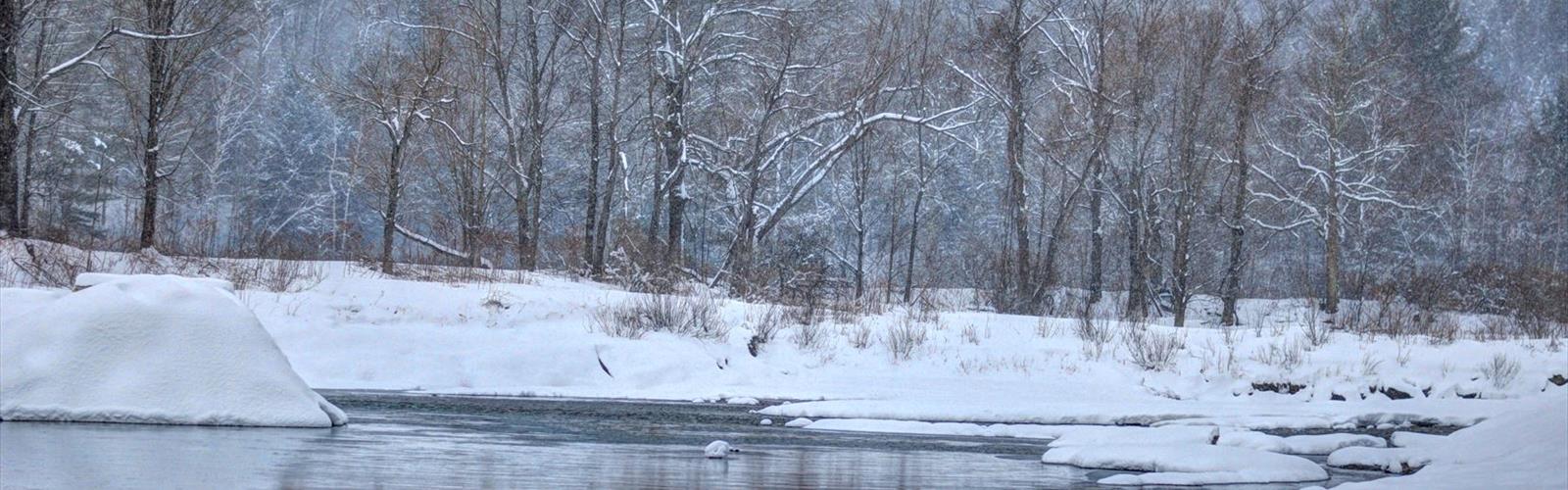

Ready to explore Northern Forest Canoe Trail? Here's everything you need to know before you go!
Discover the trail
Trail description
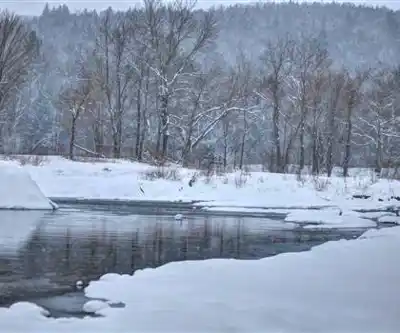
The Northern Forest Canoe Trail is one of the most remarkable water routes in North America — a long-distance paddling trail that winds through the heart of the northern forest, connecting communities, watersheds, and wild landscapes across a region defined by its rivers and lakes. While it's primarily known as a paddling route, the trail corridor passes through Central Vermont and offers a genuine connection to the outdoors for anyone drawn to moving water, remote campsites, and the kind of quiet that only comes when you're far from a road.
What Is the Northern Forest Canoe Trail?
The Northern Forest Canoe Trail is a mapped, signed water trail that follows a historic Indigenous travel route through the northern forest region. It links together rivers, lakes, ponds, and portages into a continuous corridor. The trail passes through Vermont as part of its broader route, making Central Vermont one of the key access points for paddlers looking to experience a section of this iconic waterway.
The trail is maintained and stewarded by the Northern Forest Canoe Trail organization, which works with landowners, state agencies, and local communities to keep the route accessible and well-marked. Whether you're planning a multi-week expedition or a single-day paddle on a local section, the infrastructure built around this trail makes it approachable for a wide range of skill levels.
The Landscape
Central Vermont's section of the Northern Forest Canoe Trail moves through a landscape shaped by glaciers, forests, and the rivers that drain the Green Mountains. Expect a mix of flatwater paddling, moving water, and the occasional portage around rapids or dams. The surrounding terrain is heavily forested, with hardwoods and conifers lining the banks and wildlife corridors that extend deep into the backcountry.
The water itself varies depending on the season and the specific stretch you're paddling. Some sections are calm and reflective, ideal for beginners or those looking for a meditative experience on the water. Other stretches have more current and require solid boat control. The trail is well-documented with maps and guidebooks that break down each section by difficulty, so you can plan a route that matches your experience level.
Getting on the Water
Access points along the Northern Forest Canoe Trail in Central Vermont are marked and generally include put-in and take-out spots with basic facilities. Portages — the overland carries between water sections — are a normal part of the experience on this trail. Some are short and easy, others are longer and more demanding, especially if you're carrying a loaded canoe or kayak.
The trail is designed primarily for canoes, which handle the mix of flatwater and moving water well. Kayaks are also used on many sections, though the portages can be more awkward with a longer boat. Stand-up paddleboards are less common but not unheard of on the calmer stretches.
Camping Along the Route
One of the defining features of the Northern Forest Canoe Trail is its network of campsites positioned along the route. These range from established sites with tent pads and outhouses to more primitive spots on riverbanks or lakeshores. Camping reservations and fees vary by site and land ownership — some sites are on state land, others on private land managed through agreements with the trail organization. Always check current conditions and reservation requirements before heading out, as policies can change.
The camping experience on this trail is genuinely backcountry. You're often far from the nearest road, and the self-sufficiency required is part of what makes it rewarding. Leave No Trace principles apply throughout the corridor.
Wildlife and Natural Features
The northern forest ecosystem that surrounds this trail is rich with wildlife. Paddlers regularly encounter great blue herons, osprey, bald eagles, and a variety of waterfowl along the water. Moose are common in wetland areas, particularly in the early morning and evening. Beaver activity is visible on many stretches, with dams and lodges built right along the paddling route.
The forests along the banks include northern hardwoods like sugar maple, yellow birch, and beech, mixed with stands of white pine, spruce, and fir. In fall, the foliage along the water is exceptional — the combination of the reflected colors and the quiet of paddling makes autumn one of the most popular times to be on this trail.
Planning Your Trip
The Northern Forest Canoe Trail organization publishes detailed maps and a guidebook series that covers the entire route in sections. These resources include water levels, portage descriptions, campsite locations, and access points — they're essential planning tools and worth picking up before your trip. The organization's website is also a solid resource for current conditions, trip reports, and shuttle logistics.
Shuttle logistics are one of the practical realities of a point-to-point water trail. Unless you're doing an out-and-back paddle, you'll need to arrange a vehicle shuttle or connect with local outfitters who offer shuttle services in the Central Vermont area. Planning this in advance makes the trip significantly smoother.
- Trail type: Water trail (canoe and kayak)
- Terrain: Flatwater, moving water, lakes, rivers, portages
- Camping: Established and primitive sites along the route
- Stewardship: Northern Forest Canoe Trail organization
- Best seasons: Late spring through fall, depending on water levels
- Maps and guides: Available through the Northern Forest Canoe Trail organization
A Few Things to Know Before You Go
Water levels on Vermont rivers fluctuate significantly with rainfall and snowmelt. Spring runoff can make some sections fast and technical, while late summer can bring low water that requires lining or additional portaging. Checking current conditions through the trail organization or local paddling clubs before your trip is always a good idea.
Insects — particularly black flies and mosquitoes — are a real factor in late spring and early summer along wooded river corridors. Bug protection is not optional during those months.
The Northern Forest Canoe Trail is a living route, meaning it evolves as land access agreements change and new sections are developed. Staying connected with the trail organization ensures you're working with the most current information when planning your time on the water in Central Vermont.
The Essential Hiking Checklist
Everything you need for your next hike. Bilingual, printable, 1 page.
Get your free hiking checklistRecommended gear for this trail
As an Amazon Associate I earn from qualifying purchases.


Ready to go?
Everything you need to know before you goStarting Point
To access the hiking trails, you can start at several trailheads in the area. One option is the Richford Trailhead located at 76 Main Street, Richford, VT 05476. Another starting point is the Missisquoi Valley Rail Trailhead at 50 St. Albans Street, Enosburg Falls, VT 05450. Both locations offer parking facilities for visitors.
When?
How much?
As an Amazon Associate I earn from qualifying purchases.
Affiliate links — LGPO may earn a commission at no extra cost to you.
- Hiking shoes Essential
- → Salomon Elixir Tour Mid WP · 203.38 $
- Layered clothing Essential
- Rain jacket Essential
- Trekking poles
- → Black Diamond Trail Ergo Cork · 69.99 $
- Headlamp
- → Petzl Actik Core 625 · 103.95 $
FAQ - Frequently asked questions
Everything you need to knowSimilar hikes nearby
Discover other trails you might enjoy

Vermont Association of Snow Travelers
Central Vermont
Sterling Pond Trail
Central Vermont
Moss Glen Falls
Central Vermont
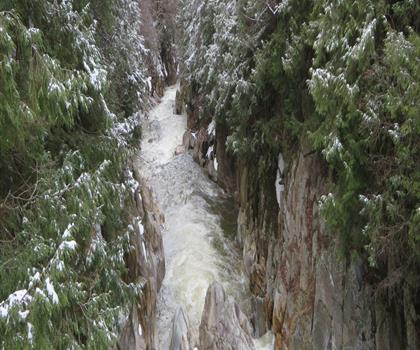
Mill Trail
Central Vermont
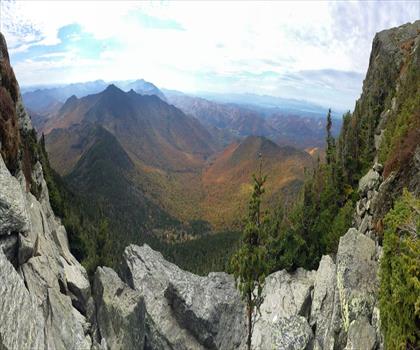
Camel's Hump State Park
Central Vermont
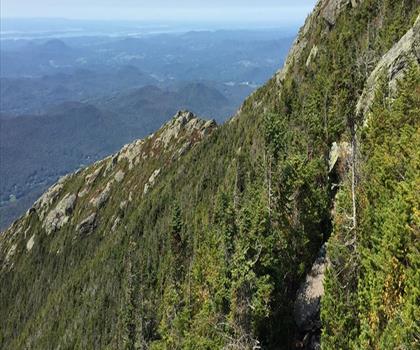
Sunset Ridge Trail
Central Vermont
Hiking near Montpelier
0 trails to explore ~23 km away
We work hard to provide the most up-to-date and error-free data possible. If something seems incorrect, let us know! Your contribution helps the whole community.
Hikers' opinions
Be the first to review!
No hiker has shared their experience yet. Share your impressions and help other hikers!