
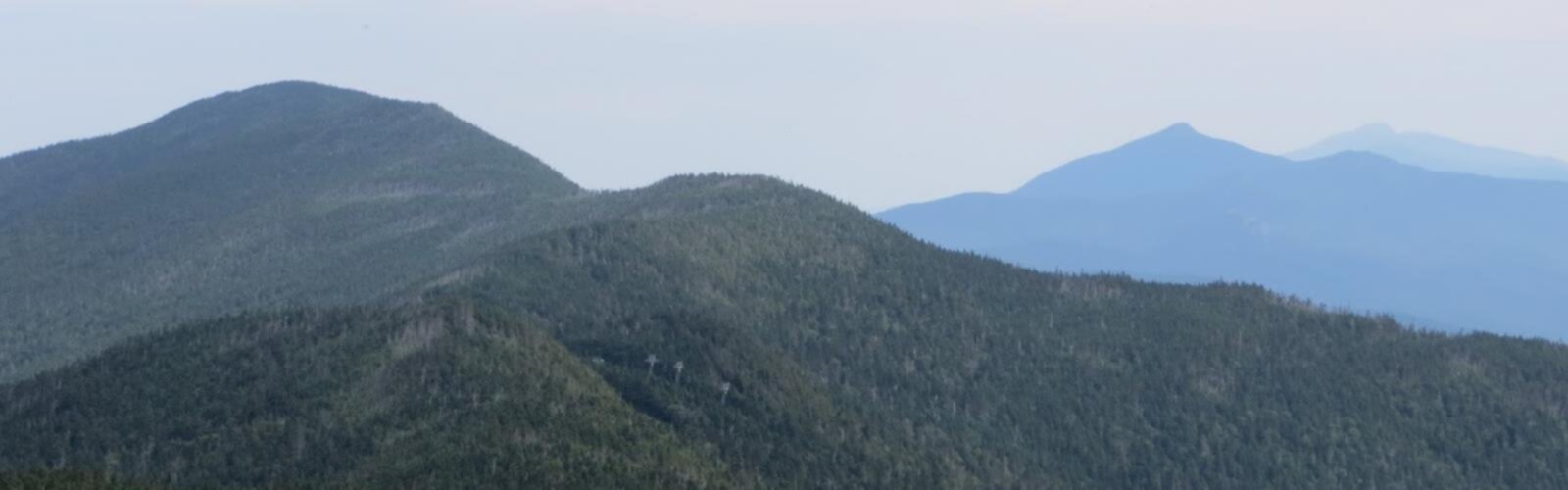
Ready to explore Cutts Peak, Vermont? Here's everything you need to know before you go!
Discover the trail
Oh no! We don't have any photos 😢
This trail hasn't been captured yet. Be the first to share your adventure!Trail description
Description
Cutts Peak rises from Vermont's Green Mountains as one of the state's more challenging yet accessible summit hikes. This peak delivers the classic Vermont mountain experience – dense hardwood forests, seasonal foliage displays, and expansive views across the region's characteristic rolling terrain. The mountain attracts hikers looking for a solid workout with rewarding panoramic vistas at the top.
Location and Setting
Positioned within the Green Mountain range that forms Vermont's backbone, Cutts Peak sits among the lush forested landscape that defines this part of New England. The Green Mountains stretch north to south across Vermont, creating a corridor of peaks known for their dense tree cover, diverse ecosystems, and the dramatic seasonal changes that draw visitors year-round. This particular peak offers hikers access to the heart of this mountain system without requiring the commitment of some of the range's more remote summits.
The surrounding terrain consists of mixed hardwood and coniferous forests typical of Vermont's elevations. Sugar maples, birches, and oaks dominate the lower slopes, while spruce and fir become more prevalent as you gain altitude. This forest composition creates the spectacular fall color displays Vermont is famous for, with the canopy transforming from summer's deep greens to autumn's brilliant reds, oranges, and yellows.
The Trail and Hiking Experience
The well-marked and maintained trail to Cutts Peak's summit provides hikers with a steady ascent through varied forest environments. The path begins among towering deciduous trees, where the forest floor changes character with the seasons – from spring's emerging wildflowers and fresh green understory to autumn's carpet of fallen leaves. Trail maintenance keeps the route clear and easy to follow, making navigation straightforward for hikers of varying experience levels.
As you climb, the trail offers natural rest spots where the forest opens up or rocky outcroppings provide places to pause and take in the surrounding woodland. These breaks become welcome as the elevation gain accumulates – while the trail is accessible to many skill levels, the sustained climb provides a genuine workout that will challenge most hikers.
The ascent takes you through distinct forest zones, each with its own character and wildlife. White-tailed deer frequent these woods, often visible in the early morning or late afternoon hours. The diverse bird population includes species typical of Vermont's forests – woodpeckers, nuthatches, and various songbirds that change with the seasons as migratory species come and go.
Trail conditions vary seasonally, with spring bringing muddy sections as snowmelt saturates the forest floor, while summer offers the most stable footing. Fall hiking provides the famous foliage views but can include slippery conditions from wet leaves. Winter transforms the trail entirely, requiring snowshoes or microspikes depending on conditions.
Summit Views and Rewards
Cutts Peak's summit opens up to reveal the panoramic views that make the climb worthwhile. From the top, Vermont's characteristic landscape spreads out below – rolling hills and valleys covered in forest, with clearings and farmland creating a patchwork pattern across the terrain. The view encompasses the broader Green Mountain region, showing how this peak fits into the larger mountain system.
On clear days, the vista extends beyond Vermont's borders. Peaks in New Hampshire become visible to the east, while New York's mountains appear on the western horizon. This cross-state perspective gives hikers a sense of the broader Appalachian Mountain system and Vermont's place within it. The summit provides excellent opportunities for photography, whether capturing the expansive landscape views or the intimate details of the mountain environment.
The summit area itself offers space to rest and enjoy the views comfortably. Unlike some peaks where the top is cramped or heavily wooded, Cutts Peak provides room for hikers to spread out and truly appreciate the panoramic perspective they've earned through their climb.
Seasonal Considerations and Planning
Each season brings distinct advantages and challenges to hiking Cutts Peak. Spring hiking means dealing with mud season conditions but also experiencing the forest's awakening – budding trees, returning birds, and the first wildflowers. Summer provides the most stable trail conditions and longest daylight hours, though it also brings the heaviest trail traffic and warmest temperatures.
Fall represents peak season for many hikers, drawn by Vermont's legendary foliage displays. The forest canopy becomes a living kaleidoscope of colors, making even familiar trail sections feel transformed. However, this popularity means busier trails and the need for earlier starts to secure parking and enjoy quieter hiking conditions.
Winter hiking opens up different perspectives as the bare trees reveal views obscured during leafed seasons, but requires appropriate gear and experience with winter mountain conditions. Snow and ice change the trail's character completely, demanding careful preparation and potentially extending hiking times significantly.
Preparation and Practical Considerations
Proper preparation enhances both safety and enjoyment on Cutts Peak. Sturdy hiking boots provide essential ankle support and traction on the varied terrain, while weather-appropriate clothing becomes crucial given the elevation gain and exposure at the summit. Layered clothing works best, allowing adjustment as conditions change between the trailhead and summit.
Carrying plenty of water is essential, especially during warmer months when the sustained climb and elevation gain increase hydration needs. The trail offers limited water sources, making self-sufficiency important for a comfortable hike.
Checking local weather conditions and trail reports before departure helps ensure safe hiking conditions. Mountain weather can change rapidly, and conditions at the summit often differ significantly from those at the trailhead. The estimated duration of 4 to 6 hours allows time for a steady pace with breaks to enjoy the scenery and wildlife viewing opportunities along the way.
Ready to go?
Everything you need to know before you goStarting Point
To access the hiking trails, you can start at one of the following trailheads:
Trailhead 1: Located at 123 Mountain Road, Townsville, VT 05601. This is a popular starting point with a parking lot available for hikers.
Trailhead 2: Situated at 456 Forest Lane, Villagetown, VT 05602. This location also offers parking facilities and provides an alternative route to the trails.
Ensure to check local maps or guides for any additional trailheads or updates on parking availability before your visit.
When?
How much?
- Hiking shoes Essential
- Layered clothing Essential
- Rain jacket Essential
- Trekking poles
- Headlamp
FAQ - Frequently asked questions
Everything you need to knowThe Essential Hiking Checklist
Everything you need for your next hike. Bilingual, printable, 1 page.
Download the free checklistSimilar hikes nearby
Discover other trails you might enjoy
Vermont Association of Snow Travelers
Central Vermont
Northern Forest Canoe Trail
Central Vermont
Sterling Pond Trail
Central Vermont
Lake Mansfield Trout Club
Central Vermont
Moss Glen Falls
Central Vermont
Mill Trail
Central Vermont
Hiking near Montpelier
0 trails to explore ~31 km away
We work hard to provide the most up-to-date and error-free data possible. If something seems incorrect, let us know! Your contribution helps the whole community.
Hikers' opinions