
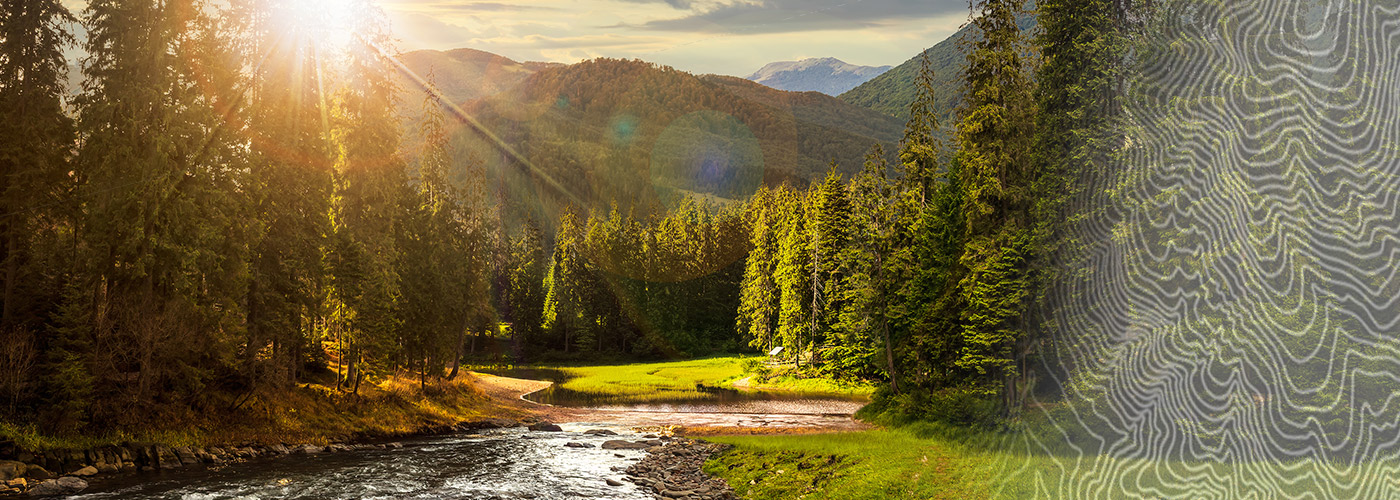

Ready to explore Southern Vermont? Here's everything you need to know before you go!
Discover the trail
Oh no! We don't have any photos 😢
This trail hasn't been captured yet. Be the first to share your adventure!Trail description
Southern Vermont is one of those regions that rewards hikers who take the time to explore beyond the obvious. Tucked into the lower reaches of the Green Mountain State, this area offers a compelling mix of forested ridgelines, pastoral valleys, and trails that feel genuinely removed from the everyday — without requiring a multi-day expedition to get there.
The Landscape
The terrain here is shaped by the southern tail of the Green Mountains, where the ridges soften slightly compared to the more dramatic peaks further north, but the hiking remains engaging and varied. Hardwood forests of maple, beech, and yellow birch dominate the lower elevations, giving way to spruce and fir as you climb. The result is a landscape that shifts noticeably with the seasons and rewards repeat visits throughout the year.
Stream crossings, mossy ledges, and the occasional open summit with long views into neighboring states are all part of the experience here. The topography keeps things interesting without being relentlessly steep, making Southern Vermont accessible to a wide range of hikers — from those just getting into the sport to seasoned trail runners looking for a solid day out.
Trail Character
What sets Southern Vermont apart from other hiking regions is the density and diversity of trail options packed into a relatively compact area. The Long Trail — America's oldest long-distance hiking trail — passes through this region, and many day hikers use it as a backbone for exploring the area. Side trails branch off into quieter corners, offering solitude even on busy weekends.
Trails here tend to be well-established and maintained, largely thanks to the Green Mountain Club, which has stewarded the Long Trail and surrounding routes for over a century. Blazing is generally reliable, and the trail culture in Vermont tends toward a respectful, low-impact approach that keeps the experience pleasant for everyone.
Expect rooty, rocky footing in many sections — this is classic New England trail terrain. Good footwear with ankle support makes a real difference, especially after rain when the rocks and roots get slick. Stream crossings can vary from simple rock-hops to more involved fords depending on the season and recent precipitation.
What to Expect on the Trail
Hiking in Southern Vermont tends to feel immersive rather than dramatic. You're often moving through dense forest for extended stretches, which creates a sense of depth and quiet that's genuinely restorative. When viewpoints do open up — whether from a rocky ledge, a fire tower, or a bald summit — the payoff feels earned.
Wildlife is present throughout the region. White-tailed deer are common, and black bear sightings, while not everyday occurrences, are not unusual either. Birding can be excellent, particularly during spring migration when warblers move through the forest in numbers. Moose are present in the area, though they tend to favor wetter, lower terrain.
The trail network connects to several small towns and villages that have long catered to hikers and outdoor travelers. This means that logistics — parking, resupply, a meal after a long day — are generally manageable without a lot of advance planning.
Seasons and Conditions
Southern Vermont hiking has a clear seasonal rhythm worth understanding before you head out.
- Summer brings full canopy cover, which keeps things cool on hot days, though humidity can be a factor. Bugs — particularly black flies and mosquitoes — are most active from late May through early July.
- Fall is peak season for good reason. The foliage in Southern Vermont is genuinely spectacular, and the cooler temperatures make for ideal hiking conditions. Expect more company on the trails during peak leaf season, typically mid-September through mid-October.
- Winter opens up a different experience entirely. Snowshoeing and ski touring are both viable options on many trails, and the forest takes on a stark, quiet beauty. Be prepared for variable conditions and shorter daylight hours.
- Spring (mud season) is the one time to be cautious. Vermont's mud season — roughly March through May — can make trails genuinely difficult and causes real erosion damage when hikers go off-trail to avoid the worst of it. Staying on the established path, even when muddy, is the right call.
Practical Information
Access points vary depending on which trails or trailheads you're targeting within the region. Many trailheads have small parking areas, and some of the more popular ones fill up early on weekends during peak season — arriving by mid-morning is a reasonable strategy if you want to secure a spot without stress.
Cell service is inconsistent across much of Southern Vermont's backcountry. Downloading offline maps before you go — whether through a dedicated app or a downloaded topo — is a straightforward precaution that makes navigation more reliable and reduces the temptation to rely on a signal that may not be there when you need it.
Leave No Trace principles are widely observed and expected in this region. Pack out everything you bring in, stay on marked trails especially during mud season, and be mindful of other users sharing the trail network — hikers, trail runners, and in some areas, mountain bikers and equestrians all use parts of this system.
Getting There
Southern Vermont is reasonably accessible from major population centers in the northeastern United States. The region is served by a network of state and local roads that connect to the various trailheads scattered across the area. A reliable vehicle with decent clearance is an asset for reaching some of the more remote access points, particularly on unpaved forest roads that can be rough in wet conditions.
Whether you're planning a single-day outing or using the area as a base for several days of hiking, Southern Vermont offers enough variety to keep the itinerary interesting without ever feeling like you've exhausted what the region has to offer.
The Essential Hiking Checklist
Everything you need for your next hike. Bilingual, printable, 1 page.
Get your free hiking checklistRecommended gear for this trail
As an Amazon Associate I earn from qualifying purchases.


Ready to go?
Everything you need to know before you goStarting Point
To access the hiking trails, you can start at several trailheads:
Trailhead at 2460 Route 9, Woodford, VT 05201. This location provides parking and easy access to the trails.
Another option is the trailhead located at 1000 Stratton Arlington Road, Stratton, VT 05360. This site also offers parking facilities.
You can also begin your hike from the trailhead at 1584 East Arlington Road, Arlington, VT 05250. Parking is available here as well.
These addresses will guide you to the starting points for exploring the trails in the area.
When?
How much?
As an Amazon Associate I earn from qualifying purchases.
Affiliate links — LGPO may earn a commission at no extra cost to you.
- Hiking shoes Essential
- → Salomon Elixir Tour Mid WP · 203.38 $
- Layered clothing Essential
- Rain jacket Essential
- Trekking poles
- → Black Diamond Trail Ergo Cork · 69.99 $
- Headlamp
- → Petzl Actik Core 625 · 103.95 $
FAQ - Frequently asked questions
Everything you need to knowSimilar hikes nearby
Discover other trails you might enjoy

Vermont Association of Snow Travelers
Central Vermont
Northern Forest Canoe Trail
Central Vermont
Sterling Pond Trail
Central Vermont
Moss Glen Falls
Central Vermont
Lake Mansfield Trout Club
Central Vermont
Mill Trail
Central Vermont
Hiking near Sydney
22 trails to explore ~7574 km away
We work hard to provide the most up-to-date and error-free data possible. If something seems incorrect, let us know! Your contribution helps the whole community.
Hikers' opinions
Be the first to review!
No hiker has shared their experience yet. Share your impressions and help other hikers!