
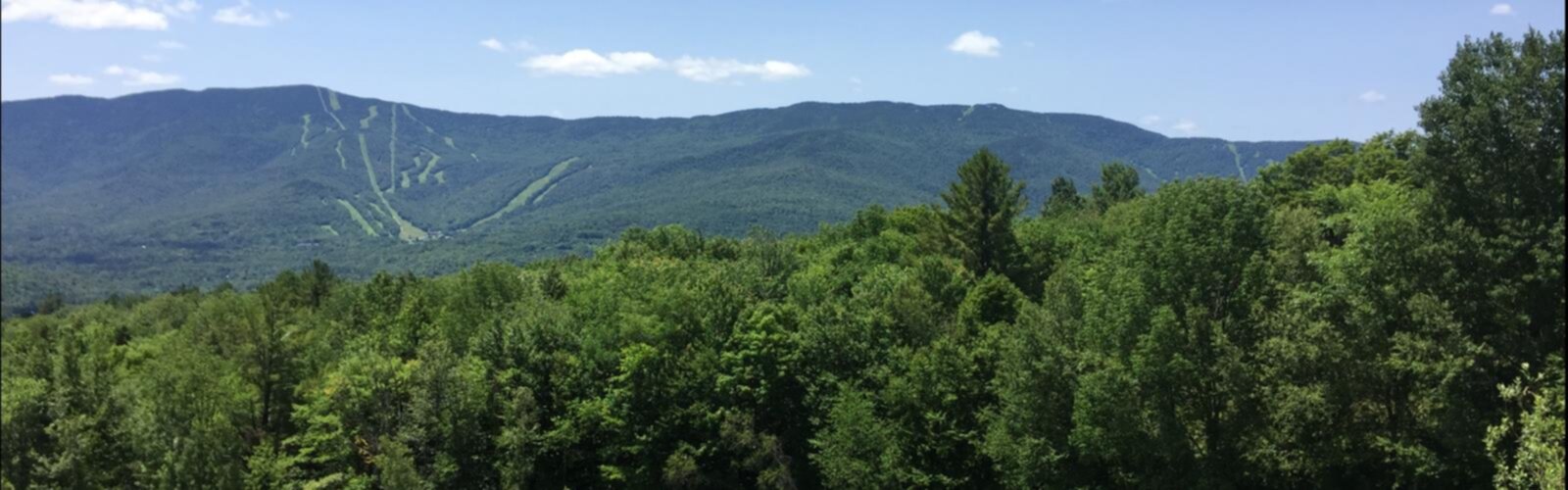

Ready to explore Stark Mountain, Vermont? Here's everything you need to know before you go!
Discover the trail
Oh no! We don't have any photos 😢
This trail hasn't been captured yet. Be the first to share your adventure!Trail description
Stark Mountain sits in the Green Mountains of Washington County near Fayston, Vermont. Unlike some of the state's more heavily trafficked peaks, Stark Mountain offers a rewarding hiking experience without excessive crowds. The trail begins at the legendary Mad River Glen ski area, making it accessible and well-established.
The Terrain
The mountain rises through classic Vermont forest, with a mix of hardwoods in the lower elevations giving way to conifers as you gain altitude. The trail network moves through terrain that feels distinctly northeastern — rocky underfoot in places, rooted, and occasionally muddy after rain. The upper sections contain the Long Trail, with notable rocky sections that add character to the route. At the summit area sits Stark's Nest, a cozy warming hut where hikers can rest and enjoy the view.
The views from the summit area provide a satisfying sense of accomplishment and perspective on the surrounding Green Mountain ridgeline. The landscape reveals the working character that defines this part of Vermont.
What to Expect on the Trail
Stark Mountain draws a mix of local hikers, people staying in the Mad River Valley area, and anyone looking to explore the Green Mountains. The trail has enough elevation change (approximately 2,600 feet) to give your legs a real workout without being the kind of climb that requires technical experience or specialized gear. Solid footwear with ankle support is essential given the rocky and rooted sections mentioned throughout the Long Trail portions.
The forest itself is worth slowing down for. Vermont's woods have a particular quality in every season — the canopy shifts dramatically from the lush greens of summer to the fiery colors of fall, and the bare winter landscape reveals the mountain's bone structure in a way that's hard to appreciate any other time of year. Note: Hikers may not be welcome in winter, so verify conditions before visiting during the cold season.
Practical Information
Before heading out, check current trail conditions, especially during mud season in spring or after significant rainfall. Vermont trails can take a beating during wet periods, and hiking on saturated ground causes real damage to the trail surface.
- Distance & Duration: Approximately 7 miles round trip, taking 5.5 hours for a moderate-paced hike. Alternative route via Long Trail to Mount Ellen: 4.7 miles with 1,896 feet elevation gain, approximately 2 hours 38 minutes.
- Elevation: Summit elevation 3,662 feet (1,116 m), with approximately 2,600 feet elevation gain.
- Footwear: Waterproof hiking boots with good ankle support are essential given the rocky and rooted terrain.
- Timing: Early morning starts are ideal in summer to avoid heat and to experience the mountain at its quietest.
- Navigation: Carry a map or have the trail downloaded offline — cell service in the backcountry can be unreliable.
- Water: Bring adequate water. There are no guaranteed water sources along the route.
- Layers: Mountain weather in Vermont shifts quickly. Even on warm days, pack a wind layer for the upper sections.
Stark Mountain in the Context of Washington County
The Mad River Valley area surrounding Fayston is defined by its working landscape — farms, forests, and small towns. Stark Mountain fits naturally into that character as part of the broader Green Mountain network. It makes a solid addition to a Vermont hiking itinerary and works well for multi-day trips in the region.
Who This Hike Is For
Stark Mountain works well for hikers with a moderate baseline of fitness and some experience on natural-surface trails. The rocky sections and elevation gain make it suitable for families with older kids who are comfortable on uneven terrain. Solo hikers and small groups both do well here.
Leave No Trace
Like all natural areas in Vermont, Stark Mountain depends on visitors treating the trail and surrounding forest with care. Stay on the marked trail to protect the vegetation on either side, pack out everything you bring in, and keep noise levels down. If you're bringing a dog, keep them leashed and clean up after them.
The Essential Hiking Checklist
Everything you need for your next hike. Bilingual, printable, 1 page.
Get your free hiking checklistRecommended gear for this trail
As an Amazon Associate I earn from qualifying purchases.


Ready to go?
Everything you need to know before you goStarting Point
To access the hiking trails, you can start at one of the following trailheads:
Appalachian Gap Trailhead: Located on Vermont Route 17, this trailhead offers parking and is a common starting point for hikers.
Battell Trailhead: Situated off Lincoln Gap Road, this trailhead provides another entry point to the trails.
Jerusalem Trailhead: Found on Jim Dwire Road, this location also serves as an access point for hikers.
Ensure to check local maps and resources for any updates or changes in accessibility before heading out.
When?
How much?
As an Amazon Associate I earn from qualifying purchases.
Affiliate links — LGPO may earn a commission at no extra cost to you.
- Hiking shoes Essential
- → Salomon Elixir Tour Mid WP · 203.38 $
- Layered clothing Essential
- Rain jacket Essential
- Trekking poles
- → Black Diamond Trail Ergo Cork · 69.99 $
- Headlamp
- → Petzl Actik Core 625 · 103.95 $
FAQ - Frequently asked questions
Everything you need to knowSimilar hikes nearby
Discover other trails you might enjoy

Vermont Association of Snow Travelers
Central Vermont
Northern Forest Canoe Trail
Central Vermont
Sterling Pond Trail
Central Vermont
Lake Mansfield Trout Club
Central Vermont
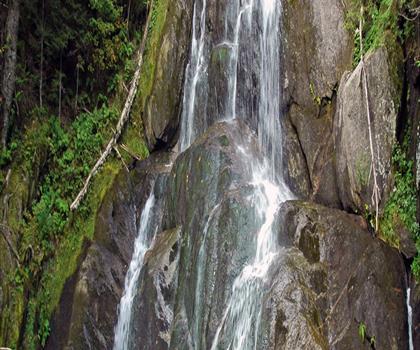
Moss Glen Falls
Central Vermont
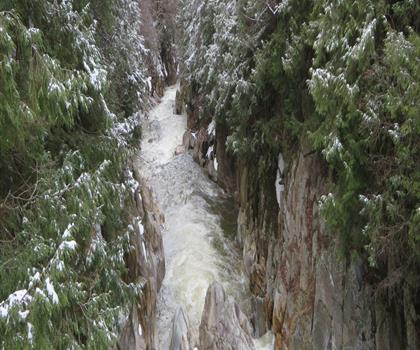
Mill Trail
Central Vermont
Hiking near Montpelier
0 trails to explore ~29 km away
We work hard to provide the most up-to-date and error-free data possible. If something seems incorrect, let us know! Your contribution helps the whole community.
Hikers' opinions
Be the first to review!
No hiker has shared their experience yet. Share your impressions and help other hikers!