

Ready to explore Eagle Mountain Natural Area? Here's everything you need to know before you go!
Discover the trail
Trail description
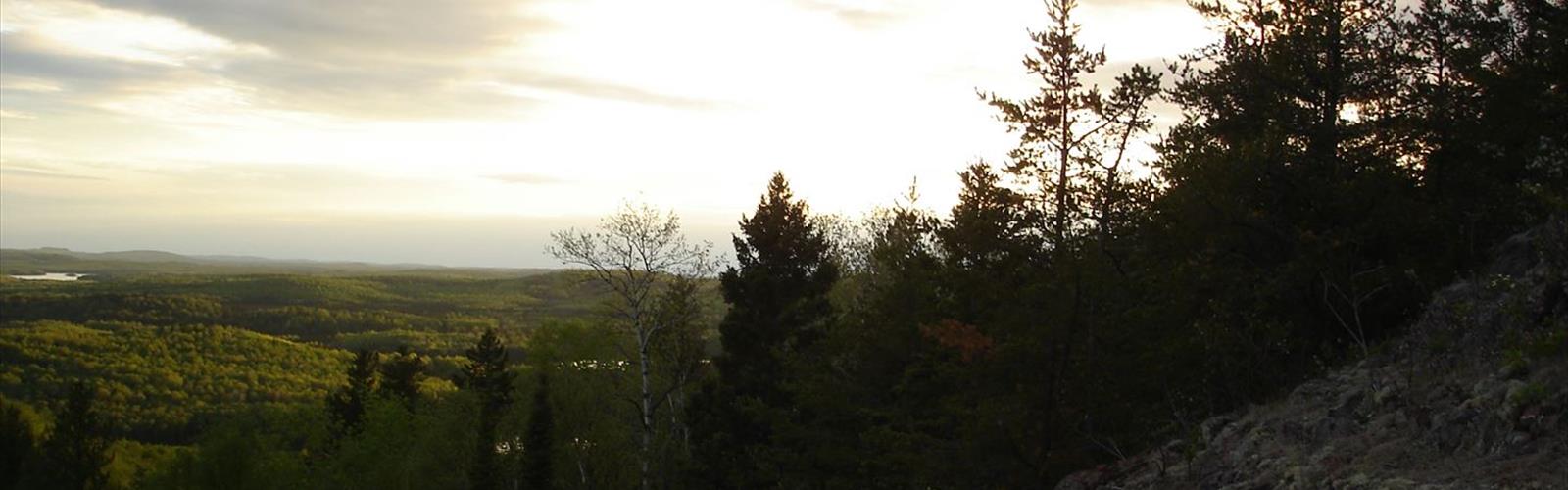
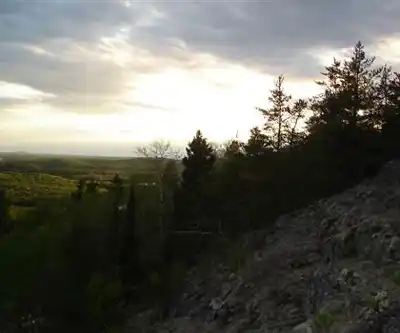
Eagle Mountain Natural Area is a quiet, off-the-beaten-path natural preserve tucked into Vermont's Champlain Valley. This is the kind of place that doesn't get the weekend crowds you'll find at more well-known Vermont destinations — and that's a big part of its appeal. If you're looking for a genuine natural area experience where the landscape does the talking, Eagle Mountain delivers.
The Setting
The Champlain Valley is one of Vermont's most ecologically distinct regions. Wedged between the Green Mountains to the east and Lake Champlain to the west, the valley sits at a lower elevation than most of Vermont, which gives it a different character — warmer, drier, and home to plant and animal communities you won't find higher up in the state. Eagle Mountain Natural Area fits right into that context. The terrain here reflects the valley's geology and natural history, offering a landscape shaped by glacial forces and centuries of ecological succession.
This is a natural area, not a developed park — so come with the right expectations. You're not going to find manicured trails, interpretive signs at every turn, or a staffed visitor center. What you will find is a place that feels genuinely wild, where the priority is conservation first and recreation second.
What to Expect on the Trail
Eagle Mountain Natural Area is the kind of spot where the experience is about immersion in the landscape rather than ticking off a summit or a viewpoint. The Champlain Valley's natural areas are known for their biodiversity, and this preserve is no exception. As you move through the property, you're likely to transition through different habitat types — a hallmark of natural areas in this part of Vermont.
The terrain at Eagle Mountain is varied enough to keep things interesting without being punishing. Expect a mix of forested sections, open areas, and the kind of subtle topographic changes that are typical of the Champlain Valley. The "mountain" in the name shouldn't set expectations of an alpine climb — this is Vermont's western lowlands, and the landscape reflects that.
Because this is a natural area managed for conservation, the trail infrastructure is intentionally minimal. Paths tend to be natural surface, and conditions can vary significantly depending on the season and recent weather. Waterproof footwear is a smart call, especially in spring or after rain.
Wildlife and Natural Features
The Champlain Valley is recognized as one of Vermont's most important regions for biodiversity, and natural areas like Eagle Mountain play a real role in that. The valley's lower elevation and unique geology support species and ecosystems that are rare or absent elsewhere in the state. Visitors who take their time and move quietly through the preserve stand a good chance of encountering wildlife — birds in particular, since the valley is a significant corridor for migratory species.
The forest communities here are worth paying attention to. Champlain Valley natural areas often feature a mix of hardwood species, and the understory can be surprisingly rich. Spring is an especially good time to visit if you're interested in wildflowers and early-season bird activity.
Practical Information
A few things worth knowing before you head out:
- Natural area, not a park: Eagle Mountain Natural Area is managed as a conservation property. Facilities are minimal — plan accordingly and pack out everything you bring in.
- Trail conditions: Natural surface trails can be muddy or wet, particularly in spring. Sturdy footwear with good grip is recommended year-round.
- Navigation: Because signage is limited compared to developed parks, it's worth reviewing available maps before your visit and downloading an offline version if you're relying on your phone.
- Leave No Trace: As a conservation-focused natural area, this is a place where low-impact practices really matter. Stay on established paths, avoid disturbing wildlife, and leave the landscape as you found it.
- Dogs and bikes: Check current regulations before your visit, as policies for natural areas in Vermont can vary by property and managing organization.
Getting There
Eagle Mountain Natural Area is located in Vermont's Champlain Valley. The valley is accessible from several directions, and the region is well worth exploring beyond any single destination. If you're coming from outside the area, the Champlain Valley's network of natural areas and conservation lands makes it easy to combine multiple stops in a single trip.
Parking access and trailhead details are worth confirming ahead of time, as natural areas sometimes have limited or unmarked parking. Checking with the managing organization before your visit is always a good idea for properties like this one.
Who This Trail Is For
Eagle Mountain Natural Area is a strong fit for hikers and nature lovers who prefer a quieter, more exploratory experience over a high-traffic destination. It's particularly well-suited for:
- Birders and wildlife watchers looking to explore Champlain Valley habitats
- Hikers who want to get off the main circuit and find something less crowded
- Nature photographers drawn to the valley's distinct ecosystems
- Anyone interested in Vermont's conservation lands and natural heritage
This isn't the place for a high-mileage day or a technical challenge — it's a place to slow down, pay attention, and appreciate what the Champlain Valley's natural landscape actually looks and feels like when it's left to do its own thing.
Best Times to Visit
The Champlain Valley's lower elevation means the area generally becomes accessible earlier in spring and stays pleasant later into fall compared to higher-elevation Vermont destinations. Spring brings wildflowers and peak bird migration activity. Summer offers full canopy and active wildlife. Fall delivers the hardwood color that Vermont is known for, often with fewer crowds than the more famous foliage destinations in the state. Winter visits are possible but require appropriate preparation for natural surface trails in cold and snowy conditions.
The Essential Hiking Checklist
Everything you need for your next hike. Bilingual, printable, 1 page.
Get your free hiking checklistRecommended gear for this trail
As an Amazon Associate I earn from qualifying purchases.


Ready to go?
Everything you need to know before you goStarting Point
The eagle mountain natural area is located in the town of Pomfret, Vermont. To get to the start of the trails, take exit 9 off of I-91 and head east on VT-131. The entrance to the natural area will be on your left after about 2 miles.
When?
How much?
As an Amazon Associate I earn from qualifying purchases.
Affiliate links — LGPO may earn a commission at no extra cost to you.
- Hiking shoes Essential
- → Salomon Elixir Tour Mid WP · 203.38 $
- Layered clothing Essential
- Rain jacket Essential
- Trekking poles
- → Black Diamond Trail Ergo Cork · 69.99 $
- Headlamp
- → Petzl Actik Core 625 · 103.95 $
FAQ - Frequently asked questions
Everything you need to knowSimilar hikes nearby
Discover other trails you might enjoy

Arthur Park
Champlain Valley
Causeway Park
Champlain Valley
Mount Mansfield, Vermont
Champlain Valley

Red Rocks Park
Champlain Valley
Burton Island State Park
Champlain Valley
Saxon Hill Bike Trail
Champlain Valley
Hiking near Burlington
0 trails to explore ~22 km away
We work hard to provide the most up-to-date and error-free data possible. If something seems incorrect, let us know! Your contribution helps the whole community.
Hikers' opinions
Be the first to review!
No hiker has shared their experience yet. Share your impressions and help other hikers!