
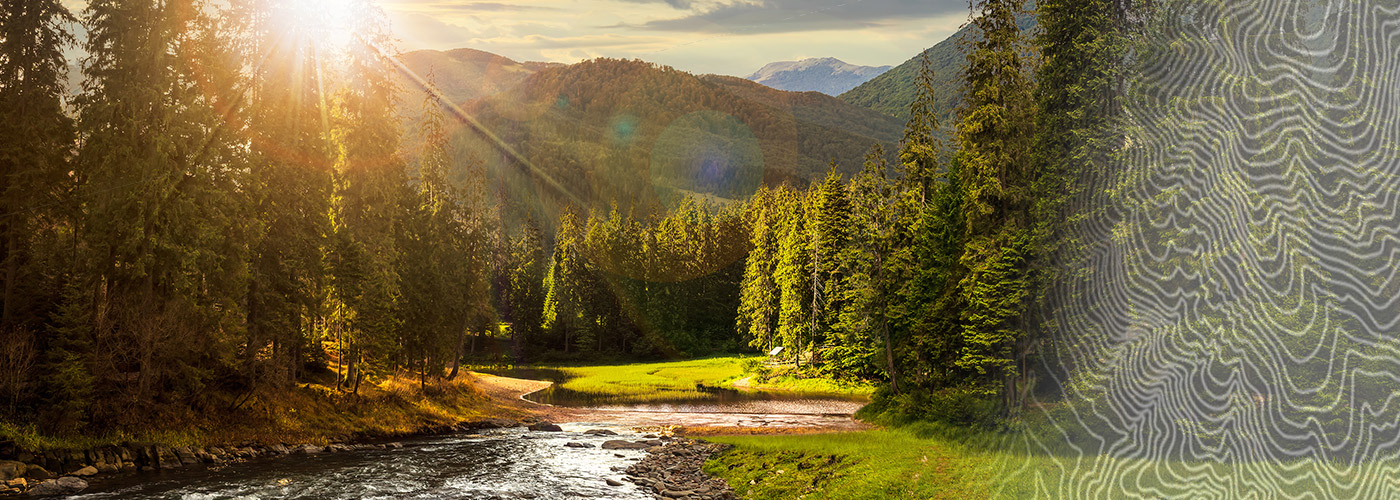

Ready to explore New River West? Here's everything you need to know before you go!
Discover the trail
Oh no! We don't have any photos 😢
This trail hasn't been captured yet. Be the first to share your adventure!Trail description
The New River West area in Virginia's Blue Ridge Highlands is one of those places that rewards hikers who take the time to explore beyond the well-worn tourist corridors. Sitting within the broader New River Valley region, this stretch of trail network puts you right alongside one of the oldest rivers in North America — a geological oddity that flows north rather than south, carving through ancient ridgelines that have been around far longer than most of the mountains you'll find elsewhere on the East Coast.
This is rugged, honest terrain. The Blue Ridge Highlands sit at the southwestern corner of Virginia, where the landscape feels more Appalachian than anything else — dense hardwood forests, rocky outcrops, river bottomlands, and ridge crests that open up to long views when the canopy breaks. Hiking here means engaging with real elevation changes, rooted trail surfaces, and the kind of quiet that's harder and harder to find close to urban centers.
The Landscape and What to Expect on the Trail
The New River itself is the defining feature of this area. Geologists estimate it's among the oldest rivers on the continent, predating the mountains it cuts through — meaning the river was here first, and the ridges rose up around it. That context changes how you look at the landscape when you're out on the trail. The river corridor creates a distinct ecological zone: floodplain forest near the water, transitioning to drier mixed hardwood forest as you gain elevation, and eventually to exposed rocky terrain on the upper slopes.
Expect trail surfaces that vary considerably. Near the river, paths can be soft and rooted, with sections that get muddy after rain. As you move uphill, the ground firms up and becomes rockier. Footing requires attention throughout — this isn't a groomed rail-trail experience. Hikers should be comfortable with uneven terrain and occasional route-finding.
The forest cover here is predominantly oak and hickory on the drier slopes, with tulip poplar, sycamore, and river birch appearing closer to the water. In spring, the understory comes alive with wildflowers before the canopy closes in. By summer, the trail is shaded and cool even on warm days. Fall brings strong color to the ridgelines, and winter strips the trees back enough to open up views that are hidden the rest of the year.
Wildlife and Natural Features
The New River corridor is known for its biodiversity, particularly in terms of freshwater species. The river itself supports an unusually high number of native mussel and fish species — a reflection of how isolated and ancient this watershed is. You won't necessarily see these from the trail, but knowing they're there adds a layer of significance to the landscape you're moving through.
On land, white-tailed deer are common throughout the area. Wild turkey, ruffed grouse, and a variety of songbirds are regular trail companions. The forest edges and river margins are good spots to watch for great blue herons and kingfishers. Black bear are present in the Blue Ridge Highlands broadly, so standard bear awareness practices apply — don't leave food unattended, and make noise on the trail.
Access and Practical Information
The Blue Ridge Highlands region of Virginia is not the most densely trailheaded part of the state, which is part of its appeal. Trailheads in the New River West area tend to be smaller and less crowded than those you'd find in more heavily promoted recreation zones. Parking is typically straightforward, though facilities vary by access point — some spots have pit toilets and basic amenities, others are little more than a pull-off with a trail marker.
Cell service can be spotty in the river valleys and on the back sides of ridges. Download offline maps before you go, and let someone know your plan. This is the kind of area where self-sufficiency matters more than it might in a heavily managed park setting.
The New River Valley is accessible from several towns in southwestern Virginia, and the surrounding region has a solid base of small communities with gas stations, grocery stores, and places to eat. It's worth planning your logistics in advance, especially if you're coming from outside the region.
Who This Area Is Best Suited For
New River West appeals most to hikers who want a genuine backcountry feel without necessarily committing to a multi-day expedition. The terrain is challenging enough to be interesting and physically engaging, but it's not technical in the mountaineering sense. If you're comfortable on rocky, rooted trails and don't need a lot of infrastructure around you, this area will feel like exactly the right kind of place.
It's also a strong choice for anyone interested in natural history. The age of the New River, the diversity of the watershed, and the relatively undisturbed character of the surrounding forest make this a place where the landscape itself tells a long story. Hikers who pay attention to what's around them — the rock types, the plant communities, the way the river bends — will get more out of a day here than those just logging miles.
Families with older kids who are comfortable on uneven terrain will find the river access points particularly rewarding. The combination of trail hiking and proximity to the water gives the day a natural structure — work your way out along the ridge, come back down to the river, and finish near the water.
What Makes This Place Stand Out
In a state with no shortage of excellent hiking, the New River West area earns its place by offering something that's genuinely hard to replicate: a major river corridor that feels wild, a geological story that's unlike anything else in the region, and trail access that hasn't been over-developed or over-promoted. The Blue Ridge Highlands as a whole tend to fly under the radar compared to Shenandoah or the more northern sections of the Appalachian Trail corridor, and that relative obscurity is a real asset for hikers who value solitude and a less curated experience.
The New River has been here for millions of years. The trails that run alongside it give you a way to move through that history at your own pace, on your own terms — which is about as good a reason as any to lace up your boots and head out.
The Essential Hiking Checklist
Everything you need for your next hike. Bilingual, printable, 1 page.
Get your free hiking checklistRecommended gear for this trail
As an Amazon Associate I earn from qualifying purchases.


Ready to go?
Everything you need to know before you goWhen?
How much?
As an Amazon Associate I earn from qualifying purchases.
Affiliate links — LGPO may earn a commission at no extra cost to you.
- Hiking shoes Essential
- → Salomon Elixir Tour Mid WP · 203.38 $
- Layered clothing Essential
- Rain jacket Essential
- Trekking poles
- → Black Diamond Trail Ergo Cork · 69.99 $
- Headlamp
- → Petzl Actik Core 625 · 103.95 $
FAQ - Frequently asked questions
Everything you need to knowSimilar hikes nearby
Discover other trails you might enjoy

Benita Fitgerald
Blue Ridge Highlands
First Landing State Park
Blue Ridge Highlands
Crabtree Falls
Blue Ridge Highlands
Great Dismal Swamp
Blue Ridge Highlands
Carvins Cove Reservoir
Blue Ridge Highlands
Sky Meadows State Park
Blue Ridge Highlands
Hiking near Sydney
22 trails to explore ~7671 km away
We work hard to provide the most up-to-date and error-free data possible. If something seems incorrect, let us know! Your contribution helps the whole community.
Hikers' opinions
Be the first to review!
No hiker has shared their experience yet. Share your impressions and help other hikers!