

Ready to explore Great Dismal Swamp? Here's everything you need to know before you go!
Discover the trail
Oh no! We don't have any photos 😢
This trail hasn't been captured yet. Be the first to share your adventure!Trail description
The Great Dismal Swamp stands as one of Virginia's most mysterious and ecologically significant wilderness areas. This vast wetland ecosystem offers a unique hiking experience through one of the last remaining large swamp forests on the Atlantic Coast. Unlike typical mountain or coastal trails, the Great Dismal Swamp provides an immersive journey into a landscape that has remained largely unchanged for thousands of years.
The Swamp Environment
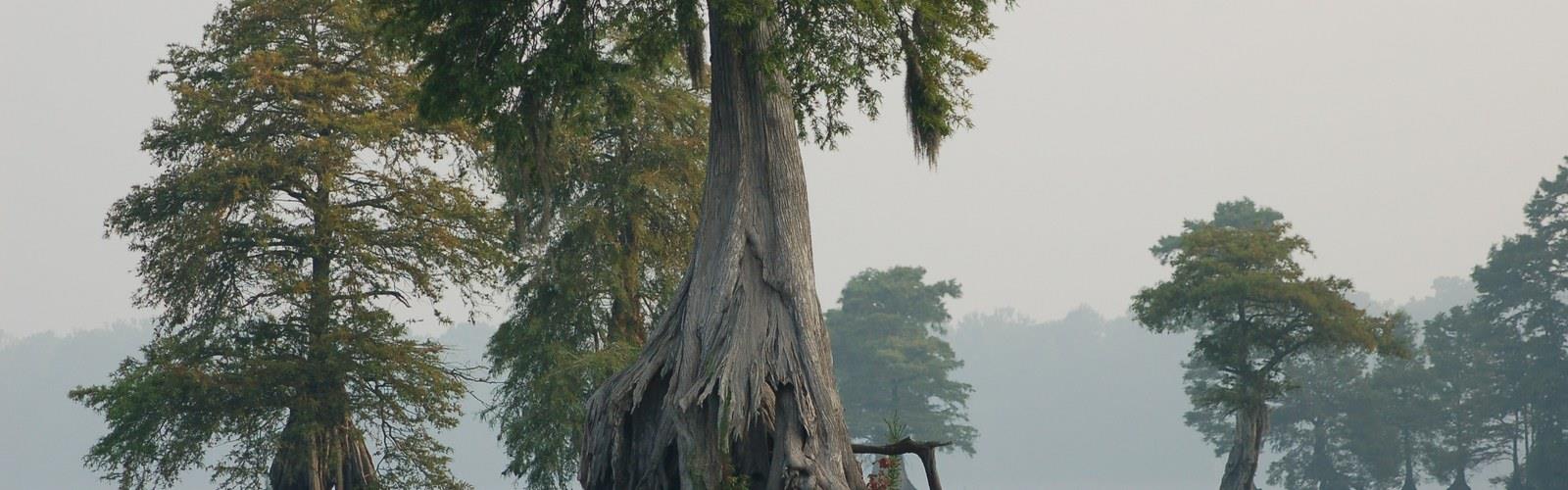
Walking through the Great Dismal Swamp feels like stepping into another world. The landscape is dominated by towering bald cypress trees draped in Spanish moss, their massive trunks rising from dark, tannin-stained waters. Dense canopies of maple, gum, and oak trees create a cathedral-like atmosphere, filtering sunlight into dappled patterns on the forest floor. The terrain is predominantly flat, making it accessible to hikers of various skill levels, though the unique challenges of swamp hiking require different preparation than traditional trail experiences.
The swamp's distinctive character comes from its hydrology. Water levels fluctuate seasonally, creating a dynamic environment where boardwalks and elevated trails become essential infrastructure. The acidic waters, colored dark brown by decomposing organic matter, support a complex ecosystem that thrives in this waterlogged environment.
Wildlife and Natural Features
The Great Dismal Swamp serves as a critical habitat for numerous species adapted to wetland life. Black bears roam the deeper sections of the swamp, while white-tailed deer navigate the slightly higher ground. The area is particularly renowned for its bird life, with wood ducks, great blue herons, and various warbler species calling the swamp home. During migration seasons, the diversity of bird species increases dramatically as waterfowl use the area as a stopover point.
Reptiles and amphibians thrive in this environment. Cottonmouth snakes and various turtle species are common, while the calls of frogs and toads create the swamp's characteristic soundtrack, especially during evening hours. The insect life is abundant and plays a crucial role in the ecosystem, though hikers should come prepared for mosquitoes and other biting insects, particularly during warmer months.
Trail System and Access
The trail network within the Great Dismal Swamp includes both boardwalk sections and traditional dirt paths. The boardwalks allow hikers to venture directly over wetland areas that would otherwise be inaccessible, providing intimate views of the swamp's aquatic environment. These elevated walkways also protect the fragile ecosystem from foot traffic while ensuring hiker safety in areas with unstable footing.
Traditional trails wind through the slightly higher, drier sections of the swamp, often following old logging roads or natural ridges. These paths provide a different perspective on the swamp ecosystem, showcasing the transition zones between wetland and upland forest communities.
Seasonal Considerations
Each season brings distinct characteristics to the Great Dismal Swamp hiking experience. Spring awakens the swamp with emerging vegetation and increased wildlife activity. The canopy begins to leaf out, creating varying levels of shade and openness throughout the trail system. Summer brings lush, dense vegetation and peak insect activity, requiring appropriate clothing and repellent.
Fall transforms the swamp into a tapestry of colors as deciduous trees change, creating striking contrasts against the evergreen species and dark waters. Winter offers perhaps the most unique perspective, with bare trees revealing the swamp's structure and wildlife becoming more visible through the thinned vegetation.
Historical Significance
The Great Dismal Swamp carries deep historical significance that adds layers of meaning to any hiking experience. This landscape served as a refuge for escaped slaves, who established communities within the swamp's protective embrace. The difficult terrain that challenges modern hikers provided security for these communities, known as maroon settlements, which persisted for generations.
Early American history is woven throughout the area, with George Washington among the investors who attempted to drain and develop portions of the swamp in the 18th century. The remnants of old canals and logging operations can still be observed along some trails, providing tangible connections to past human interactions with this landscape.
Hiking Experience and Preparation
Hiking in the Great Dismal Swamp requires different preparation than typical trail experiences. Waterproof footwear is essential, as even elevated trails can be muddy and wet. The flat terrain means cardiovascular demands are generally lower than mountain hiking, but the humid environment and potential for challenging footing require their own considerations.
Navigation can be more challenging in the swamp environment, where landmarks are less obvious and the dense canopy can limit visibility. Trail markers become particularly important, and hikers should pay close attention to designated routes to avoid getting disoriented in the uniform-looking swamp landscape.
The acoustic environment of the swamp adds another dimension to the hiking experience. The sounds of water movement, wildlife calls, and wind through the canopy create an immersive natural soundtrack that changes throughout the day and seasons.
Conservation and Ecosystem Importance
The Great Dismal Swamp represents a critical piece of Atlantic Coast wetland habitat that has been dramatically reduced throughout the region. This ecosystem provides essential services including flood control, water filtration, and carbon storage. The swamp acts as a natural reservoir, absorbing excess water during heavy rains and slowly releasing it during drier periods.
For hikers, understanding this ecological importance enhances appreciation for the landscape's unique characteristics. The seemingly harsh environment supports incredible biodiversity and plays a vital role in regional environmental health. Every visit offers opportunities to observe adaptation and resilience in action, from the specialized root systems of swamp trees to the behavioral adaptations of wetland wildlife.
The Essential Hiking Checklist
Everything you need for your next hike. Bilingual, printable, 1 page.
Get your free hiking checklistRecommended gear for this trail
As an Amazon Associate I earn from qualifying purchases.


Ready to go?
Everything you need to know before you goWhen?
How much?
As an Amazon Associate I earn from qualifying purchases.
Affiliate links — LGPO may earn a commission at no extra cost to you.
- Hiking shoes Essential
- → Salomon Elixir Tour Mid WP · 203.38 $
- Layered clothing Essential
- Rain jacket Essential
- Trekking poles
- → Black Diamond Trail Ergo Cork · 69.99 $
- Headlamp
- → Petzl Actik Core 625 · 103.95 $
FAQ - Frequently asked questions
Everything you need to knowSimilar hikes nearby
Discover other trails you might enjoy

New River West
Blue Ridge Highlands
Benita Fitgerald
Blue Ridge Highlands
First Landing State Park
Blue Ridge Highlands
Crabtree Falls
Blue Ridge Highlands
Carvins Cove Reservoir
Blue Ridge Highlands
Sky Meadows State Park
Blue Ridge Highlands
Hiking near Philadelphia
0 trails to explore ~361 km away
We work hard to provide the most up-to-date and error-free data possible. If something seems incorrect, let us know! Your contribution helps the whole community.
Hikers' opinions
Be the first to review!
No hiker has shared their experience yet. Share your impressions and help other hikers!