

Ready to explore Chowan River? Here's everything you need to know before you go!
Discover the trail
Oh no! We don't have any photos 😢
This trail hasn't been captured yet. Be the first to share your adventure!Trail description
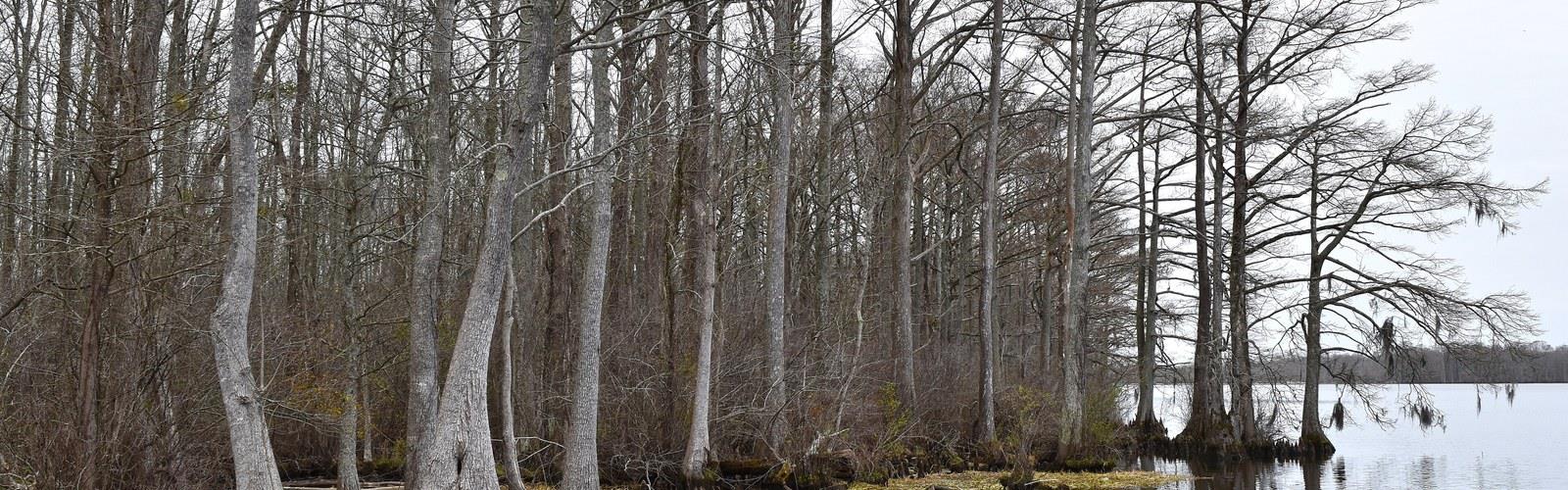
The Chowan River is one of North Carolina's most historically rich and ecologically significant waterways, flowing through the coastal plain in the northeastern corner of the state. Wide, dark-watered, and lined with ancient cypress and tupelo swamps, this river offers a paddling and exploration experience that feels genuinely remote — even though you're never far from small communities that have called these banks home for centuries.
Whether you're arriving by canoe, kayak, or simply looking to explore the shoreline and surrounding bottomlands on foot, the Chowan River corridor rewards those who slow down and pay attention. This is not a place that announces itself loudly. Its appeal is quieter — the kind that builds as you move deeper into the floodplain forest and start noticing just how wild and intact this landscape still is.
The River and Its Surroundings
The Chowan is formed by the confluence of the Blackwater and Nottoway Rivers near the Virginia border, and it flows southward before emptying into Albemarle Sound. Along its length, the river passes through extensive wetland forests — bottomland hardwoods, bald cypress stands, and shrub swamps that provide critical habitat for a wide range of wildlife.
The water itself has a characteristic dark tea color, stained by tannins from decaying vegetation upstream. This is completely natural and typical of blackwater river systems in the coastal Southeast. The river is wide in many stretches, with a slow, deliberate current that makes it well-suited for paddling at a relaxed pace.
The surrounding floodplain is one of the more intact examples of coastal plain bottomland forest remaining in North Carolina. Massive bald cypress trees — some of considerable age — rise from the shallows along the banks, their knees protruding from the dark water. Tupelo gum, water ash, and swamp cottonwood fill in the canopy, while the understory is dense with shrubs and ferns adapted to seasonal flooding.
Wildlife and Natural Character
The Chowan River corridor is excellent habitat for a wide variety of birds, making it a draw for anyone who pays attention to what's flying overhead or calling from the treeline. Great blue herons are a constant presence, and you're likely to spot osprey, belted kingfishers, and various species of waterfowl depending on the season. Wood ducks nest in the swamp forest, and the area is known to support populations of bald eagles.
The river and its wetlands also support healthy populations of river otters, beaver, and white-tailed deer. Reptiles are well-represented too — turtles are frequently seen basking on logs, and the swampy margins are home to several snake species typical of southeastern wetlands.
For anglers, the Chowan has a strong reputation. The river supports populations of striped bass, largemouth bass, catfish, and perch, among others. Fishing from a canoe or kayak while drifting the quieter backwater channels is a popular way to experience the river.
Paddling the Chowan
Paddling is the primary way most visitors experience the Chowan River. The main channel offers straightforward flatwater paddling, while the side channels, oxbows, and flooded swamp interiors give more adventurous paddlers the chance to push into genuinely wild terrain. Navigating among the cypress knees in a flooded swamp on a calm morning is one of those experiences that's hard to describe accurately — you just have to do it.
The river's width means it can be exposed to wind, which is worth keeping in mind if you're in a smaller or lighter boat. On calm days, the surface is glassy and the reflections of the cypress canopy are striking. On windier days, conditions can get choppy in the open stretches, so paddlers should be prepared and check conditions before heading out.
Access points exist at various locations along the river, and local outfitters and paddling clubs in the region can provide current information on put-ins, take-outs, and trip planning. Because the Chowan flows through a mix of public and private land, it's worth doing a bit of research before your trip to understand where you can legally access the shoreline.
Historical Context
The Chowan River has deep historical roots. The river and its surrounding lands were home to the Chowanoke people long before European contact — one of the larger Indigenous nations in the region at the time of early colonial encounters. The river's name itself reflects this heritage.
During the colonial period, the Chowan River valley was among the earliest settled areas of what would become North Carolina. The town of Edenton, located near where the Chowan meets Albemarle Sound, was one of the most important colonial towns in the region and retains a remarkable collection of 18th-century architecture. Exploring the river puts you in direct contact with a landscape that has witnessed centuries of human history layered over a much longer Indigenous presence.
Practical Information
- Access: Multiple public access points exist along the Chowan River corridor. Boat ramps and canoe launches are available at various locations — check with local outfitters or the North Carolina Wildlife Resources Commission for current access point details.
- Best use: Paddling (canoe and kayak) is the primary activity. Fishing is also popular. Shoreline exploration on foot is possible at certain access areas.
- Water conditions: The Chowan is a flatwater river with a slow current, but open stretches can be affected by wind. Check conditions before paddling.
- Wildlife awareness: This is active wetland habitat. Be aware of your surroundings, particularly in warmer months when reptiles are active.
- Leave No Trace: The river corridor passes through sensitive wetland ecosystems. Pack out everything you bring in, and avoid disturbing nesting birds or wildlife along the banks.
- Land access: The river flows through a mix of public and private land. Stay on the water or use established public access points to avoid trespassing on private shoreline.
What Makes the Chowan Worth the Trip
What sets the Chowan River apart from more heavily visited destinations in North Carolina is its combination of ecological integrity, historical depth, and genuine quietness. You're not going to find crowds here. On a weekday morning, you might have miles of river entirely to yourself, paddling through a cathedral of cypress and tupelo with nothing but birdsong and the sound of your paddle breaking the surface. For anyone drawn to the slower, more contemplative side of outdoor exploration, the Chowan River delivers something that's increasingly hard to find.
The Essential Hiking Checklist
Everything you need for your next hike. Bilingual, printable, 1 page.
Get your free hiking checklistRecommended gear for this trail
As an Amazon Associate I earn from qualifying purchases.


Ready to go?
Everything you need to know before you goWhen?
How much?
As an Amazon Associate I earn from qualifying purchases.
Affiliate links — LGPO may earn a commission at no extra cost to you.
- Hiking shoes Essential
- → Salomon Elixir Tour Mid WP · 203.38 $
- Layered clothing Essential
- Rain jacket Essential
- Trekking poles
- → Black Diamond Trail Ergo Cork · 69.99 $
- Headlamp
- → Petzl Actik Core 625 · 103.95 $
FAQ - Frequently asked questions
Everything you need to knowSimilar hikes nearby
Discover other trails you might enjoy

Hiking near Philadelphia
0 trails to explore ~424 km away
We work hard to provide the most up-to-date and error-free data possible. If something seems incorrect, let us know! Your contribution helps the whole community.
Hikers' opinions
Be the first to review!
No hiker has shared their experience yet. Share your impressions and help other hikers!