
🏕️ Why your sleeping pad can make or break your trip
You know what can turn a beautiful camping adventure into a hellish night? A bad sleeping pad. I learned this the hard way during my first trek in Charlevoix, when I spent the night shivering on a faulty inflatable pad that gave out on me at 2 AM. Since then, I've tested dozens of models on all types of terrain, and I can tell you that buying an ideal sleeping pad makes all the difference between sleeping like a baby under the stars or counting the hours until sunrise. A good sleeping pad is much more than just a cushion between you and the ground. It's your thermal insulation system, your support for recovering after a big day on the trail, and often the piece of equipment that determines whether you'll want to go on another adventure or stay glued to your couch. In this guide, I'll share everything I've learned about choosing the perfect pad based on your needs, budget, and adventures.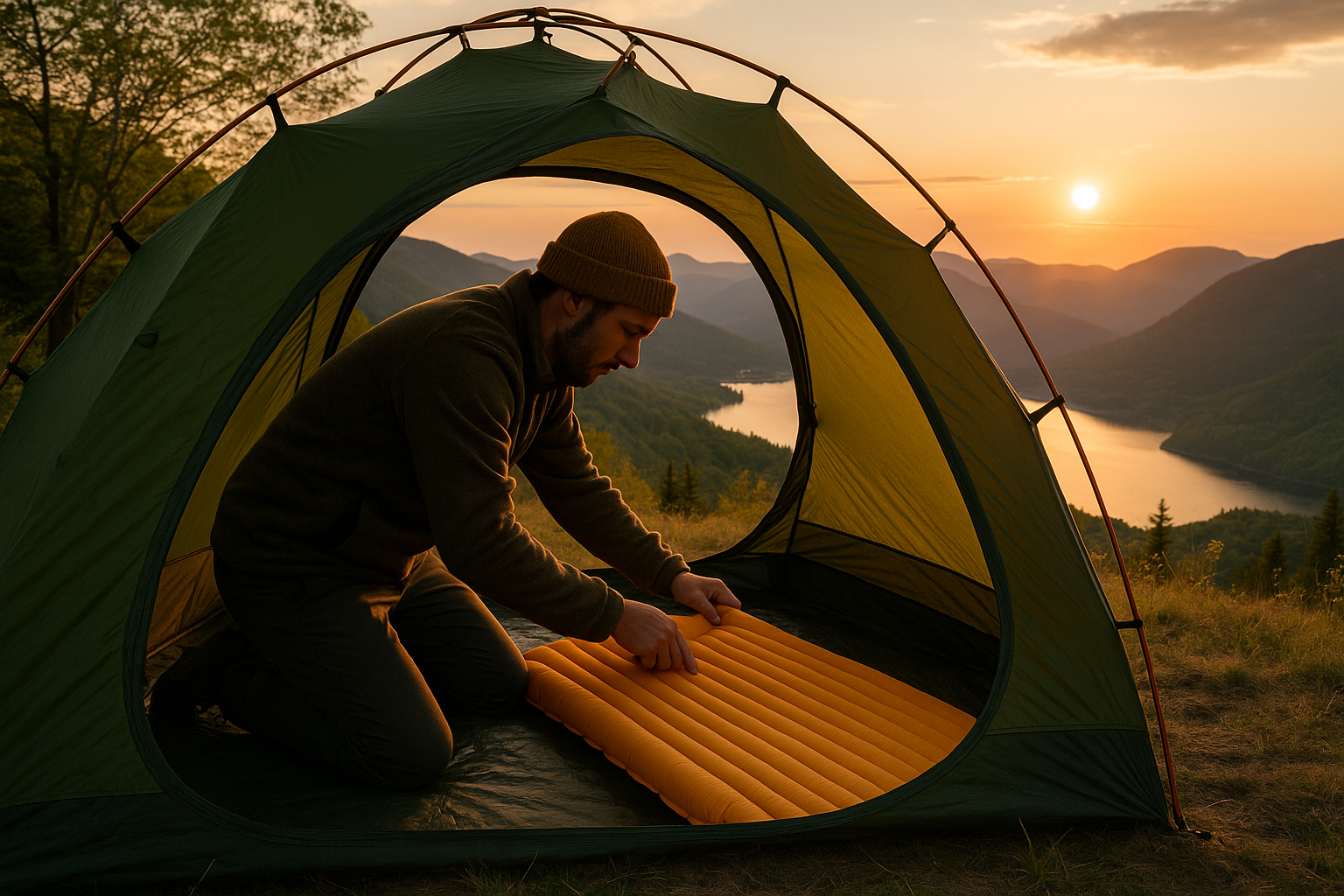
🤔 The 3 types of pads: which one fits your adventures?
Before you start shopping, you need to understand that there are three main families of sleeping pads. Each has its advantages and disadvantages, and the choice really depends on your priorities.Inflatable pads: comfort and compactness
Inflatable pads are my favorites for long hikes. They offer the best comfort-weight-volume ratio on the market. I've been using an inflatable model for 8 years now, and it has accompanied me everywhere, from Mont du Lac des Cygnes to the Rockies. Advantages:
💡 Pro tip — Always test your inflatable pad in your yard before leaving. I've had surprises with defective valves that only revealed themselves at bedtime!
Self-inflating pads: the perfect compromise
Self-inflating pads combine foam and air. You open the valve, the foam decompresses and draws in air, then you complete the inflation by mouth if necessary. It's the ideal choice for occasional campers who want a good balance between all criteria.Foam pads: robust and economical
Good old closed-cell foam pads (like the famous Thermarest Z-Lite) are indestructible. I recommend them to beginners and those who prioritize reliability over comfort. No risk of puncture, quick drying, and you can even use them as a backrest during the day.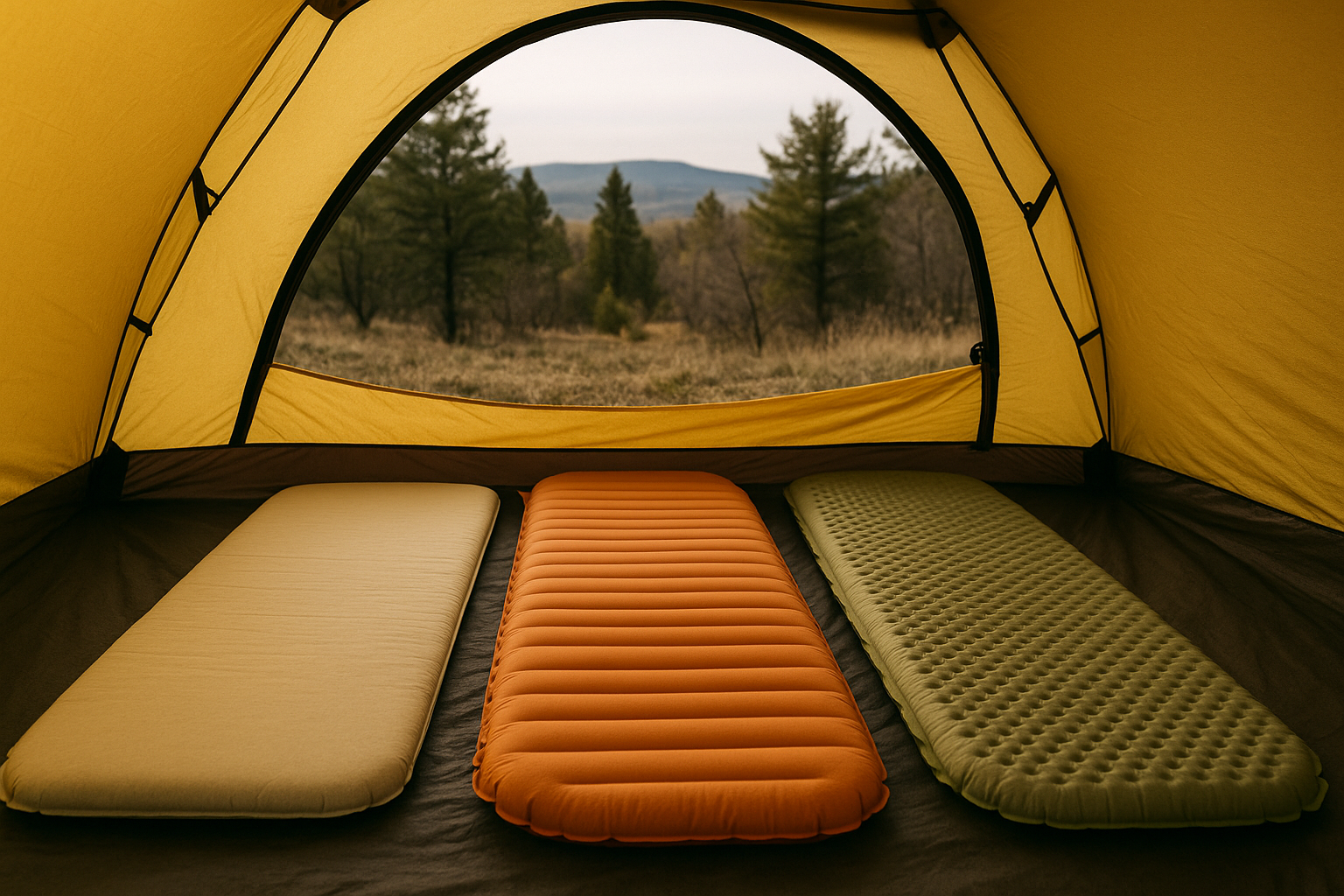
📥 Download our free gifts — The complete list of all camping equipment not to forget, with criteria for choosing each piece according to your level and outings.
Get my gifts →
Get my gifts →
🌡️ R-value: the magic number to avoid freezing
Here's the most important concept to understand for buying an ideal sleeping pad: the R-value. It's the thermal resistance index of your pad, and it determines at what temperature you'll be able to sleep comfortably.| R-value | Comfort temperature | Recommended use |
|---|---|---|
| 1-2 | +7°C and above | Summer camping only |
| 2-4 | -1°C to +7°C | 3 seasons (spring to fall) |
| 4-6 | -9°C to -1°C | 4 seasons, moderate winter |
| 6+ | -9°C and below | Winter expeditions |
⚠️ Warning — R-value is additive! You can stack two pads to increase insulation. An R-2 pad + an R-3 pad = R-5 total.
How R-value affects your Quebec outings
In Quebec, our seasons are distinct and nights can be cool even in summer. For my outings to Parc des Hautes-Gorges or in the Laurentides, I recommend minimum R-3 to be comfortable from May to September.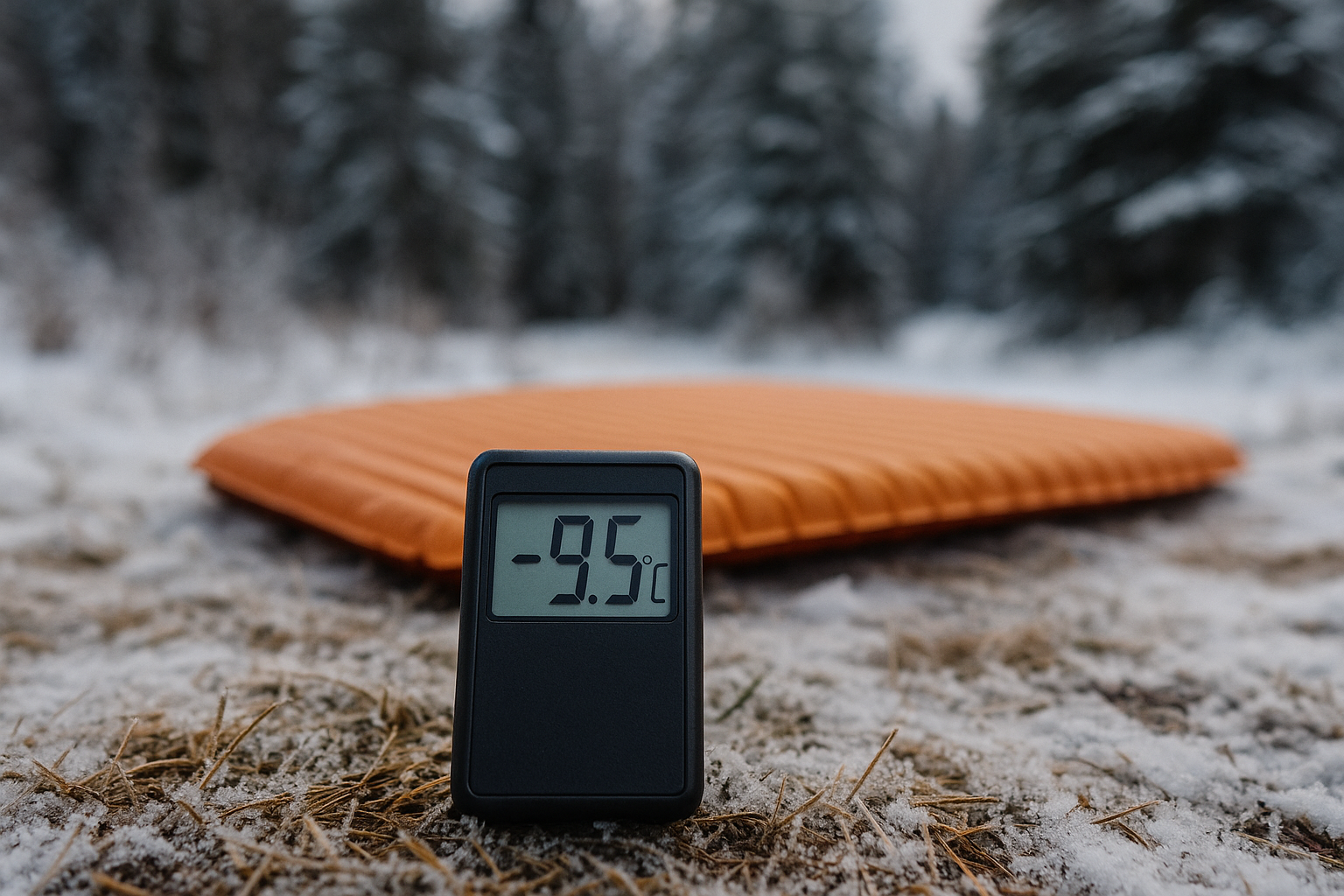
📏 Size, weight and volume: finding your balance
Choosing the size of your pad depends on several factors: your body type, your mode of transport, and your comfort versus weight priorities.Standard dimensions
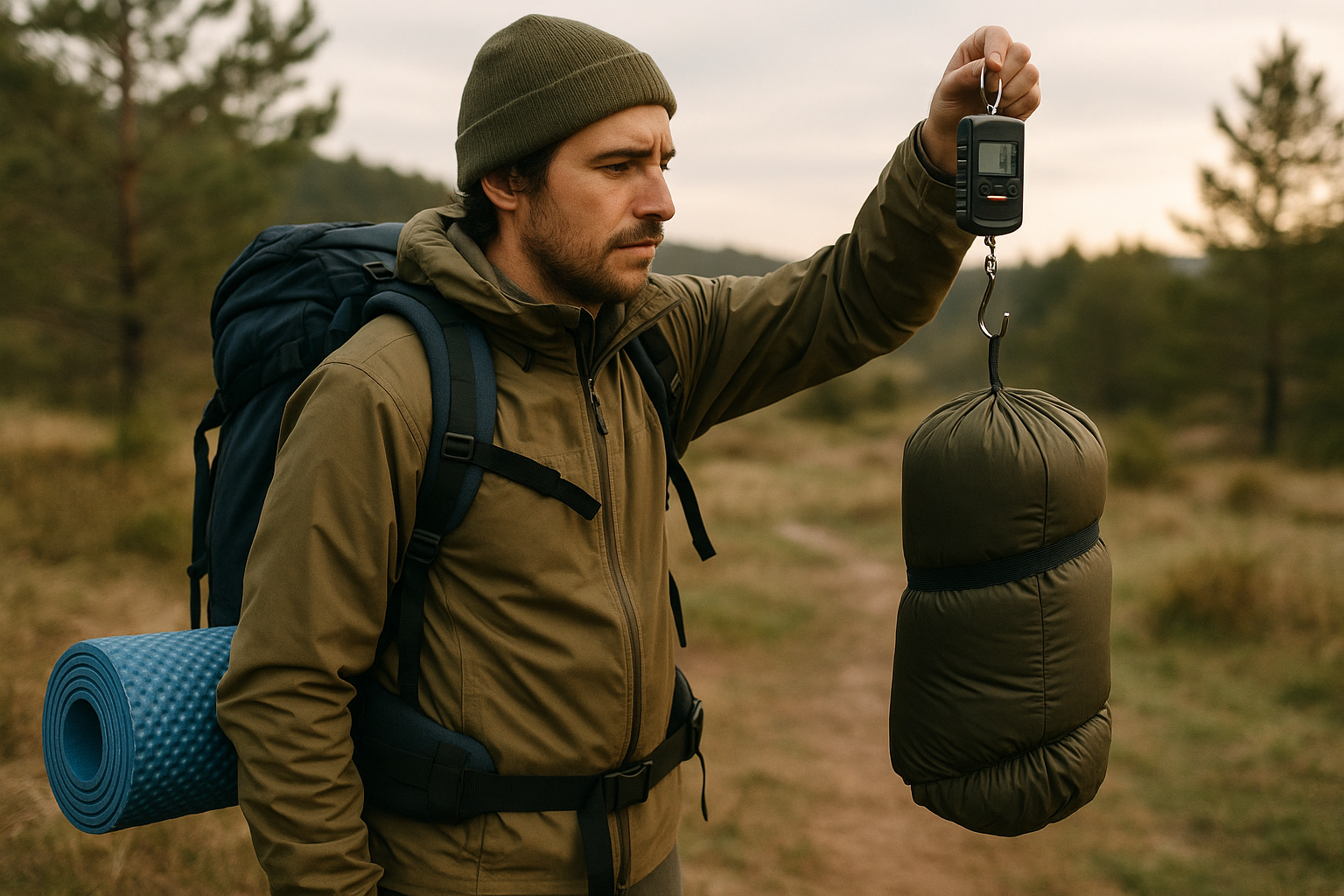
Weight according to your adventure style
📌 Good to know — Wide pads may not fit in some 1-2 person tents. Always check your tent's interior width before buying!
🛠️ Features that make a difference in the field
After years of testing gear, here are the technical details that can transform your camping experience.Inflation system
Flat valves have become the standard. They're more reliable and allow faster inflation/deflation. Avoid old round valves that tend to leak over time. Built-in pumps in some high-end models are a real plus to avoid mouth inflation (and introducing moisture into the pad).Materials and durability
Insulation technologies
High-end pads integrate different technologies to optimize insulation:
💡 Pro tip — For outings on rocky terrain like at Canyon Sainte-Anne, always slide a tarp or ground sheet under your pad to avoid punctures.
💰 Budget and value for money: where to invest intelligently
The sleeping pad market ranges from $30 to $400. Here's how to navigate this price range without getting ripped off.| Price range | Features | For whom? |
|---|---|---|
| $30-80 | Basic foam, entry-level inflatable pad | Beginners, occasional camping |
| $80-150 | Good comfort/weight compromise, decent R-value | Regular campers, good value for money |
| $150-250 | Advanced technologies, very light, excellent comfort | Serious adventurers, intensive use |
| $250+ | High-end, proprietary technologies | Professionals, extreme expeditions |
My recommendations by budget
Tight budget (under $100): Start with a quality closed-cell foam pad. It's indestructible and will give you time to define your real needs. Medium budget ($100-200): This is the sweet spot where you'll find excellent self-inflating or inflatable pads that will last you years. High budget ($200+): Invest in this range if you go out regularly and weight/volume are critical for your adventures.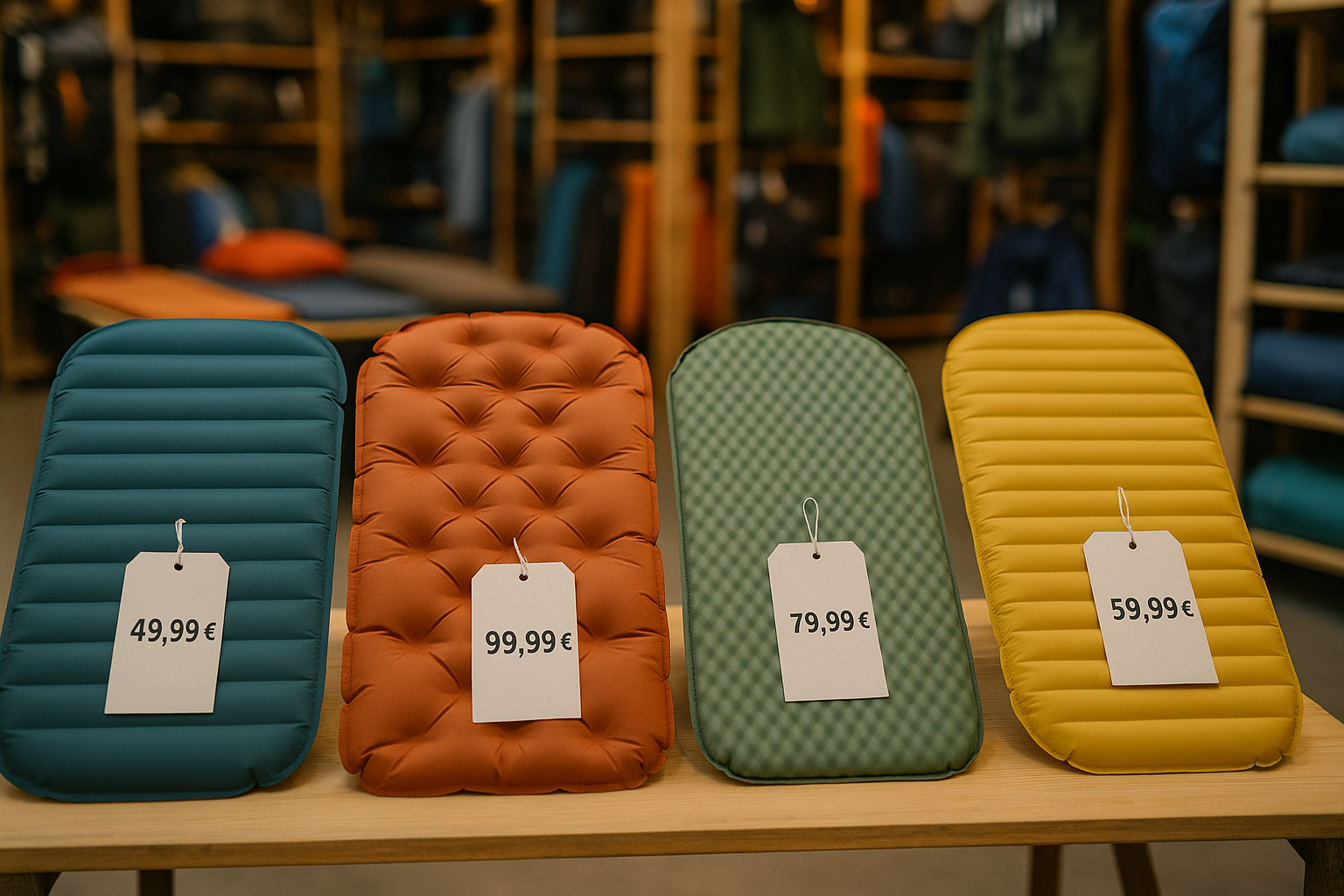
🔧 Maintenance and durability: making your investment last
A good sleeping pad can last you 10 years or more with proper care. Here are my tricks to maximize its lifespan.Storage and transport
Cleaning and repairs
Regular cleaning: A wipe with a damp sponge and mild soap is enough. Let dry completely before storing. Repair kit: Always in my bag! Small punctures are easily repaired with the provided patches. For temporary emergency repairs, duct tape works miracles.
⚠️ Warning — Never store a wet pad. Mold can develop inside and completely ruin the thermal insulation.
When to replace your pad
Signs it's time to change: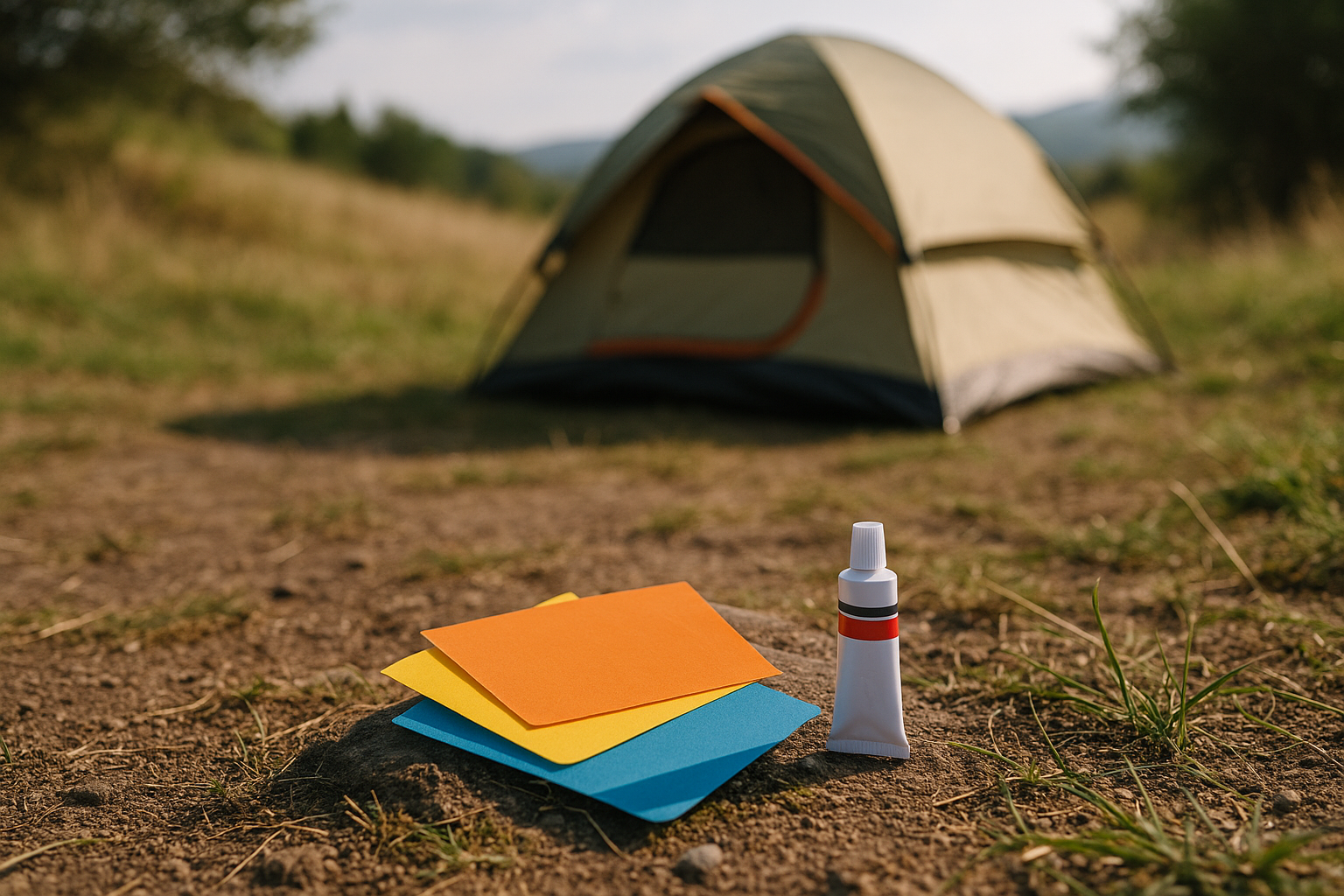
"A quality pad is the assurance of recovering well in nature. And when you recover well, you enjoy your adventures better the next day." — My mantra after 15 years of camping!
🏔️ Specialized pads: when needs become specific
Some adventures require pads with particular characteristics. Here's when to go off the beaten path.Winter camping and expeditions
For my winter outings in the mountains of Quebec, I use a pad with R-value of 6+ and often double up with a closed-cell foam pad. Ground cold in winter doesn't forgive.Double pads for couples
If you camp as a couple, double pads avoid the "bridge" effect between two separate pads. Heavier and bulkier, but the comfort is worth it for car camping.Ultralight pads for fastpacking
For adventures where every gram counts, there are pads under 300g with decent R-values. The compromise is made on durability and comfort.
📌 Good to know — Some pads have different density zones: firmer at torso level, softer for legs. An interesting technology if you have back problems.
✅ Your checklist for buying the perfect pad
Before pulling out your credit card, make sure you've answered these essential questions: Your basic needs:
Newsletter
Content that makes you want to go outside
Every week, a trail idea, a reflection on nature, or a tip worth the detour. Zero spam. Only the essentials.
Joined by 12,000+ outdoor enthusiasts
Read next