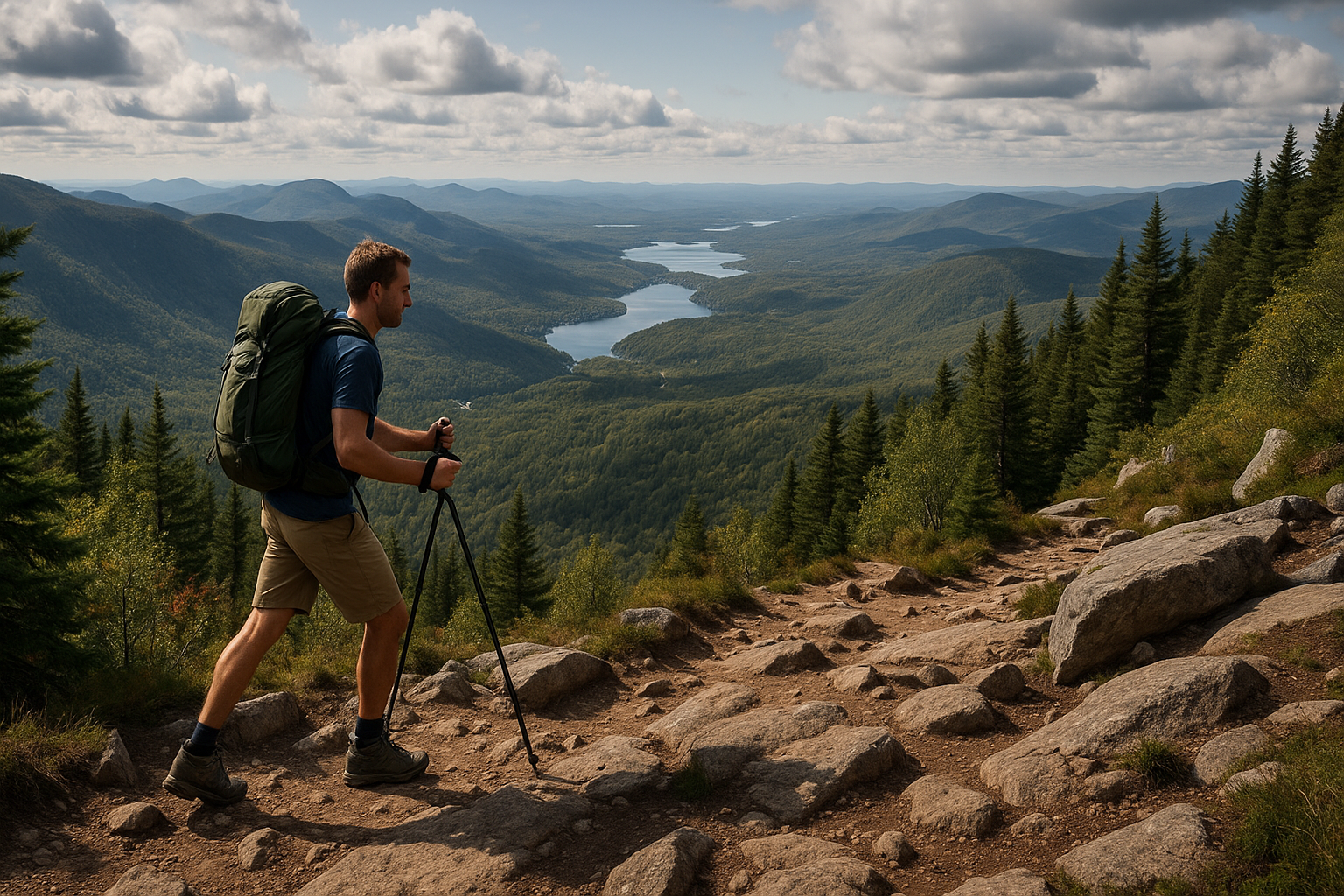
Ah, hiking poles! I'll admit that at the beginning of my trail adventures, I was the type to roll my eyes when I saw hikers with their "crutches." What a mistake! After slipping on a wet rock in Charlevoix and finding myself flat on my back, I quickly understood the usefulness of these little companions. Today, after testing tons of models on our Quebec trails, I can tell you that the best hiking poles in 2026 can really transform your outings.
Whether you're a beginner or seasoned hiker, choosing the right poles means investing in your comfort, safety, and performance. In this guide, I'll share my 7 favorites of the year, with real field feedback to help you make the right choice.
Get my gifts →
🥾 The 7 Best Hiking Poles in 2026
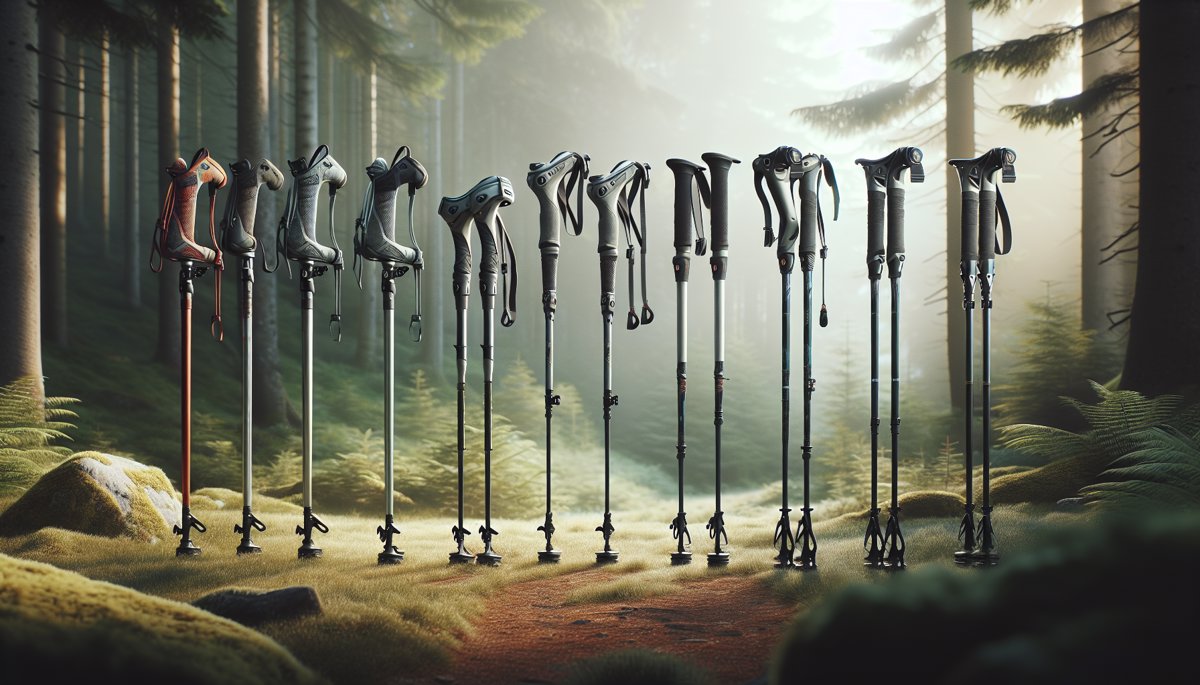
After hundreds of hours of testing on our trails, here's my selection of models that really stand out this year:
1. Black Diamond Distance Carbon Z - The Versatile Champion
Price: $179 CAD | Weight: 340g per pair
My absolute favorite! These foldable carbon poles have been with me everywhere for two years. Super light, they pack easily in the bag when I want my hands free for photos. The Z-fold system is brilliant - takes 5 seconds to deploy.
Strengths:
- Ultra-light thanks to carbon
- Quick and compact folding
- Excellent ergonomic grips
- Proven durability on Quebec terrain
2. Leki Makalu FX Carbon - The Rolls-Royce
Price: $220 CAD | Weight: 380g per pair
If you want the best available, look to Leki. Their telescopic carbon poles are of exceptional quality. The SpeedLock 2 locking system is an engineering marvel.
Strengths:
- Unmatched premium construction
- Ultra-reliable locking system
- Perfectly designed Aergon grips
- Solid manufacturer warranty
3. REI Co-op Traverse - The Value Champion
Price: $89 CAD | Weight: 520g per pair
For starting without breaking the bank, it's hard to do better. These aluminum poles get the job done without fuss. I often recommend them to beginners who want to test before investing in high-end gear.
4. Komperdell Carbon Ultralight Vario 4 - The Innovation
Price: $195 CAD | Weight: 360g per pair
The Austrian brand hits hard with this ultra-compact 4-section model. Perfect if you travel a lot - they fit in a suitcase without problem.
5. Cascade Mountain Tech Carbon Fiber - The Budget Option
Price: $65 CAD | Weight: 450g per pair
Surprising for the price! These carbon poles offer excellent value. Perfect for starting without investing too much.
6. Gossamer Gear LT5 - The Ultra-Light
Price: $165 CAD | Weight: 280g per pair
The lightest in my selection! Designed for ultralight hiking purists who count every gram.
7. Helinox Ridgeline - The Premium Foldable
Price: $205 CAD | Weight: 370g per pair
A high-end alternative to Black Diamond, with an even more refined design and premium materials.
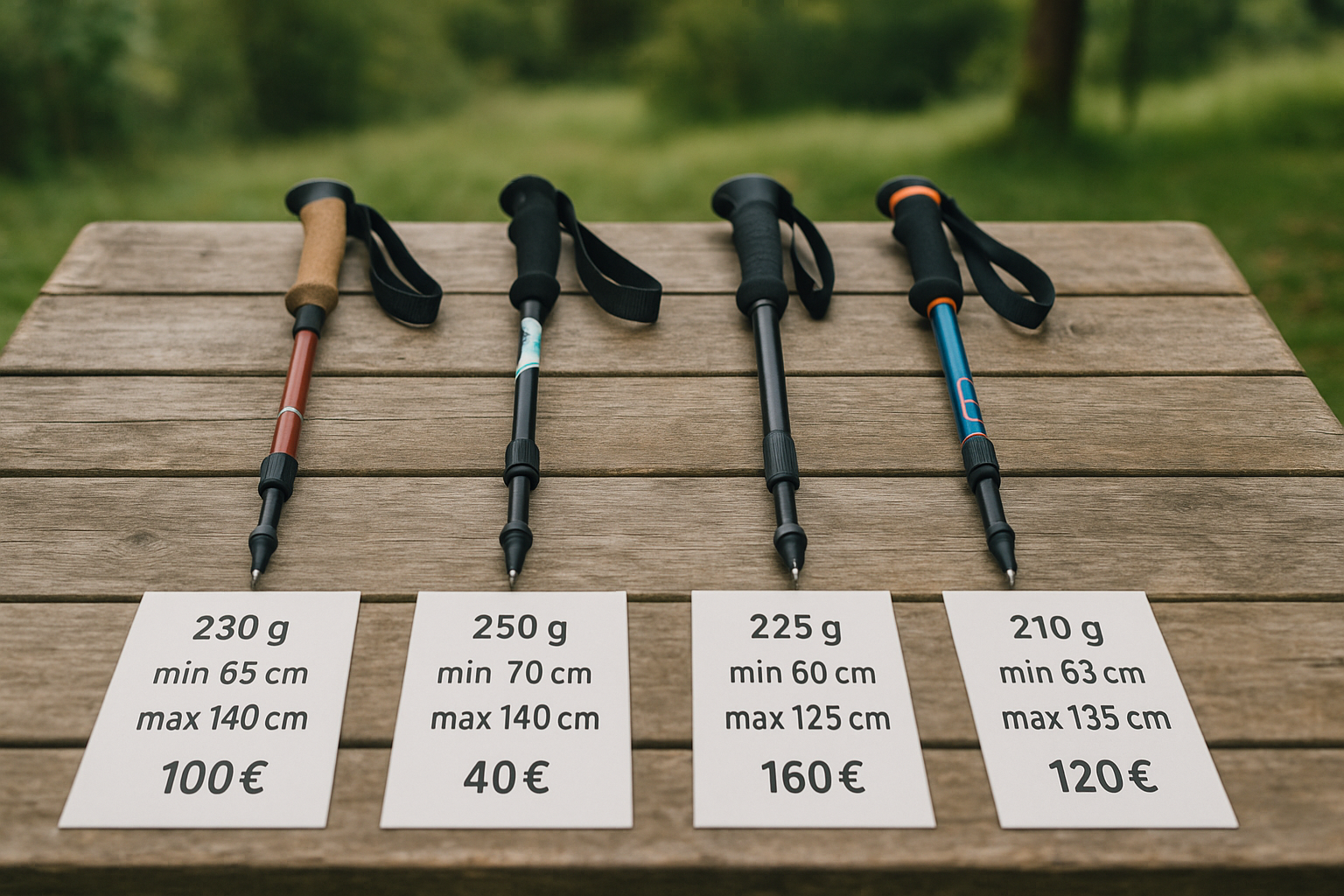
| Model | Price (CAD) | Weight | Material | Type |
|---|---|---|---|---|
| Black Diamond Distance Carbon Z | $179 | 340g | Carbon | Foldable |
| Leki Makalu FX Carbon | $220 | 380g | Carbon | Telescopic |
| REI Co-op Traverse | $89 | 520g | Aluminum | Telescopic |
| Komperdell Carbon Ultralight | $195 | 360g | Carbon | Telescopic |
| Cascade Mountain Tech | $65 | 450g | Carbon | Telescopic |
🏔️ How to Choose Your Poles According to Your Hiking Style?
You don't need the same poles for a walk at Parc National du Mont-Saint-Bruno as for climbing Mont du Lac des Cygnes! Here's how to figure it out:
For Classic Day Hiking
If you mainly do day trips on our Quebec trails, prioritize versatility. Telescopic carbon poles are your best friend. They adjust easily according to terrain and stay light to avoid fatigue.
My advice: aim for a model between 350-400g per pair. It's the sweet spot between lightness and robustness.
For Ultralight Hiking
Every gram counts? Then go for foldable carbon models under 350g. They take less space in the pack and you can store them easily when you don't need them.
For Winter Hiking
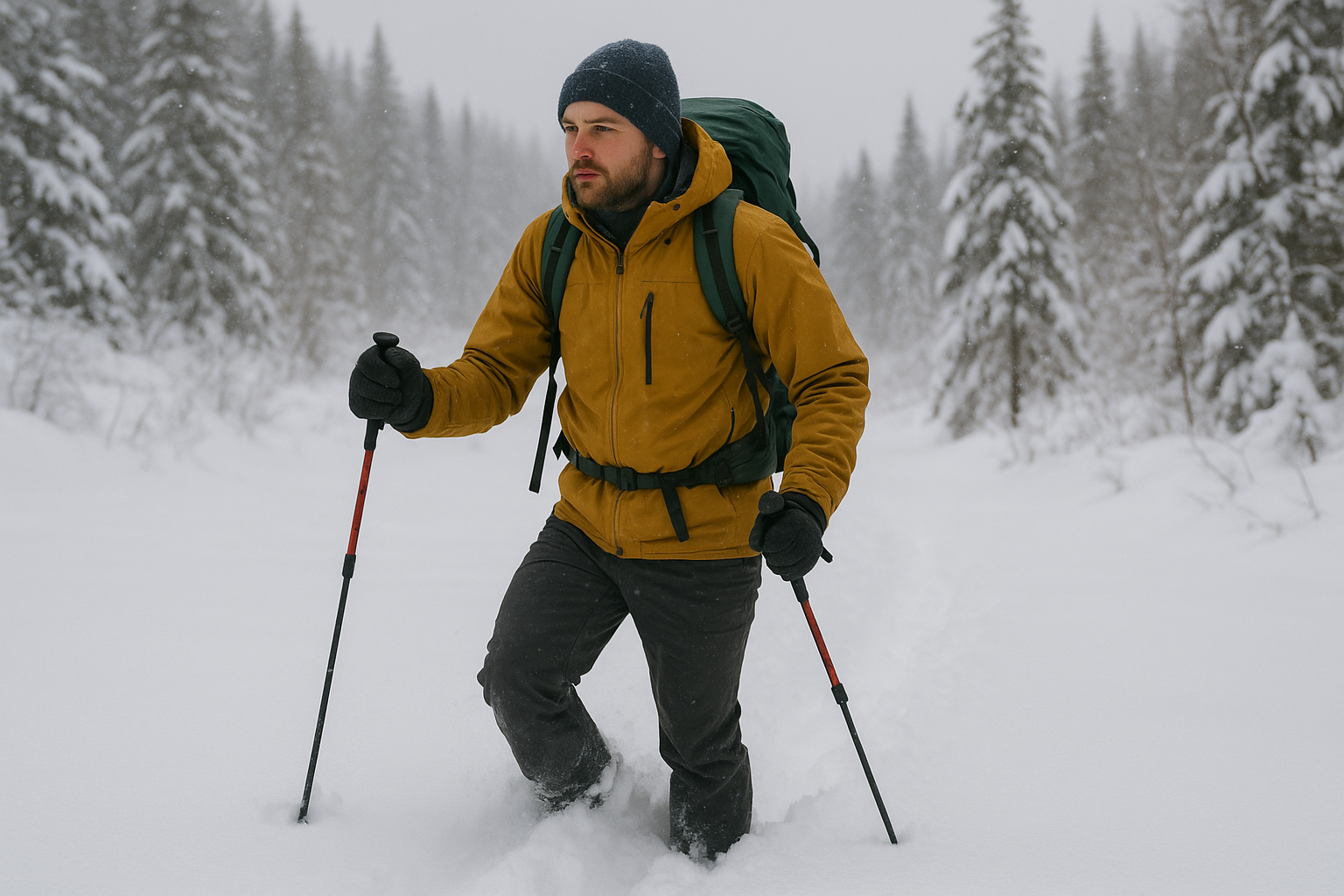
Quebec winter is no joke! Your poles must resist cold and impacts. Aluminum can be more reliable than carbon in extreme cold - carbon can become brittle below -20°C.
Also think about baskets: you'll need large snow baskets to prevent your poles from sinking too deep.
⚙️ Carbon vs Aluminum: The Match of the Century
The big question! After breaking poles of both materials (yes, it happened to me...), here's my verdict:
Carbon: Light but Fragile
Advantages:
- Ultra-light (30-40% lighter than aluminum)
- Better vibration absorption
- More premium look
- Excellent rigidity
Disadvantages:
- More expensive (often 2x the price)
- Can break cleanly with violent impact
- Difficult to repair on trail
- Sensitive to extreme temperatures
Aluminum: Robust and Affordable
Advantages:
- Accessible price
- Very impact resistant
- Bends rather than breaks
- Easy to repair temporarily
- Performs in all weather
Disadvantages:
- Heavier
- Transmits more vibrations
- Can deform under stress
"After 15 years on trails, I've learned it's better to have aluminum poles that work than broken carbon poles at the bottom of the pack!"
🔧 The Details That Make the Difference
Beyond material, several elements can transform your hiking experience:
Grips: Your Point of Contact
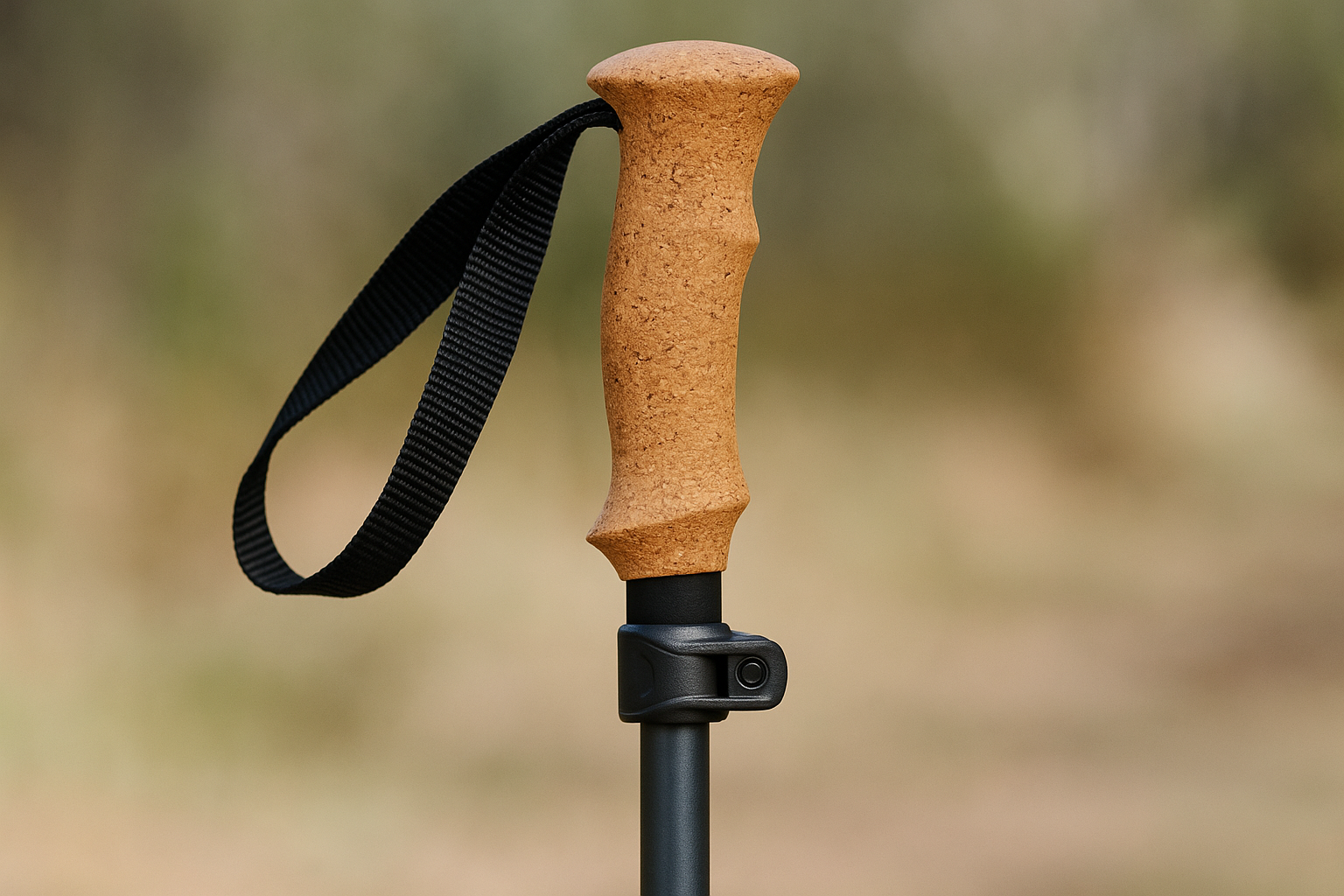
You'll hold your poles for hours, so it better be comfortable! The best grips mix cork and foam. Cork absorbs sweat and molds to your hand over time.
Avoid hard plastic - it slips when wet and can create blisters. I learned that the hard way on the Hautes-Gorges trail!
Locking Systems
For telescopic poles, the locking system is crucial. External levers (FlickLock type) are more practical than internal twist systems. You can adjust them even with gloves.
Straps: Often Overlooked
A good strap lets you release your grip without losing the pole. It saves forearm energy on long distances. Look for padded and adjustable straps.
Tips and Baskets
Tungsten tips grip better on rock than standard steel. And think about baskets: small for summer, large for snow. Some models allow easy changes.
💰 Budget: How Much to Invest in Your First Poles?
The $100 question! Literally, because it's often around this amount that it's worth investing.
Tight Budget ($50-80 CAD)
It's possible to find decent poles in this range, but watch the quality of locks. I've seen too many hikers with poles that retract on their own!
In this range, favor aluminum from a recognized brand rather than dubious no-name carbon.
Medium Budget ($80-150 CAD)
This is the sweet spot! You can get high-end aluminum or entry-level carbon. Most hikers find their happiness in this range.
High Budget ($150 CAD and up)
Here, you enter premium territory: quality carbon, perfect finishes, extended warranties. If you hike regularly, it's worth the investment.
🛠️ Maintenance and Lifespan: Making Your Poles Last
My first quality poles, I've had them for 8 years and they're still perfect. The secret? Minimal but regular maintenance.
After Each Outing
Rinse your poles with clear water, especially if you walked in mud or sand. Particles can infiltrate mechanisms and jam them.
Dry them completely before storing. Moisture is the number one enemy of internal mechanisms.
Seasonal Maintenance
Once or twice per season, disassemble your telescopic poles and clean the internal tubes. A little silicone lubricant on mechanisms, and you're good to go!
Also check tip wear. If they're very dull, you can often replace them rather than changing the whole pole.
Signs It's Time to Replace
- Locks that no longer hold
- Cracks in the tube (especially on carbon)
- Grips that are disintegrating
- Excessive play in joints
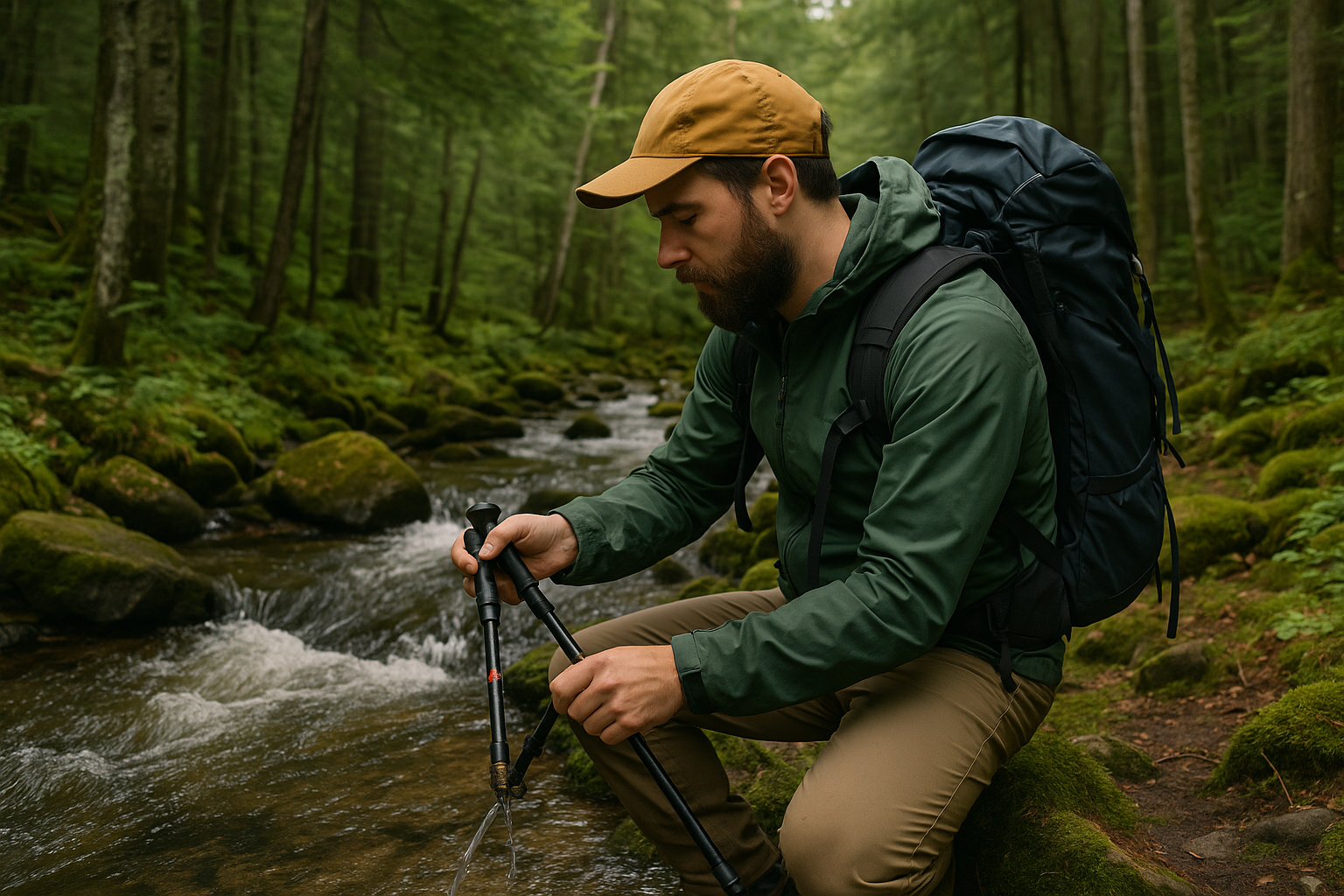
🎯 My Final Recommendations According to Your Profile
After all that, you're still wondering which model to choose? Here are my recommendations according to your profile:
You're Starting in Hiking
My choice: REI Co-op Traverse
Reliable, affordable, and perfect for learning. You can always upgrade later when you've defined your preferences.
You Hike Regularly
My choice: Black Diamond Distance Carbon Z
The perfect balance between performance, weight and practicality. These poles have been with me everywhere for years.
You Want the Best of the Best
My choice: Leki Makalu FX Carbon
The Rolls-Royce of hiking poles. Expensive, but exceptional quality that justifies the investment.
You Count Every Gram
My choice: Gossamer Gear LT5
Ultra-light without compromising functionality. Perfect for ultralight hiking.
You Have a Tight Budget
My choice: Cascade Mountain Tech Carbon Fiber
Surprising for the price! Accessible carbon that does the job.
If you want to test before buying, several outdoor stores offer rentals. It's an excellent way to compare different models on terrain. I discovered my preferences this way by testing on Mont Yamaska trails.
🏔️ Conclusion: Your Future Adventure Companions Await
There you have it, you now have all the cards in hand to choose your 2026 hiking poles! To summarize my key points:
- Start by defining your budget and style - no need for the best of the best to begin
- Carbon for performance, aluminum for robustness - both have their advantages
- Details matter: grips, locks and straps make all the difference
- Test before buying if possible - rental or free returns are your friends
- Maintain your poles and they'll follow you for years
My poles have saved me so many times: slippery descents, stream crossings, steep climbs where my knees were crying for mercy... They've become a natural extension of my body on trails.
So don't wait any longer! Choose your new adventure companions and go discover all those magnificent trails waiting for you. Whether for a family walk at Canyon Sainte-Anne or a more challenging adventure, your poles will transform your outings.
And don't forget: the best equipment is the one that makes you want to get out more often. So gear up well, but most importantly, go play outside!

About the author
François Dumaine
Founder of Let's Go Play Outside
A passionate hiker, photographer and content creator, François has been hiking the trails of Quebec and Alberta since 2014. He founded Let's Go Play Outside to give you the information he wished he had before heading out.
Newsletter
Content that makes you want to go outside
Every week, a trail idea, a reflection on nature, or a tip worth the detour. Zero spam. Only the essentials.
Joined by 12,000+ outdoor enthusiasts
Read next