You know what? After hiking hundreds of trails in Quebec and beyond, I've realized that becoming a better hiker has nothing to do with speed or distance. It's about efficiency, enjoyment, and above all, safety. Whether you're just starting out or already have some kilometers under your belt, there's always room for improvement. And trust me, even after 15 years on the trails, I'm still learning!
The beauty of hiking is that you can improve at any age. I've seen 60-year-olds leave 25-year-olds in the dust, not because they were stronger, but because they were smarter in their approach. Today, I'm going to share the concrete strategies that will transform your mountain outings.
What's the foundation for becoming a better hiker?
Before talking technique or equipment, you need to understand one thing: a good hiker is someone who comes home happy and in one piece. Period.
The first step is developing your terrain intelligence. What does that mean? Learning to read the weather, understanding your body's fatigue signals, knowing how to assess a trail's difficulty before committing to it. I made the mistake, in my early days, of charging headfirst onto trails that were too difficult. Result? Blisters, frustration, and sometimes even dangerous situations.
The other crucial aspect is consistency. A hiker who goes out once a week on short distances will progress faster than one who does one big outing once a month. Your body needs to get used to hiking's specific movements: the climbs that burn your thighs, the descents that test your knees, the uneven terrain that challenges your ankles.
And then there's this notion of enjoyment. If you're not having fun, you won't progress. It's that simple. Find what motivates you: the views, wildlife, photography, physical challenge, forest silence. For me, it's that moment when I reach the summit and can finally pull out my thermos of coffee. Everyone has their little joys!
How to choose the right equipment to progress?
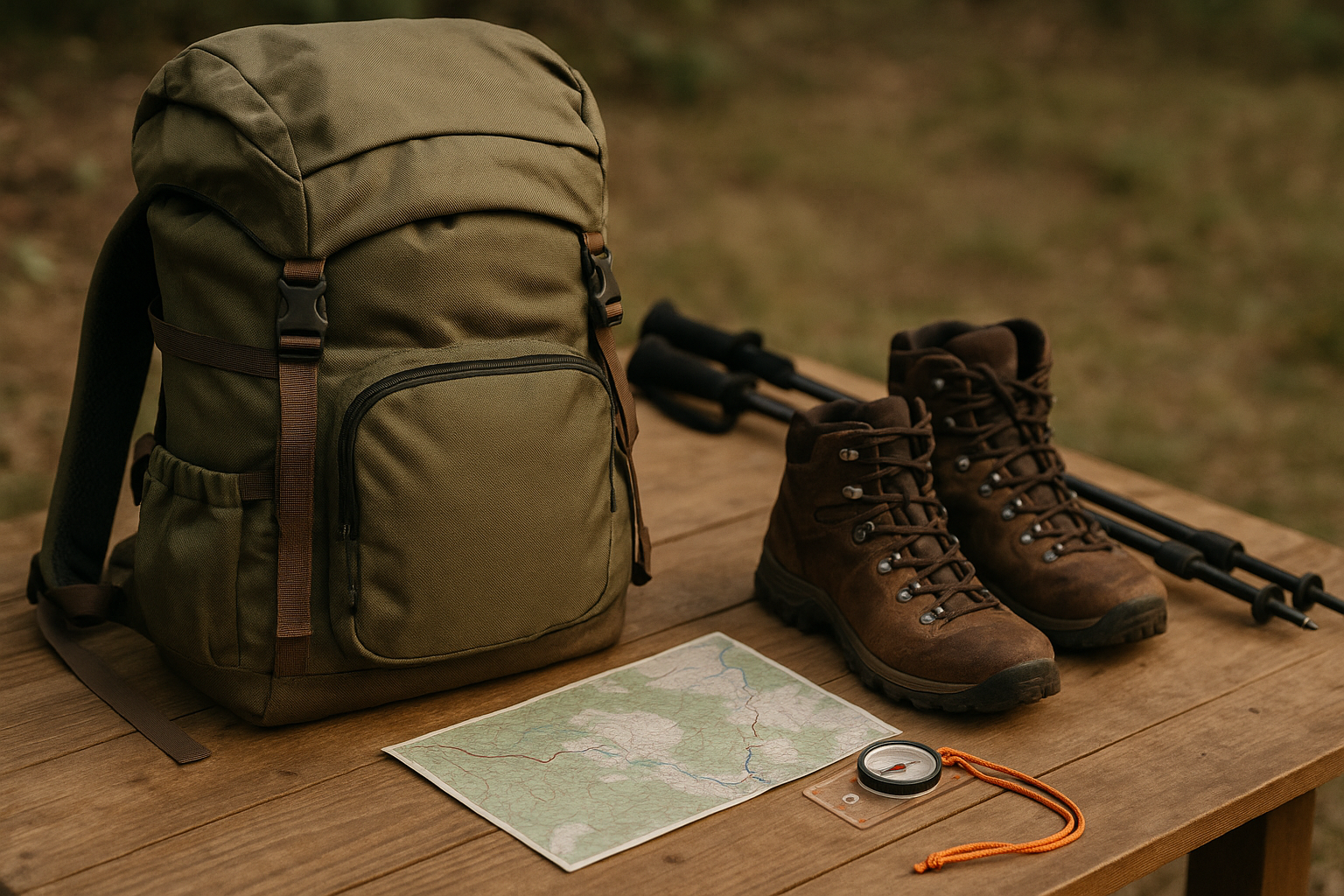
Let's talk equipment, but not how you probably think. The best equipment is the one you know how to use. I've met too many hikers with $2000 worth of gear who didn't even know how to adjust their backpack properly.
Let's start with shoes. They're your point of contact with the terrain, so don't skimp. But careful: the most expensive shoes aren't necessarily the best for you. Go to the store at the end of the day when your feet are slightly swollen (like during hiking), try several brands, and above all, test them on a few short outings before the big adventure.
| Shoe type | Ideal terrain | Advantages |
|---|---|---|
| Low-cut shoes | Easy trails, short distances | Light, breathable, quick drying |
| Mid-cut shoes | Intermediate trails, mixed terrain | Good weight/protection compromise |
| High boots | Difficult terrain, long treks | Ankle support, maximum protection |
For the backpack, the golden rule: it must be adjusted to your body type. A well-adjusted 30L pack will be more comfortable than a poorly adjusted 20L pack. Learn to use all the straps: hip belt, load lifter straps, chest strap. It changes everything!
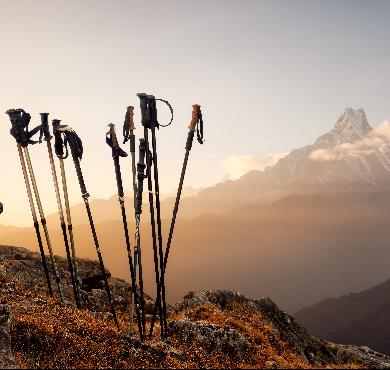
Hiking poles are often neglected by beginners, but they can transform your experience. They reduce pressure on your knees during descents (up to 25% according to some studies), help you on climbs, and improve your balance on unstable terrain. If you have knee problems or are just starting out, invest in a good pair.
Get my gifts →
How to improve your navigation and planning?
Here, we get into what really separates beginners from experienced hikers: the ability to plan and navigate. And no, your cell phone isn't enough!
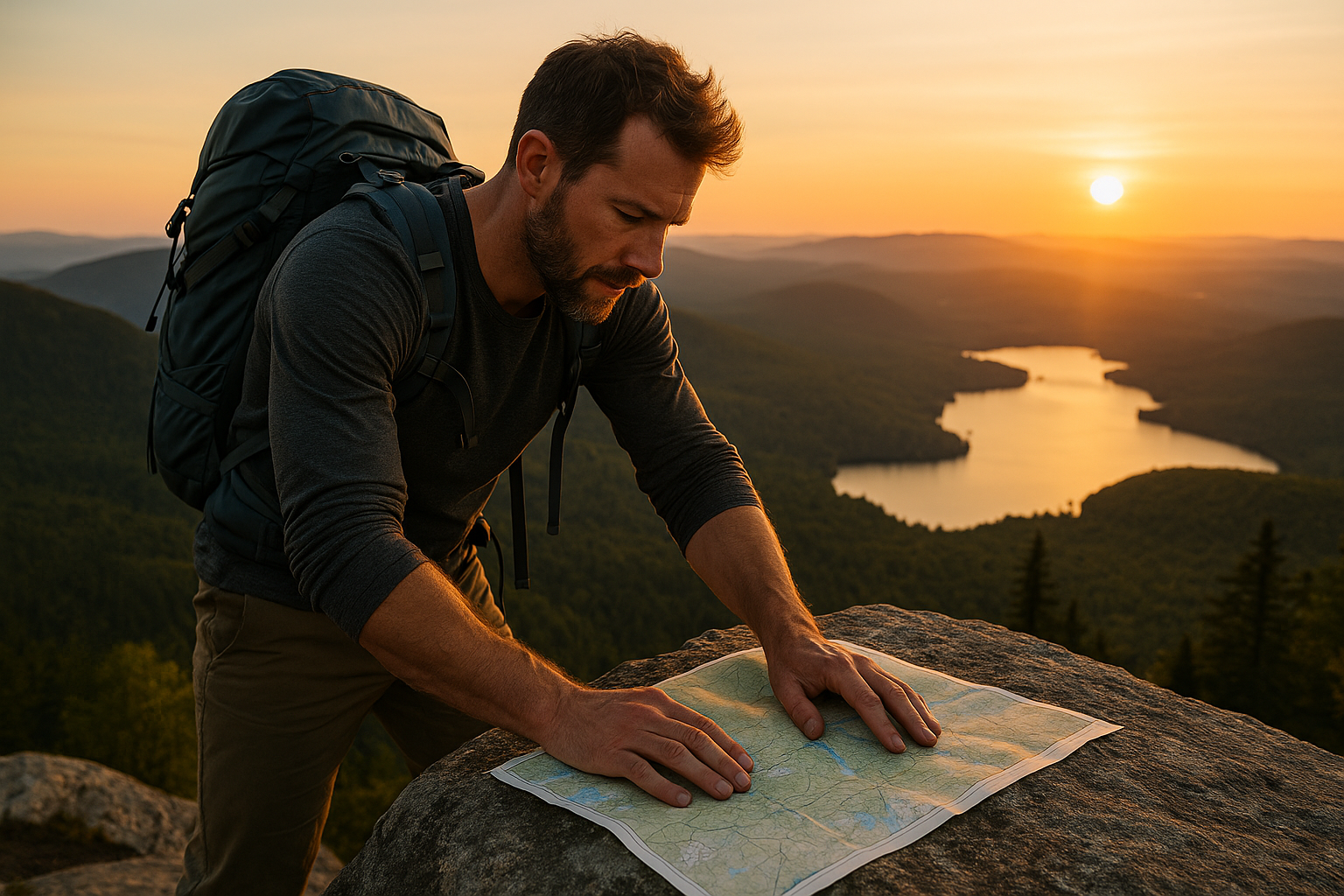
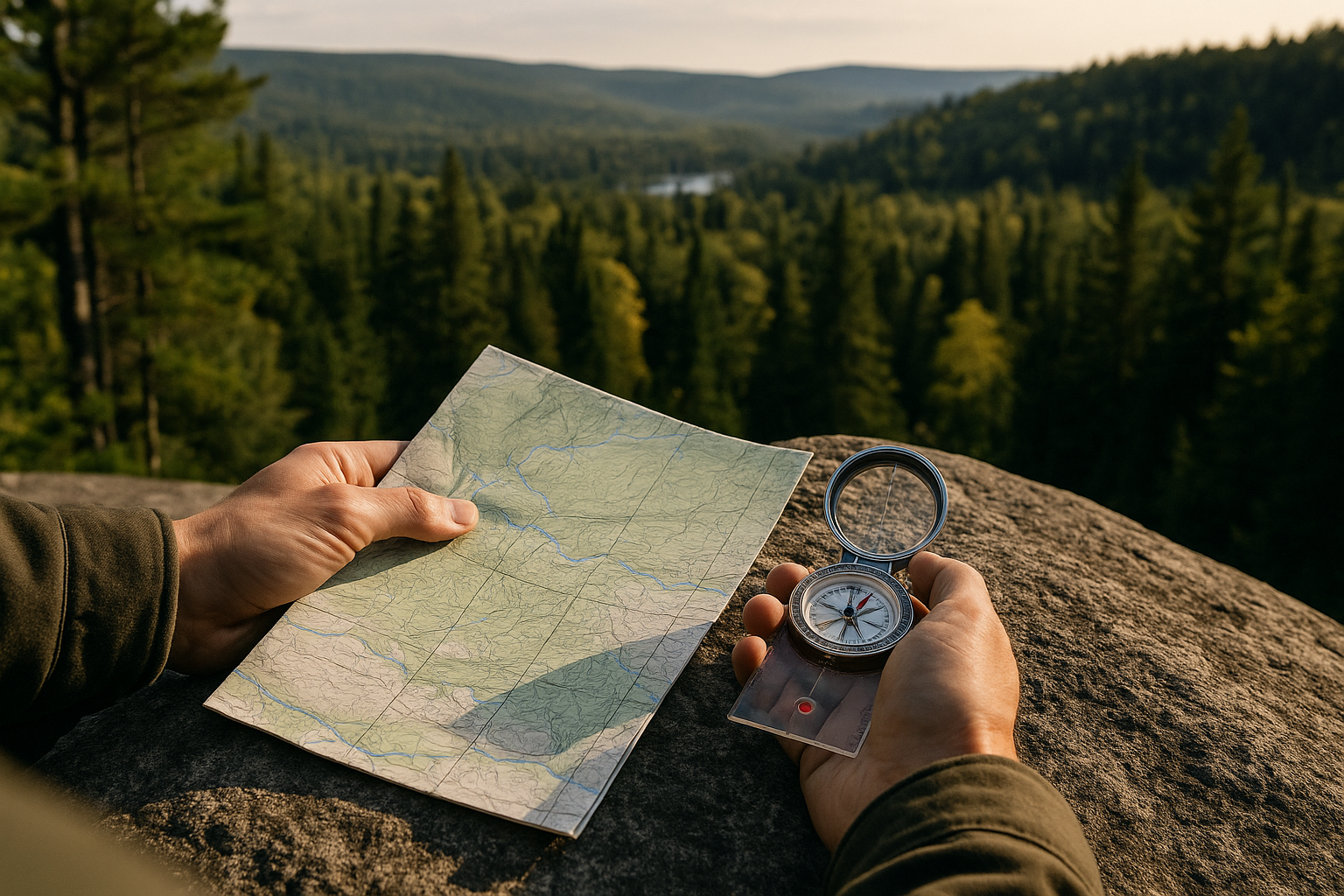
First, learn to read a real topographic map. I know, it seems outdated in the GPS era, but understanding contour lines, symbols, scales gives you a three-dimensional vision of the terrain that your app can't replace. When you look at a map and can visualize the elevation profile in your head, you've made a huge leap.
Planning is an art. Here's my proven method:
- Research the trail: official difficulty, recent comments, current conditions
- Calculate your time: 4 km/h on flat terrain, +1h per 300m positive elevation, +30% if technical terrain
- Identify exit points: where can you turn back if things go wrong?
- Check the weather: not just the morning, but evolution throughout the day
- Inform someone: where you're going, when you're returning, what to do if you don't check in
For navigation on the terrain, develop the habit of orienting yourself regularly. Not just when you're lost! Look at your map every 15-20 minutes, identify landmarks around you, note your progress. That's how you develop your sense of direction.
And if you really want to progress, try doing a few outings with just a map and compass, no GPS. You'll discover navigation aspects you never noticed. To start gently, I recommend Parc national du Mont-Saint-Bruno where trails are well marked but varied enough to practice.
How to develop your hiking-specific fitness?
Hiking is a complete sport, but it has its specificities. Being fit at the gym doesn't guarantee being fit in the mountains. I've seen bodybuilders struggle on trails that 70-year-old grandmothers climbed without problem!
The secret is working functional movements. Hiking involves a lot of uphill walking with weight on your back, uneven steps, constant direction changes. Here's how to train specifically:
For cardiovascular endurance:
- Fast walking uphill (even in the city!)
- Stairs with a weighted pack
- Mountain biking or stationary bike with resistance
- Trail running on varied terrain
For functional strength:
- Squats and lunges (for thighs and glutes)
- Step-ups on a bench with a backpack
- Single-leg balance exercises
- Calf strengthening (calf raises)
Don't forget recovery. Your muscles strengthen during rest, not during effort. After a big outing, give yourself at least one day of rest or light activity. Stretching, yoga, or even a simple recovery walk can work wonders.
Gradual progression is crucial. Increase either distance, or elevation gain, or technical difficulty, but never all three at once. A 10% progression per week is a good pace to avoid injuries.
How to manage weather conditions like a pro?
Here, we touch on what really differentiates a casual hiker from an enthusiast: the ability to hike in all weather. And no, I'm not talking about taking unnecessary risks, but knowing how to adapt intelligently.
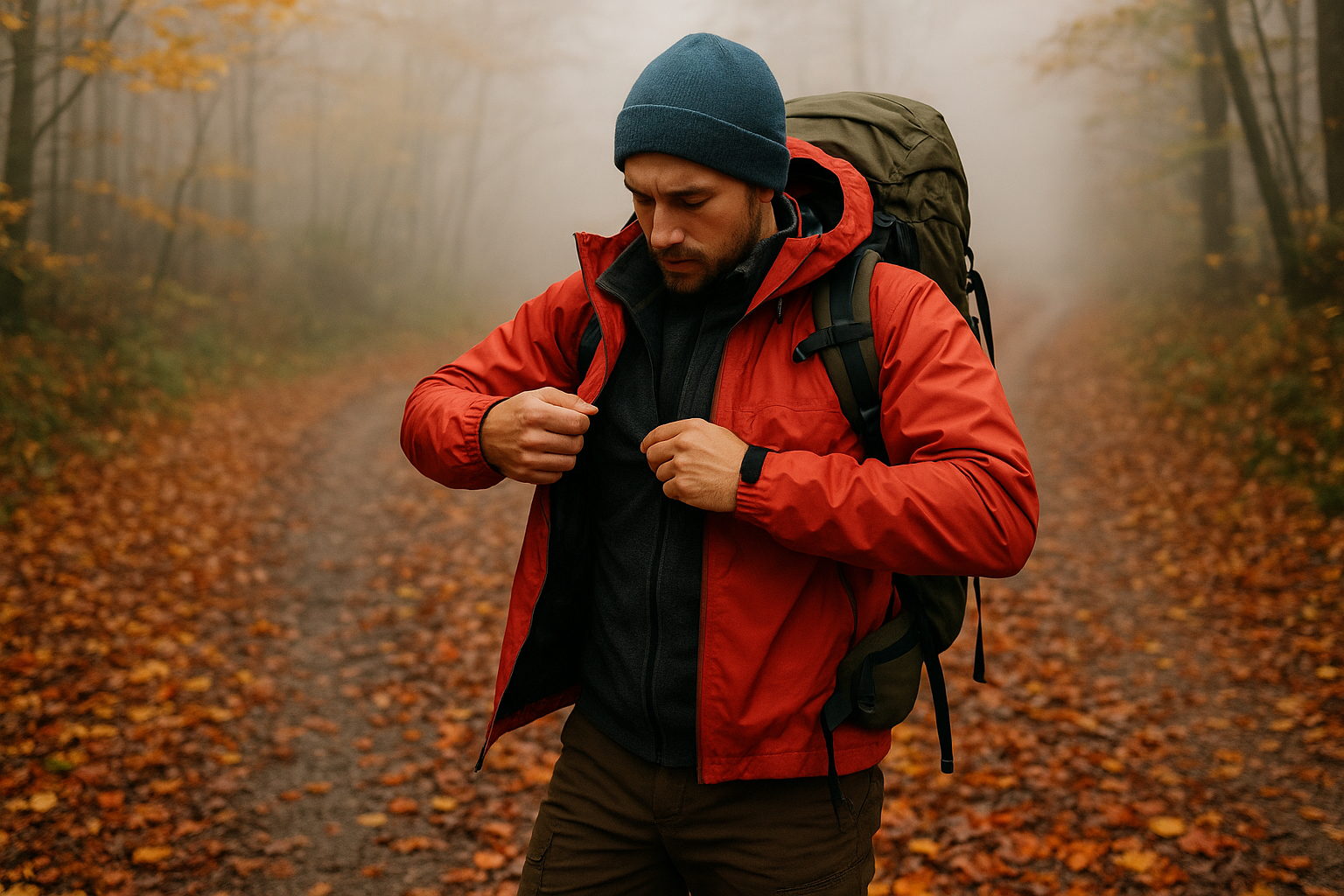
Layering system management is THE skill to master. Forget the big winter coat for hiking! The principle: several thin layers that you can add or remove according to conditions.
| Layer | Function | Examples |
|---|---|---|
| Base layer | Wick away sweat | Merino wool, synthetic (no cotton!) |
| Insulating layer | Retain heat | Fleece, down, synthetic |
| Shell layer | Block wind/rain | Windbreaker, breathable waterproof |
For hiking in the rain (inevitable in Quebec!), the golden rule: accept that you'll get wet, but make sure you stay warm. A good breathable waterproof jacket is worth its weight in gold, but even the best won't stop you from sweating if you push too hard.
In winter, hiking becomes another sport. Microspikes, snowshoes, gaiters... equipment changes, but above all, your approach must change. Days are short, terrain can be treacherous, and hypothermia becomes a real risk. Start with short outings on trails you know well.
In hot weather, dehydration and heat exhaustion are your main enemies. Leave early, take frequent breaks in shade, and drink before you're thirsty. A good hat and long, light clothing will protect you better than a t-shirt and sunscreen.
How to improve your pace and walking technique?
They don't teach you to walk in school, yet there's a technique for hiking well! After observing thousands of hikers, I can tell you that the difference between those who finish fresh and those who drag their feet is often a matter of technique, not fitness.
Pace is the foundation. Find a rhythm you can maintain while talking without being out of breath. That's your cruising speed. Too many hikers start like rockets and finish like turtles. The tortoise that maintains a constant pace will often arrive before the hare that yo-yos.
For climbs, adopt the "hiker's step": short, regular steps, placing your whole foot flat when possible. Use your poles to propel forward, not just for balance. And breathe! Synchronize your breathing with your steps: inhale for 2-3 steps, exhale for 2-3 steps.
Descents are where many get injured. Keep your center of gravity above your feet, slightly bend your knees, and don't brake with your heels. Use your poles as shock absorbers, especially on wet or rocky terrain.
For stream crossings, unbuckle your pack's hip belt (in case of a fall, you can get rid of it quickly), use your poles to test depth and bottom stability, and cross diagonally facing the current. If you want to know more, I wrote a complete guide on how to cross a stream safely.
Effort management on a long hike is like managing an energy budget. You have an energy capital for the day, spend it intelligently. Always keep 20% in reserve for the unexpected: bad weather, detour, helping another hiker.
How to develop your terrain intelligence?
Here's what really separates good hikers from others: terrain intelligence. It's this ability to read the environment, anticipate problems, make the right decisions at the right time.
Start by learning to observe. Nature constantly gives you clues: cloud shapes announcing a storm, vegetation changing according to exposure, animal tracks indicating nearby water. The more you observe, the more you understand.
Develop your danger sense. Not to become paranoid, but to recognize warning signals: rapidly deteriorating weather, terrain more technical than expected, unusual fatigue in a group member, equipment failing. The good hiker is one who turns back when necessary, even if it's frustrating.
"Better to be disappointed below than in distress above."
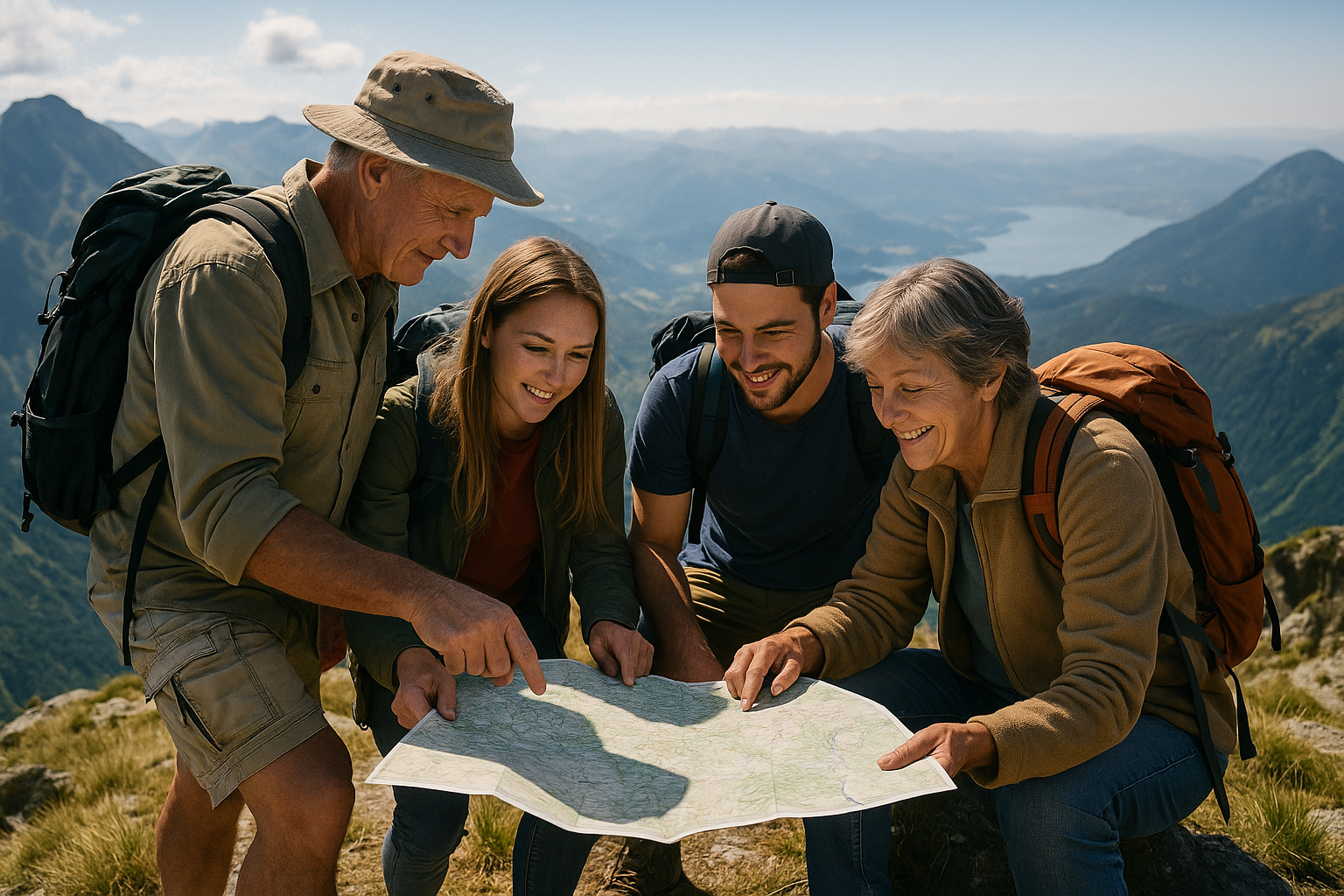
Group management, if you hike with others, is crucial. The group never goes faster than its slowest member, and that's normal! Adapt the pace, take regular breaks, and always keep an eye on everyone. I've seen too many outings ruined because someone didn't dare say they were tired.
Learn wilderness first aid basics. You don't need to be a doctor, but knowing how to treat a blister, minor sprain, or recognize signs of hypothermia can transform a difficult situation into a simple anecdote. Several organizations offer specialized training for outdoor activities.
And finally, develop your network. Join hiking clubs, participate in forums, exchange with other enthusiasts. Every hiker has their tricks, secret trails, techniques. The more you exchange, the more you learn.
How to set goals and progress constantly?
To really progress, you need to set clear and measurable goals. Not just "I want to be better," but concrete things you can evaluate and celebrate when you achieve them.
Here are some examples of progressive goals:
- Distance: Go from 5 km to 10 km, then 15 km
- Elevation gain: Master 200m, then 500m, then 800m
- Technique: Hike in rainy weather, try night hiking
- Autonomy: Do your first solo hike, first bivouac
- Geography: Explore a new region, do a multi-day trek
The important thing is gradual progression. Don't jump from a 5 km hike to a 50 km trek! Gradually increase difficulty, and above all, give yourself time to assimilate each stage.
Keep a progress journal. Note your outings, feelings, discoveries. Over time, you'll see your progress in black and white, and that's motivating! You'll also identify your weak points and be able to work on them specifically.
Don't hesitate to step out of your comfort zone regularly. Try a new type of terrain, new season, new region. Each new challenge teaches you something. Mont Yamaska is perfect for testing your limits safely, with its different difficulty levels.
And celebrate your victories! Even the small ones. You finished your first 10 km hike? That's huge! You hiked in the rain without being miserable? Bravo! Every progression deserves recognition.
How to learn from others and share your experience?
One of the best ways to progress is learning from others. Every hiker has something to teach you, from the beginner asking questions you wouldn't dare ask anymore, to the veteran with 40 years of experience in their legs.
Join hiking groups. In Quebec, they're everywhere: mountain clubs, Facebook groups, meetups, student associations. It's an opportunity to discover new trails, share transportation costs, and above all, learn techniques you never would have thought to try alone.
When you hike with more experienced people, ask questions! Why did they choose this pace? How did they know it was going to rain? What's their trick for blisters? Hikers love sharing their knowledge, take advantage!
Participate in training. First aid courses, navigation workshops, avalanche safety training if you want to venture into winter mountains. Each training gives you concrete tools to become more autonomous and safer.
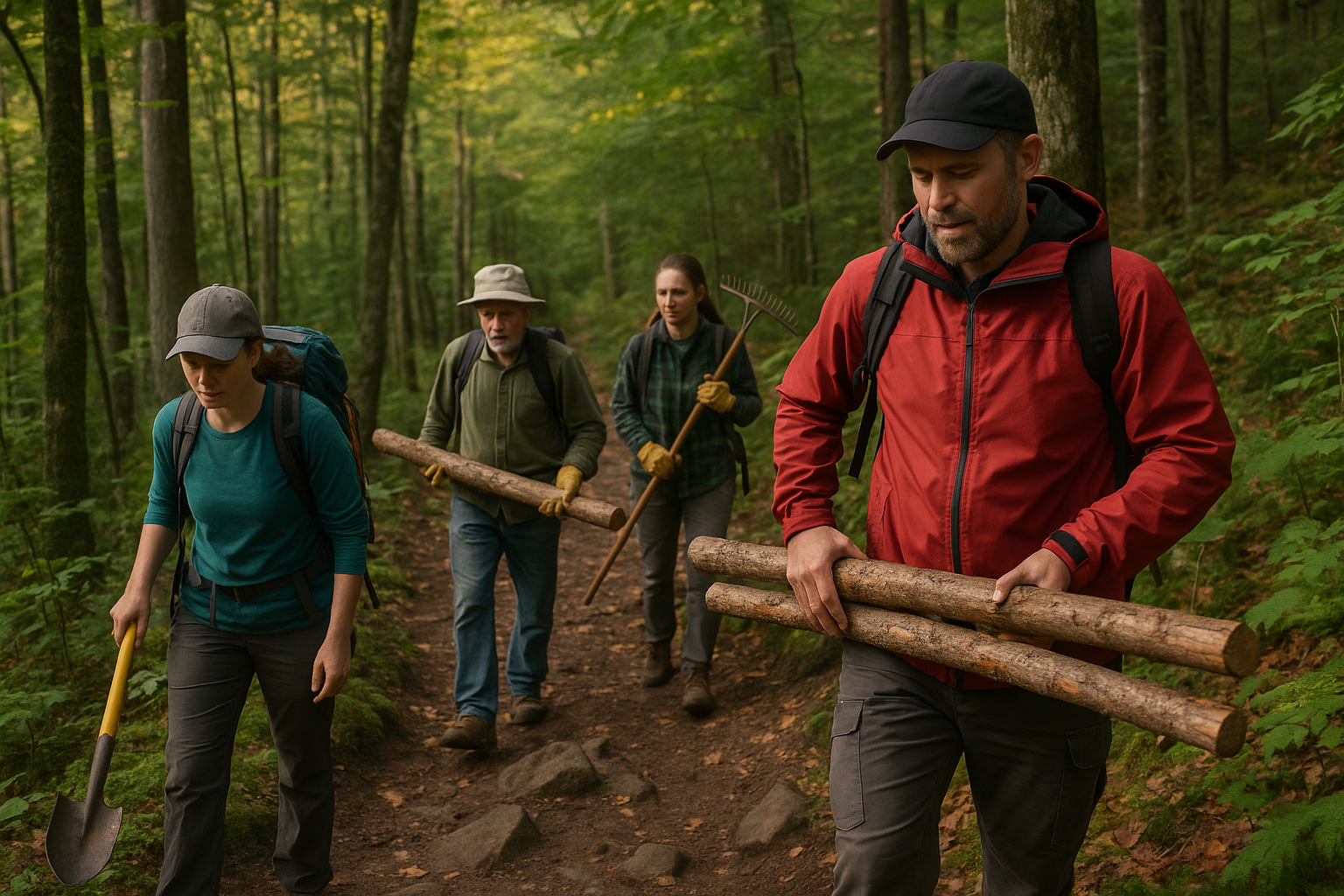
And don't forget to give back to the community. Share your discoveries, help beginners, contribute to trail maintenance. The hiking community in Quebec is incredible, but it exists thanks to everyone's commitment.
Mistakes to avoid to progress faster
After 15 years on trails and thousands of hikers encountered, I can tell you that the same mistakes come up constantly. The good news is that knowing them allows you to avoid them and progress more quickly!
Mistake #1: Wanting to go too fast, too far, too soon. I made this mistake in my early days, and I've seen hundreds of people repeat it. You're motivated, you want to do everything right away. Result: injuries, discouragement, giving up. Progression takes time.
Mistake #2: Neglecting hydration and nutrition. Your body is your engine. If you fuel it poorly or don't drink enough, it will fail you. Eat before you're hungry, drink before you're thirsty, and learn to recognize your body's signals.
Mistake #3: Leaving without a plan B. Weather changes, a group member gets injured, your equipment fails. Always have a backup plan: shorter alternative route, anticipated exit point, emergency equipment.
Mistake #4: Neglecting warm-up and recovery. Hiking is a sport! Warm up before leaving, stretch when you get back, take care of your body. Your knees and back will thank you in 20 years.
Mistake #5: Not respecting the environment. Leave No Trace applies everywhere. Stay on trails, pack out your trash, respect wildlife. The trails we love, we must protect them for future generations.
And finally, mistake #6: Only hiking in good weather. If you always wait for perfect conditions, you'll miss 80% of opportunities to get out! Learn to adapt to conditions, that's what makes the difference between a casual hiker and an enthusiast.
Your action plan to become a better hiker
Good, we've covered a lot of ground together! Now, how do you transform all this into concrete actions? Here's your progression plan for the next 6 months:
Months 1-2: The foundations
- Evaluate your current equipment and invest in quality shoes
- Start keeping a hiking journal
- Do 2-3 short outings (2-4h) to establish your baseline condition
- Learn to read a topographic map
Months 3-4: The expansion
- Gradually increase your distances and elevation gains
- Try hiking in less clement weather
- Join a group or find a hiking partner
- Experiment with the layering system
Months 5-6: The specialization
- Set yourself a challenge goal (new summit, longer distance)
- Try a new region or new type of terrain
- Consider training (first aid, advanced navigation)
- Share your experience with beginners
Remember: hiking is a marathon, not a sprint. Each outing teaches you something, each mistake makes you stronger, each summit makes you want the next one.
And above all, never forget why you started: for pleasure, for nature, for those magical moments when you feel connected to something bigger than yourself. Keep that in mind, and you'll not only become a better hiker, but also a more balanced and happier person.
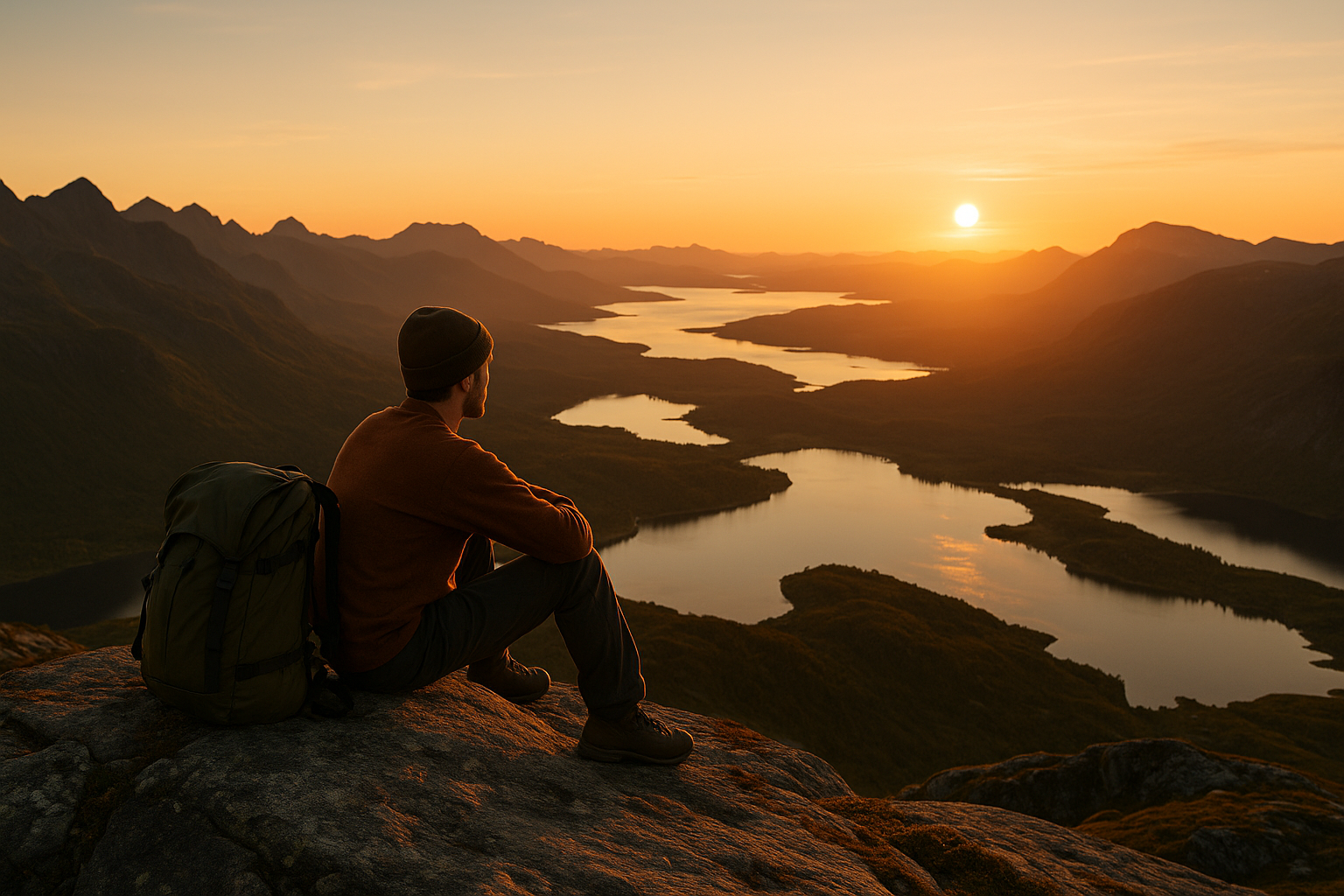
So, ready to lace up your boots and head out on an adventure? Quebec's trails are waiting for you, and trust me, they still have a lot to teach you. Next time we cross paths in the mountains, I hope you'll have your own progression story to share!

About the author
François Dumaine
Founder of Let's Go Play Outside
A passionate hiker, photographer and content creator, François has been hiking the trails of Quebec and Alberta since 2014. He founded Let's Go Play Outside to give you the information he wished he had before heading out.
Newsletter
Content that makes you want to go outside
Every week, a trail idea, a reflection on nature, or a tip worth the detour. Zero spam. Only the essentials.
Joined by 12,000+ outdoor enthusiasts
Read next
Continue the journey