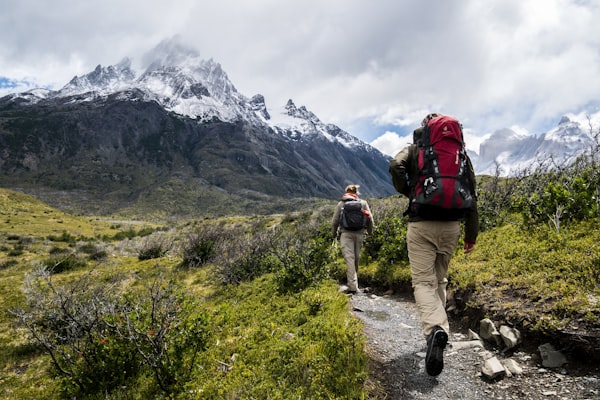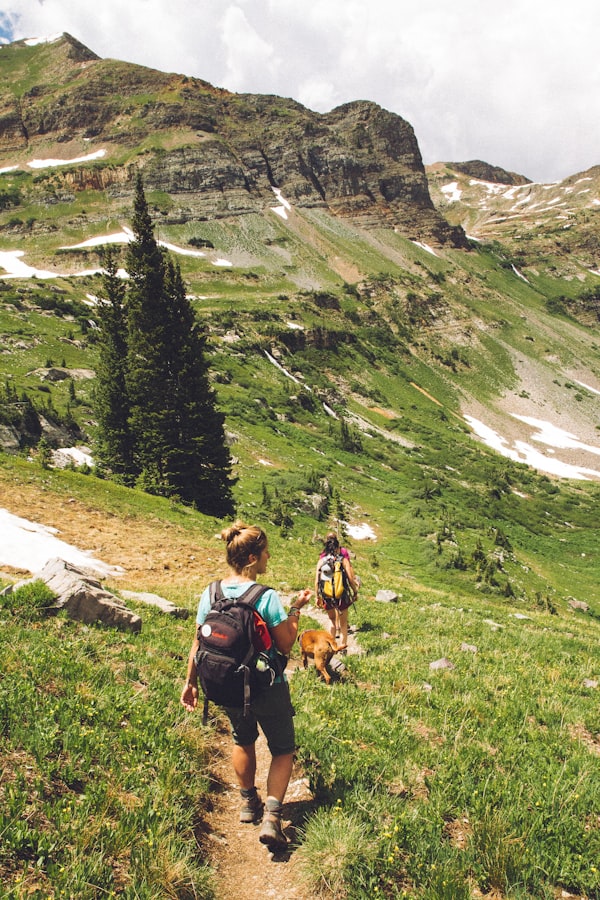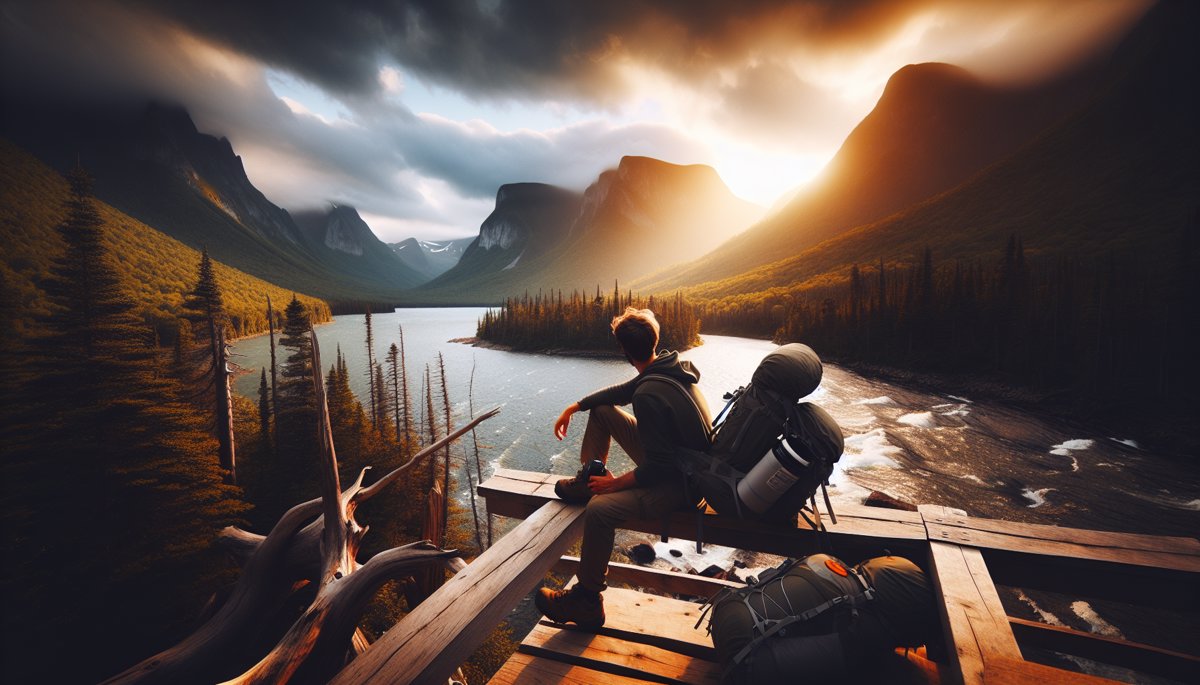
The 4-day traverse of Parc de la Jacques-Cartier is the kind of adventure that stays with you for years. I still remember my first morning on the trail: 5:30 AM, pack on my back, with that excitement mixed with a little nervousness in my stomach. After all, we're talking about a 4-day Jacques-Cartier park traverse that will have you discovering 50 km (31 miles) of pure Quebec wilderness.
This 4-day adventure marked me like few other outings have. Between the breathtaking panoramas of the Jacques-Cartier valley, the camps under the stars and those moments of deep solitude in the boreal forest, I experienced magical moments that I'm going to share with you.
In this story, you'll discover day by day how my traverse unfolded, the challenges encountered, the mistakes to avoid and above all, why this hike absolutely deserves its place on your Quebec adventure bucket list.
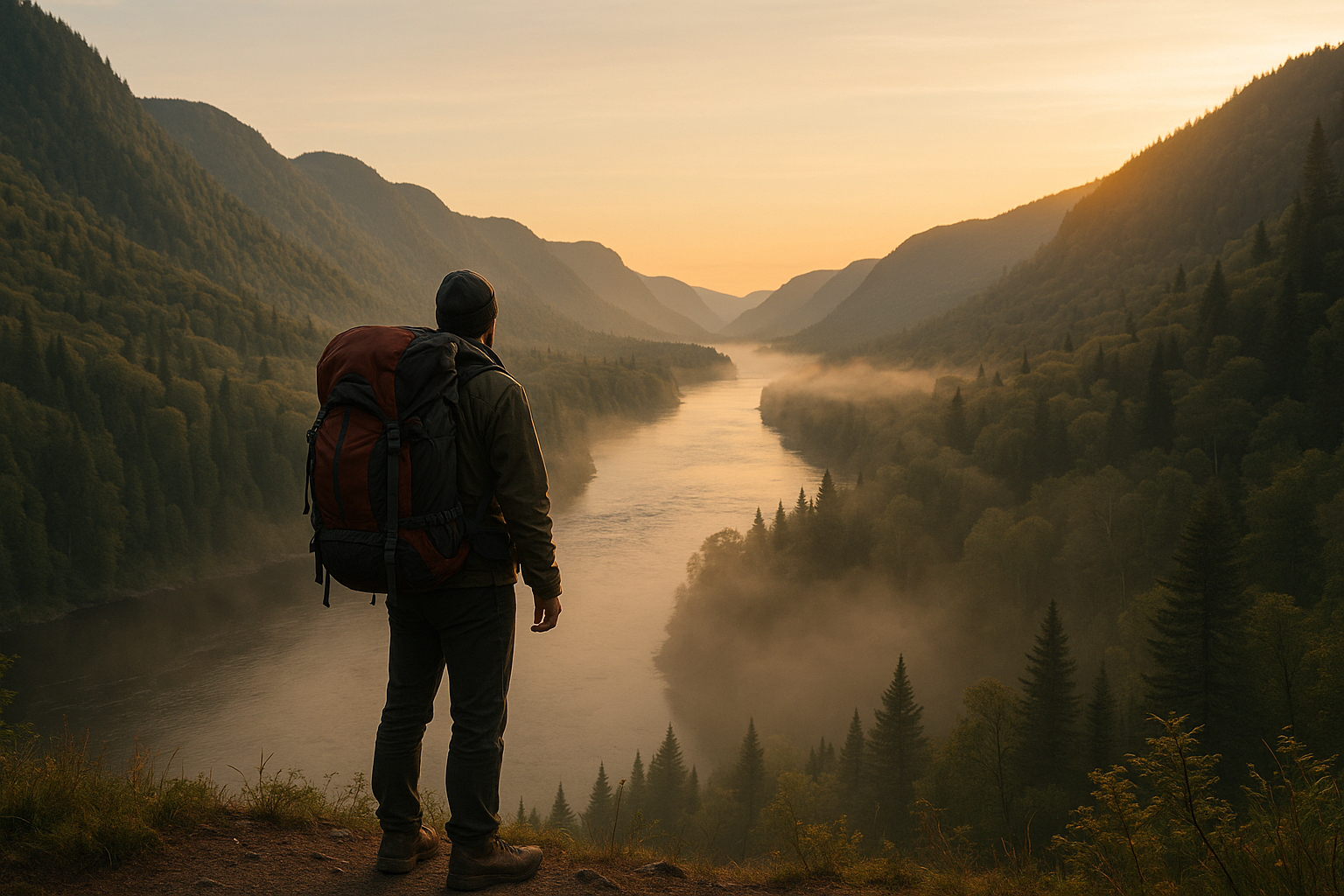
🏔️ Day 1: Entering the Adventure (Vallée Sector → Camping des Loups)
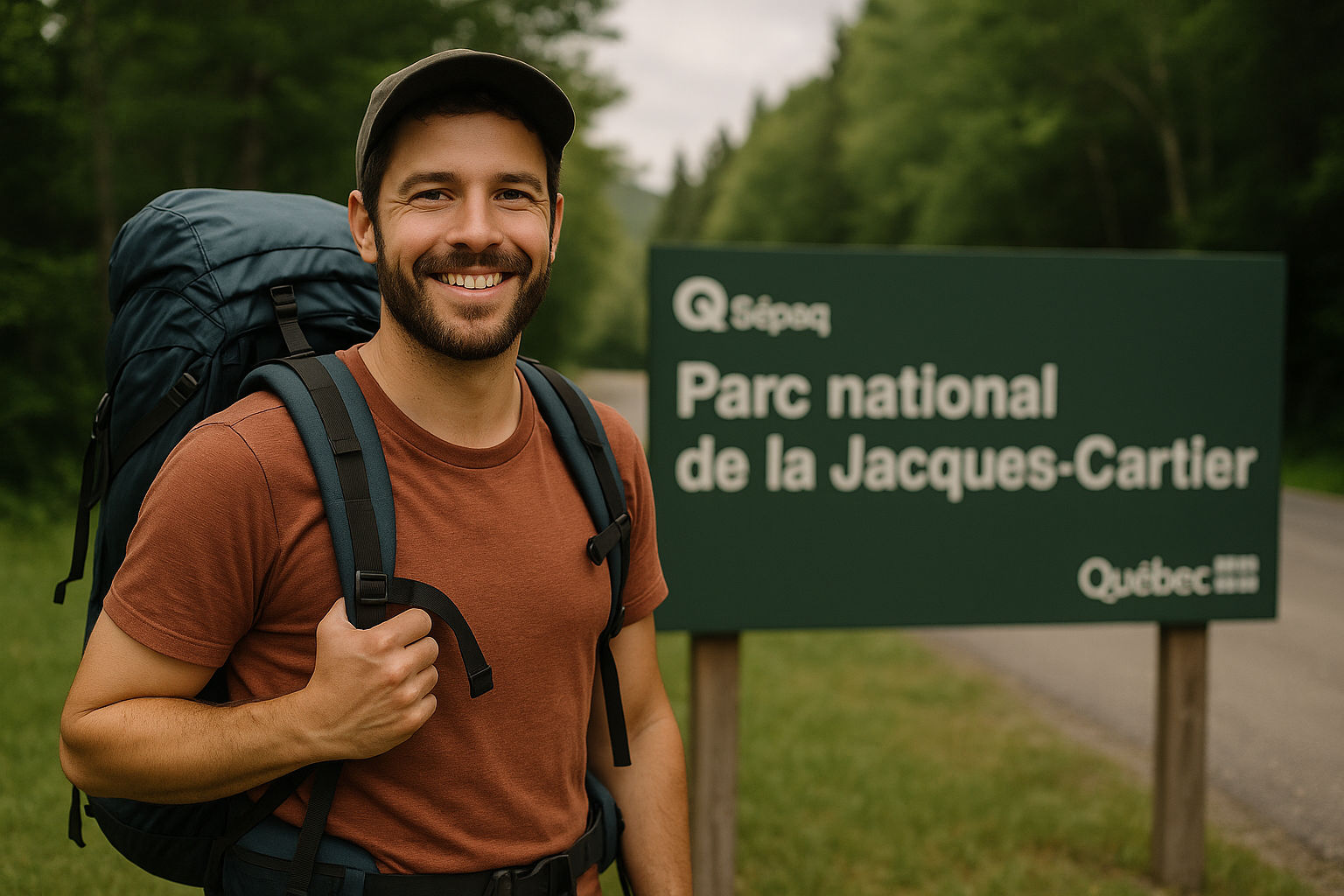
6:00 AM, Vallée sector parking lot. My 18 kg (40 lb) pack on my back (yes, I still tended to overpack back then), I take my first deep breath of this 4-day traverse. The fresh September air stings the nostrils a bit, but it smells like adventure beginning.
The first kilometers are on the Sentier des Loups, a relatively gentle trail that follows the Jacques-Cartier River. I'll admit I was a bit overconfident - after all, how many day hikes had I done? But carrying your complete camp for 4 days is another story altogether.
Around 10:30 AM, first technical break: my pack straps were already cutting into my shoulders. Rookie mistake! I had neglected to adjust my pack before departure. 15 minutes of adjustments later, and it was already much better.
The landscape gradually changes. We leave the riverbanks to enter the mixed forest. Maples, birches and firs blend in a festival of autumn colors. At this time of year, it's just insane how beautiful it is.
Arrival at Camping des Loups around 3:00 PM. First objective achieved! The site is magnificent: a small clearing with a partial view of the surrounding hills. I set up my tent (an old North Face that's never let me down), prepare my dinner and savor this first moment of contemplation.
Get my gifts →
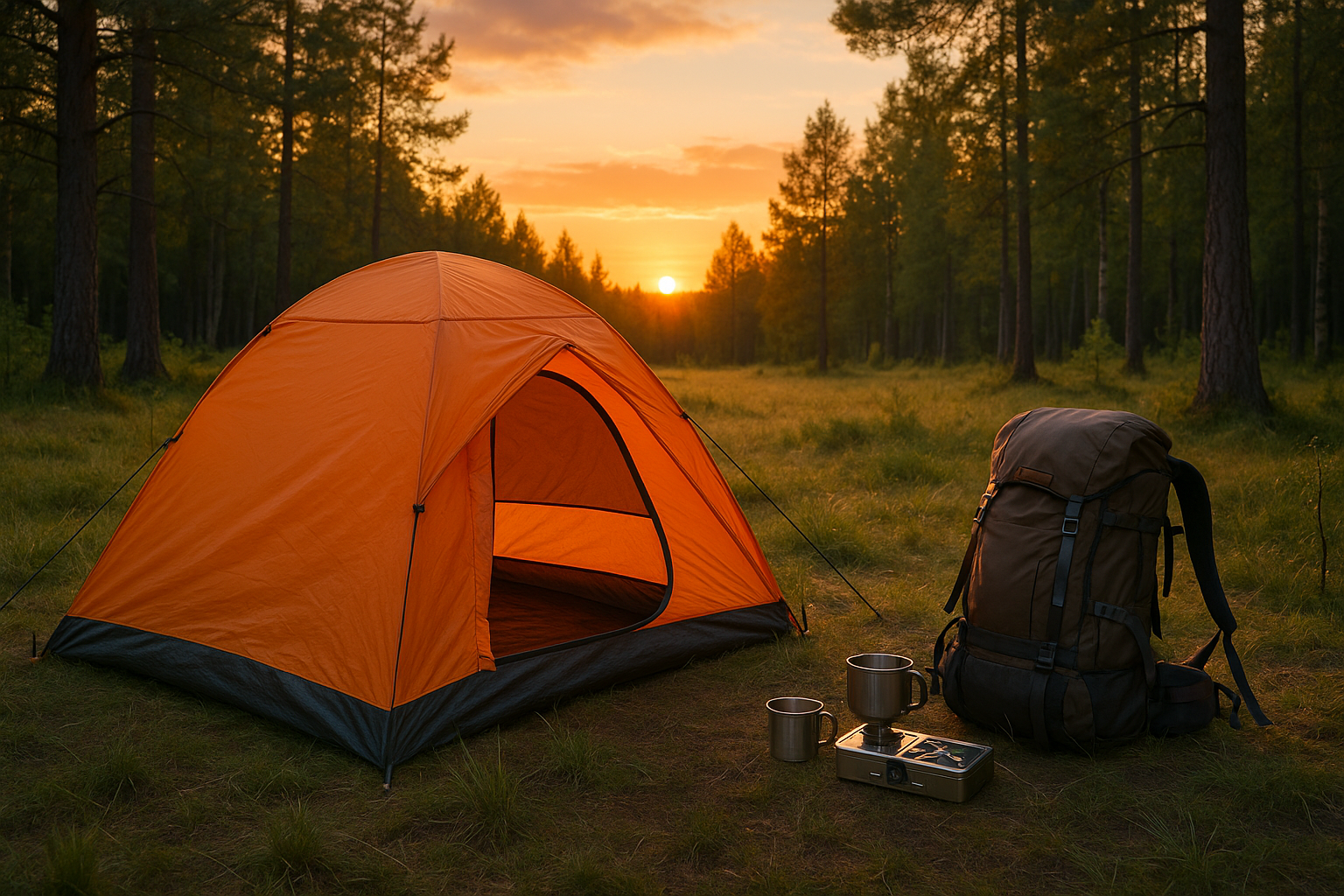
⛰️ Day 2: The Real Challenge Begins (Camping des Loups → Camping de l'Épaule)
Wake up at 6:00 AM with birdsong and a light dew that made my tent all wet. Mental note: allow more time to dry equipment in the morning. After a quick breakfast (blueberry oatmeal - my classic), I break camp and hit the trail around 8:00 AM.
This second day is where it gets tough. The trail climbs more steadily toward the Épaule plateau. 14 km (8.7 miles) with 450m (1,476 ft) of positive elevation gain doesn't seem huge on paper, but with a full pack, you feel it in your thighs!
| Stage | Distance | Elevation | Estimated Time |
|---|---|---|---|
| Camping des Loups → Lookout | 8 km | +300m | 3h00 |
| Lookout → Camping de l'Épaule | 6 km | +150m | 2h30 |
Around 11:30 AM, I reach the first lookout of the day. Holy crap it's beautiful! The view plunges into the Jacques-Cartier valley, with the river winding between the colorful hills. I take 20 minutes to have a snack and capture the moment with some photos.
The afternoon becomes more challenging. The trail crosses a more technical section with rocks and roots. My advice: take your time, especially with a heavy pack. I almost wiped out at least 3 times because I was trying to go too fast.
Arrival at Camping de l'Épaule around 4:30 PM, completely drained but proud. This campsite is probably my favorite of the entire traverse: perched on a small plateau with an unobstructed 270-degree view. The sunset from this spot is something you never forget.
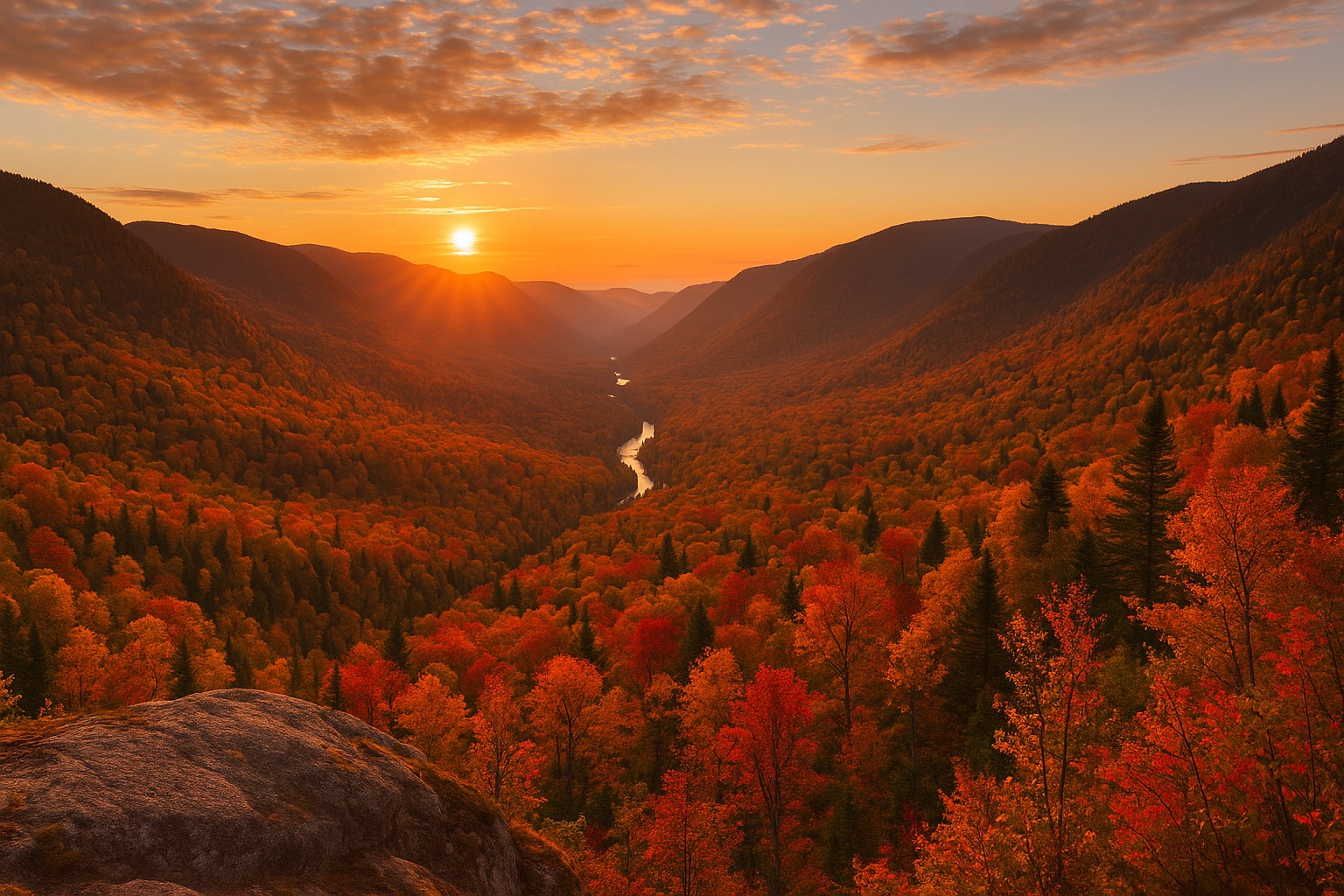
🌲 Day 3: Crossing the Plateau (Camping de l'Épaule → Camping du Hibou)
Third morning, and I'm starting to feel the accumulated fatigue. My legs are stiff, my feet a bit sore, but morale is high. There's something addictive about this morning routine: waking with the first rays, instant coffee that tastes like paradise, and that anticipation of what the day will bring.
This 13 km (8 miles) stage mainly crosses the Épaule plateau, a completely different environment from the previous days. We go from mixed forest to more alpine vegetation, with sections of blueberry heath and unobstructed views as far as the eye can see.
Around 10:00 AM, I meet my first hikers since the beginning of the traverse: a French couple traveling in Quebec. We exchange a few words about our respective experiences. It feels good to talk to other humans after 2 days of solitude!
The highlight of this day is undoubtedly the Épaule Lookout section. At 1,050m (3,445 ft) altitude, it's the highest point of the entire traverse. The 360-degree view of the park and surrounding mountains gives you chills. I spent a good half hour up there, just contemplating and realizing how lucky I was to experience this.
In the afternoon, the trail gradually descends back to the forest. My knees start protesting on the steeper descents - mental note to invest in hiking poles for next time. For those planning this adventure, I strongly recommend good hiking boots with proper ankle support.
Arrival at Camping du Hibou in late afternoon. More intimate site than the previous ones, nestled in a small forest hollow. The advantage: well protected from the wind. The disadvantage: no open view for sunset. But after 3 days of hiking, I was just happy to arrive!
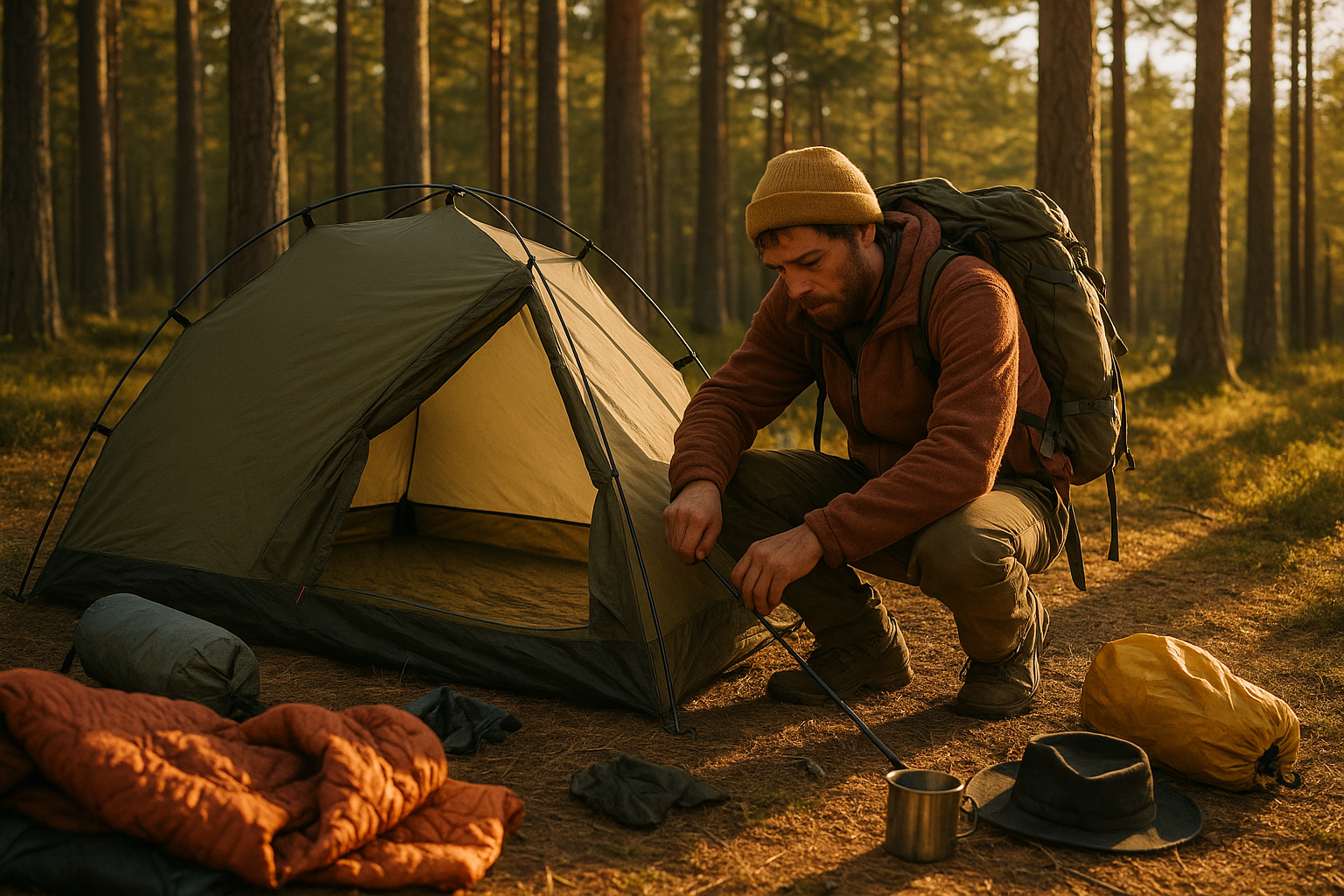
🎯 Day 4: The Finish Line (Camping du Hibou → Chute-à-Bull Sector)
Last day! I wake up with a mix of excitement and nostalgia. On one hand, I can't wait to get back to my bed and a real shower. On the other, I realize this 4-day Jacques-Cartier park traverse is coming to an end, and it makes me a bit melancholic.
This final 11 km (6.8 miles) stage is probably the easiest technically, but my tired legs remind me we already have 39 km (24 miles) in our bodies. The trail gradually descends toward the park exit, sometimes following the river canyon.
Around 10:30 AM, I stop at a small lookout that offers one last spectacular view of the valley. That's when it hits me: I just spent 4 days completely disconnected, living at nature's rhythm. No cell phone, no stress, just me, my feet and the kilometers rolling by.
"Sometimes you need to get lost in nature to find yourself. These 4 days reminded me of the essentials: the simple beauty of a sunrise, the incomparable taste of fresh stream water, and that deep satisfaction of having met a challenge."
The last kilometers are on a wider, better-maintained trail. I pass several day hikers heading up to the lookouts. Their light packs make me smile - I feel like a real adventurer with my huge pack!
Arrival at the parking lot around 1:30 PM. Mission accomplished! 50 kilometers (31 miles), 4 days, 3 nights under the stars, and a ton of unforgettable memories. I pack my gear in the car with that satisfaction of a job well done and that little voice in my head already saying: "So, what's the next adventure?"
🎒 Lessons Learned from This Traverse
After these intense 4 days, I drew several lessons that I share with everyone planning this adventure. These mistakes and discoveries made me a better hiker, and they can save you a lot of trouble!
The Equipment That Makes the Difference
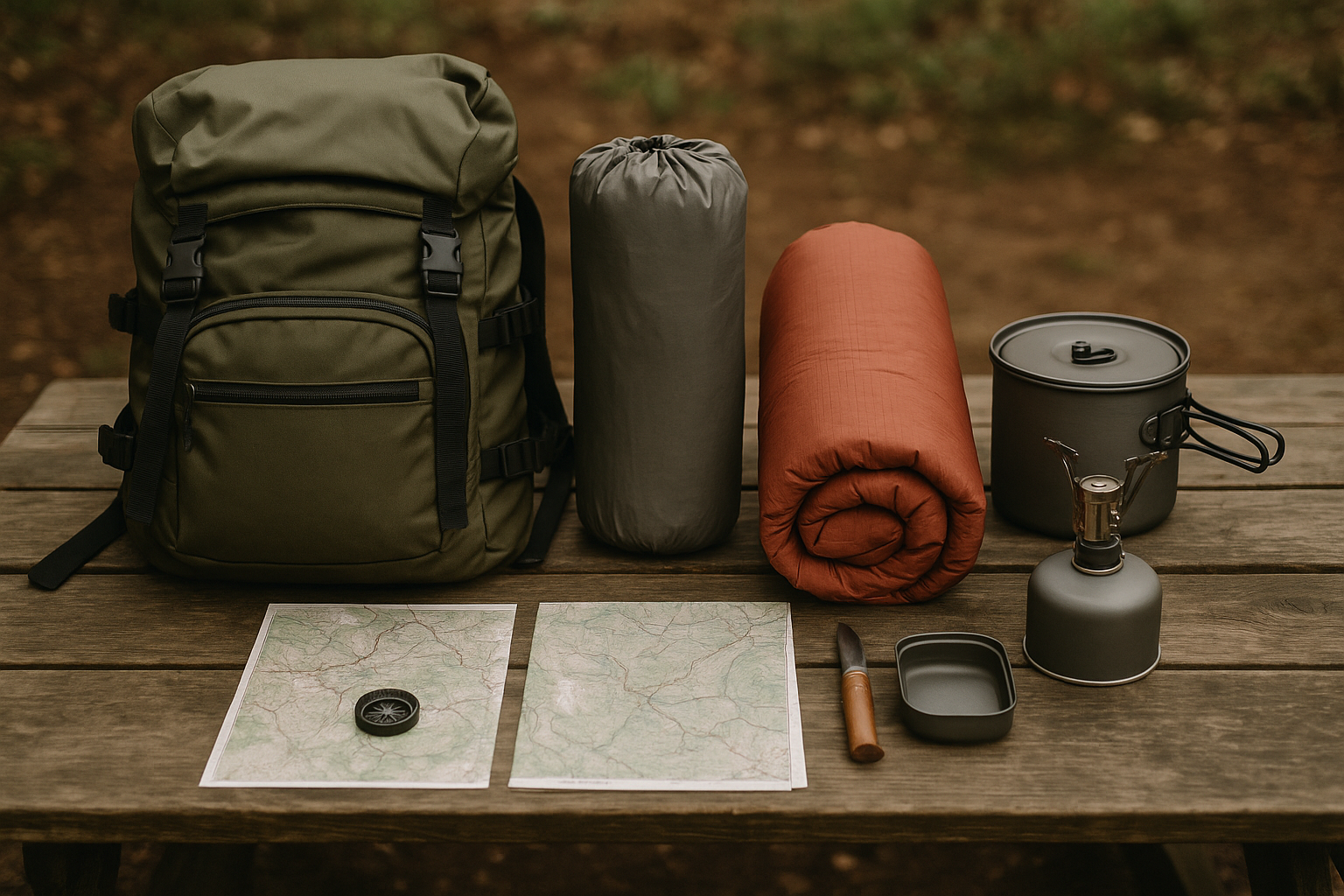
My most costly mistake: neglecting my backpack adjustment. The 18 kg (40 lbs) poorly distributed caused me shoulder pain for the first 2 days. Now, I always spend 15 minutes properly adjusting my pack before each long outing.
The absolute essentials I appreciated:
- Spare socks (I had 2 extra pairs)
- A reliable stove and quality fuel
- A headlamp with spare batteries
- A complete first aid kit
- Dry change of clothes in a waterproof bag
Managing Effort Over 4 Days
It's amazing how the body adapts. The first day, I was exhausted after 12 km. By the fourth day, my legs were moving almost on their own. But I also learned the importance of properly managing your energy:
- Start early in the morning when it's cool
- Take regular breaks (10 minutes every hour)
- Eat often and drink plenty
- Listen to your body and adapt the pace
For those new to long-distance hiking, I strongly recommend reading our ultimate beginner's guide before embarking on a 4-day adventure.
The Often Neglected Mental Aspect
Physically, I was ready. Mentally, less so. There are moments of doubt, especially on the second day when fatigue accumulates and you realize there are still 2 days left. It's normal, and it's part of the adventure.
What helped me:
- Breaking each day into small goals
- Savoring breaks and beautiful landscapes
- Accepting discomfort as part of the experience
- Remembering why I chose to do this traverse
🗺️ Practical Tips for Planning Your Traverse
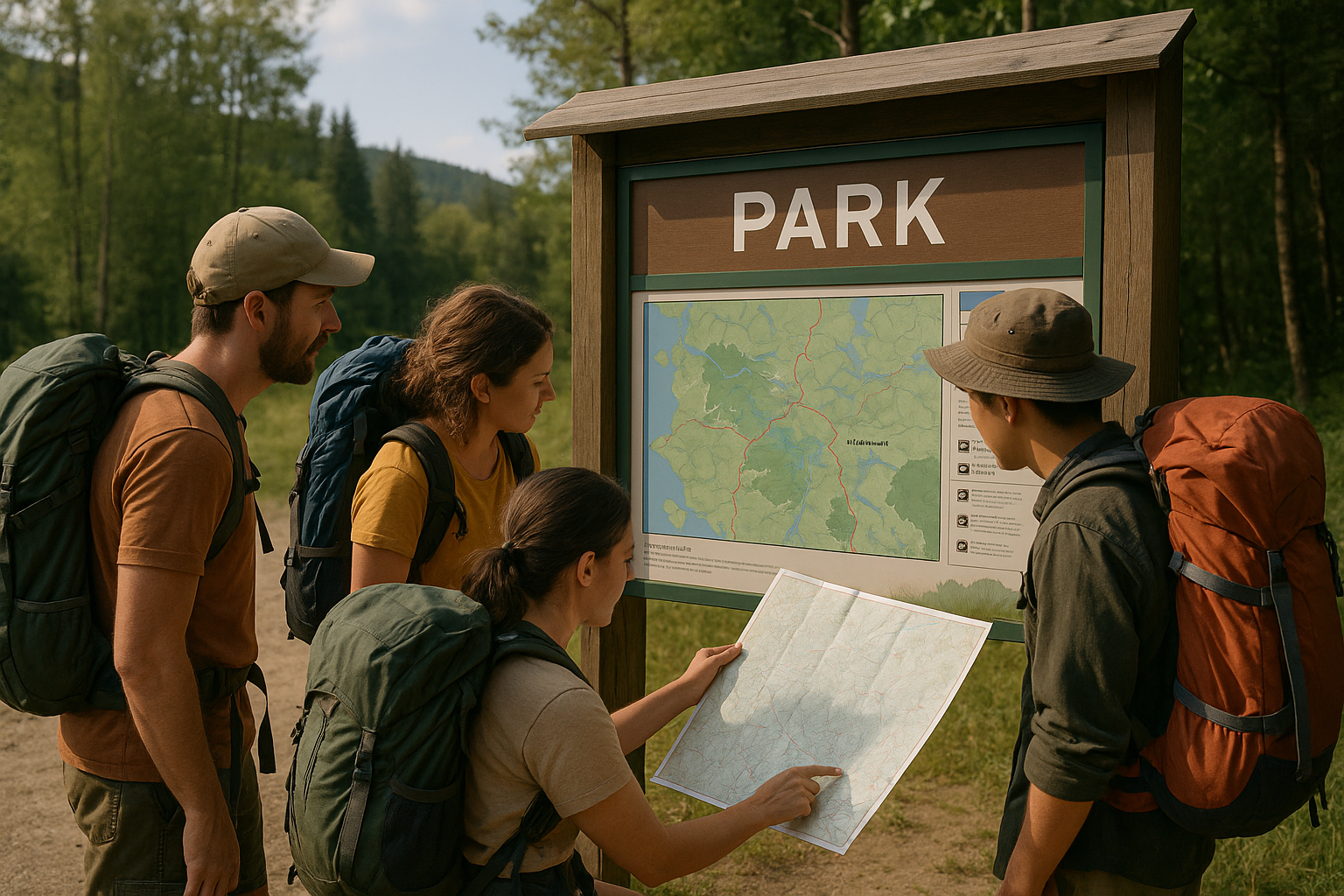
If this story has made you want to attempt the adventure (and I hope it has!), here are my concrete tips for planning your own 4-day Parc de la Jacques-Cartier traverse.
When to Go for Best Conditions
After doing this traverse in different seasons, here are my recommendations:
| Period | Advantages | Disadvantages |
|---|---|---|
| June - July | Mild temperatures, long days | Black flies and mosquitoes |
| August - September | Fewer insects, autumn colors | Cooler nights |
| October | Spectacular colors, no insects | Unpredictable weather, cold nights |
My personal choice: late August to mid-September. It's the sweet spot between pleasant temperatures, colors starting to change, and decreasing insects.
Reservations and Logistics
Super important point: camping reservations are mandatory and fill up quickly, especially for weekends. I recommend booking at least 2-3 months in advance for popular periods.
For transportation logistics, you have several options:
- Leave a second car at the arrival point (simplest option)
- Use the park's shuttle service (check availability)
- Ask a friend to pick you up (with cold beer as a bonus!)
- Do a round trip from the same point (doubles the distance)
Budget and Costs to Plan For
To give you an idea, here's what it cost me (approximate prices):
- Park entrance fees: $25 per day
- Camping reservation (3 nights): $75
- Gas and transportation: $50
- Food for 4 days: $60
- Total: about $210 for an unforgettable adventure
Honestly, for 4 days of pure adventure in one of Quebec's most beautiful parks, it's a steal! And if you want to avoid classic preparation mistakes, check out our list of 10 mistakes every beginner makes.
🌟 Why This Traverse Will Change Your View of the Outdoors
I know it sounds cliché, but this 4-day Parc de la Jacques-Cartier traverse really transformed me as an outdoor enthusiast. Before this, I was more of a "day hikes with return home in the evening" type. After, I caught the multi-day expedition bug.
What makes this adventure so special is this total immersion in Quebec nature. No return to civilization each evening, no easy escape. You live at the rhythm of the sun, you learn to appreciate simple little pleasures, and you discover what you're really capable of.
The Magical Moments You Can't Experience Anywhere Else
There are moments during this traverse that you just can't experience elsewhere:
- Waking up in your tent with birdsong as your only alarm clock
- Drinking your morning coffee facing a mountain panorama
- Feeling that deep pride after a difficult day
- Observing stars without light pollution
- Appreciating complete silence, broken only by wind in the trees
These moments, you can't buy them, you can't simulate them. You have to live them.
The Effect on the Rest of Your Life
What surprised me most was the impact this traverse had on my daily life afterward. For weeks, I had this new confidence: if I can walk 50 km with all my kit on my back, I can probably handle most challenges life throws at me.
And then, it puts things in perspective. After 4 days with just the essentials in your pack, you realize how much useless stuff we accumulate in our lives. It makes you grateful for the little things we take for granted: a hot shower, a comfortable bed, a hot meal prepared by someone else.
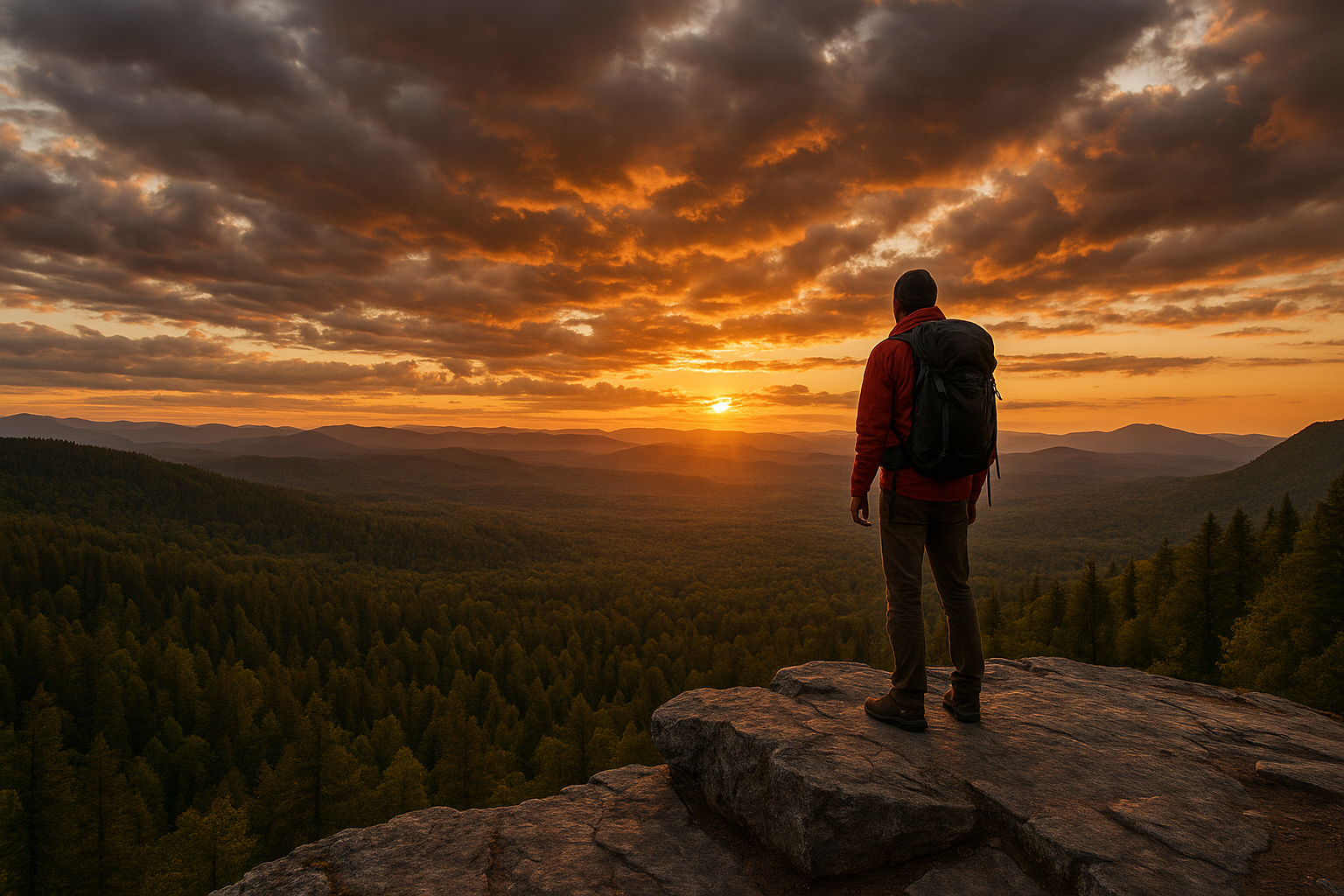
My 4-day Parc de la Jacques-Cartier traverse remains, years later, one of my most memorable adventures. These 50 kilometers taught me about myself, about my limits, and about the wild beauty of our corner of the country.
If you're still hesitating, here's what I take away from this experience:
- It's accessible: you don't need to be an Olympic athlete, just have good preparation
- It's educational: you'll learn things about yourself you didn't even suspect
- It's rejuvenating: 4 days to completely disconnect and reconnect with the essentials
- It's close: less than 45 minutes from Quebec City, it's our playground within reach
- It's affordable: for less than $250, you experience an adventure that will mark you for life
So, what's stopping you from planning your own traverse? Fall 2024 is approaching, the colors will be spectacular, and the campsites are waiting for you. Take your calendar, block off 4 days, and come discover why so many of us have fallen in love with this Quebec adventure.
Nature is waiting. Your feet are ready. All that's missing is for you to take the first step... toward the park's reservation site! 😉

About the author
François Dumaine
Founder of Let's Go Play Outside
A passionate hiker, photographer and content creator, François has been hiking the trails of Quebec and Alberta since 2014. He founded Let's Go Play Outside to give you the information he wished he had before heading out.
Newsletter
Content that makes you want to go outside
Every week, a trail idea, a reflection on nature, or a tip worth the detour. Zero spam. Only the essentials.
Joined by 12,000+ outdoor enthusiasts
Read next