A few years ago, I was standing in front of my car in the Sentier des Caps parking lot, my heart beating like I was about to take an exam. First 20km trail story sentier des caps — that was the challenge I'd set for myself after months of small 5-8 km hikes. Twenty kilometers sounded huge in my head. Today, I'm telling you about this day that changed my vision of hiking and proved to me that we're often more capable than we think.
This adventure taught me valuable lessons about preparation, effort management, and especially about that unique satisfaction you feel when you push your limits in nature. If you're also considering your first big trail challenge, this story will give you a glimpse of what awaits — both the magical moments and the little struggles that are part of the game.
Get my gifts →
🎒 Why I Chose the Sentier des Caps for My First 20 km
Choosing the trail for a first long hike is crucial. After scouring forums and consulting our own data on LGPO, the Sentier des Caps emerged as the obvious choice. This 51 km trail between Quebec City and Petite-Rivière-Saint-François offers several access points, allowing you to adjust the distance according to your ambitions.
I opted for the section between Saint-Tite-des-Caps and Saint-Ferréol-les-Neiges — exactly 20.3 km according to my calculations. The elevation profile was challenging but not discouraging: some good climbs, but nothing insurmountable for someone who had already done Mont Yamaska a few times.
What also attracted me was the diversity of landscapes. Mature forest, viewpoints over the river, small streams to cross... I knew that even if my legs started protesting around kilometer 15, my eyes would have something to distract them!
⏰ How I Prepared for This 20-Kilometer Adventure
Three weeks before the big day, I started my preparation seriously. No way was I showing up on the trail hoping it would just work out — I'd read too many stories of hikers who had underestimated the distance.
Progressive Training
My strategy was simple: gradually increase my distances. The first week, I did two 12 km outings at Parc National du Mont Saint-Bruno. The second week, one 15 km outing and another 10 km for active recovery. The third week, I did my ultimate test: 18 km on similar terrain to see how my body reacted.
| Week | Long distance | Short distance | Goal |
|---|---|---|---|
| Week -3 | 12 km | 8 km | Get legs used to it |
| Week -2 | 15 km | 10 km | Test endurance |
| Week -1 | 18 km | 6 km (recovery) | Dress rehearsal |
Tested and Approved Equipment
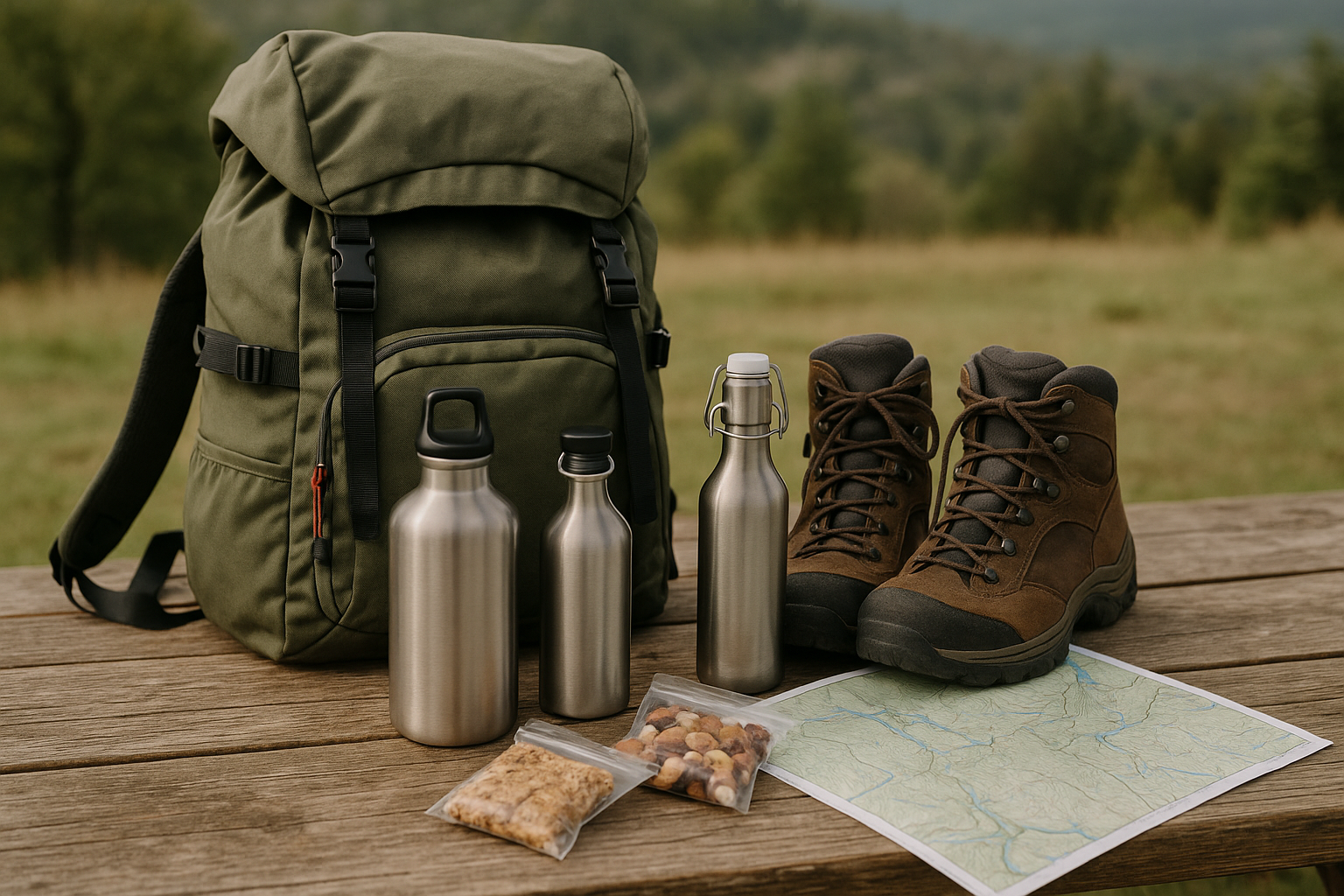
I learned the hard way that you should never try something new on the big day. My shoes were already well broken in (Salomons that had accompanied me on about fifteen outings), my backpack was perfectly adjusted, and I'd even tested my energy snacks.
🌅 The Big Day: Kilometer by Kilometer Story
5:30 a.m., the alarm goes off. Outside, it's still dark, but the forecast promises a perfect day: 18°C (64°F), partly cloudy, light wind. I had deliberately chosen to leave early to avoid the afternoon heat and to have that magical feeling of watching the day break on the trail.
Kilometers 1-5: The Euphoria of Departure
7:15 a.m., I set foot on the trail. You know that departure energy? That feeling where you think you could run to the end because you feel so good. The first kilometers unfold in a beautiful mixed forest, the trail is well marked, and I'm already crossing paths with a few early risers like me.
At that moment, I was thinking that 20 km, after all, maybe wasn't that impressive. Classic beginner's mistake — the euphoria of the beginning can play tricks!
Kilometers 5-10: Finding Your Rhythm
It was around kilometer 7 that I had my first real serious climb. Nothing insurmountable, but enough to remind me that I still had 13 km ahead of me. That's when I slowed down and found what would become my cruising speed.
"Long-distance hiking is 20% physical and 80% mental. Your body can take more than your head wants to believe."
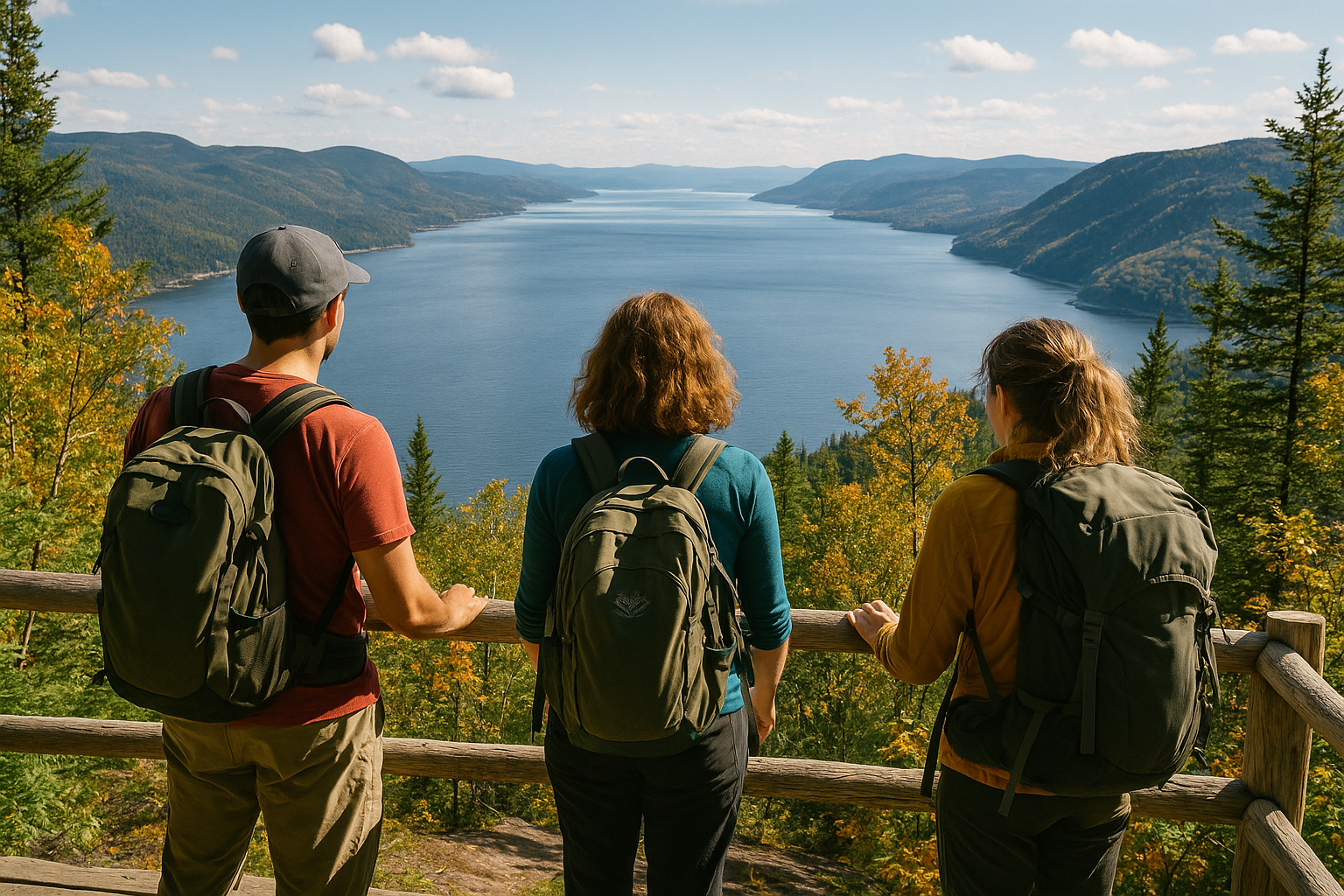
Around kilometer 9, first spectacular viewpoint over the river. I took my first real 10-minute break — not so much because I was tired, but because the landscape deserved it. And also because I was starting to realize that managing breaks was going to be crucial for what lay ahead.
Kilometers 10-15: The Test of Truth
If someone asks me when a hike really becomes "long," I always answer: after kilometer 10. That's when your body starts letting you know it's working seriously.
My legs started making themselves felt around kilometer 12. Not pain, but that feeling of "heaviness" we know well. I adjusted my strategy: 5-minute breaks every 2 km instead of waiting until I really needed them.
It was also in this section that I met a couple of experienced hikers who were doing the complete traverse over several days. We chatted for a few minutes, and their enthusiasm gave me a moral boost. The hiking community really is something special!
Kilometers 15-20: The Finish Line in Sight
The last five kilometers were a mix of physical fatigue and mental excitement. My legs were protesting, but my head was already celebrating. I knew I was going to make it, and that certainty changed everything.
The last kilometer seemed both endless and too short. Endless because I couldn't wait to put down my pack, too short because I realized this adventure was coming to an end. When I spotted the Saint-Ferréol-les-Neiges parking lot, I felt a little pang in my heart.
🏆 Lessons Learned from This First 20 Kilometers
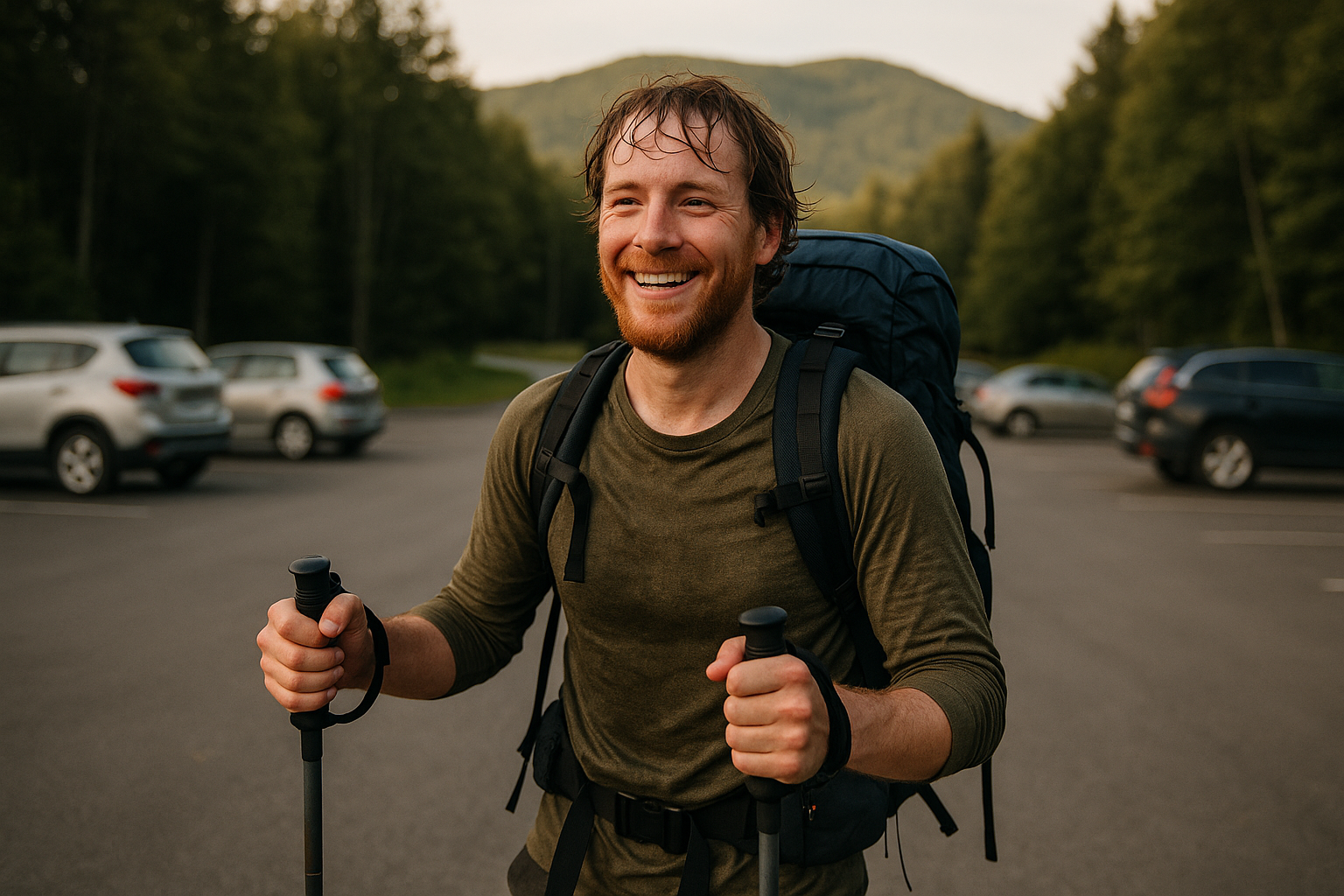
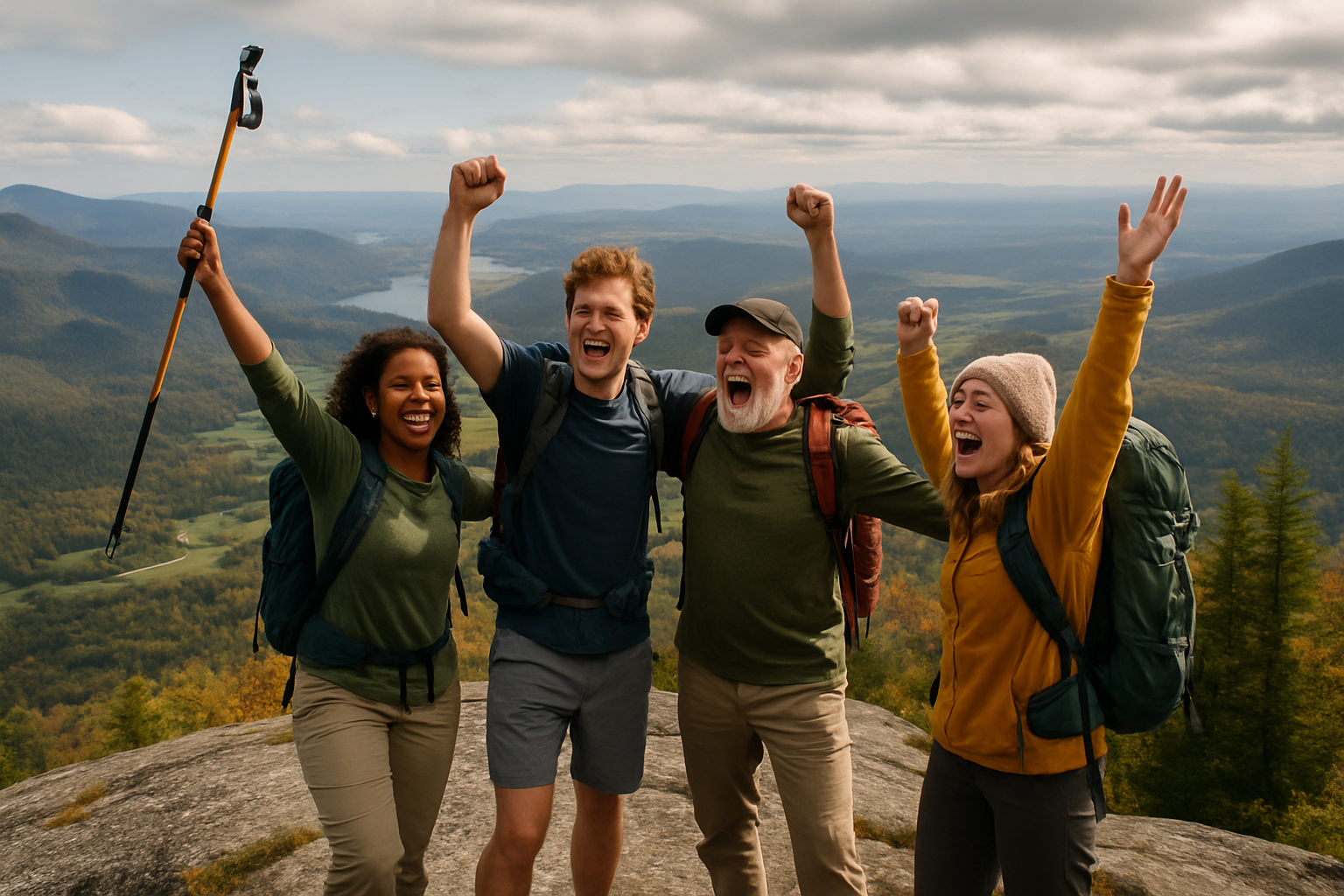
Six and a half hours later (breaks included), I was back at my car with a feeling I'll never forget. Not just the fatigue — that passes. But that deep pride of having pushed my limits and discovered that I was capable of more than I thought.
Effort Management: My Greatest Discovery
Before this hike, I thought you had to maintain the same pace from start to finish. Big mistake! I learned that varying your pace according to the terrain and your sensations is key. Slow down on climbs, speed up slightly on easy descents, stop before you're exhausted rather than after.
The Importance of Nutrition Along the Way
I had brought energy bars, nuts and dried fruit. But what I discovered was the importance of eating regularly even when you're not hungry. Around kilometer 14, I hit a little wall, and an energy bar literally gave me wings.
The Mind, That Muscle We Forget to Train
Physically, I was ready. Mentally... let's say I discovered resources I didn't know I had! Around kilometer 16, when my legs were crying a bit, my head took over. Setting micro-goals ("I'll go to the next tree," "500 more meters to the lookout") changes everything.
🤔 Would I Do This Adventure Again?
Without hesitation! This first 20 km experience opened the doors to a new level of hiking for me. Since then, I've explored trails like the Hautes-Gorges de la Rivière Malbaie and Mont du Lac des Cygnes, adventures I would never have dared to consider before.
But above all, this day taught me that setting challenges in nature is one of the best ways to discover what you're really capable of. Not just physically — mentally too.
If you're still hesitating to attempt your first 20 km, I can only encourage you to go for it. Choose a trail that inspires you, prepare seriously, and above all: trust yourself. You'll probably surprise yourself!
For those who want to prepare properly, I highly recommend checking out our ultimate guide to starting hiking in Quebec and reviewing the 10 classic beginner mistakes. Trust me, I made a few that day!
🎯 My Tips for Your First Big Challenge
After this experience and hundreds of other kilometers on trails since, here's what I recommend to anyone who wants to attempt their first 20 km:
- Start with 15 km — If you've never gone beyond 10 km, don't jump straight to 20. Do a 15 km first to see how your body reacts.
- Choose a trail with escape routes — Opt for a route where you can cut short if necessary, like several sections of the Sentier des Caps or national parks.
- Go with someone for your first time — Having someone to share the effort and motivation with changes everything. And it's safer too.
- Allow more time than necessary — Better to arrive earlier than expected than to put pressure on yourself along the way.
- Listen to your body — There's a difference between the normal discomfort of sustained effort and an alarm signal. Learn to distinguish them.
And above all, remember that every hiker started with a first step. Your first 20 km may not be perfect, but it will be yours. And no one can ever take that away from you.
So, when are you setting your challenge? Quebec's trails are waiting for you, and I guarantee they have extraordinary lessons to teach you. You just have to dare to take that first step... and keep walking for another 19.9 km!

About the author
François Dumaine
Founder of Let's Go Play Outside
A passionate hiker, photographer and content creator, François has been hiking the trails of Quebec and Alberta since 2014. He founded Let's Go Play Outside to give you the information he wished he had before heading out.
Newsletter
Content that makes you want to go outside
Every week, a trail idea, a reflection on nature, or a tip worth the detour. Zero spam. Only the essentials.
Joined by 12,000+ outdoor enthusiasts
Read next