Why Start Hiking in Quebec?
You know what? I started hiking over 15 years ago on a beautiful autumn Saturday morning, without really knowing what I was getting into. With my old sneakers on my feet and a water bottle in my hands, I thought that starting to hike was as simple as walking down the street. Well, I quickly became disillusioned! But that first outing also opened my eyes to the incredible richness of Quebec's outdoors. If you're reading these lines, it's because you too feel this call of nature. Maybe you want to disconnect from daily life, find some peace, or simply discover what Quebec has most beautiful to offer. In this guide, I'm going to share with you everything I wish I had known before my first hike: how to choose your equipment, plan your outing, avoid beginner mistakes, and above all, how to fall in love with this passion that will transform your weekends.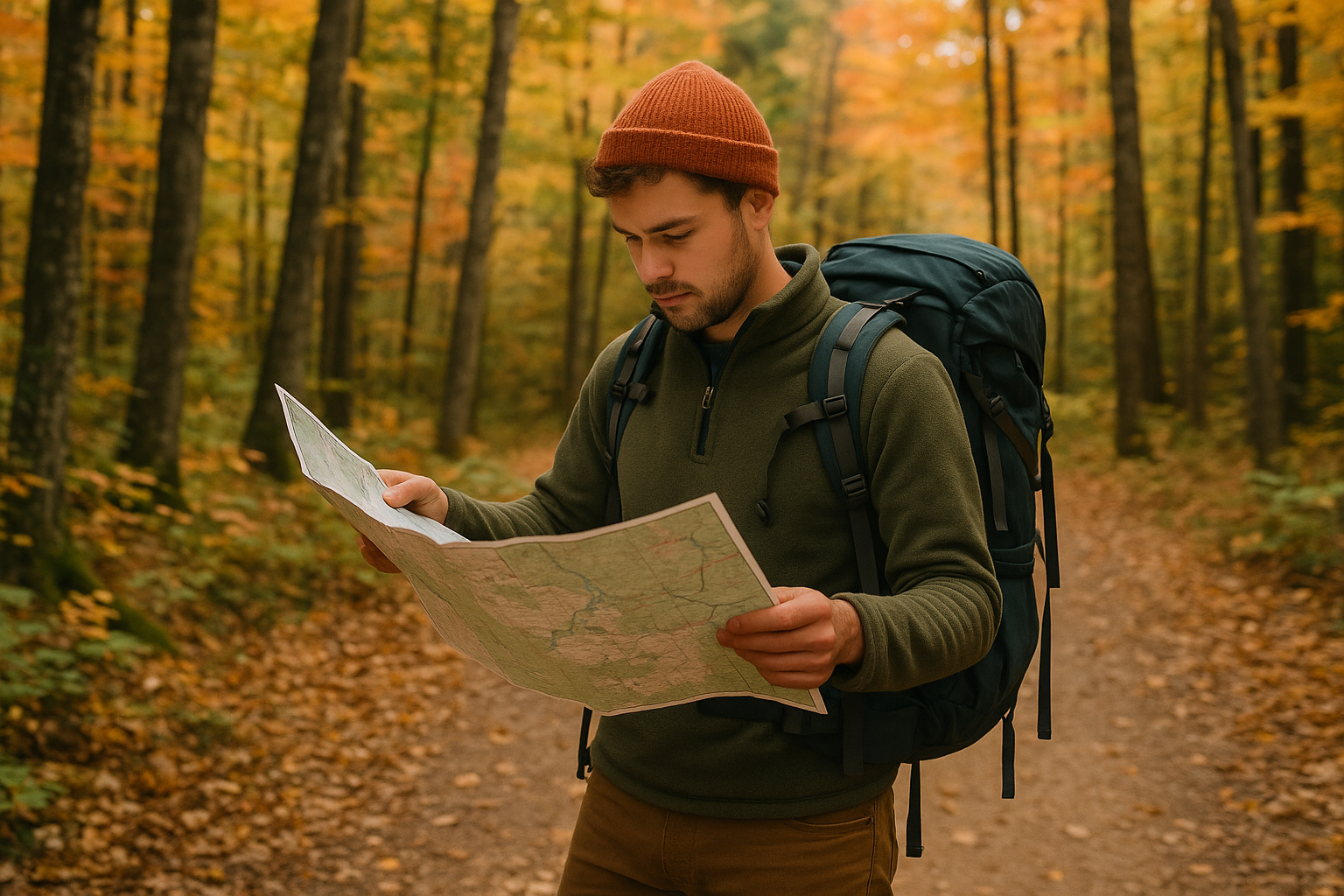
📥 Download our free gifts — Preparation checklists, maps of the most beautiful trails and equipment guide to start hiking safely.
Get my gifts →
Get my gifts →
What Equipment to Start Hiking Without Breaking the Bank?
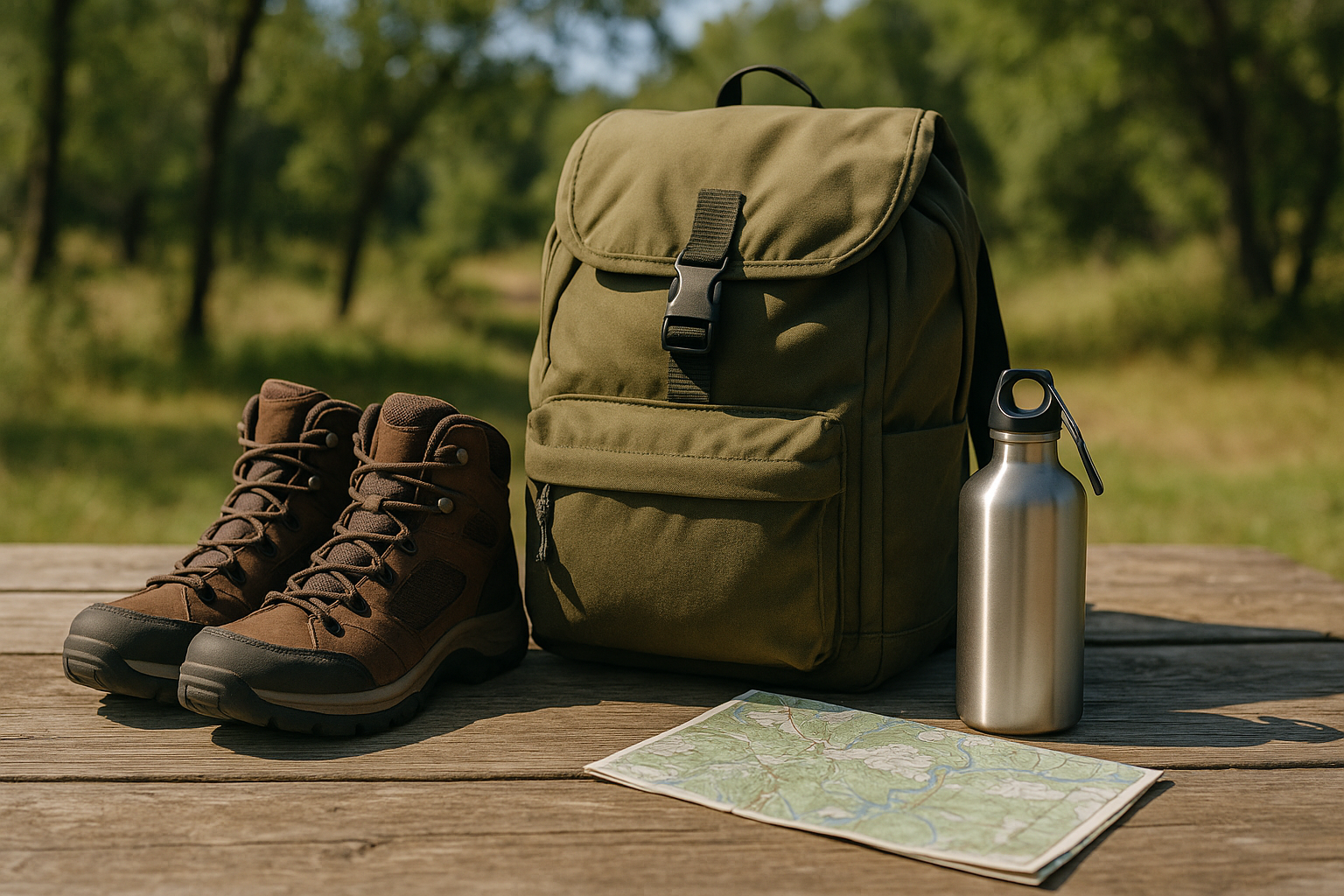
Let me tell you something: you don't need to empty your bank account to start hiking. I've seen too many people give up before even trying because they thought they needed the equipment of a professional mountaineer. For your first outings, here's what you really need:The Absolute Essentials
- Shoes with good grip – Even your old running shoes can do the trick at first, as long as they're not slippery
- A backpack – Any will do, even your old school bag
- Water – 500 ml minimum, 1 liter if you're going out for more than 2 hours
- A snack – Energy bars, fruits, nuts
- A map or your phone – Apps like AllTrails or iPhiGéNie
💡 Pro tip — For your first three outings, borrow equipment from friends or rent it. It will give you an idea of what you like before investing.
Investments Worth Making
Once you've caught the bug (and trust me, it will happen), here's what to invest in first:| Equipment | Beginner Budget | Why It's Important |
|---|---|---|
| Hiking shoes | $100-200 | Comfort and safety on all terrains |
| 20-30L backpack | $50-100 | Weight distribution, hydration |
| Technical clothing | $80-150 | Moisture and temperature management |
| Hiking poles | $40-80 | Stability and knee protection |
How to Choose Your First Hike in Quebec?
This is THE question everyone asks me: "François, where do I start?" And my answer is always the same: start small, dream big.Criteria for a Successful First Outing
Your first hike should check these boxes:- Distance: 2 to 5 km maximum – You'll be surprised to see how different it can be from walking in the city
- Elevation gain: less than 200 meters – Save the mountains for later
- Well-marked trail – No time to get lost on your first outing
- Close to home – Maximum 1 hour drive
- Popular – You won't be alone if you have a problem
My Suggestions for Starting Near Major Centers
Montreal Region:
📌 Good to know — I've compiled a list of the 15 best easy trails near Montreal specifically designed for beginners.
Planning According to Seasons
In Quebec, each season has its particularities: Spring (April-May): Watch out for mud and swollen waterways. Check out my guide to prepare your first spring hike. Summer (June-August): Perfect for starting, but think about mosquitoes and hydration. Fall (September-October): The magical season! Beautiful colors and ideal temperature. Winter (November-March): Save that for later, it requires specialized equipment and experience.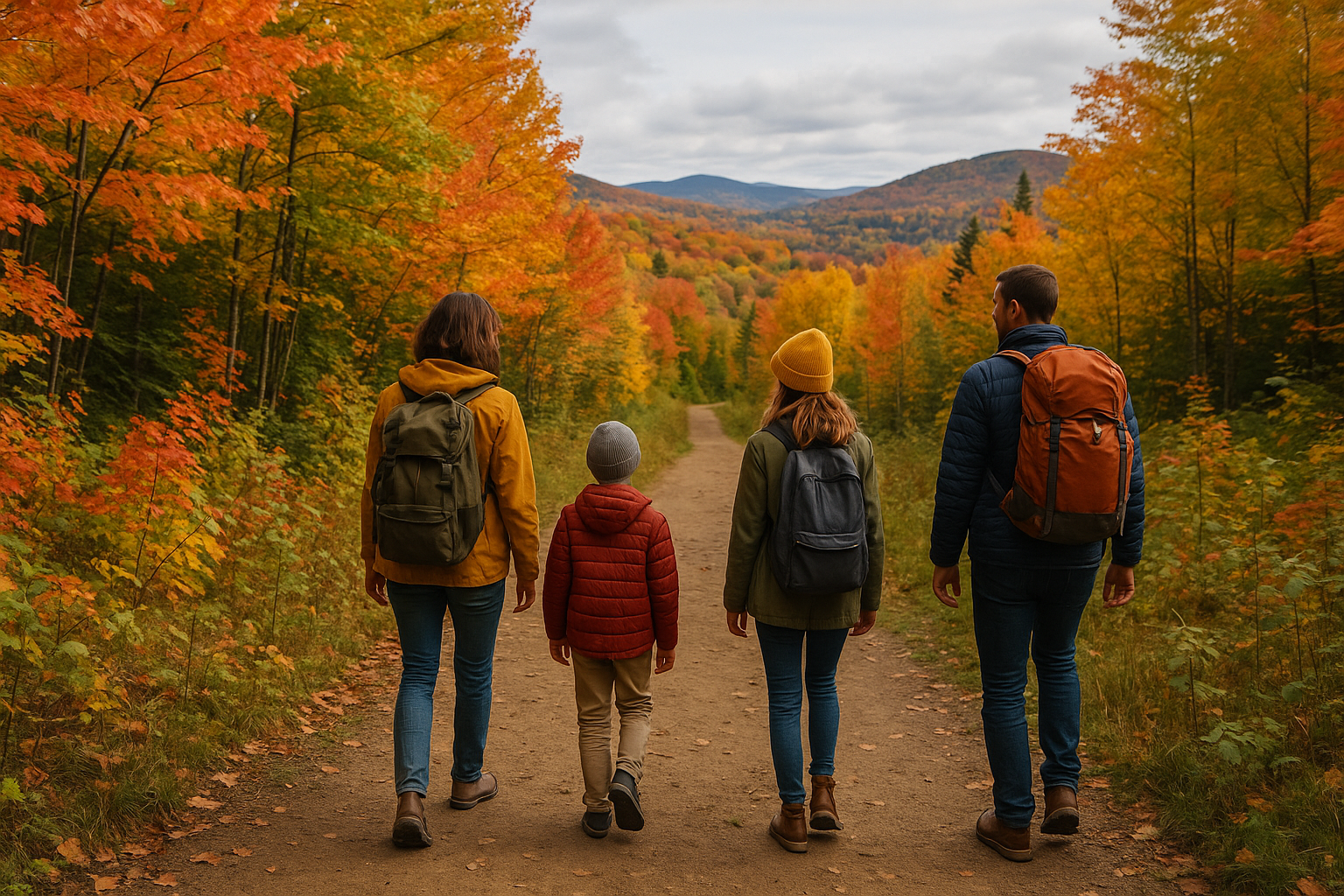
The 5 Beginner Mistakes to Absolutely Avoid
I've made ALL these mistakes. Literally all of them. And I've seen thousands of hikers repeat the same blunders. Learn from my mistakes, it will save you a lot of trouble!Mistake #1: Thinking Too Big, Too Fast
What you do: You choose Mount Washington for your first outing because "it looks cool on Instagram." Why it's a mistake: You'll suffer, potentially get injured, and above all lose your taste for hiking. The solution: Start with 2-3 km trails with little elevation gain. Increase gradually.Mistake #2: Leaving Without Checking the Weather
What you do: "It's nice when leaving, it'll be fine." Why it's dangerous: In the mountains, weather can change in 30 minutes. I've experienced a violent storm that wasn't predicted. The solution: Check Environment Canada and postpone if it's doubtful.
⚠️ Warning — If you see dark clouds approaching, turn back immediately. Better to be disappointed than soaked... or worse.
Mistake #3: Neglecting Hydration and Food
What you do: "It's just 2 hours, I don't need anything." The result: Headaches, extreme fatigue, cramps. The golden rule: 500 ml of water per hour of effort + a snack every hour.Mistake #4: Wearing New Equipment
What you do: You put on your new hiking boots for the first time on the trail. The result: Blisters that will ruin your outing and the following ones. My advice: Test all your equipment at home or during short urban walks.Mistake #5: Going Alone Without Telling Anyone
Why it's risky: If you get injured or lost, no one will know where to look for you. The solution: Always inform someone of your itinerary and expected return time. I've detailed these mistakes and several others in my article on the 10 beginner mistakes in hiking.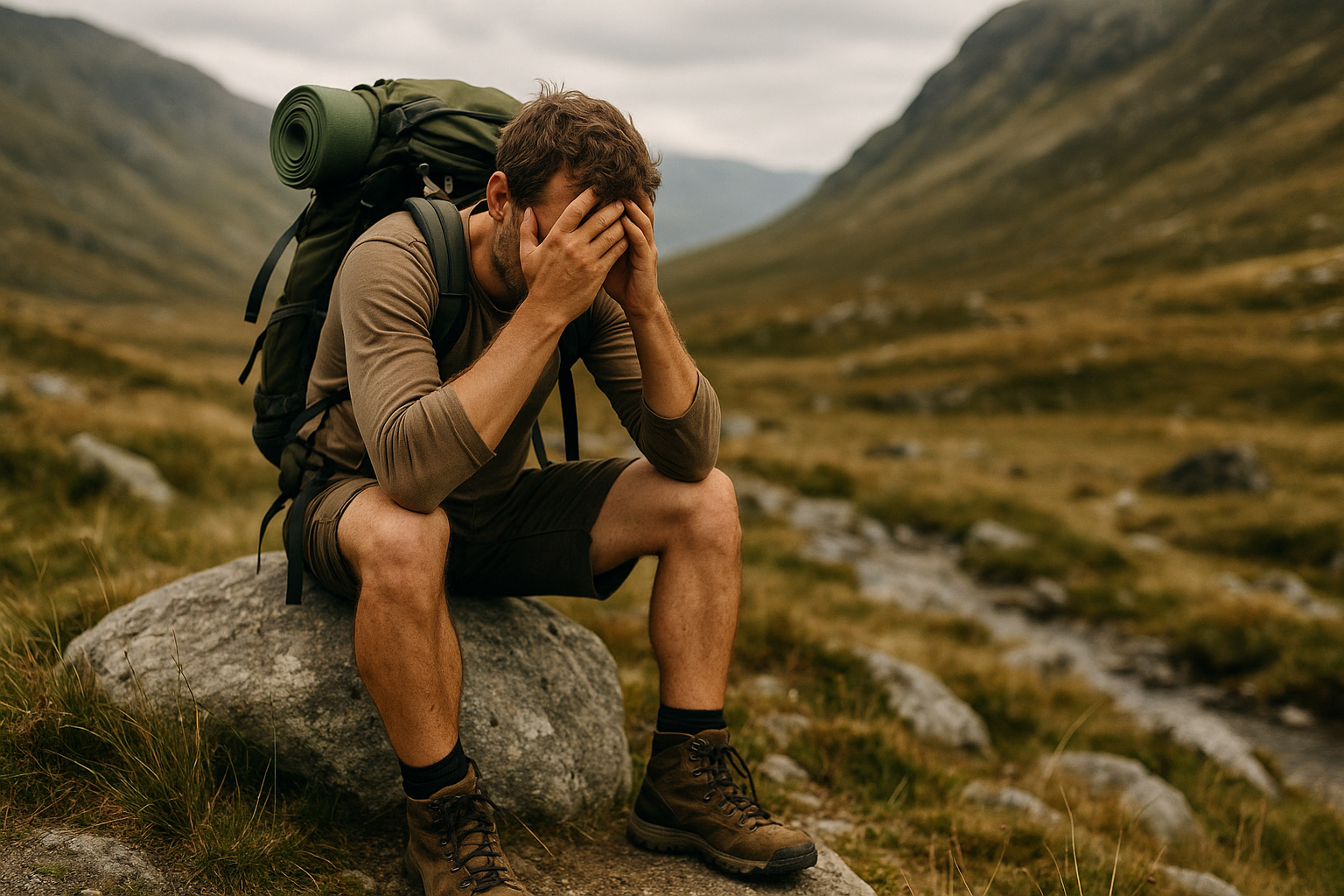
How to Prepare Your First Outing Like a Pro?
Now that we've covered the mistakes to avoid, let's talk about how to do things right. Good preparation is 50% of your hike's success.The Week Before: Research and Planning
Choose your trail: Use reliable resources like LGPO, AllTrails, or national park websites. Study the route: Look at photos, read recent comments, note points of interest. Check conditions: Some trails close according to seasons or for maintenance.
💡 Pro tip — Download the offline map on your phone. Even if you have signal at the start, you can lose it in the forest.
The Day Before: Physical and Material Preparation
Last-minute checklist:- Updated weather (and plan B if it gets bad)
- Equipment tested and ready
- Alarm set to leave early
- Someone informed of your plans
- Phone charged to 100%
The Big Day: Good Habits
Early departure: Leave early to avoid crowds and have more room for maneuver. Light warm-up: 5 minutes of stretching before starting. Progressive pace: Start slowly, you'll naturally accelerate. For even more thorough preparation, check out my guide on essential questions to ask yourself before leaving.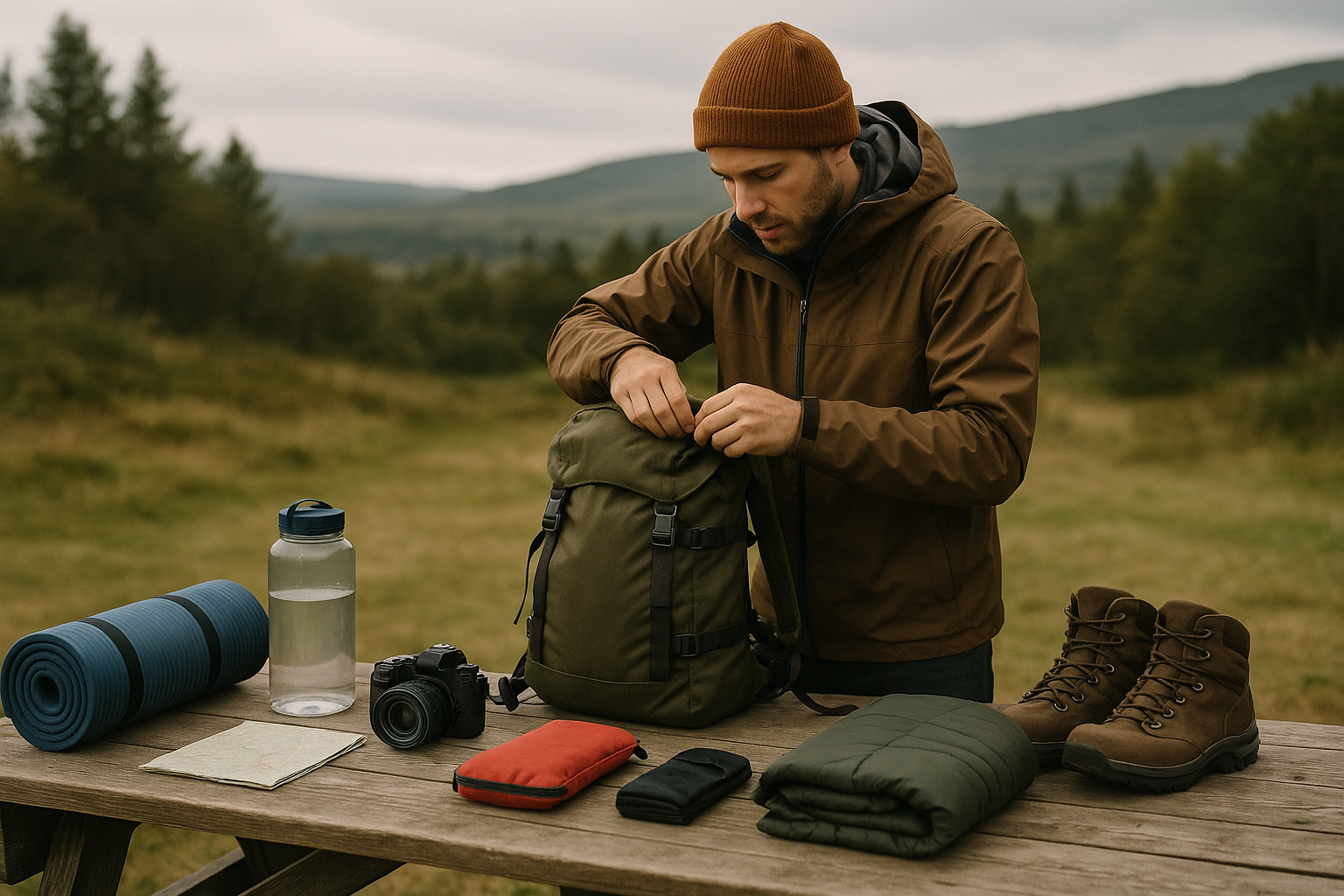
How Fast to Progress and When to Take on the Challenge?
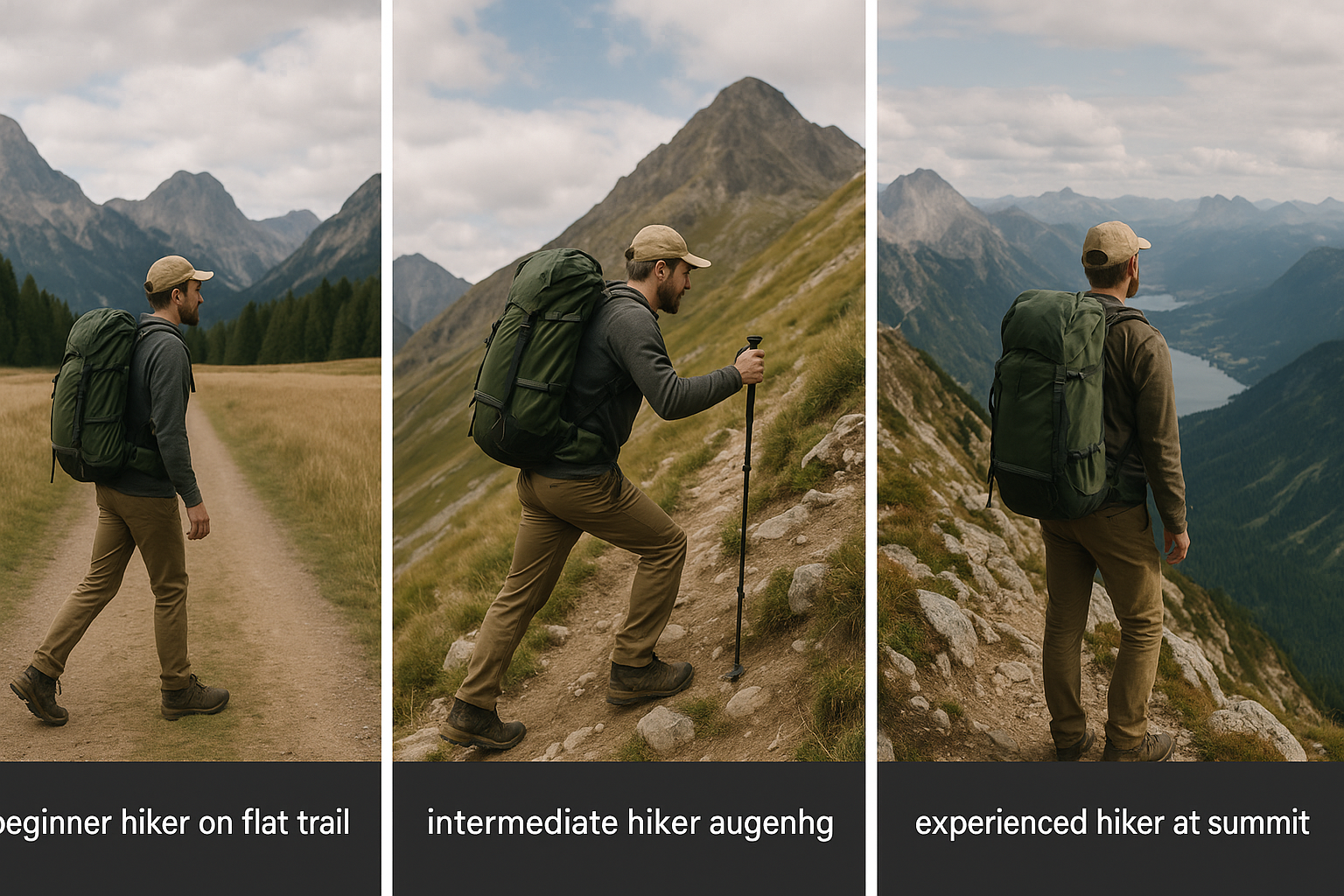
One of the questions I'm asked most: "When can I try more difficult trails?" My answer: when you start getting bored on your current trails.Natural Progression Over 6 Months
Months 1-2: Building ConfidenceSigns You're Ready for the Next Level
- You finish your current hikes without being exhausted
- You want to explore further
- Your equipment is broken in and you master it
- You can walk 2 hours without a mandatory break
- You start recognizing signs of nature (weather, wildlife, etc.)
📌 Good to know — There's no shame in repeating the same trail several times. Each season offers a different experience, and you'll discover details you had missed.
Realistic Goals for Your First Year
After a year of regular hiking, you should be able to:| Ability | Distance | Elevation Gain | Duration |
|---|---|---|---|
| Easy hike | 5-8 km | 200-300m | 2-3 hours |
| Moderate hike | 8-12 km | 400-600m | 4-5 hours |
| First challenge | 12-15 km | 600-800m | 5-7 hours |
"The mountain is not measured in meters of altitude, but in moments of happiness it offers us."
Solo or Group: Which Approach to Start With?
Here's a dilemma many beginners face: go alone to go at your own pace, or join a group to learn?Starting in a Group: The Advantages
Safety: You learn good practices with experienced people. Motivation: Harder to give up when others are counting on you. Accelerated learning: You absorb years of experience in a few outings. Social aspect: You meet people who share your passion. Where to find groups:- Local hiking clubs
- Facebook groups in your region
- Outdoor stores (several organize outings)
- Apps like Meetup
Starting Solo: Why It Can Be Great
Total freedom: You go at your pace, you stop when you want. Connection with nature: Easier to really listen to the forest when you're alone. Self-confidence: Nothing beats the pride of having succeeded your first solo hike.
⚠️ Warning — If you choose to go alone, stay on popular and well-marked trails. And ALWAYS inform someone of your plans.
My Personal Advice
After seeing thousands of people start, here's what I recommend: Your first 3 outings: In a group or with an experienced friend. You learn the basics without stress. Outings 4-10: Mix group and solo according to your mood. Experiment. After: You'll naturally know what you prefer depending on the type of outing.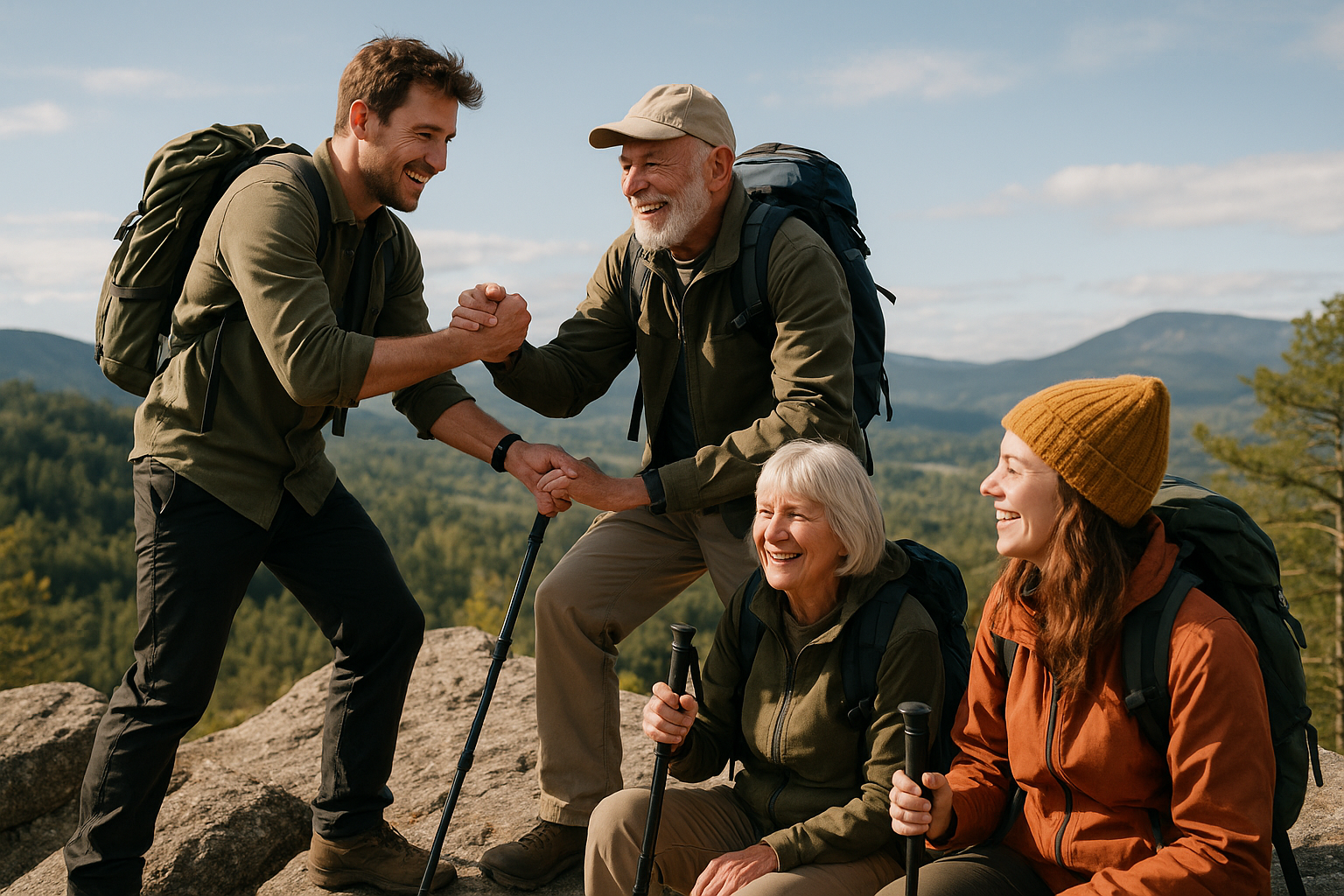
Transforming Your First Hike into a Lasting Passion
You know what makes the difference between someone who tries hiking once and someone who makes it a passion? Mindset.Cultivating the Right Mindset
Let go of performance: Your first hike is not a race. Enjoy the journey as much as the destination. Embrace the unexpected: That forced detour because of a fallen tree? That sudden shower? It's part of the adventure. Document your progress: Take photos, keep a small journal. You'll be surprised to see your evolution. Stay humble: The mountain will always be there tomorrow. No need to conquer everything in one season.Creating Positive Rituals
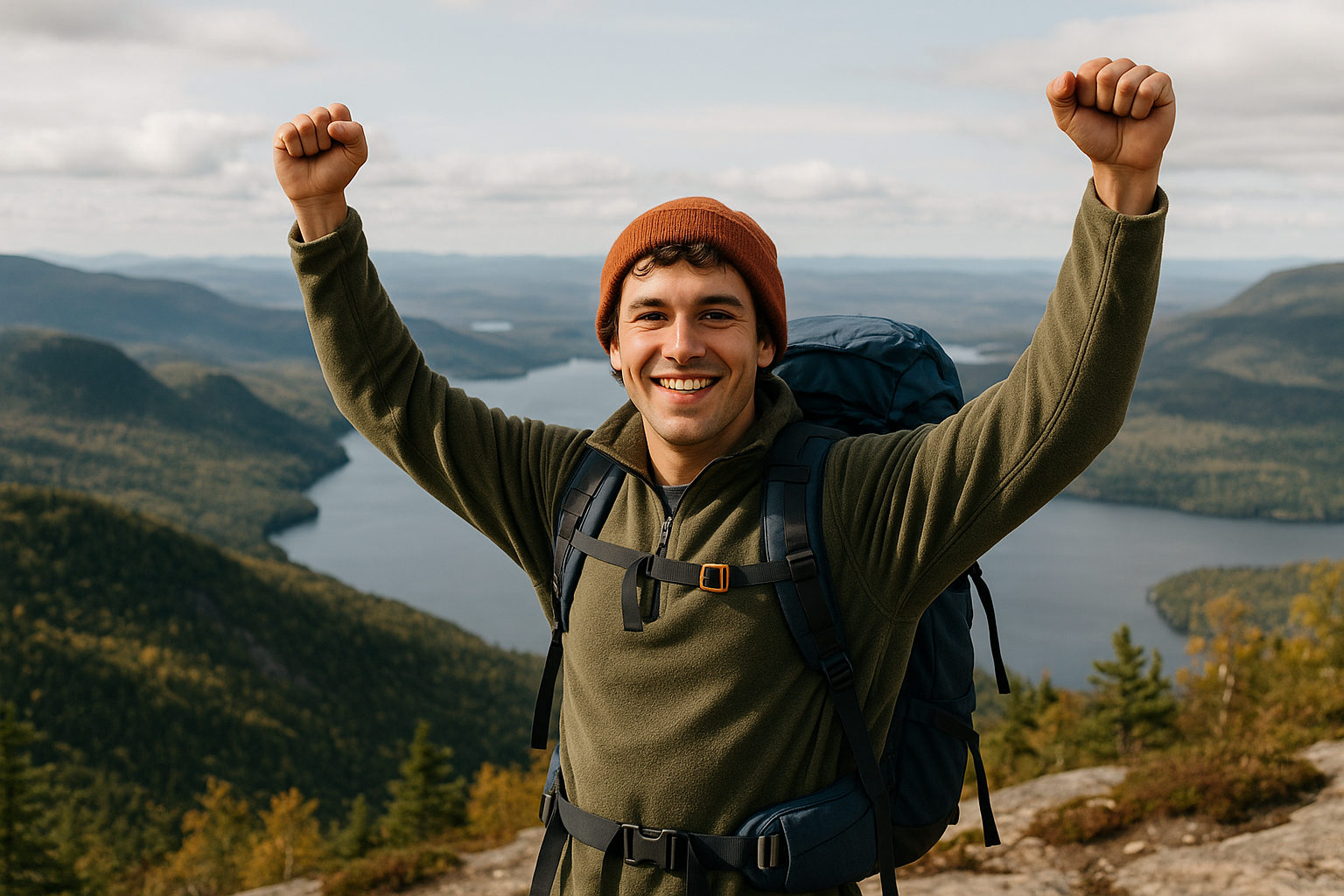
Pre-hike ritual: A good breakfast, your favorite playlist on the way, a moment to visualize your day. Post-hike ritual: A good meal, sharing your photos, planning the next outing. Celebrating small victories: First 5 km, first 200m elevation gain, first time you identify a bird.Summary: Your Next Steps to Start Hiking
Well, we've covered quite a bit of ground together! Here's the essential to remember for starting hiking in Quebec:- Start small: 2-5 km, minimal elevation gain, popular trail near you
- Equip yourself intelligently: Essentials first, gradually invest in quality material
- Prepare well: Weather, route, tested equipment, someone informed of your plans
- Avoid classic traps: Thinking too big, neglecting hydration, leaving poorly equipped
- Progress gradually: Increase distance and difficulty when you feel ready

About the author
François Dumaine
Founder of Let's Go Play Outside
A passionate hiker, photographer and content creator, François has been hiking the trails of Quebec and Alberta since 2014. He founded Let's Go Play Outside to give you the information he wished he had before heading out.
Newsletter
Content that makes you want to go outside
Every week, a trail idea, a reflection on nature, or a tip worth the detour. Zero spam. Only the essentials.
Joined by 12,000+ outdoor enthusiasts
Read next
Continue the journey