

Ready to explore Big Bar Lake? Here's everything you need to know before you go!
Discover the trail
Trail description
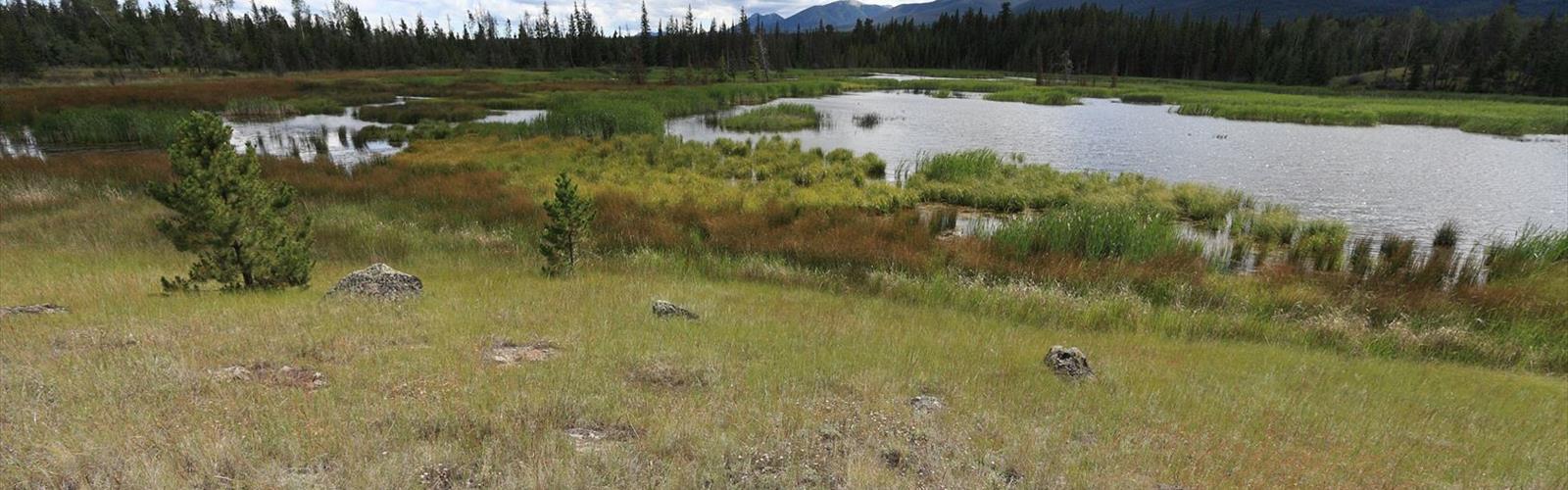
Big Bar Lake sits in British Columbia's Cariboo region, offering hikers a peaceful escape into pristine wilderness. This 1,500-hectare provincial park combines calm lake waters with dense forests and rolling hills, creating diverse terrain that appeals to outdoor enthusiasts of all experience levels.
The park's location makes it accessible from major population centers while maintaining its wild character. Dense coniferous forests dominate the landscape, punctuated by open meadows and rocky outcrops that provide natural viewpoints. The lake itself stretches across the valley floor, its clear waters reflecting the surrounding mountains and creating a mirror-like surface on calm days.
Trail Options and Terrain
Big Bar Lake's trail system accommodates different hiking preferences through well-marked and maintained paths. The terrain varies significantly across the park, from gentle lakeside walks to more demanding climbs through thick woodland.
The Lakeside Loop Trail follows the shoreline, providing consistent views of the water and surrounding peaks. This route takes you through mixed forest where towering evergreens create natural shade, while occasional clearings open up to reveal the full scope of the lake. The path stays relatively flat, making it suitable for hikers who prefer steady, easy walking over technical challenges.
For those seeking elevation and broader perspectives, the Ridge Trail climbs through denser forest sections before emerging onto higher ground. This route demands more effort as it winds upward through switchbacks and steeper sections. The payoff comes in the form of panoramic vistas that stretch across the Cariboo landscape, revealing the interconnected network of lakes, forests, and distant mountain ranges that define this region.
The forest composition changes as you gain elevation, with different tree species dominating at various heights. Lower elevations feature mixed stands of Douglas fir and lodgepole pine, while higher sections transition to subalpine species adapted to cooler temperatures and shorter growing seasons.
Wildlife and Natural Features
The park's diverse habitats support a healthy population of wildlife that hikers frequently encounter. Deer move through the forest understory, often visible in early morning or late afternoon hours when they venture closer to the lake to drink. Eagles soar overhead, taking advantage of thermal currents that rise from the water and surrounding terrain.
Moose occasionally appear in the area, particularly in marshy sections near the lake's edges where they feed on aquatic vegetation. These impressive animals prefer quieter times of day, so hikers exploring during dawn or dusk hours have the best chances of spotting them.
The lake ecosystem supports both rainbow trout and kokanee salmon, creating opportunities for anglers who want to combine fishing with their hiking experience. The presence of these fish species indicates the high water quality and healthy aquatic environment that characterizes Big Bar Lake.
Smaller wildlife adds constant activity to the hiking experience. Squirrels and chipmunks dart through the forest floor, while various bird species provide a soundtrack of calls and songs throughout the day. The diversity of habitats within the park boundaries supports this rich wildlife community.
Water Activities and Lake Access
The lake's calm waters make it ideal for paddling activities. Canoeists and kayakers can explore quiet bays and inlets that aren't visible from the hiking trails, discovering hidden corners of the park from a water-level perspective. The lake's size provides enough space for extended paddling sessions while maintaining the intimate feel of a mountain lake.
Multiple access points along the shoreline allow hikers to reach the water easily, whether for a quick rest stop or to launch watercraft. The clear water reveals the lake bottom in shallow areas, and the temperature remains refreshing throughout the hiking season.
Camping and Extended Stays
The park's camping facilities enable visitors to extend their Big Bar Lake experience beyond day hiking. Established campsites provide the infrastructure needed for comfortable overnight stays while maintaining the natural setting that draws people to the area.
Camping here means waking up to the sounds of the forest and lake environment. Morning mist often rises from the water surface, creating atmospheric conditions that change throughout the early hours. The absence of urban noise allows the natural soundscape to dominate, from bird calls to the gentle lapping of water against the shoreline.
Evening hours bring different wildlife activity as nocturnal animals begin their routines. The clear skies common in this region provide excellent stargazing opportunities, with minimal light pollution to interfere with celestial viewing.
Access and Planning
Big Bar Lake's location makes it reachable by car from Vancouver and Kamloops, positioning it well for weekend trips or longer wilderness retreats. The drive itself passes through varied British Columbia landscapes, building anticipation for the hiking experience ahead.
The park's trail system and facilities are designed to handle visitors safely while preserving the natural environment. Well-maintained paths reduce the risk of getting lost while allowing hikers to focus on enjoying the surroundings rather than navigation challenges.
Proper hiking boots provide the traction and support needed for the varied terrain, from smooth lakeside paths to rockier sections on the ridge routes. A camera captures the scenic opportunities that present themselves throughout the trail system, from intimate forest details to sweeping landscape views.
The combination of accessibility and wilderness character makes Big Bar Lake a valuable destination in British Columbia's outdoor recreation landscape, offering genuine natural experiences without requiring extreme technical skills or remote backcountry travel.
The Essential Hiking Checklist
Everything you need for your next hike. Bilingual, printable, 1 page.
Get your free hiking checklistRecommended gear for this trail
As an Amazon Associate I earn from qualifying purchases.


Ready to go?
Everything you need to know before you goStarting Point
The start of the trails at the big bar lake can be accessed by travelling east on Highway 1 to the exit for Little Fort. From there, travel north on Highway 5 to the junction with Highway 20. Turn east onto Highway 20 and drive to the end of the road at big bar lake.
When?
How much?
As an Amazon Associate I earn from qualifying purchases.
Affiliate links — LGPO may earn a commission at no extra cost to you.
- Hiking shoes Essential
- → Salomon Elixir Tour Mid WP · 203.38 $
- Layered clothing Essential
- Rain jacket Essential
- Trekking poles
- → Black Diamond Trail Ergo Cork · 69.99 $
- Headlamp
- → Petzl Actik Core 625 · 103.95 $
FAQ - Frequently asked questions
Everything you need to knowSimilar hikes nearby
Discover other trails you might enjoy
Emma Lake
Cariboo Chilcotin Coast
Horn Lake
Cariboo Chilcotin Coast
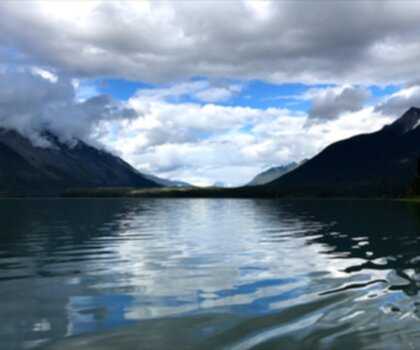
Bowron Lake
Cariboo Chilcotin Coast
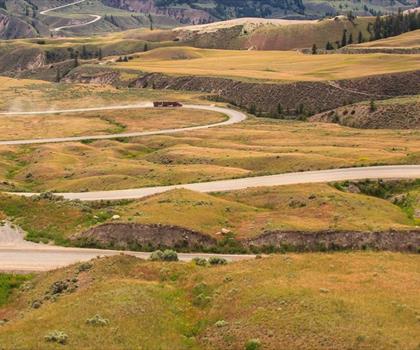
Farwell Canyon Rd
Cariboo Chilcotin Coast
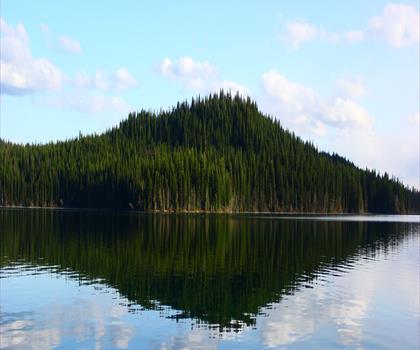
Deka Lake
Cariboo Chilcotin Coast
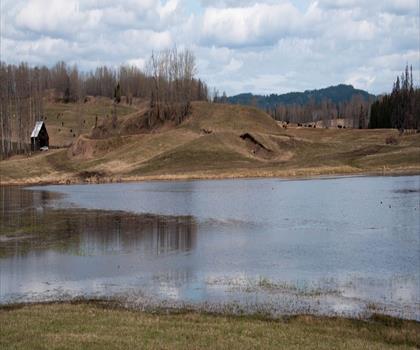
Bridge Lake
Cariboo Chilcotin Coast
Hiking near Whistler
160 trails to explore ~156 km away
We work hard to provide the most up-to-date and error-free data possible. If something seems incorrect, let us know! Your contribution helps the whole community.
Hikers' opinions
Be the first to review!
No hiker has shared their experience yet. Share your impressions and help other hikers!