
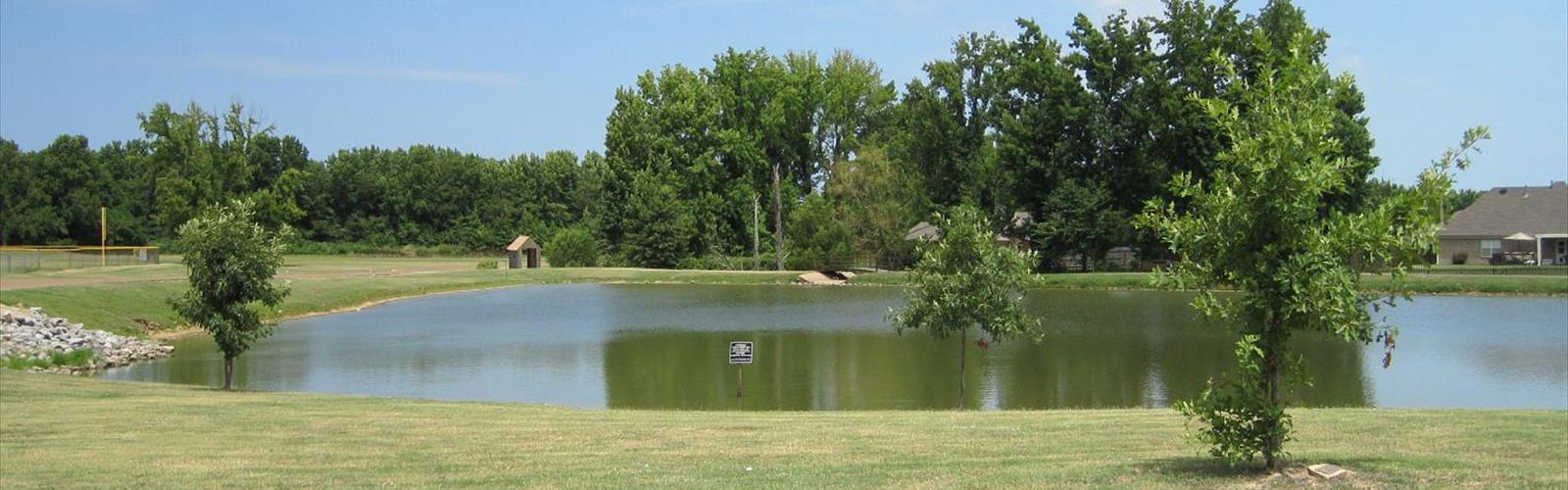

Ready to explore Horn Lake? Here's everything you need to know before you go!
Discover the trail
Photos: Thomas R Machnitzki (thomasmachnitzki.com) — CC BY 3.0 (Wikimedia Commons)
Trail description
Horn Lake sits quietly in British Columbia's Cariboo Chilcotin Coast region, offering a refreshing alternative to the province's busier outdoor destinations. This alpine lake combines accessible recreation with genuine wilderness character, making it equally appealing whether you're planning a day trip from nearby communities or a multi-day backcountry experience.
The lake itself anchors a diverse recreational area where dense coastal forests meet open alpine terrain. Crystal-clear waters reflect the surrounding peaks, creating the kind of scenery that stops you mid-stride on the trail. Unlike some of BC's more developed lake destinations, Horn Lake maintains a wild feel while still providing the infrastructure needed for a comfortable visit.
The Main Trail Experience
The primary hiking route to Horn Lake covers 6.4 kilometers with a gentle 183-meter elevation gain, making it an easy trek that most hikers can complete in about two hours. This accessibility doesn't diminish the trail's appeal—the route winds through old-growth forest sections where massive cedars and firs create a cathedral-like canopy overhead. These forested stretches provide welcome shade during summer months and shelter from wind year-round.
The trail's easy rating comes from its well-maintained surface and gradual grade rather than lack of scenery. As you progress toward the lake, the forest gradually opens to reveal glimpses of the surrounding Cariboo Chilcotin landscape. The transition from dense woodland to more open areas happens naturally, giving hikers time to appreciate the changing terrain without feeling rushed or challenged by steep climbs.
What sets this trail apart from other easy hikes in the region is its genuine wilderness feel despite the manageable difficulty. You're not walking on boardwalks or paved paths—this is real backcountry terrain that happens to be accessible to a wide range of fitness levels. The trail surface varies from soft forest floor to rocky sections, keeping the experience interesting without creating obstacles.
Wildlife and Natural Features
Wildlife sightings are common throughout the trail system and around the lake itself. Black bears frequent berry patches in late summer, while deer and elk often graze in meadow areas during early morning and evening hours. The diverse habitat supports an impressive variety of species, making every hike a potential wildlife viewing opportunity.
Bird watchers will spot everything from common loons on the lake surface to golden eagles soaring above ridgelines. The mix of forest, water, and open areas creates ideal conditions for different species, so bringing binoculars adds another dimension to your visit. The sounds change as you move through different zones—from the quiet rustle of forest undergrowth to the gentle lapping of water against the shoreline.
Wildflower displays peak in mid-summer, transforming meadow sections into natural gardens of Indian paintbrush, lupine, and mountain aster. These seasonal shows provide excellent photography opportunities and add bursts of color to the predominantly green and blue landscape of forest and water.
Water Activities and Lake Access
Horn Lake's pristine waters provide excellent opportunities for paddling sports. The lake's protected position means calm conditions are common, especially during morning hours. Kayakers and canoeists can explore quiet bays and inlets that remain hidden from shore-based visitors. The water stays refreshingly cool even during peak summer, making it perfect for a quick swim after completing the hike.
Several launch points around the lake provide easy water access. The main access area offers the most convenient entry, while more adventurous paddlers can carry lightweight craft to secluded launch spots reached by trail. The lake's size makes it ideal for half-day paddling trips, though experienced kayakers often combine water and land exploration for full-day adventures.
Fishing opportunities abound in Horn Lake's clear waters. Local fish species thrive in the lake's clean, cold environment, providing consistent action for anglers using both traditional and fly fishing techniques. The lake's varied depth and structure create diverse fishing conditions, from shallow bay areas perfect for beginners to deeper sections that challenge more experienced anglers.
Camping and Extended Stays
Horn Lake's camping facilities strike an excellent balance between comfort and wilderness experience. Well-maintained campsites provide essential amenities without overwhelming the natural setting. Sites are thoughtfully positioned to maximize privacy while maintaining easy access to both lake and trail systems.
The campground's design takes advantage of natural terrain features, with sites tucked among trees and positioned to capture lake views where possible. Fire rings and picnic tables at each site create comfortable base camps for multi-day adventures. The sound of lapping water and wind through the forest creates a natural soundtrack that helps visitors truly disconnect from urban stress.
Camping here offers unique opportunities for night sky observation. The area's distance from major light sources means stars appear with remarkable clarity on clear nights. The Milky Way becomes visible during summer months, while northern lights occasionally dance across winter skies for hardy cold-weather campers.
Planning Your Visit
Horn Lake's location in the Cariboo Chilcotin Coast region makes it accessible from several major BC communities, though the journey requires some planning. The access road conditions can vary significantly with weather and season, so checking current conditions before departure is essential. A standard vehicle can typically handle the route during good conditions, but higher clearance vehicles provide more confidence on rougher sections.
Trail conditions vary seasonally, with the best hiking typically available from late spring through early fall. Snow can linger in shaded forest sections well into May, while exposed areas usually clear earlier. The shoulder seasons offer their own rewards—fewer crowds and dramatic weather patterns that create constantly changing light conditions for photography.
Weather patterns in this region can change quickly, especially during shoulder seasons. Summer temperatures remain comfortable for hiking and camping, while spring and fall require more careful gear selection. The area's remote character means self-sufficiency is important, so bringing extra supplies and informing others of your plans ensures a safe and enjoyable experience.
The Essential Hiking Checklist
Everything you need for your next hike. Bilingual, printable, 1 page.
Get your free hiking checklistRecommended gear for this trail
As an Amazon Associate I earn from qualifying purchases.


Ready to go?
Everything you need to know before you goStarting Point
The horn lake trailhead is located in the small community of horn lake, British Columbia. To get there, take Highway 97 north from Kamloops for about 50 km until you reach the community of Heffley Creek. Turn left onto the Heffley Creek Forest Service Road and drive for about 16 km until you reach the horn lake trailhead parking lot on your right.
When?
How much?
As an Amazon Associate I earn from qualifying purchases.
Affiliate links — LGPO may earn a commission at no extra cost to you.
- Hiking shoes Essential
- → Salomon Elixir Tour Mid WP · 203.38 $
- Layered clothing Essential
- Rain jacket Essential
- Trekking poles
- → Black Diamond Trail Ergo Cork · 69.99 $
- Headlamp
- → Petzl Actik Core 625 · 103.95 $
FAQ - Frequently asked questions
Everything you need to knowSimilar hikes nearby
Discover other trails you might enjoy
Emma Lake
Cariboo Chilcotin Coast
Big Bar Lake
Cariboo Chilcotin Coast
Bowron Lake
Cariboo Chilcotin Coast
Farwell Canyon Rd
Cariboo Chilcotin Coast
Deka Lake
Cariboo Chilcotin Coast
Bridge Lake
Cariboo Chilcotin Coast
Hiking near Whistler
160 trails to explore ~224 km away
We work hard to provide the most up-to-date and error-free data possible. If something seems incorrect, let us know! Your contribution helps the whole community.
Hikers' opinions
Be the first to review!
No hiker has shared their experience yet. Share your impressions and help other hikers!