

Ready to explore Champion Lakes? Here's everything you need to know before you go!
Discover the trail
Trail description
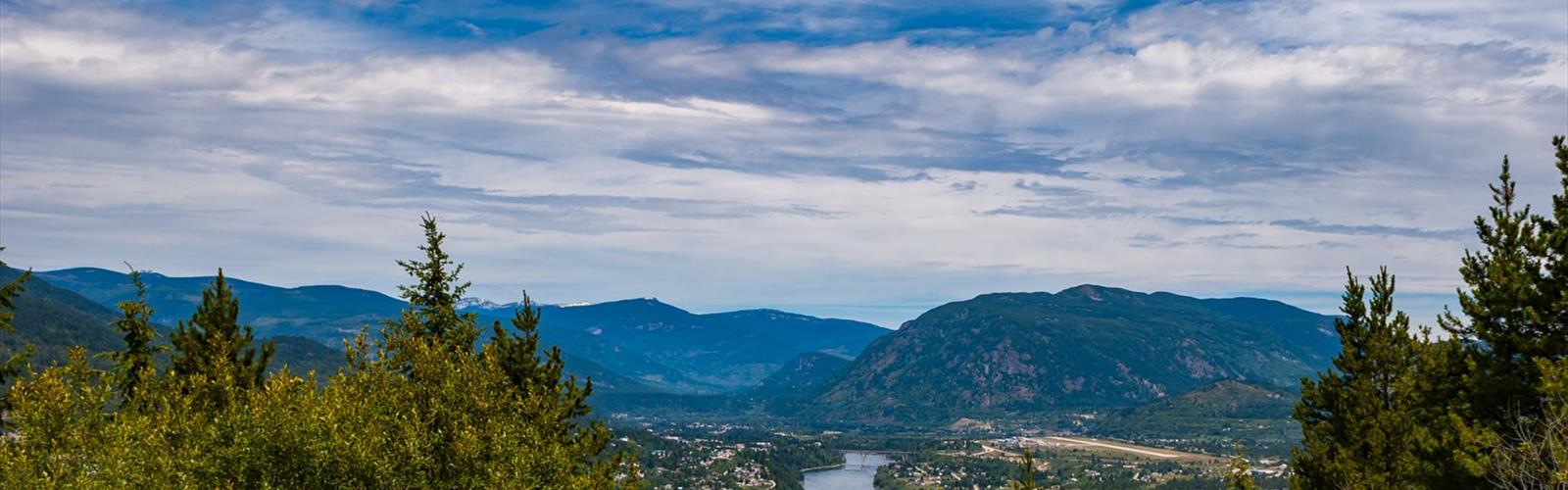
Champion Lakes Provincial Park sits quietly in the Kootenay Rockies, 30 kilometers northeast of Trail, British Columbia. This compact park centers around three connected lakes—First, Second, and Third Champion Lake—each carved into a forested valley that feels surprisingly remote despite the relatively easy access. The drive in offers scenic mountain views that hint at what awaits, winding through typical Interior BC terrain of mixed forest and rocky outcrops.
What makes Champion Lakes special isn't dramatic alpine scenery or challenging peaks, but rather its combination of accessible hiking, clear mountain lakes, and the kind of peaceful forest setting that lets you truly disconnect. The park's 3.2-kilometer main trail system gains just 230 meters of elevation over about 1.5 hours of walking, making it genuinely suitable for families while still providing enough variety to keep experienced hikers interested.
The Trail Experience
The park's well-maintained trail network winds through dense stands of Douglas fir, western larch, and Engelmann spruce, with the forest floor carpeted in typical Interior understory plants. The paths are wide enough for comfortable walking and well-marked, though you'll want to pay attention at trail junctions to stay on your intended route.
The terrain varies more than the modest elevation gain suggests. You'll cross small creek drainages, navigate around beaver ponds, and climb gentle ridges that offer glimpses through the trees to the surrounding mountains. The trail surface ranges from packed earth to occasional rocky sections, with some wooden bridges and boardwalks over wet areas. Nothing requires technical hiking skills, but the varied terrain keeps things interesting throughout the moderate 1.5-hour journey.
Each of the three lakes reveals itself at different points along the trail, creating natural waypoints that break up the hike. First Champion Lake, the largest, opens up dramatically as you emerge from the forest approach. The water is typically clear enough to see the bottom in shallow areas, with deeper sections taking on that distinctive blue-green color of mountain lakes. Second and Third Lakes are smaller and more intimate, tucked into the forest with quieter shorelines perfect for contemplation or wildlife watching.
Wildlife and Natural Features
The park's mix of forest and wetland habitats supports diverse wildlife that adds life to every hike. Deer are commonly spotted, especially in early morning or evening hours, often grazing in small clearings or drinking at lake edges. Beavers have been particularly active throughout the area—you'll see their dams, lodges, and the characteristic pointed stumps of their tree-cutting activities as constant reminders of their engineering work.
Black bears do inhabit the area, so proper food storage and awareness are essential. They're typically more interested in berries and vegetation than human encounters, but making noise while hiking and keeping a clean campsite are standard precautions. The park's beaver ponds and lake edges also attract various waterfowl, while the mixed forest provides habitat for typical Interior BC bird species that provide a soundtrack to your hike.
The lakes themselves are the park's crown jewel. Fed by mountain runoff and springs, they maintain surprisingly comfortable swimming temperatures during summer months. The water quality is excellent, though like all natural water sources, treatment is recommended for drinking. Each lake has distinct characteristics—some areas with sandy bottoms perfect for wading, others with rocky shores ideal for sitting and taking in the mountain reflections.
Camping and Day Use Facilities
Champion Lakes provides excellent camping facilities for those wanting to extend their stay beyond a day hike. The campsites are set among towering conifers, offering natural privacy and the authentic experience of sleeping surrounded by forest sounds. Sites accommodate tents comfortably, with the forest canopy providing natural shelter and ambiance that makes this feel like true wilderness camping despite the civilized amenities.
Day-use visitors will find well-placed picnic areas that take advantage of lake views and forest settings. These spots work perfectly for families or groups wanting to combine hiking with relaxed outdoor dining. The facilities are thoughtfully designed to blend with the natural environment while providing the practical amenities that make a day outdoors comfortable and enjoyable for hikers of all experience levels.
Fishing and Water Activities
Anglers will find the lakes stocked with rainbow trout, making Champion Lakes a legitimate fishing destination rather than just a scenic stop. The trout population is maintained at levels that provide good fishing opportunities while supporting the lake ecosystem. Standard Interior BC fishing regulations apply, so ensure you have proper licensing and check current limits before casting your line.
Non-motorized boating opens up additional ways to experience the lakes beyond the hiking trails. Canoes, kayaks, and small rowboats can access areas of the lakes not easily reached from shore, and the quiet water provides ideal conditions for paddling. The no-motor policy maintains the peaceful atmosphere that defines the Champion Lakes experience, ensuring that the sounds you hear are wind, water, and wildlife rather than engines.
Seasonal Considerations and Planning
The park's relatively modest elevation means a longer hiking season than higher alpine areas, typically from late spring through fall. Summer offers the warmest weather and best swimming conditions, while spring and fall provide cooler temperatures ideal for hiking and fewer crowds. Winter access depends on road conditions and snow levels, though the easy difficulty rating makes this accessible to many hikers when conditions permit.
The 30-kilometer drive from Trail is straightforward on maintained roads, though checking current conditions is always wise, especially during shoulder seasons. The park's accessibility makes it popular with locals, so weekends and holidays can be busier, while weekdays often provide a more solitary experience on the trails.
Champion Lakes succeeds by offering genuine mountain lake and forest experiences without requiring major expedition planning or advanced hiking skills, making it an ideal destination for anyone seeking quality outdoor time in the Kootenay Rockies region.
The Essential Hiking Checklist
Everything you need for your next hike. Bilingual, printable, 1 page.
Get your free hiking checklistRecommended gear for this trail
As an Amazon Associate I earn from qualifying purchases.


Ready to go?
Everything you need to know before you goStarting Point
The champion lakes are located in the Fraser Valley of British Columbia. The easiest way to get there is to take Highway 1 east from Vancouver to Abbotsford and then take the exit for Highway 11. Head north on Highway 11 for about 15 minutes until you reach the intersection with Sumas Way. Turn left onto Sumas Way and drive for about 5 minutes until you reach the intersection with Chilliwack Lake Road. Turn right onto Chilliwack Lake Road and drive for about 10 minutes until you reach the intersection with Lefeuvre Road. Turn left onto Lefeuvre Road and drive for about 5 minutes until you reach the parking lot for the champion lakes Provincial Park.
When?
How much?
As an Amazon Associate I earn from qualifying purchases.
Affiliate links — LGPO may earn a commission at no extra cost to you.
- Hiking shoes Essential
- → Salomon Elixir Tour Mid WP · 203.38 $
- Layered clothing Essential
- Rain jacket Essential
- Trekking poles
- → Black Diamond Trail Ergo Cork · 69.99 $
- Headlamp
- → Petzl Actik Core 625 · 103.95 $
FAQ - Frequently asked questions
Everything you need to knowSimilar hikes nearby
Discover other trails you might enjoy

Emerald Lake
Kootenay Rockies

Golden Skybridge
Kootenay Rockies
Mount Stephen
Kootenay Rockies
Magog, Lake
Kootenay Rockies
Iceline Trail
Kootenay Rockies
Valhalla Provincial Park
Kootenay Rockies
Hiking near Kelowna
45 trails to explore ~157 km away
We work hard to provide the most up-to-date and error-free data possible. If something seems incorrect, let us know! Your contribution helps the whole community.
Hikers' opinions
Be the first to review!
No hiker has shared their experience yet. Share your impressions and help other hikers!