

Ready to explore Iceline Trail? Here's everything you need to know before you go!
Discover the trail
Trail description
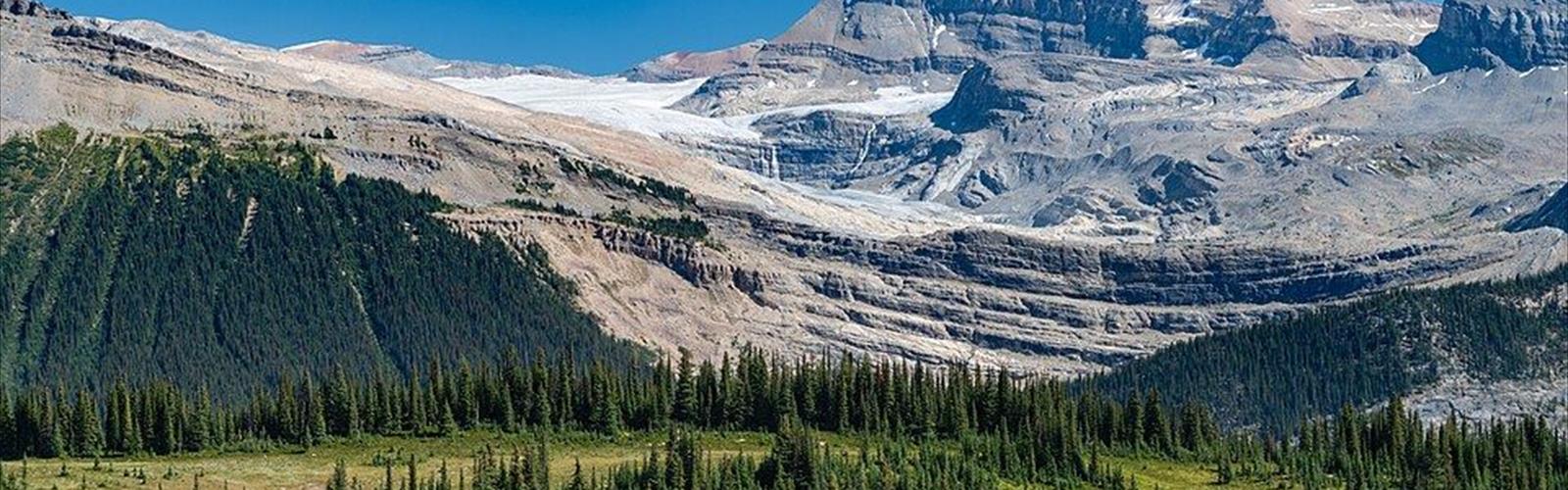
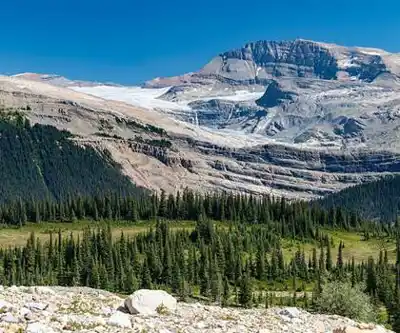
The Iceline Trail delivers some of the most spectacular alpine scenery in Yoho National Park, taking you on an 11.2-kilometer journey through dramatically changing landscapes. This challenging hike gains 690 meters of elevation as it winds from thundering waterfalls through ancient forests to high alpine terrain where glaciers dominate the horizon.
What sets this trail apart from other hikes in the Kootenay Rockies is its incredible variety of environments packed into a single day. You'll start in the spray zone of one of Canada's tallest waterfalls, climb through dense subalpine forest, traverse rocky moraines left behind by retreating glaciers, and finally emerge onto exposed alpine slopes where the landscape feels more like the surface of another planet than a typical mountain trail.
The Trail Experience
Your adventure begins at the Takakkaw Falls parking lot, where the 373-meter cascade announces itself with a thunderous roar that you'll hear long before you see it. The falls serve as both your starting point and a dramatic preview of the raw power of water and ice that has shaped this entire valley.
The first section of trail climbs steadily through thick forest of Engelmann spruce and subalpine fir. The path is well-maintained but rocky in places, requiring attention to your footing. As you gain elevation, the trees begin to thin and you'll catch your first glimpses of the massive ice formations that give this trail its name.
The middle section traverses lateral moraines—piles of rock and debris pushed aside by glaciers over thousands of years. This terrain feels wild and raw, with loose rock underfoot and increasingly expansive views opening up around you. The trail becomes more exposed here, and you'll understand why the name "Iceline" fits so perfectly as you walk along what feels like the boundary between the living earth below and the frozen world above.
The final stretch brings you into true alpine territory, where hardy wildflowers create brilliant splashes of color against the stark landscape during summer months. Indian paintbrush, mountain avens, and alpine forget-me-nots transform the seemingly barren slopes into natural gardens that contrast beautifully with the ice and rock surrounding them.
Glacial Views and Geological Wonders
The trail's main attractions are the close-up views of Emerald Glacier and Daly Glacier, two active ice masses that you can observe from multiple vantage points along the route. Unlike many glacier viewpoints that require binoculars or telephoto lenses, the Iceline Trail brings you close enough to hear the ice creaking and shifting, and on quiet days, you might even catch the sound of meltwater rushing beneath the glacier's surface.
The geological story written in the landscape around you spans millions of years. The towering peaks that frame your views—including the impressive walls of the President Range—showcase layers of sedimentary rock that were once ancient sea floors, now tilted and carved by ice into the dramatic vertical faces you see today. The moraines you walk across tell a more recent story of glacial advance and retreat over the past several thousand years.
Throughout the hike, you'll notice how the glaciers have carved the valley into its distinctive U-shape, quite different from the V-shaped valleys created by rivers alone. This glacial signature is visible everywhere you look, from the hanging valleys where smaller glaciers once fed into the main ice flow, to the polished rock faces that still bear the scratches and gouges left by moving ice.
Terrain and Physical Demands
The Iceline Trail's hard difficulty rating reflects both its length and the challenging terrain you'll encounter. The initial forest section follows a well-defined path, but as you climb higher, the trail becomes increasingly rugged. Rocky sections require careful foot placement, and the moraine areas can be particularly demanding with loose stones that shift underfoot.
The steady elevation gain of 690 meters means you'll feel the climb in your legs, especially as the air thins in the alpine sections. The exposed upper portions offer little shelter from wind or sudden weather changes, making this hike as much about mental preparation as physical fitness.
Plan for the full 4.5-hour duration, though many hikers find themselves taking longer as they stop frequently to absorb the incredible views and photograph the glacial landscapes. The return journey offers entirely different perspectives on the same terrain, making the descent feel like a new adventure.
Seasonal Conditions and Timing
The hiking season for the Iceline Trail typically runs from late June through early October, though these dates can vary significantly based on snowpack and weather conditions. Early season hiking in June and July offers the most dramatic wildflower displays and the fullest waterfalls, but you may encounter snow patches and muddy conditions on the upper sections of trail.
Mid-season hiking from August through mid-September generally provides the most stable weather and trail conditions. The alpine sections are fully snow-free, and you'll have the longest daylight hours to complete the full route comfortably.
Late season hiking in September and October brings the possibility of early snowfall but also offers crisp, clear air and the chance to see the landscape beginning its transition into winter. The contrast between fresh snow on the peaks and autumn colors in the valley can be particularly striking.
Weather in this alpine environment changes rapidly regardless of season. Even on warm summer days, temperatures can drop significantly as you gain elevation, and afternoon thunderstorms are common. Always check current conditions and weather forecasts before heading out.
Essential Preparation
Sturdy hiking boots with good ankle support are essential for this trail, as you'll be walking on loose rock, uneven moraine, and potentially wet surfaces near waterfalls and streams. The terrain demands footwear that can handle both forest paths and alpine scrambling.
Layered clothing is crucial for comfort and safety. Start with moisture-wicking base layers, add insulating layers like fleece or down, and always carry a waterproof shell jacket and pants. Weather conditions can change from warm and sunny to cold and wet within minutes, especially in the exposed upper sections of the trail.
Carry more water than you think you'll need—at least two liters per person for the full hike. While there are streams along the route, the effort required at altitude and the dry mountain air will increase your fluid needs significantly.
Start your hike early in the day to ensure you have plenty of daylight for the return journey. Always inform someone of your hiking plans, including your expected return time. Cell phone coverage is spotty to nonexistent along most of the trail. Consider carrying bear spray as both black bears and grizzly bears inhabit this area, and practice proper food storage and waste disposal to help preserve this pristine wilderness environment.
The Essential Hiking Checklist
Everything you need for your next hike. Bilingual, printable, 1 page.
Get your free hiking checklistRecommended gear for this trail
As an Amazon Associate I earn from qualifying purchases.


Ready to go?
Everything you need to know before you goStarting Point
The iceline trail is located in Yoho National Park, British Columbia. The closest town is Field, British Columbia, which is about a one-hour drive from the trailhead.
When?
How much?
As an Amazon Associate I earn from qualifying purchases.
Affiliate links — LGPO may earn a commission at no extra cost to you.
- Hiking shoes Essential
- → Salomon Elixir Tour Mid WP · 203.38 $
- Layered clothing Essential
- Rain jacket Essential
- Trekking poles
- → Black Diamond Trail Ergo Cork · 69.99 $
- Headlamp
- → Petzl Actik Core 625 · 103.95 $
FAQ - Frequently asked questions
Everything you need to knowSimilar hikes nearby
Discover other trails you might enjoy

Emerald Lake
Kootenay Rockies

Golden Skybridge
Kootenay Rockies
Mount Stephen
Kootenay Rockies
Bugaboo Provincial Park
Kootenay Rockies
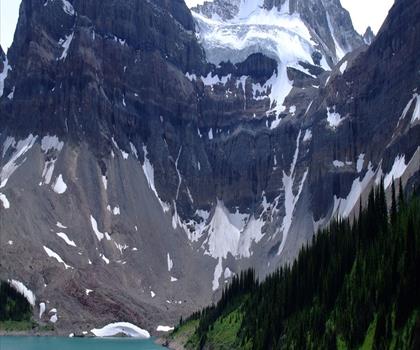
Magog, Lake
Kootenay Rockies
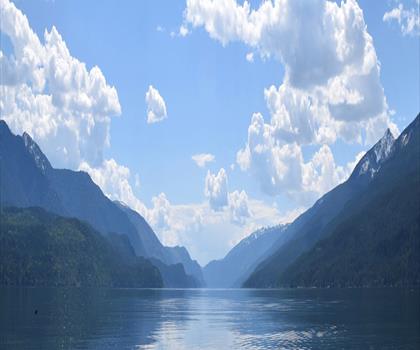
Valhalla Provincial Park
Kootenay Rockies
Hiking near Banff
187 trails to explore ~76 km away
We work hard to provide the most up-to-date and error-free data possible. If something seems incorrect, let us know! Your contribution helps the whole community.
Hikers' opinions
Be the first to review!
No hiker has shared their experience yet. Share your impressions and help other hikers!