

Ready to explore Valhalla Provincial Park? Here's everything you need to know before you go!
Discover the trail
Trail description
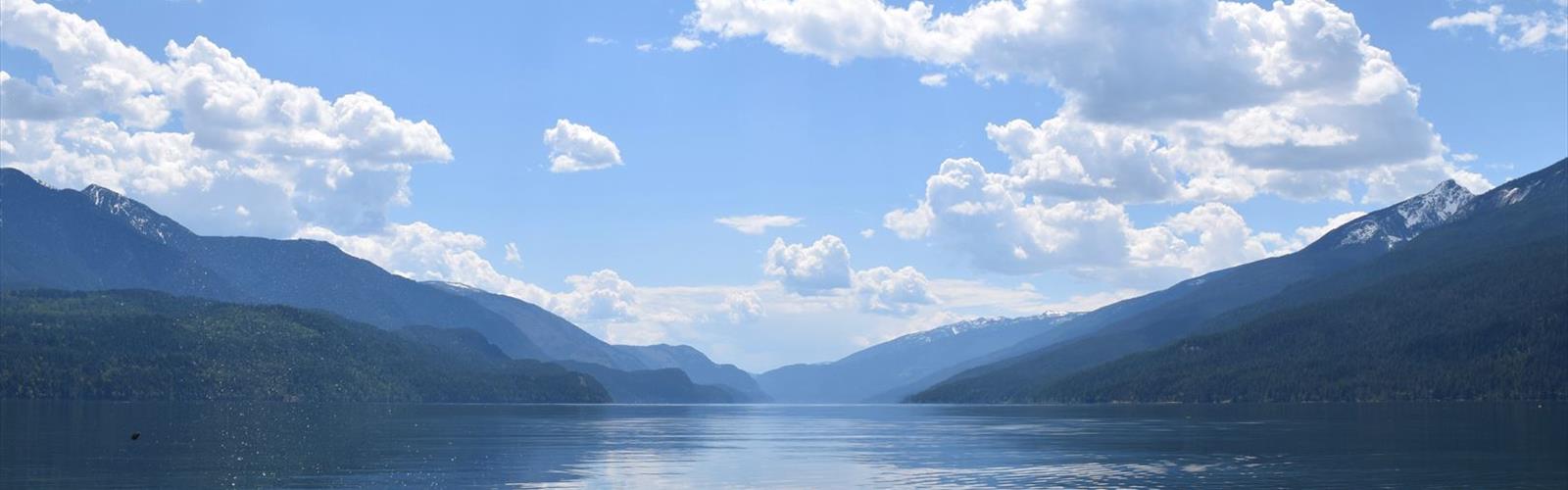
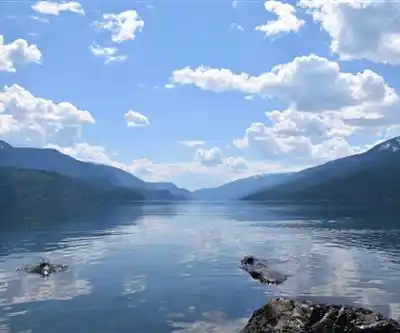
Valhalla Provincial Park sprawls across 49,600 hectares of pristine wilderness on the western shore of Slocan Lake, deep in British Columbia's Selkirk Mountains. This expansive park delivers the kind of raw mountain scenery that makes the Kootenay Rockies region legendary among outdoor enthusiasts—jagged peaks rising dramatically from valley floors, ancient forests carpeting steep mountainsides, and crystal-clear alpine lakes tucked into remote cirques.
The park's terrain tells the story of glacial sculpting on a massive scale. Steep-walled valleys carved by ice age glaciers create natural corridors through the mountains, while hanging valleys and cirque basins hold dozens of pristine alpine lakes. The elevation ranges from the lakeshore at roughly 530 meters to peaks exceeding 2,800 meters, creating distinct ecological zones that shift from dense cedar and hemlock forests at lower elevations to alpine meadows and bare rock at treeline.
Trail System and Hiking Experience
The trail network at Valhalla caters to hikers across the experience spectrum, though the park's remote location and rugged terrain mean even "easier" routes require solid preparation. Most trails begin from the Slocan Lake shoreline and climb steadily through old-growth forest before breaking into subalpine and alpine zones. The sustained elevation gain and technical terrain sections make this challenging territory that rewards experienced hikers with unparalleled wilderness access.
The Gwillim Lakes Trail stands out as the park's signature hiking experience, drawing adventurous hikers to a chain of stunning alpine lakes surrounded by towering peaks. This trail showcases everything that makes Valhalla special—the journey takes you through dense coastal rainforest, across avalanche slopes dotted with wildflowers, and finally into the stark beauty of the alpine zone. The pristine waters of the Gwillim Lakes offer refreshing swimming opportunities for those brave enough to handle the chilly mountain water, and the panoramic views from the surrounding ridges provide some of the most spectacular mountain vistas in the Selkirks.
Other trails wind through equally impressive terrain, leading to hidden valleys, remote peaks, and secluded lakes that see few visitors each season. The park's trail system connects to longer routes that can keep experienced backpackers busy for days, exploring deep into the Selkirk wilderness where the only sounds are wind, water, and wildlife. Route-finding skills become essential on some of the more remote trails, where markers are sparse and the path follows natural features rather than constructed tread.
Terrain and Natural Challenges
Hiking in Valhalla means navigating terrain that shifts dramatically as you gain elevation. The lower valleys feature dense forest floors carpeted with moss and fallen logs, where the trail weaves between massive old-growth trees. Stream crossings punctuate many routes, ranging from simple rock-hops to more substantial fords that require careful timing and technique, especially during snowmelt season.
As trails climb toward treeline, the character changes completely. Open slopes reveal the full scale of the surrounding peaks while exposing hikers to weather and navigation challenges. Loose rock, steep grades, and potential for afternoon thunderstorms make the alpine sections particularly demanding. The reward comes in the form of expansive views across the Selkirk range and access to pristine alpine basins that feel utterly removed from civilization.
Wildlife and Natural Features
Valhalla's diverse ecosystems support an impressive array of wildlife that reflects the park's position in one of British Columbia's most ecologically rich regions. Black bears roam throughout the park's forests and meadows, particularly active during berry season in late summer. Mountain goats navigate the steep cliffs and rocky outcrops with remarkable agility, often visible as white specks on distant ridges. Marmots inhabit the alpine zones, their distinctive whistles echoing across the high country as they communicate with their colonies.
The park's birdlife adds another dimension to the wilderness experience. Bald eagles soar above the valleys and lakes, taking advantage of thermal currents that rise from sun-warmed slopes. Steller's jays bring flashes of brilliant blue to the forest understory, while various species of woodpeckers, including the impressive pileated woodpecker, work the standing dead trees that provide crucial habitat throughout the forest ecosystem.
The park's geological features create dramatic landscapes at every turn. Cascading waterfalls tumble down cliff faces, fed by snowmelt and alpine springs. Glacial erratics—massive boulders deposited by retreating ice—dot the landscape like ancient monuments. The interplay of rock, water, and vegetation creates an ever-changing tapestry of natural beauty that shifts with the seasons and weather conditions.
Backcountry Camping and Multi-Day Adventures
Camping in Valhalla means embracing true backcountry conditions in designated sites scattered throughout the park's remote areas. These primitive campsites offer no facilities beyond basic tent platforms or cleared areas, making them perfect for hikers seeking genuine wilderness solitude. The experience of camping here connects you directly with the mountain environment—falling asleep to the sound of distant waterfalls and waking to alpine sunrises painting the peaks in brilliant colors.
The backcountry sites provide strategic bases for exploring different areas of the park, whether you're planning day hikes to nearby peaks and lakes or using them as waypoints on longer traverses through the Selkirk Mountains. Each site offers its own character, from lakeside locations with mountain reflections to high alpine spots where you can watch weather systems move across the valleys below. Water sources are generally reliable near established sites, though treatment is always necessary.
Access and Planning Considerations
Valhalla Provincial Park demands respect and preparation due to its remote location and challenging terrain. The park's position in the interior wet belt means weather can change rapidly, with afternoon thunderstorms common in summer and early season snow possible well into June at higher elevations. The combination of steep terrain, river crossings, and potential for sudden weather changes makes proper gear and experience essential for safe travel.
Access to most areas requires boat transportation across Slocan Lake, adding a logistical element to trip planning that sets Valhalla apart from more accessible parks. This water crossing serves as a natural filter, ensuring that visitors are committed to experiencing the park's wilderness character rather than seeking casual recreation. The boat access also means that weather conditions on the lake can affect your entire itinerary, making flexible planning crucial.
The park's trail system and camping areas see heaviest use during the brief summer season when snow has cleared from higher elevations and weather conditions are most stable. However, the shoulder seasons offer their own rewards for experienced hikers, with autumn bringing spectacular larch displays and fewer crowds, while early season visits reveal the dramatic process of snowmelt and spring emergence in the high country.
The Essential Hiking Checklist
Everything you need for your next hike. Bilingual, printable, 1 page.
Get your free hiking checklistRecommended gear for this trail
As an Amazon Associate I earn from qualifying purchases.


Ready to go?
Everything you need to know before you goStarting Point
The start of the trails at the valhalla provincial park in British Columbia can be accessed by travelling east on Highway 3 from Hope, BC. The park is located approximately 26 km from Hope.
When?
How much?
As an Amazon Associate I earn from qualifying purchases.
Affiliate links — LGPO may earn a commission at no extra cost to you.
- Hiking shoes Essential
- → Salomon Elixir Tour Mid WP · 203.38 $
- Layered clothing Essential
- Rain jacket Essential
- Trekking poles
- → Black Diamond Trail Ergo Cork · 69.99 $
- Headlamp
- → Petzl Actik Core 625 · 103.95 $
FAQ - Frequently asked questions
Everything you need to knowSimilar hikes nearby
Discover other trails you might enjoy

Emerald Lake
Kootenay Rockies

Golden Skybridge
Kootenay Rockies
Mount Stephen
Kootenay Rockies
Bugaboo Provincial Park
Kootenay Rockies
Magog, Lake
Kootenay Rockies
Iceline Trail
Kootenay Rockies
Hiking near Kelowna
45 trails to explore ~138 km away
We work hard to provide the most up-to-date and error-free data possible. If something seems incorrect, let us know! Your contribution helps the whole community.
Hikers' opinions
Be the first to review!
No hiker has shared their experience yet. Share your impressions and help other hikers!