

Ready to explore Bugaboo Provincial Park? Here's everything you need to know before you go!
Discover the trail
Trail description
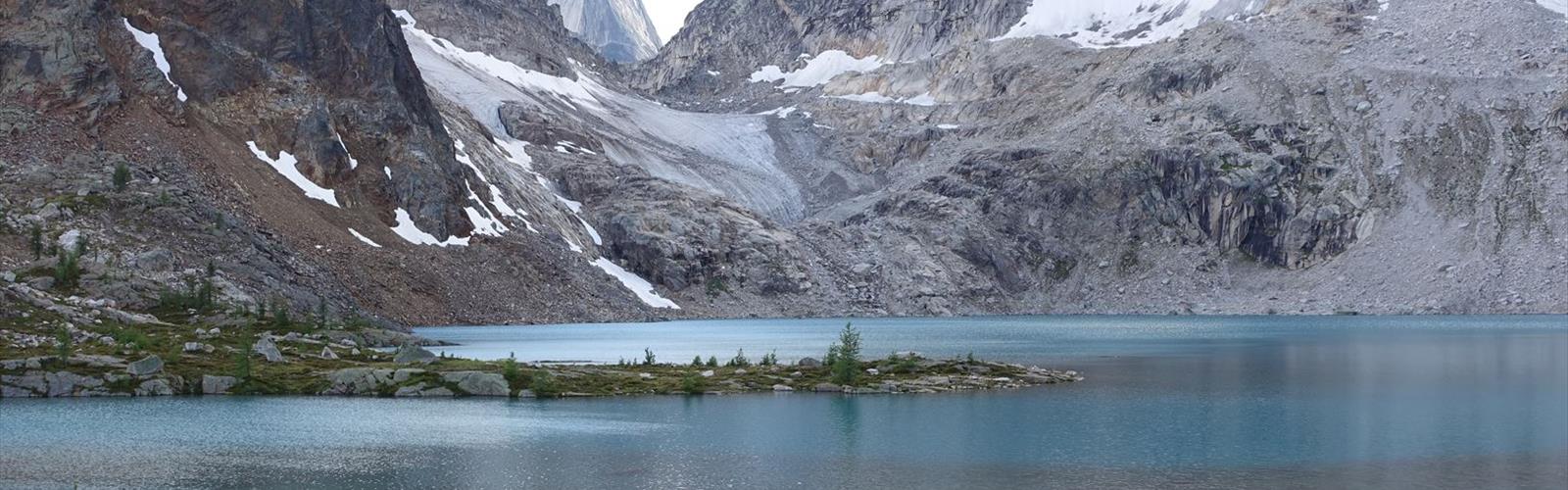
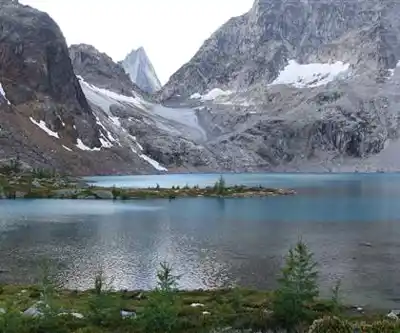
Bugaboo Provincial Park is one of British Columbia's most dramatic alpine destinations, and it earns that reputation the moment the granite spires come into view. Tucked into the Purcell Mountains of the Kootenay Rockies, this remote park delivers a landscape that feels genuinely otherworldly—massive towers of pale granite rising sharply from glaciated valleys, with the kind of scale that makes you feel appropriately small.
The park's defining features are the Bugaboo Spires, a collection of towering granite monoliths that have drawn world-class climbers for decades. Snowpatch Spire and Bugaboo Spire dominate the skyline, their sheer faces and knife-edge ridges forming some of the most recognizable mountain architecture in North America. But you don't need a rack of gear to experience this place. The trail system brings hikers directly into the heart of the spires, and the views you earn on foot are every bit as impressive as anything you'd see from a belay ledge.
The Trail
The main route into the park's alpine core is the Conrad Kain Hut Trail, a moderate hike covering 7.4 km with 730 metres of elevation gain—plan for roughly 4.5 hours on the trail. It's a well-maintained path, but don't let "moderate" lull you into underestimating it. The elevation gain is steady and the terrain gets progressively more demanding as you climb.
The trail starts in subalpine forest, where the trees are still tall enough to provide some shelter, then opens up into the high alpine zone where the full scale of the spires becomes apparent. You'll cross granite slabs and navigate boulder fields, and the path has a way of pulling you forward—each turn reveals a better view than the last, and the spires keep growing larger and more imposing as you gain elevation. The footing demands attention throughout, particularly on the slabs and loose rock sections.
For those looking to extend their time in the park, the Applebee Dome Campground serves as an excellent base camp. Staying overnight puts you right in the alpine environment and opens up additional exploration—hidden tarns, scrambling routes, and viewpoints that show the spires from angles you won't see on a day hike. Waking up surrounded by those peaks at first light is a different experience entirely from arriving mid-morning and heading back before dark.
Terrain and Conditions
The terrain here is authentically alpine, and it rewards hikers who come prepared. Granite slabs, boulder fields, and rocky trails are the norm rather than the exception. Snow patches can linger well into summer at higher elevations, and the weather in the Purcells can shift from clear skies to a full-on storm faster than you'd expect. This isn't a place to cut corners on gear.
Sturdy hiking boots with solid ankle support and aggressive tread are essential—trail runners won't cut it on the slabs and loose rock. Trekking poles are genuinely useful here, both for stability on the steeper sections and for taking some of the load off your knees on the descent. Layering is non-negotiable: even on a warm summer day, conditions at elevation can change quickly, and being caught underdressed in a sudden storm is a miserable and potentially dangerous situation.
Wildlife and the Alpine Environment
Mountain goats are the wildlife highlight in Bugaboo Provincial Park, and they're well worth watching. These animals navigate cliff faces and narrow ledges with a casual confidence that's genuinely impressive—you'll often spot them in terrain that looks completely inaccessible, completely unbothered by the exposure. Keep your eyes on the rock faces above the trail and you'll likely see them.
Hoary marmots are a constant presence in the boulder fields, their sharp whistles carrying across the granite as they track your progress through their territory. They're curious and relatively unafraid, and it's common to have one watching you from a nearby rock while you catch your breath on a steep section. Pikas occupy the same boulder field habitat, smaller and faster, their high-pitched calls adding to the ambient soundtrack of the high country.
The brief alpine summer brings wildflower meadows into bloom, and the contrast between those delicate flowers and the hard lines of the granite spires is one of the more striking visual experiences the park offers. The meadows don't last long—the growing season at this elevation is short—but when they're at peak color, the photography opportunities are exceptional.
What Sets This Park Apart
The geological story behind the Bugaboo Spires is worth understanding before you go. The granite was formed by ancient intrusions of molten rock that cooled slowly deep underground, then exposed over millions of years by erosion. The result is rock of exceptional quality—clean faces, sharp edges, and a light color that stands out brilliantly against a blue sky. This is why the Bugaboos have been a destination for serious climbers since the early twentieth century, and why the park continues to draw visitors from around the world.
What makes Bugaboo Provincial Park genuinely special is the combination of remoteness and accessibility. The park requires real commitment to reach, and that commitment filters out the casual visitor. Once you're here, the isolation is palpable—the scale of the landscape and the absence of the usual background noise of modern life creates a sense of being somewhere that operates on its own terms. The alpine ecosystem here is intact and functioning, and the park's remote location has helped keep it that way.
Getting Ready to Go
Check trail conditions and weather forecasts before you leave—conditions at this elevation can vary significantly even within a single day, and what looks like a clear morning can deteriorate quickly. The hiking season is relatively short given the park's elevation and northern latitude, with the best conditions typically found during the summer months after snow has cleared from the higher elevations.
The fragile alpine environment here requires a genuine commitment to Leave No Trace practices. Stay on established trails, pack out everything you bring in, and give wildlife the space they need—this is their habitat, and keeping it intact is the whole point of making the trip in the first place.
The Essential Hiking Checklist
Everything you need for your next hike. Bilingual, printable, 1 page.
Get your free hiking checklistRecommended gear for this trail
As an Amazon Associate I earn from qualifying purchases.


Ready to go?
Everything you need to know before you goStarting Point
The bugaboo provincial park is located in the Kootenay region of British Columbia. The park is about a 4.5 hour drive from Vancouver and a 2.5 hour drive from Calgary.
When?
How much?
As an Amazon Associate I earn from qualifying purchases.
Affiliate links — LGPO may earn a commission at no extra cost to you.
- Hiking shoes Essential
- → Salomon Elixir Tour Mid WP · 203.38 $
- Layered clothing Essential
- Rain jacket Essential
- Trekking poles
- → Black Diamond Trail Ergo Cork · 69.99 $
- Headlamp
- → Petzl Actik Core 625 · 103.95 $
FAQ - Frequently asked questions
Everything you need to knowSimilar hikes nearby
Discover other trails you might enjoy

Emerald Lake
Kootenay Rockies

Golden Skybridge
Kootenay Rockies
Mount Stephen
Kootenay Rockies
Magog, Lake
Kootenay Rockies
Iceline Trail
Kootenay Rockies
Valhalla Provincial Park
Kootenay Rockies
Hiking near Banff
187 trails to explore ~99 km away
We work hard to provide the most up-to-date and error-free data possible. If something seems incorrect, let us know! Your contribution helps the whole community.
Hikers' opinions
Be the first to review!
No hiker has shared their experience yet. Share your impressions and help other hikers!