
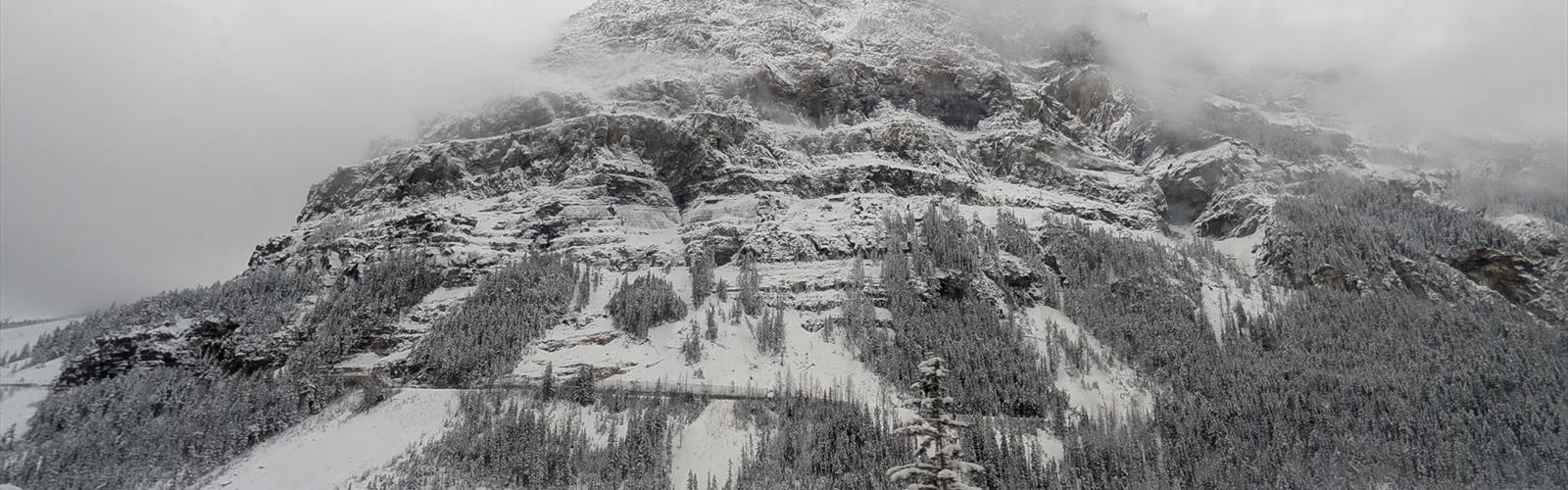

Ready to explore Mount Stephen? Here's everything you need to know before you go!
Discover the trail
Trail description
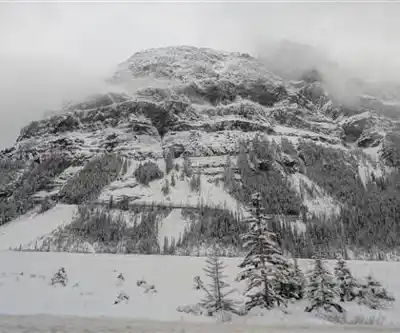
Mount Stephen rises dramatically to 3,199 meters (10,496 feet) in Yoho National Park, making it one of the most prominent peaks in the Canadian Rockies. Named after George Stephen, the first president of the Canadian Pacific Railway, this imposing mountain offers serious hikers a challenging ascent through diverse terrain and rewards them with some of the most spectacular panoramic views in the Kootenay Rockies region.
The mountain sits within the Canadian Rocky Mountain Parks UNESCO World Heritage Site, where the raw beauty of alpine wilderness remains largely untouched. What sets Mount Stephen apart from other peaks in the area is its dramatic rock formations and the variety of ecosystems you'll encounter on the way up—from dense montane forests at the base to exposed alpine terrain near the summit.
The Mount Stephen Trail
The Mount Stephen Trail represents a serious undertaking that demands respect and preparation. This challenging route guides hikers through a remarkable transition of landscapes, beginning in lush forests where towering conifers create a cool, shaded environment perfect for the initial warming-up phase of your climb.
As you gain elevation, the forest gradually gives way to alpine meadows that burst with vibrant wildflowers during spring and summer months. These meadows provide natural rest stops where you can catch your breath while taking in increasingly impressive views of the surrounding Kootenay Rockies. The contrast between the delicate alpine flowers and the rugged mountain backdrop creates some of the most photogenic moments of the entire hike.
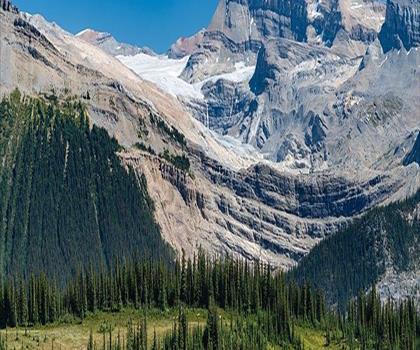
The trail's most dramatic section leads you through striking rock formations as you approach the peak. Here, the terrain becomes more technical and exposed, requiring sure footing and steady nerves. The dramatic rock faces and geological features tell the story of millions of years of mountain-building forces, making this section as educational as it is challenging.
From the summit area, hikers are rewarded with panoramic vistas that stretch across the entire Kootenay Rockies and beyond. On clear days, the view encompasses multiple mountain ranges, deep valleys, and the intricate network of peaks that make this region one of Canada's most spectacular wilderness areas. The sense of accomplishment that comes with reaching this vantage point makes every challenging step of the ascent worthwhile.
Alternative Options in the Area
For hikers who want to experience the beauty of Yoho National Park without committing to the demanding Mount Stephen ascent, several excellent alternatives provide equally stunning scenery at more manageable difficulty levels. The Emerald Lake Loop offers a leisurely walk around one of the Canadian Rockies' most photographed lakes, where the distinctive emerald-green water reflects the surrounding peaks in perfect clarity.
The Takakkaw Falls Trail leads to one of Canada's highest waterfalls, where glacial meltwater plunges dramatically down a sheer rock face. This trail provides an excellent introduction to the park's alpine environment without requiring the technical skills or endurance needed for Mount Stephen's summit.
Wildlife and Natural Features
The Mount Stephen area supports an impressive diversity of wildlife that adds an element of excitement to any hiking experience. Majestic elk frequently graze in the meadows and forest clearings, particularly during early morning and evening hours. Mountain goats navigate the steep rocky terrain with remarkable agility, often visible on distant cliff faces through binoculars.
More elusive residents include grizzly bears, which require hikers to maintain proper food storage and make noise while traveling through dense forest sections. Marmots inhabit the alpine areas, their distinctive whistles often serving as an early warning system for the presence of predators or approaching hikers.
The plant life varies dramatically with elevation, creating distinct ecological zones that change as you climb. Lower elevations feature dense forests of spruce, fir, and pine, while higher elevations showcase hardy alpine species adapted to harsh mountain conditions. During the brief growing season, wildflowers transform the alpine meadows into natural gardens of incredible beauty and diversity.
Planning and Preparation
Mount Stephen demands thorough preparation and appropriate gear. Sturdy, well-broken-in hiking boots with good ankle support are essential for navigating the rocky terrain safely. Weather-appropriate clothing should include layers that can be adjusted as conditions change, which they often do rapidly in high mountain environments.
Trail conditions and weather forecasts require careful checking before departure, as mountain weather can shift from pleasant to dangerous within hours. Early season hikes may encounter snow and ice even when valley conditions appear mild, while late season weather can bring sudden storms and temperature drops.
The challenging nature of this hike means that proper physical conditioning is crucial for both safety and enjoyment. Hikers should honestly assess their fitness level and experience before attempting the full ascent, as the combination of elevation gain, technical terrain, and potential weather challenges can quickly overwhelm unprepared adventurers.
Environmental Responsibility
Preserving the pristine wilderness character of Mount Stephen requires every visitor to follow Leave No Trace principles carefully. Pack out everything you pack in, including all food waste and packaging materials. Stay on designated trails to prevent erosion and protect fragile alpine vegetation that may take decades to recover from damage.
The UNESCO World Heritage Site designation reflects the global importance of this ecosystem, making responsible hiking practices not just courteous but essential for maintaining the area's ecological integrity for future generations of both wildlife and outdoor enthusiasts.
The Essential Hiking Checklist
Everything you need for your next hike. Bilingual, printable, 1 page.
Get your free hiking checklistRecommended gear for this trail
As an Amazon Associate I earn from qualifying purchases.


Ready to go?
Everything you need to know before you goStarting Point
The mount stephen trails are located in Yoho National Park, British Columbia. To get to the start of the trails, take the Trans-Canada Highway to Field, British Columbia. From there, take the Yoho Valley Road to the Takakkaw Falls parking lot. The trails start from there.
When?
How much?
As an Amazon Associate I earn from qualifying purchases.
Affiliate links — LGPO may earn a commission at no extra cost to you.
- Hiking shoes Essential
- → Salomon Elixir Tour Mid WP · 203.38 $
- Layered clothing Essential
- Rain jacket Essential
- Trekking poles
- → Black Diamond Trail Ergo Cork · 69.99 $
- Headlamp
- → Petzl Actik Core 625 · 103.95 $
FAQ - Frequently asked questions
Everything you need to knowSimilar hikes nearby
Discover other trails you might enjoy

Emerald Lake
Kootenay Rockies

Golden Skybridge
Kootenay Rockies
Bugaboo Provincial Park
Kootenay Rockies
Magog, Lake
Kootenay Rockies
Iceline Trail
Kootenay Rockies
Valhalla Provincial Park
Kootenay Rockies
Hiking near Banff
187 trails to explore ~65 km away
We work hard to provide the most up-to-date and error-free data possible. If something seems incorrect, let us know! Your contribution helps the whole community.
Hikers' opinions
Be the first to review!
No hiker has shared their experience yet. Share your impressions and help other hikers!