

Ready to explore Magog, Lake? Here's everything you need to know before you go!
Discover the trail
Trail description
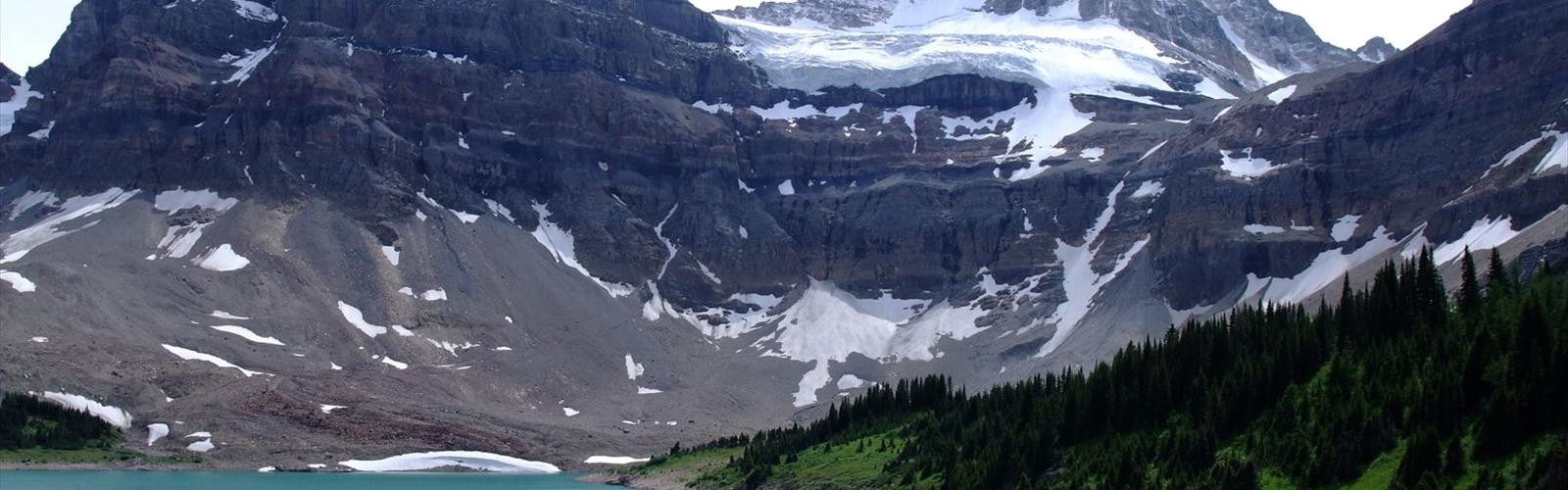
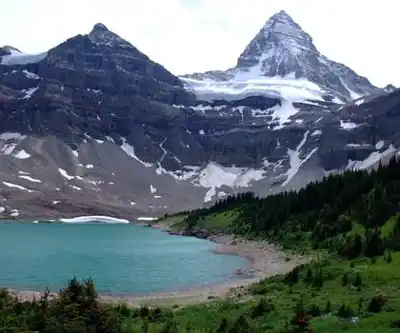
Magog Lake sits as one of the crown jewels of Mount Assiniboine Provincial Park, offering hikers access to some of the most spectacular alpine scenery in the Canadian Rockies. This crystal-clear alpine lake serves as both a destination and a launching point for backcountry adventures in what's recognized as part of a UNESCO World Heritage Site.
The lake itself reflects the towering peaks that surround it, creating mirror-like images that shift throughout the day as light plays across the water's surface. The setting feels remarkably pristine and untouched, which isn't surprising given its protected status within the provincial park system. What makes Magog Lake particularly special is how it combines accessibility for serious hikers with the raw, uncompromising beauty of high alpine terrain.
The Hiking Experience
The 8-kilometer journey to Magog Lake requires commitment and preparation, as you'll be entering true backcountry territory. With 500 meters of elevation gain spread across the route, expect to invest around 3 hours and 15 minutes of steady hiking to reach this alpine gem. The approach takes you through varied terrain that showcases the best of what the Rockies offer—dense forest giving way to alpine meadows, rocky outcrops, and eventually the stark beauty of the high country where the lake sits.
The trail starts in thick subalpine forest where the canopy provides welcome shade during warmer days. As you gain elevation, the forest gradually opens up, revealing glimpses of the dramatic peaks ahead. The middle section crosses through alpine meadows that burst with wildflowers during the brief summer season, creating a carpet of color against the backdrop of grey limestone cliffs and snow-capped summits.
The final approach to the lake involves navigating rockier terrain where the trail becomes less defined. Cairns mark the route through boulder fields and across exposed bedrock. This section demands attention to route-finding, especially in poor weather when visibility drops. The moderate difficulty rating reflects not just the physical demands but also the technical aspects of navigation in true alpine environment.
Once you arrive, the lake serves as an excellent base for further exploration. The most popular objective from here is Nub Peak, a moderately challenging hike that delivers some of the most panoramic views you'll find anywhere in the Rockies. The trail to Nub Peak tests your legs and lungs, but the payoff is extraordinary—360-degree vistas that take in multiple mountain ranges and valleys stretching to the horizon.
Terrain and Conditions
The terrain around Magog Lake varies from well-defined trails to more rugged, less obvious routes depending on where you're headed. Expect rocky sections, potential snow patches even in summer at higher elevations, and the kind of variable mountain weather that can shift from brilliant sunshine to threatening clouds within hours.
The lake sits in a cirque surrounded by steep-walled peaks that create their own microclimate. Afternoon thunderstorms can develop quickly as warm air rises against the cold rock faces. Morning starts are often calm and clear, making early departures both safer and more rewarding for photography and wildlife viewing.
Snow lingers well into summer at this elevation, particularly on north-facing slopes and in shadowed areas near the lake. Even during peak season, you might encounter patches of snow and ice, especially if you're exploring beyond the main lake area. Microspikes or light traction devices can be valuable additions to your pack.
Backcountry Camping
Several backcountry camping options exist near Magog Lake, making it possible to spend multiple days exploring the area. These campsites offer the rare experience of waking up in truly wild country, where the only sounds are wind, water, and wildlife. The camping areas are primitive—no facilities beyond designated spots to pitch your tent—so you'll need to be completely self-sufficient.
Morning light on the lake creates some of the most memorable moments you'll experience in the mountains. The water remains remarkably still in early hours, creating perfect reflections of the surrounding peaks. As the day progresses, you'll watch shadows shift across the mountainsides and see how dramatically the landscape's character changes with the light.
Campsites are positioned to minimize environmental impact while providing reasonable shelter from prevailing winds. The designated areas help concentrate human impact and protect the fragile alpine vegetation that takes decades to establish in this harsh environment.
Wildlife and Natural Environment
The area around Magog Lake supports diverse wildlife populations that thrive in this protected environment. Mountain goats are frequently spotted on the rocky slopes and cliff faces, their sure-footed movements across seemingly impossible terrain always impressive to watch. Marmots inhabit the alpine meadows and rocky areas, their sharp whistles often serving as an early warning system for other wildlife.
Grizzly bears also call this region home, and while sightings are possible, they should always be from a safe distance. Proper food storage and bear awareness are essential when camping or hiking in the area. The park has specific guidelines for wildlife encounters that all visitors must follow to protect both the animals and themselves.
The high elevation environment around the lake showcases classic alpine vegetation—hardy plants adapted to short growing seasons, intense UV exposure, and dramatic temperature swings. During the brief summer season, wildflower displays can be spectacular, with entire meadows bursting into color. Alpine forget-me-nots, mountain avens, and Indian paintbrush create vibrant displays against the stark mountain backdrop.
Planning Your Visit
Mount Assiniboine Provincial Park requires advance planning and reservations for backcountry camping. The park operates under strict quotas to protect the fragile alpine environment, so booking well ahead of your intended visit is essential. The elevation gain and distance mean you'll be working for your reward, but the effort filters out casual visitors and helps preserve the wilderness character.
Weather conditions can change rapidly at this elevation, and snow is possible even during summer months. Proper gear including warm layers, rain protection, and sturdy hiking boots is non-negotiable. The remoteness of the location means self-rescue capability and thorough trip planning are critical—this isn't terrain for improvisation or casual day hiking.
The hiking season typically runs from mid-July through September, though conditions vary year to year. Early season visits may encounter significant snow, while late season brings the possibility of early winter storms. Check current conditions and weather forecasts before departing, and be prepared to turn back if conditions deteriorate.
Water from the lake requires treatment before drinking, despite its pristine appearance. Pack a reliable filtration system or purification tablets as part of your essential gear. The clear, cold water is certainly tempting, but proper backcountry hygiene practices are important for both your health and environmental protection.
The Essential Hiking Checklist
Everything you need for your next hike. Bilingual, printable, 1 page.
Get your free hiking checklistRecommended gear for this trail
As an Amazon Associate I earn from qualifying purchases.


Ready to go?
Everything you need to know before you goStarting Point
The trails at the magog, lake in British Columbia can be accessed from the parking lot located off of Highway 3.
When?
How much?
As an Amazon Associate I earn from qualifying purchases.
Affiliate links — LGPO may earn a commission at no extra cost to you.
- Hiking shoes Essential
- → Salomon Elixir Tour Mid WP · 203.38 $
- Layered clothing Essential
- Rain jacket Essential
- Trekking poles
- → Black Diamond Trail Ergo Cork · 69.99 $
- Headlamp
- → Petzl Actik Core 625 · 103.95 $
FAQ - Frequently asked questions
Everything you need to knowSimilar hikes nearby
Discover other trails you might enjoy

Emerald Lake
Kootenay Rockies

Golden Skybridge
Kootenay Rockies
Mount Stephen
Kootenay Rockies
Bugaboo Provincial Park
Kootenay Rockies
Iceline Trail
Kootenay Rockies
Valhalla Provincial Park
Kootenay Rockies
Hiking near Canmore
200 trails to explore ~29 km away
We work hard to provide the most up-to-date and error-free data possible. If something seems incorrect, let us know! Your contribution helps the whole community.
Hikers' opinions
Be the first to review!
No hiker has shared their experience yet. Share your impressions and help other hikers!