

Ready to explore Elk Lakes? Here's everything you need to know before you go!
Discover the trail
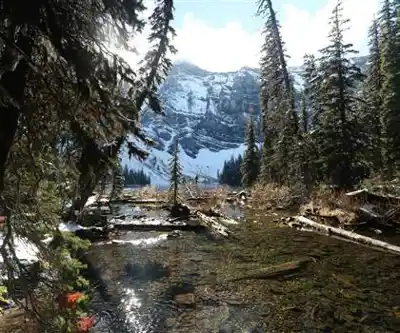
Photos: Thank you for visiting my page from Canada — CC BY 2.0 (Wikimedia Commons)
Trail description
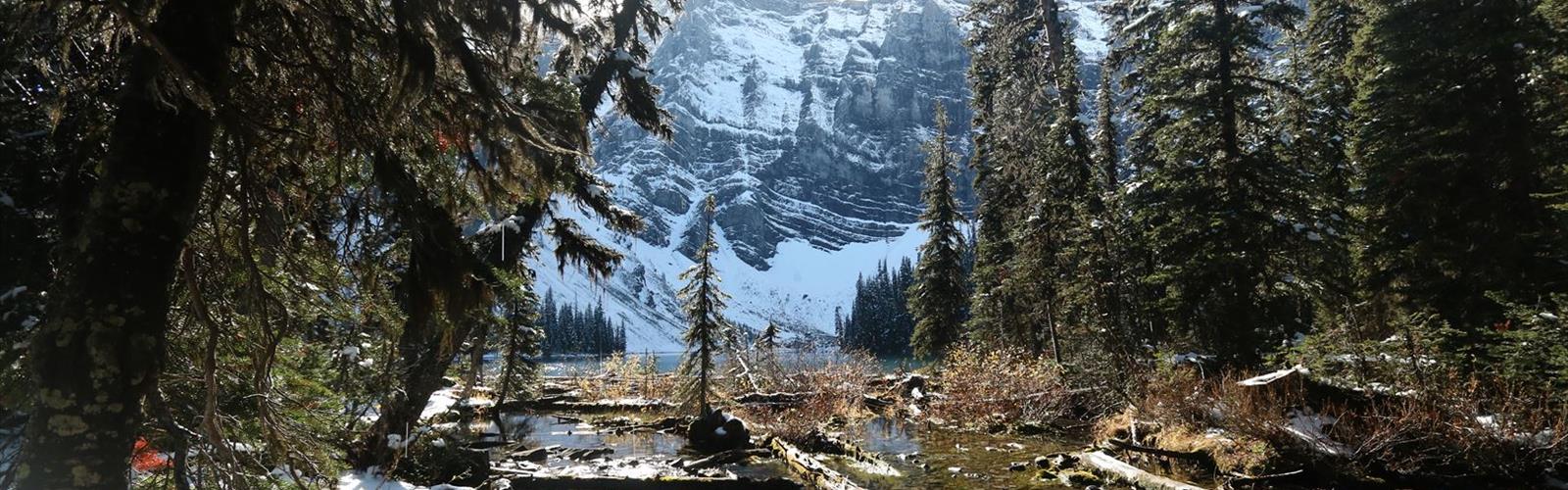
Elk Lakes Provincial Park sits in the remote southeastern corner of British Columbia, straddling the Continental Divide along the Alberta border. This backcountry destination rewards hikers with two stunning alpine lakes cradled between towering limestone peaks and dense subalpine forests. The park's centerpiece lakes—Upper and Lower Elk Lake—offer some of the most pristine mountain scenery in the Canadian Rockies, with crystal-clear waters that mirror the surrounding peaks and create an unforgettable wilderness experience.
The Trail Experience
The journey to Elk Lakes begins with a scenic drive through the Elk Valley, accessible from either Invermere to the north or Fernie to the south. The trailhead sits at the end of a rough gravel road that requires careful navigation, particularly in wet conditions. From the parking area, the main trail winds through diverse terrain over 26 kilometers of hiking, demanding a full day commitment with an estimated 8.5 hours of hiking time.
This challenging route takes you through 750 meters of elevation gain across distinct ecological zones. You'll start in dense montane forests dominated by Engelmann spruce and subalpine fir, where the canopy filters sunlight into dappled patterns on the forest floor. The well-maintained trail guides you through lush forest sections before opening into meadows dotted with wildflowers during summer months. As you climb higher, the trees thin and views expand dramatically, offering glimpses of the rugged peaks that define this corner of the Rockies.
The terrain varies significantly throughout the hike, from gentle forest paths to more demanding sections that test your endurance. Each segment reveals new perspectives on the surrounding landscape, with postcard-perfect views appearing around every bend. The well-marked trails make navigation straightforward, though the backcountry setting and considerable distance demand proper preparation and awareness of changing mountain conditions.
The Lakes and Surrounding Peaks
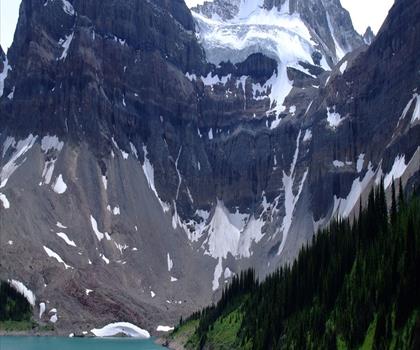
Upper and Lower Elk Lake form the spectacular reward for your long journey into this wilderness. These pristine alpine waters sit surrounded by an amphitheater of limestone peaks that rise dramatically from the shorelines. The lakes' crystal-clear waters create perfect reflections of the towering mountains, particularly during the calm morning and evening hours when the surface becomes mirror-like.
Lower Elk Lake, the larger of the two, stretches beneath steep mountain walls that seem to rise directly from the water's edge. The lake's turquoise waters shift in color throughout the day as light conditions change, creating an ever-evolving palette of blues and greens. Upper Elk Lake, smaller and more intimate, sits in a cirque surrounded by even more dramatic vertical terrain. Both lakes offer excellent opportunities for photography and quiet contemplation, with the interplay of water, rock, and sky creating compositions that capture the essence of the Canadian Rockies.
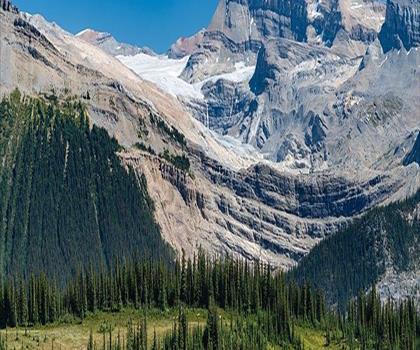
The surrounding peaks display the classic layered limestone formations characteristic of the Canadian Rockies, carved by glacial action over millennia. These limestone giants create steep faces and sharp ridgelines that emphasize the wild, untouched nature of this mountain environment. The dramatic skyline provides a stunning backdrop that makes the long hike worthwhile.
Wildlife and Natural Environment
The park's name reflects the presence of elk, which roam throughout the region and can often be observed in the meadows and forest clearings. These majestic animals, along with deer, represent the larger mammals that call this wilderness home. The diverse habitat supports a rich variety of wildlife, from the playful marmots that inhabit the rocky slopes to the soaring eagles that ride the mountain thermals overhead.
Wildlife enthusiasts will find ample opportunities to observe animals in their natural habitat during the long hike. The park's remote location and protected status create an environment where wildlife behavior remains largely undisturbed by human presence. Early morning and evening hours typically offer the best chances for wildlife encounters, when animals are most active and the lighting creates ideal conditions for observation and photography.
The varied ecosystems within the park support different species at different elevations. The lower forested areas provide habitat for smaller mammals and forest birds, while the alpine zones host specialized high-elevation species adapted to the harsh mountain environment. This diversity makes the extended hike an opportunity for discovery throughout the day, whether you're interested in large mammals, bird species, or the smaller creatures that inhabit this mountain ecosystem.
Backcountry Camping
Given the challenging distance and duration of the hike, many visitors choose to extend their wilderness experience with backcountry camping. The park offers several designated camping sites that allow you to fully immerse yourself in the mountain environment, falling asleep under star-filled skies and waking to the gentle sounds of nature. The camping experience here connects you directly with the rhythms of the mountain environment, from the changing light on the peaks to the nocturnal sounds of the wilderness.
The backcountry camping sites are strategically located to minimize environmental impact while maximizing the wilderness experience. Camping regulations help preserve the pristine nature of the area, ensuring that future visitors can enjoy the same unspoiled environment. The remote setting means that campers must be completely self-sufficient, carrying all necessary gear and supplies for their stay.
Planning Your Visit
Access to Elk Lakes requires careful planning due to its remote location and the demanding nature of the hike. The park is reachable via scenic drives from Invermere or Fernie, but the final approach involves rough gravel roads that demand attention and appropriate vehicles. Road conditions can change rapidly with weather, particularly during spring snowmelt and fall freeze-thaw cycles.
The hard difficulty rating and substantial time commitment make this hike suitable for experienced hikers in good physical condition. Trail conditions vary significantly with the seasons and recent weather patterns. Snow can persist at higher elevations well into summer, while early fall storms can create challenging conditions unexpectedly. Checking current trail conditions before departure is essential for a safe and enjoyable visit.
The backcountry setting means that hikers must be prepared for rapidly changing mountain weather and carry appropriate gear for the conditions they might encounter. Respecting the natural environment through Leave No Trace principles is particularly important in this pristine wilderness setting, where the park's remote location and fragile alpine ecosystem make environmental stewardship a responsibility that every visitor shares in preserving this remarkable landscape.
The Essential Hiking Checklist
Everything you need for your next hike. Bilingual, printable, 1 page.
Get your free hiking checklistRecommended gear for this trail
As an Amazon Associate I earn from qualifying purchases.


Ready to go?
Everything you need to know before you goStarting Point
The elk lakes Provincial Park is located in the heart of the Canadian Rockies, about a five-hour drive west of Calgary. To get there, take Highway 1 west to the town of Lake Louise. From there, take the Trans-Canada Highway (Highway 1) west to Field and then turn north onto Highway 93. The park is about 60 km north of Field.
When?
How much?
As an Amazon Associate I earn from qualifying purchases.
Affiliate links — LGPO may earn a commission at no extra cost to you.
- Hiking shoes Essential
- → Salomon Elixir Tour Mid WP · 203.38 $
- Layered clothing Essential
- Rain jacket Essential
- Trekking poles
- → Black Diamond Trail Ergo Cork · 69.99 $
- Headlamp
- → Petzl Actik Core 625 · 103.95 $
FAQ - Frequently asked questions
Everything you need to knowSimilar hikes nearby
Discover other trails you might enjoy

Emerald Lake
Kootenay Rockies

Golden Skybridge
Kootenay Rockies
Mount Stephen
Kootenay Rockies
Bugaboo Provincial Park
Kootenay Rockies
Magog, Lake
Kootenay Rockies
Iceline Trail
Kootenay Rockies
Hiking near Canmore
200 trails to explore ~62 km away
We work hard to provide the most up-to-date and error-free data possible. If something seems incorrect, let us know! Your contribution helps the whole community.
Hikers' opinions
Be the first to review!
No hiker has shared their experience yet. Share your impressions and help other hikers!