
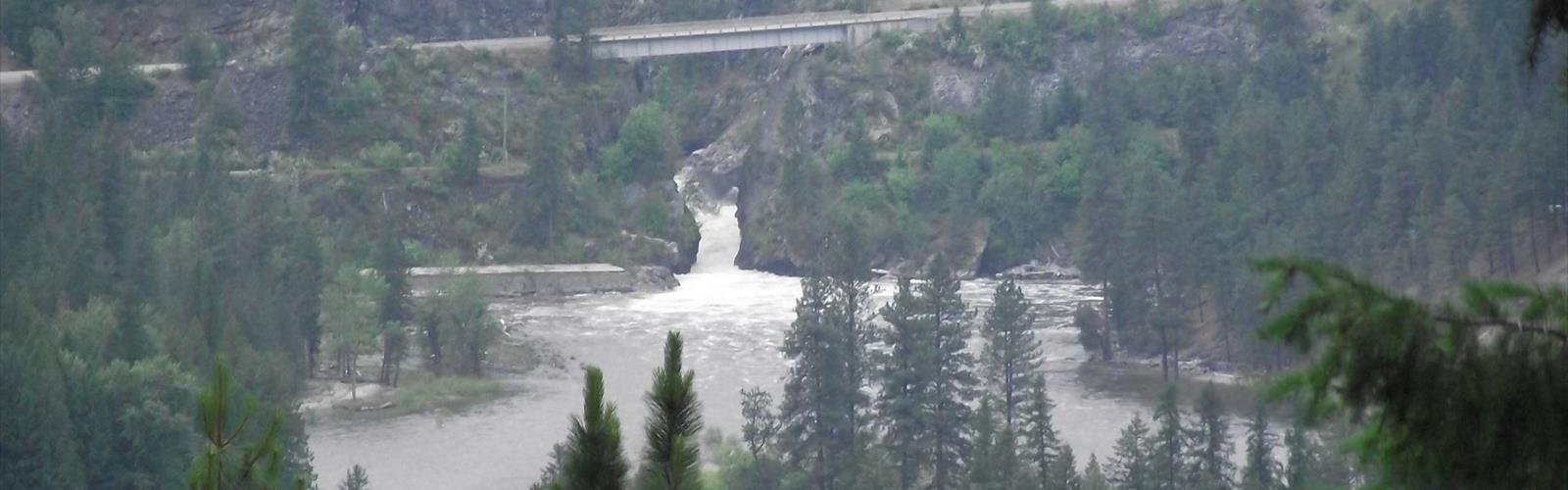
Ready to explore Gladstone Provincial Park? Here's everything you need to know before you go!
Discover the trail
Oh no! We don't have any photos 😢
This trail hasn't been captured yet. Be the first to share your adventure!Trail description
Description
Gladstone Provincial Park sprawls across 39,000 hectares of the Kootenay Rockies, offering some of British Columbia's most diverse hiking terrain within a single protected area. This expansive park combines everything from gentle lakeshore walks to demanding mountain ascents, making it a destination where families and serious backcountry hikers can find their perfect trail on the same weekend.
The park's trail network caters to every experience level, with paths winding through dense forests of Douglas fir and western red cedar before opening onto alpine meadows dotted with wildflowers. The lower elevation trails follow creek beds and skirt lake edges, while higher routes climb through subalpine zones where the trees thin out and panoramic views of the surrounding peaks emerge. Each trail offers distinct terrain—some traverse rocky ridgelines with exposed scrambling sections, others meander through old-growth forest where the canopy filters sunlight into dappled patterns on the forest floor.
Christina Lake and Water Features
Christina Lake serves as the park's centerpiece, known throughout the region for its unusually warm waters and natural sandy beaches. The lake's crystal-clear water stays comfortable for swimming well into early fall, a rarity at this elevation in the Rockies. The shoreline trails provide easy walking with constant lake views, perfect for families with young children or anyone seeking a gentler outdoor experience.
Beyond swimming, the lake supports excellent kayaking and fishing opportunities. The calm morning waters create ideal conditions for paddling, while anglers can expect to find rainbow trout and kokanee salmon. The lake's surrounding wetlands and marshy areas attract waterfowl, making these shoreline areas particularly rewarding for wildlife observation. The contrast between the warm lake water and the rugged mountain backdrop creates a unique setting that feels almost tropical despite the alpine environment.
Mountain Terrain and Backcountry Access
The park's mountainous backcountry opens up a completely different hiking experience. These higher elevation trails demand more preparation and experience, but reward hikers with expansive views across the Kootenay valley and surrounding mountain ranges. The terrain here shifts from forested switchbacks to open alpine slopes where weather can change rapidly.
Backcountry camping opportunities exist throughout these remote areas, allowing for multi-day adventures under some of the darkest skies in southern British Columbia. The camping areas are primitive—no facilities beyond designated spots—but the solitude and night sky viewing make up for any lack of amenities. Fall asleep to the sounds of wind through the peaks and wake to sunrise illuminating the surrounding ridgelines.
The transition zones between forest and alpine environments offer some of the most rewarding hiking experiences. Here, you'll encounter krummholz formations where trees grow in twisted, wind-sculpted shapes, and open meadows that burst with color during the brief mountain summer. These areas provide natural rest stops with sweeping views and opportunities to spot wildlife moving between different habitat zones.
Wildlife and Natural Features
The park's diverse ecosystems support an impressive range of wildlife. Black bears frequent the area, particularly during berry season in late summer, making proper food storage essential for all visitors. White-tailed deer and mule deer browse in the meadows and forest edges, often visible during early morning or evening hikes.
Bird life varies dramatically by elevation and habitat. The lake areas attract osprey, great blue herons, and various waterfowl, while the forest zones host woodpeckers, nuthatches, and seasonal songbirds. Higher elevation areas provide habitat for mountain species including gray jays and occasionally golden eagles soaring above the ridgelines.
The park's plant communities change noticeably with elevation. Lower areas feature lush understory growth including devil's club and ferns, while higher zones transition to hardy alpine species adapted to shorter growing seasons and harsh winter conditions. Late spring and early summer bring spectacular wildflower displays in the subalpine meadows, with Indian paintbrush, lupine, and mountain aster creating natural gardens against the rocky landscape.
Trail Conditions and Seasonal Considerations
Trail conditions vary significantly by season and elevation. Lower elevation trails around Christina Lake remain accessible most of the year, though winter brings snow that can make footing challenging. Higher elevation routes typically become snow-free by late June, but patches can persist in shaded areas well into July.
Summer brings the most reliable trail conditions but also the highest visitor numbers, particularly around Christina Lake. Early fall offers excellent hiking with fewer crowds, stable weather, and the added bonus of autumn colors in the deciduous areas. The lake remains warm enough for swimming through September in most years.
Winter transforms the park into a different landscape entirely. While most high-elevation trails become inaccessible, the lower areas offer snowshoeing and cross-country skiing opportunities for those properly equipped for winter conditions. The snow-covered landscape reveals different perspectives on familiar terrain, and the absence of summer crowds creates an intimate experience with the winter wilderness.
Planning Your Visit
The park's size means you can easily spend multiple days exploring different areas without repeating routes. Day hikers often focus on either the lake area for a more relaxed experience or tackle one of the mountain trails for a more challenging adventure. The variety means groups with different fitness levels and interests can split up and reconvene at the end of the day.
Water sources exist throughout the park, but treating or filtering is essential given the wildlife presence. The remote nature of many trails means self-sufficiency is crucial—bring extra food, appropriate clothing layers, and navigation tools. Cell phone coverage is spotty to non-existent in most areas of the park, making offline maps and traditional navigation skills valuable.
The park attracts a welcoming community of outdoor enthusiasts who share information about trail conditions and wildlife sightings. This informal network of fellow hikers often provides the most current information about what to expect on specific routes, making conversations at trailheads and camping areas particularly valuable for planning your next day's adventure. The combination of accessible lake activities and challenging mountain terrain creates a unique dynamic where casual visitors and serious mountaineers share the same spaces and often exchange stories and advice.
Ready to go?
Everything you need to know before you goStarting Point
The easiest way to get to the start of the trails at the gladstone provincial park is to drive there. The park is located about an hour and a half north of Vancouver.
When?
How much?
- Hiking shoes Essential
- Layered clothing Essential
- Rain jacket Essential
- Trekking poles
- Headlamp
FAQ - Frequently asked questions
Everything you need to knowThe Essential Hiking Checklist
Everything you need for your next hike. Bilingual, printable, 1 page.
Download the free checklistSimilar hikes nearby
Discover other trails you might enjoy
Emerald Lake
Kootenay Rockies
Golden Skybridge
Kootenay Rockies
Mount Stephen
Kootenay Rockies
Bugaboo Provincial Park
Kootenay Rockies
Magog, Lake
Kootenay Rockies
Iceline Trail
Kootenay Rockies
Hiking near Kelowna
45 trails to explore ~124 km away
We work hard to provide the most up-to-date and error-free data possible. If something seems incorrect, let us know! Your contribution helps the whole community.
Hikers' opinions