
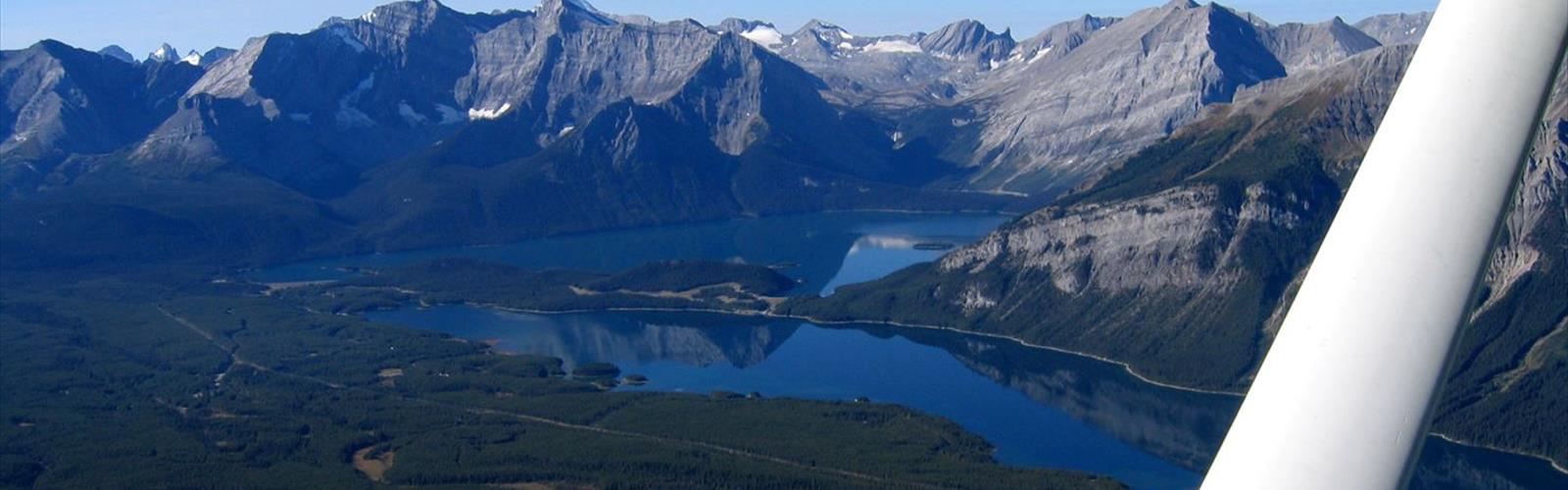

Ready to explore Height of the Rockies Provincial Park? Here's everything you need to know before you go!
Discover the trail
Trail description
Height of the Rockies Provincial Park sprawls across 68,000 hectares of pristine wilderness in British Columbia's Kootenay Rockies region, offering some of the most spectacular and challenging backcountry hiking in the Canadian Rockies. This remote park protects a landscape of towering peaks, ancient glaciers, and untouched alpine valleys that few visitors ever experience.
The Hiking Experience
The park's trail system caters to hikers of all abilities, though the remote location and rugged terrain make this destination particularly rewarding for those seeking a true wilderness experience. The elevation ranges dramatically throughout the park, creating diverse ecosystems from dense valley forests to stark alpine zones above treeline.
The Catamount Glacier Trail stands out as the park's premier hiking challenge. This demanding route pushes hikers through steep terrain and changing elevation zones before delivering them to viewpoints overlooking active glaciers and expansive alpine meadows. The trail requires solid fitness and navigation skills, but the payoff includes some of the most dramatic mountain scenery in the region.
For a more relaxed experience, the Palliser River Trail follows the crystal-clear waters of the Palliser River through old-growth forests. This gentler route allows hikers to appreciate the park's lower elevation ecosystems while still experiencing the sense of remoteness that defines Height of the Rockies. The trail winds alongside the river for much of its length, providing numerous spots to rest and take in the surrounding forest.
Terrain and What to Expect
The park's landscape tells the story of massive geological forces and glacial activity. Hikers encounter everything from dense coniferous forests in the valleys to exposed rock faces and scree slopes at higher elevations. The terrain can be challenging, with loose rock, stream crossings, and steep grades common on many routes.
Alpine meadows burst with wildflowers during the short summer season, creating stunning displays against the backdrop of snow-capped peaks. These high-elevation areas remain snow-covered well into summer, and weather conditions can change rapidly regardless of the season.
Wildlife and Safety
Height of the Rockies supports healthy populations of large mammals that hikers should be prepared to encounter. Grizzly bears roam throughout the park, making proper food storage and bear awareness essential for any visit. Mountain goats navigate the steep terrain with ease and can often be spotted on cliff faces and rocky outcrops. Elk frequent the meadows and forest openings, particularly during dawn and dusk hours.
The presence of these animals requires hikers to maintain situational awareness and follow proper wildlife protocols. Carry bear spray, make noise while hiking, and store food properly whether day hiking or camping. Keep significant distance from all wildlife and never approach or feed animals.
Backcountry Camping
The park offers exceptional backcountry camping opportunities for those wanting to extend their wilderness experience. Camping under the vast mountain sky provides an unmatched connection to the natural environment, with only the sounds of wind, water, and wildlife breaking the silence.
Backcountry campers must be completely self-sufficient and prepared for changing weather conditions. All camping follows Leave No Trace principles to preserve the pristine character of this wilderness area. Pack out all waste, camp on durable surfaces, and minimize campfire impacts.
Access and Preparation
Reaching Height of the Rockies requires commitment and proper vehicle preparation. Access roads are primarily logging roads that can be rough and challenging, particularly after weather events. A high-clearance vehicle is strongly recommended, and four-wheel drive capability provides additional security on steep or muddy sections.
The remote location means cell phone coverage is non-existent throughout most of the park. Inform others of your hiking plans and expected return time before departing. Carry emergency communication devices for serious backcountry travel.
Weather and Gear Considerations
Mountain weather in Height of the Rockies can be unpredictable and severe, even during summer months. Temperature swings, sudden storms, and high winds are common, particularly at higher elevations. Snow can fall any month of the year in alpine areas.
Pack clothing layers suitable for a wide range of conditions, including waterproof outer shells and warm insulation layers. Sturdy hiking boots with good ankle support are essential for the rocky terrain. Bring navigation tools including map and compass, as trails may be poorly marked or obscured by weather.
Water sources are generally abundant, but carry purification methods for all water collected from natural sources. The remote location makes self-rescue capability important, so pack a comprehensive first aid kit and ensure all group members have wilderness travel experience.
Why Height of the Rockies Stands Apart
This park offers something increasingly rare in popular hiking destinations: genuine solitude and wilderness challenge. Unlike more accessible parks in the Canadian Rockies, Height of the Rockies requires effort just to reach, filtering out casual visitors and preserving the wild character that serious hikers seek.
The combination of dramatic alpine scenery, diverse wildlife, and minimal human impact creates hiking experiences that feel truly remote and adventurous. For hikers willing to make the extra effort required to visit, Height of the Rockies delivers wilderness experiences that have become difficult to find elsewhere in the region.
The Essential Hiking Checklist
Everything you need for your next hike. Bilingual, printable, 1 page.
Get your free hiking checklistRecommended gear for this trail
As an Amazon Associate I earn from qualifying purchases.


Ready to go?
Everything you need to know before you goStarting Point
The trails at the height of the rockies provincial park can be accessed from the east side of the park near the town of Radium Hot Springs.
When?
How much?
As an Amazon Associate I earn from qualifying purchases.
Affiliate links — LGPO may earn a commission at no extra cost to you.
- Hiking shoes Essential
- → Salomon Elixir Tour Mid WP · 203.38 $
- Layered clothing Essential
- Rain jacket Essential
- Trekking poles
- → Black Diamond Trail Ergo Cork · 69.99 $
- Headlamp
- → Petzl Actik Core 625 · 103.95 $
FAQ - Frequently asked questions
Everything you need to knowSimilar hikes nearby
Discover other trails you might enjoy

Emerald Lake
Kootenay Rockies

Golden Skybridge
Kootenay Rockies
Mount Stephen
Kootenay Rockies
Bugaboo Provincial Park
Kootenay Rockies
Magog, Lake
Kootenay Rockies
Iceline Trail
Kootenay Rockies
Hiking near Canmore
200 trails to explore ~66 km away
We work hard to provide the most up-to-date and error-free data possible. If something seems incorrect, let us know! Your contribution helps the whole community.
Hikers' opinions
Be the first to review!
No hiker has shared their experience yet. Share your impressions and help other hikers!